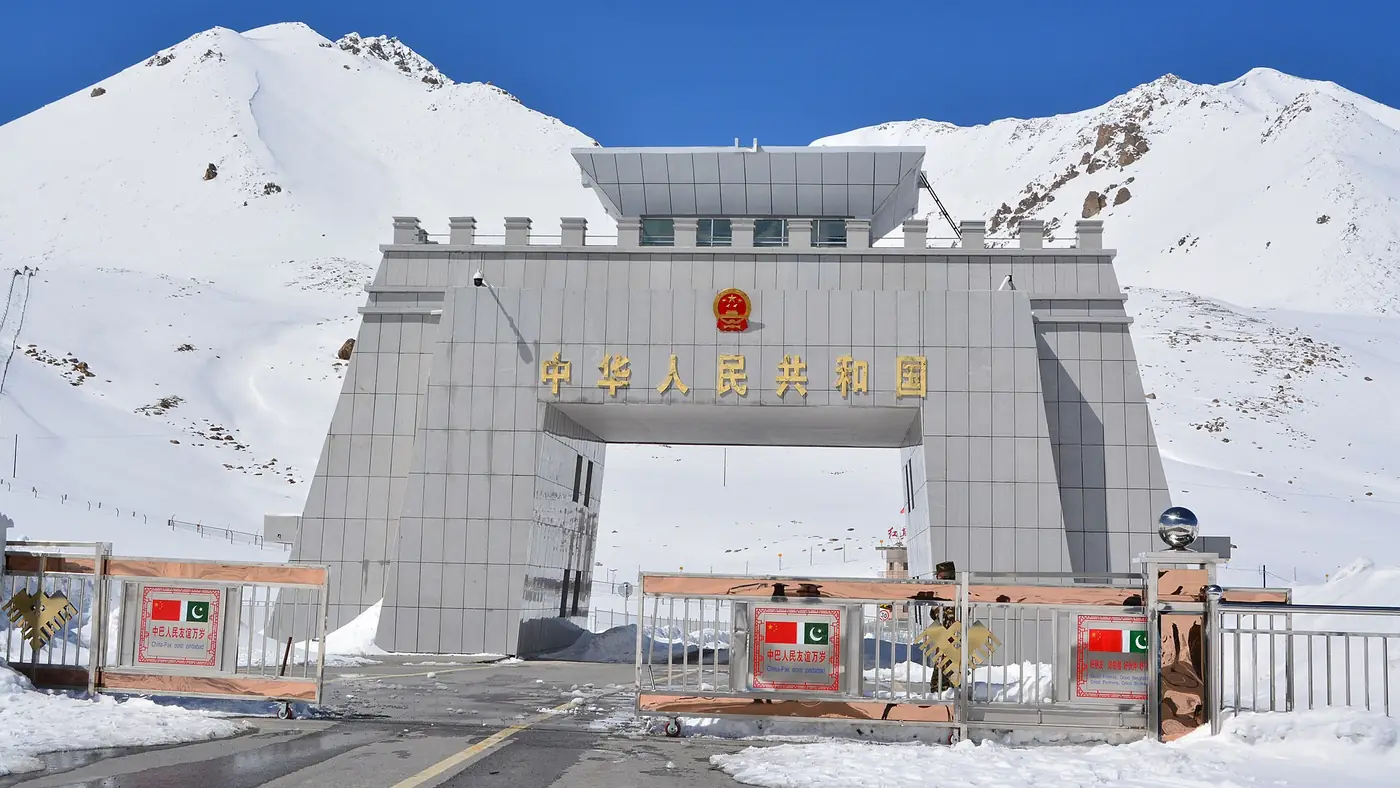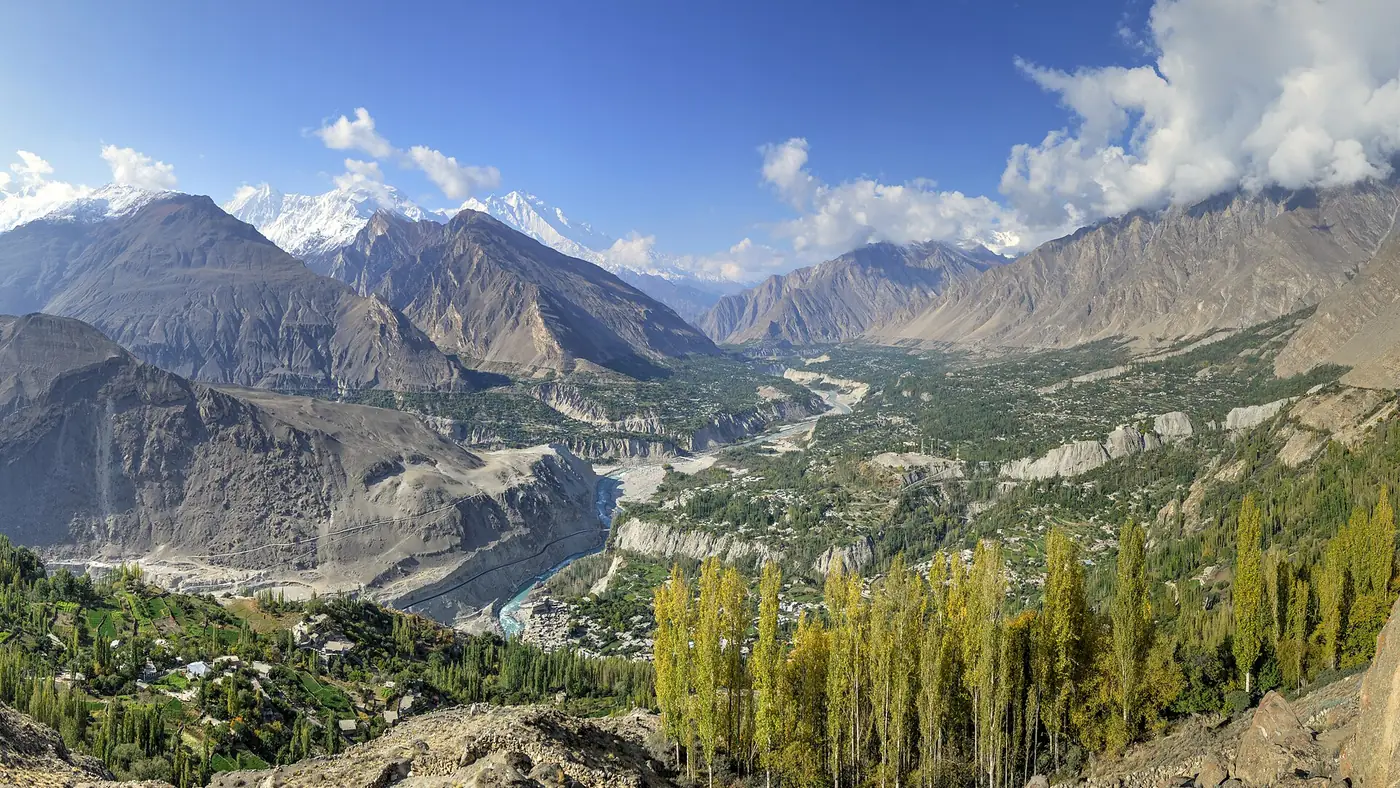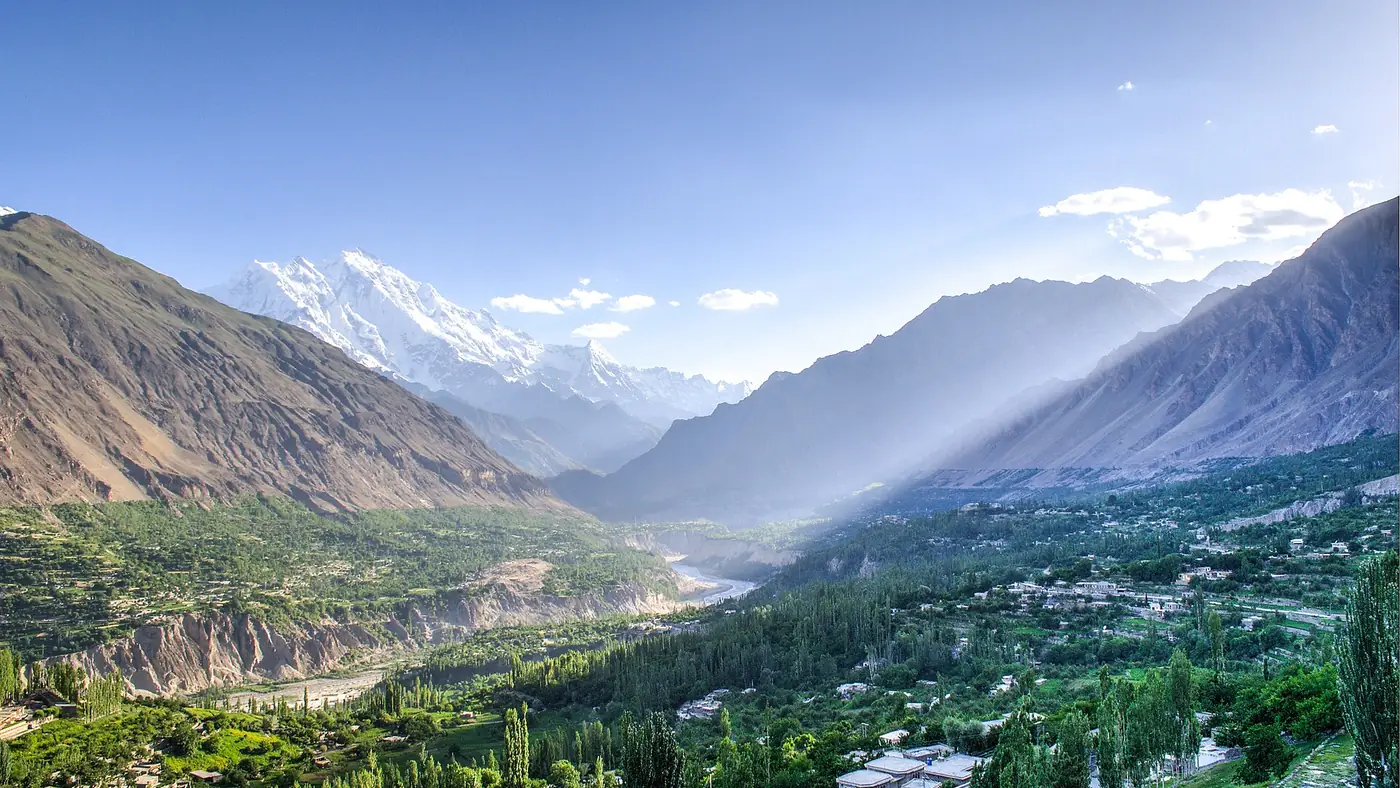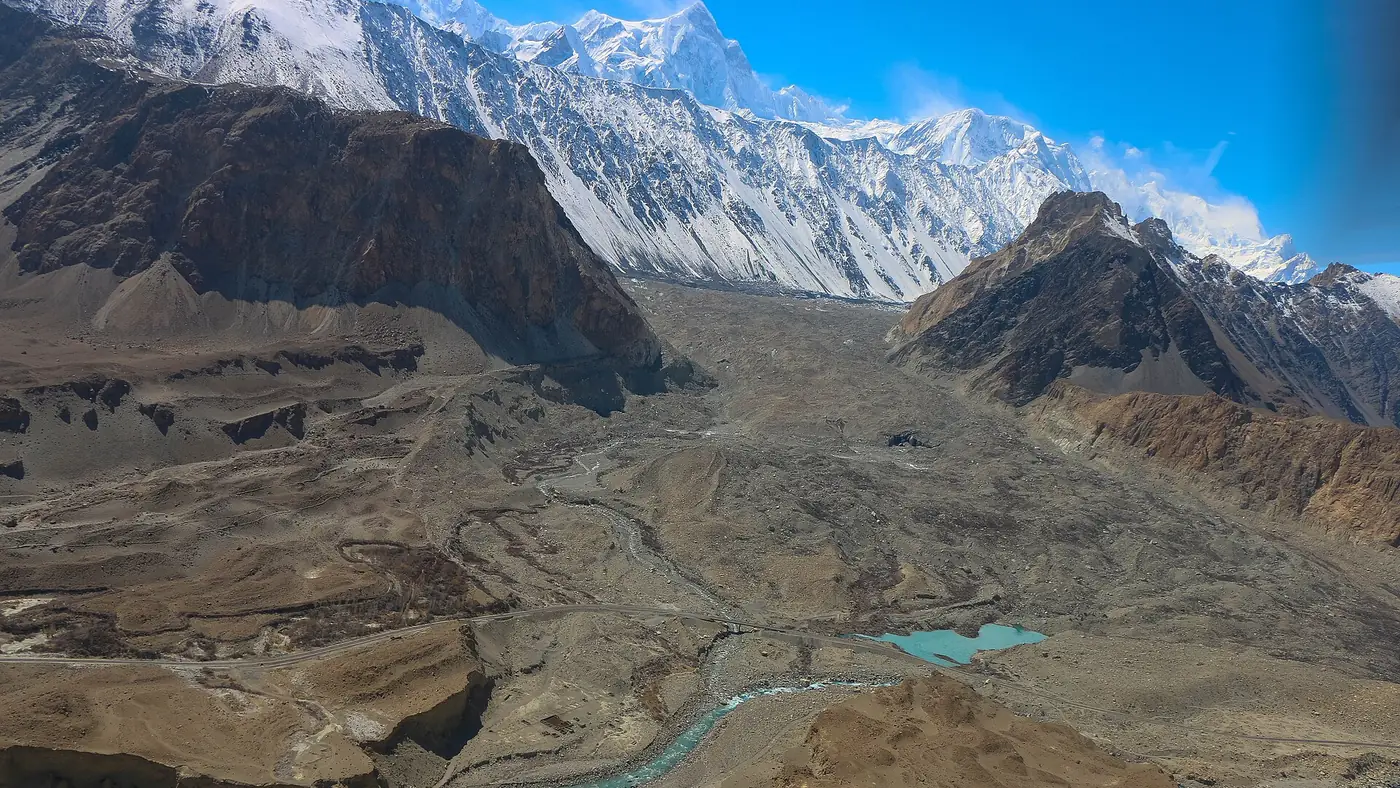
The Wakhi are the people of Gojal, the upper stretch of Hunza between Gulmit and the Khunjerab border. They speak a different language, follow different customs and trace their history to a different part of Central Asia than the Burusho people of central and lower Hunza around Karimabad. Anyone travelling the Karakoram Highway north of Gulmit is in Wakhi country.
Who the Wakhi are, and where
The Wakhi are spread across four countries: Pakistan, Tajikistan, Afghanistan and China, a result of 19th-century border-drawing during the "Great Game" period that split a single community between empires. In Pakistan they are concentrated in Gojal, the string of villages from Gulmit up through Passu, Sost and Misgar to the Chipursan valley, with further Wakhi communities in the Ishkoman and Yasin valleys further west and in parts of Chitral. Their homeland across the border, the Wakhan Corridor, gives the wider community its name.
Language and religion
Wakhi is an Eastern Iranian language of the Pamiri group, unrelated to Burushaski, the language spoken in the rest of Hunza, and unrelated to Urdu. It has historically been spoken rather than written, and UNESCO lists it as endangered, with community efforts in Gojal since 1990 working to record and preserve it, including a long-running Wakhi-language radio programme from Radio Pakistan's Gilgit station. Almost all Wakhi in Gojal are Ismaili Muslims, followers of the Aga Khan, as are the Burusho of lower Hunza; the shared faith has brought both communities the same network of Aga Khan-run schools and clinics, even though their languages and origins differ. Our post on the Burushaski language covers the language spoken further down the valley.
The traditional Wakhi house
The most distinctive part of Wakhi material culture is the traditional stone and timber house, built around a central hearth room with raised platforms at different levels for sleeping, sitting and storage. Five wooden pillars support the roof, read locally as representing the Prophet Muhammad, Ali, Fatima and their sons Hassan and Hussein, central figures in Shia tradition. Above the hearth, a stepped, diamond-shaped skylight lets out smoke and lets in light. Older examples of this style survive in Gulmit and Ghulkin, and a working example is open to visitors in Gulmit as part of its heritage sites.
Food and daily life
Wakhi food in Gojal shares a base with the rest of Hunza and Gilgit-Baltistan: wholewheat and buckwheat breads, dried apricots, walnuts and dairy, shaped by a short growing season and a long, cold winter. Livestock matters more here than further down the valley; Wakhi households have traditionally kept yaks as well as goats and sheep, with some families still moving animals to high summer pastures, a pattern that survives most visibly around Shimshal and the Chipursan valley. Our guide to Hunza's traditional food covers the dishes you're likely to be served anywhere in the valley.
Festivals
Gojal shares the calendar of festivals celebrated across Hunza and Nagar, including Nauroz, the 21 March spring new year, and Ginani, the summer solstice harvest festival, both marked with music, food and, in many villages, polo. See our posts on Nauroz in Hunza and the Ginani festival for how each is celebrated. What is specific to Gojal is the strength of Wakhi cultural associations, formed from 1990 onwards, which run language classes, document oral history and organise Wakhi-language cultural events alongside the wider valley calendar.
Visiting respectfully
Gojal villages are lived-in communities, not open-air museums. If you want to see a traditional house or a working farm, ask first, through your guesthouse or driver if that is easier, and expect that not everywhere is set up for casual visitors to walk through. Photography of people, especially women, should be asked for rather than assumed. Our guide to Gilgit and Hunza has more on planning time in Gojal, and our Gilgit, Hunza and Khunjerab tour routes through Gulmit and Passu on the way to the border.
Frequently asked questions
Are the Wakhi and the Hunza people the same?
No. "Hunza people" usually means the Burusho of central and lower Hunza, who speak Burushaski. The Wakhi live in Gojal, upper Hunza, and speak an unrelated Iranian language. Both communities are mostly Ismaili Muslim.
Where do the Wakhi live in Pakistan?
Mainly in Gojal: Gulmit, Passu, Sost, Misgar and the Chipursan valley, with further communities in the Ishkoman and Yasin valleys and parts of Chitral.
What language do the Wakhi speak?
Wakhi, an Eastern Iranian language in the Pamiri group. UNESCO lists it as endangered, and it has traditionally been spoken rather than written.
What does a traditional Wakhi house look like?
A single-room stone and timber house built around a central hearth, with raised platforms for different uses and five symbolic wooden roof pillars beneath a stepped skylight. Examples survive in Gulmit and Ghulkin.
Can visitors see a traditional Wakhi village?
Yes, Gulmit, Passu and the Chipursan valley are all visited as part of a Hunza trip. Ask locally before entering homes or photographing people, since these are working villages rather than tourist sites.