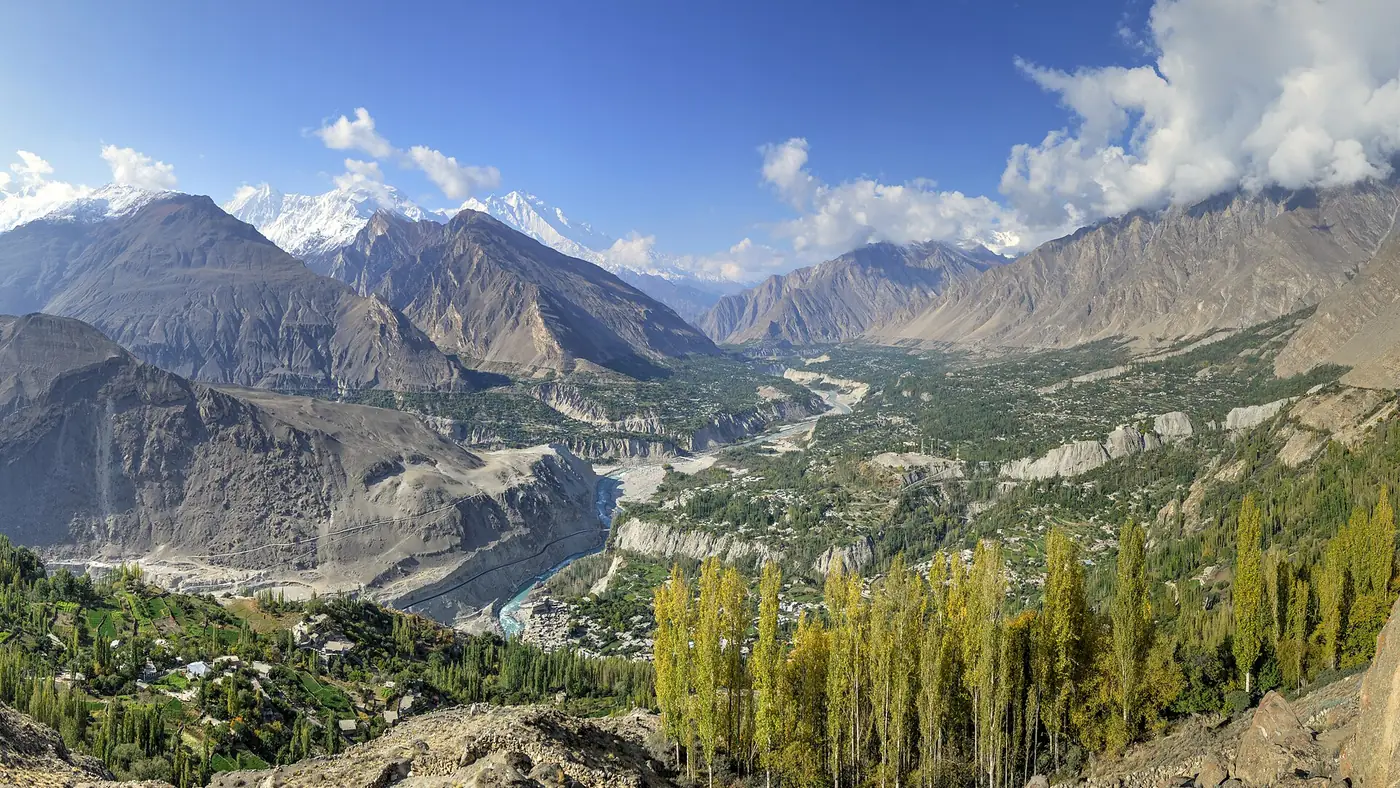
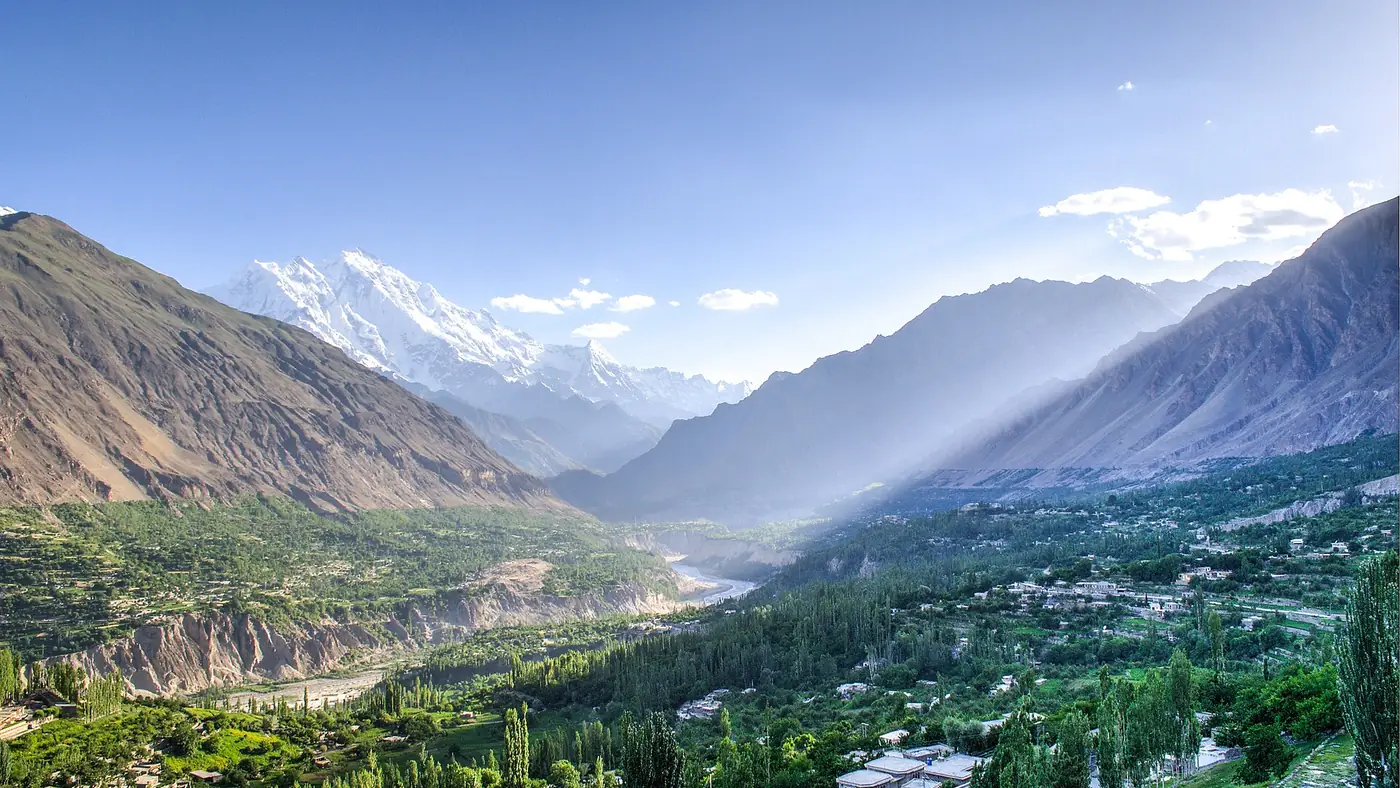
Ginani is Hunza and Nagar's harvest festival, held every year on 21 June, the summer solstice and the longest day of the year. It marks the point in the farming calendar when the first crops are ready, and in valleys that once depended entirely on their own harvest to get through winter, that was worth celebrating properly.
When Ginani happens
The date is fixed to the solstice rather than the lunar or Islamic calendar, so it falls on 21 June every year without moving. Preparations start roughly ten days beforehand, when musicians perform traditional tunes known as Hareeps at Altit Fort in the run-up to the main day. Our guide to the best time to visit covers how late June fits into the wider travel calendar, and our post on the best time to visit Hunza covers the month in more local detail.
What the festival celebrates
Before mechanised irrigation and reliable roads, a poor harvest in Hunza could mean real hardship over the winter. Ginani grew out of that reality: a formal thanksgiving that the season's crops had survived, held at the moment the first grain came in. Until 1974, when the Hunza princely state was dissolved and absorbed into Pakistan, the celebration was organised by the Mir, the valley's hereditary ruler, in his own court, which is part of why its rituals still centre on the old royal sites at Baltit and Altit.
Rituals on the day
The core of Ginani is agricultural rather than purely festive. Events are traditionally centred on a site called Chattaq, near the old palace grounds below Baltit Fort. In the older form of the ritual, the Mir would visit the wheat fields and spread butter on the standing plants, followed by prayers for a good and safe harvest. Grain from the new crop is cooked and mixed into lassi, the local yoghurt drink, and shared among those present, a direct, edible link between the ritual and the harvest it marks.
Around this core, the day opens out into a wider community celebration: polo matches, tug-of-war, group dancing performed by different family or village groups in a set order, and communal food. Our post on Hunza's traditional food covers the dishes most likely to appear at a village gathering like this.
How visitors can watch respectfully
Ginani is a community and, in its core rituals, a religious occasion, not a staged event for tourists, so treat it as you would any local celebration you have been allowed to observe.
- Ask before photographing people directly, particularly during the ritual parts of the day rather than the polo or dancing.
- Stay at the edges of the ritual area unless invited closer; the polo ground and open dancing are easier to watch from a normal spectator distance.
- Dress modestly, as you would anywhere in Hunza, and avoid turning up in clothing suited to a beach or a gym.
- Go through a local guesthouse or driver if you want to know exactly where the day's events are happening in a particular village, since the scale and exact programme vary from year to year and place to place.
- Don't expect a fixed public schedule. This is a living local festival, not a ticketed event, and timings on the day can shift.
Where to see it
Celebrations happen across both Hunza and Nagar, with the most visible activity historically centred on Karimabad, Altit and Baltit, since these were the seats of the old state. Smaller village-level observances take place elsewhere in the valley on the same day. If you are staying in or near Karimabad in late June, ask your guesthouse whether anything is planned locally that year.
Frequently asked questions
When is Ginani celebrated in Hunza?
Every year on 21 June, the summer solstice. The date is fixed and does not move with the lunar calendar.
What does the Ginani festival celebrate?
The start of the harvest season in Hunza and Nagar, historically a thanksgiving that the year's crops had survived the growing season, held as valleys here once depended on their own harvest through winter.
What happens during Ginani?
Rituals traditionally centred on the wheat fields near Baltit, including grain mixed into lassi and shared communally, followed by polo, tug-of-war, group dancing and food. Music performances known as Hareeps lead up to the day at Altit Fort.
Can tourists attend Ginani in Hunza?
Yes, as respectful observers. It is a community celebration rather than a tourist event, so ask locally about that year's plans, keep a respectful distance from the ritual parts of the day, and ask before photographing people.
Is Ginani the same as Nauroz?
No. Nauroz is Hunza's spring new year, celebrated on 21 March. Ginani is the summer solstice harvest festival, three months later, and the two mark different points in the farming year. See our post on Nauroz in Hunza for the spring celebration.