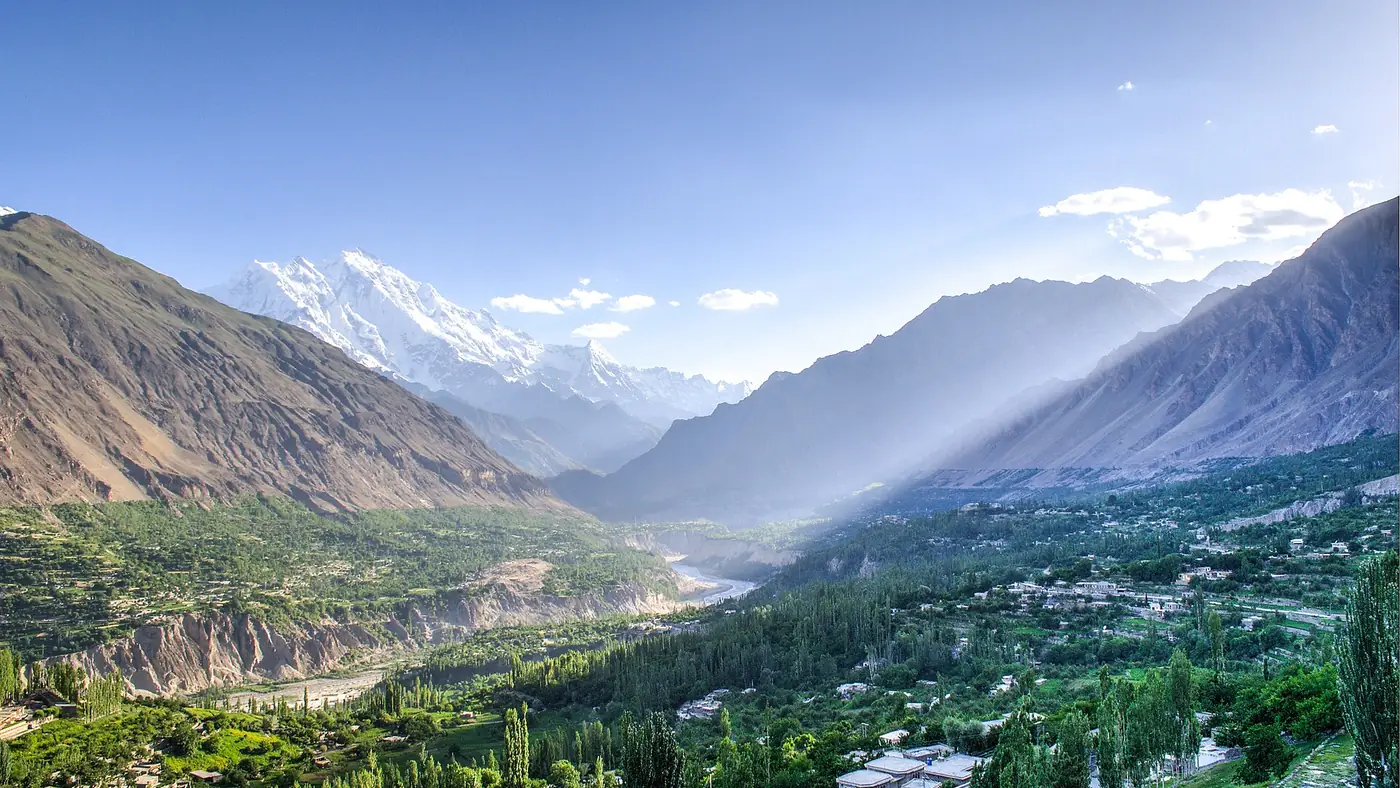
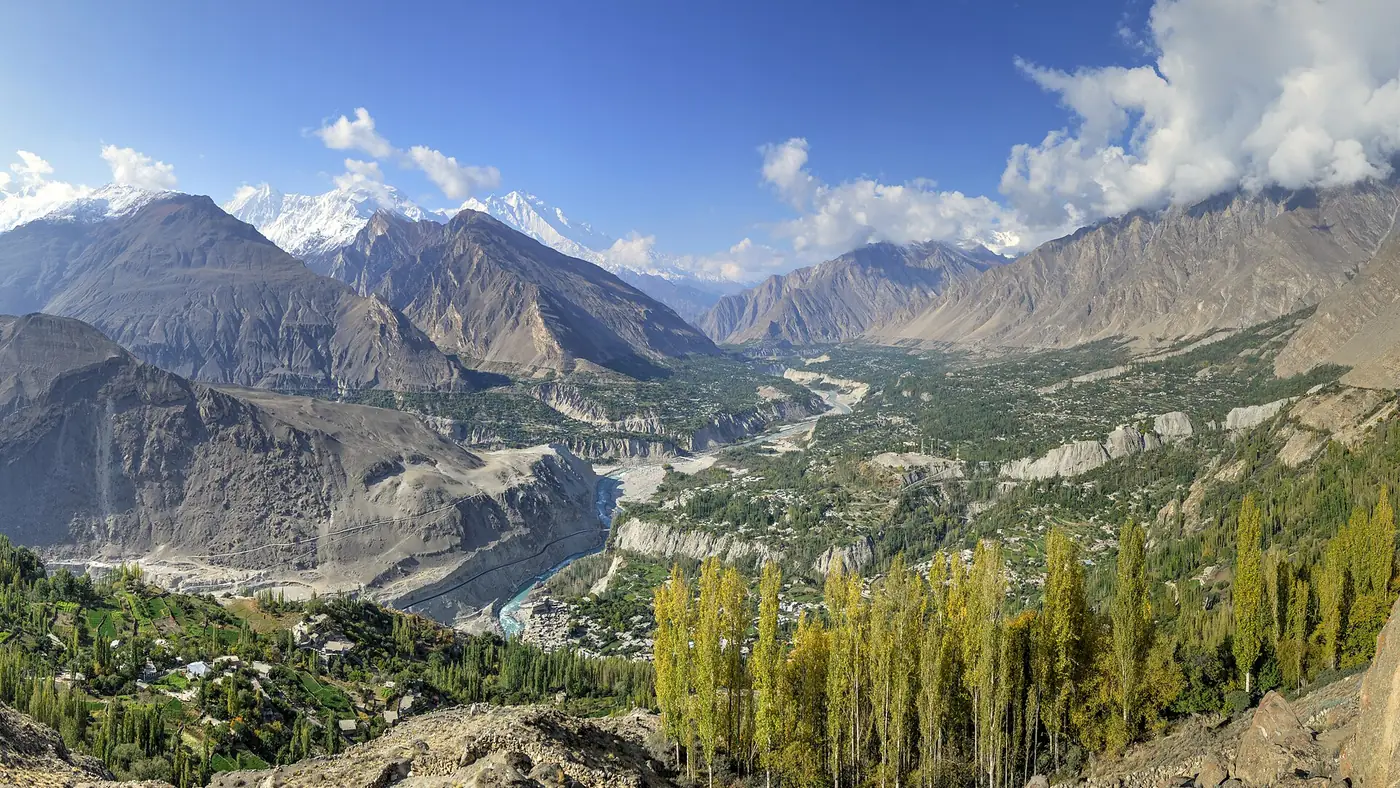
Nauroz, also written Nowruz, is the spring new year celebrated across Hunza and the rest of Gilgit-Baltistan on 21 March, the spring equinox. It reached the region historically through Iranian preachers and is now marked mainly by the Shia and Ismaili communities of Gilgit, Hunza-Nagar, Ghizer, Astore, Skardu and Ghanche districts, with Hunza's version tied closely to the start of the farming year.
When Nauroz falls
The date is fixed to the equinox, 21 March, rather than a lunar calendar, so it lands on the same day every year. In some districts of Gilgit-Baltistan, local celebrations have in recent years been extended into a longer festival running alongside Pakistan Day on 23 March, combining the two into several days of events. Our guide to the best time to visit covers how late March fits into the wider Hunza calendar, before the main blossom season begins in April.
What Nauroz marks in Hunza
Across most of Gilgit-Baltistan, Nauroz is simply the new year. In Hunza and Nagar specifically, it also marks the point when farmers begin ploughing their fields for the new season, so the festival doubles as an agricultural opening as well as a calendar one. That link to the land is why Nauroz in Hunza feels less like a fixed civic holiday and more like a village-by-village marking of the season turning.
The festival's origins in the region are usually traced to Iranian preachers who brought it here centuries ago, well before the modern borders of Gilgit-Baltistan existed. It sits alongside Ginani, the harvest festival held on the summer solstice, as one of two fixed points in Hunza's traditional calendar that predate the Islamic lunar calendar, both marking the practical rhythm of a farming year rather than a religious date.
Planning a trip around Nauroz
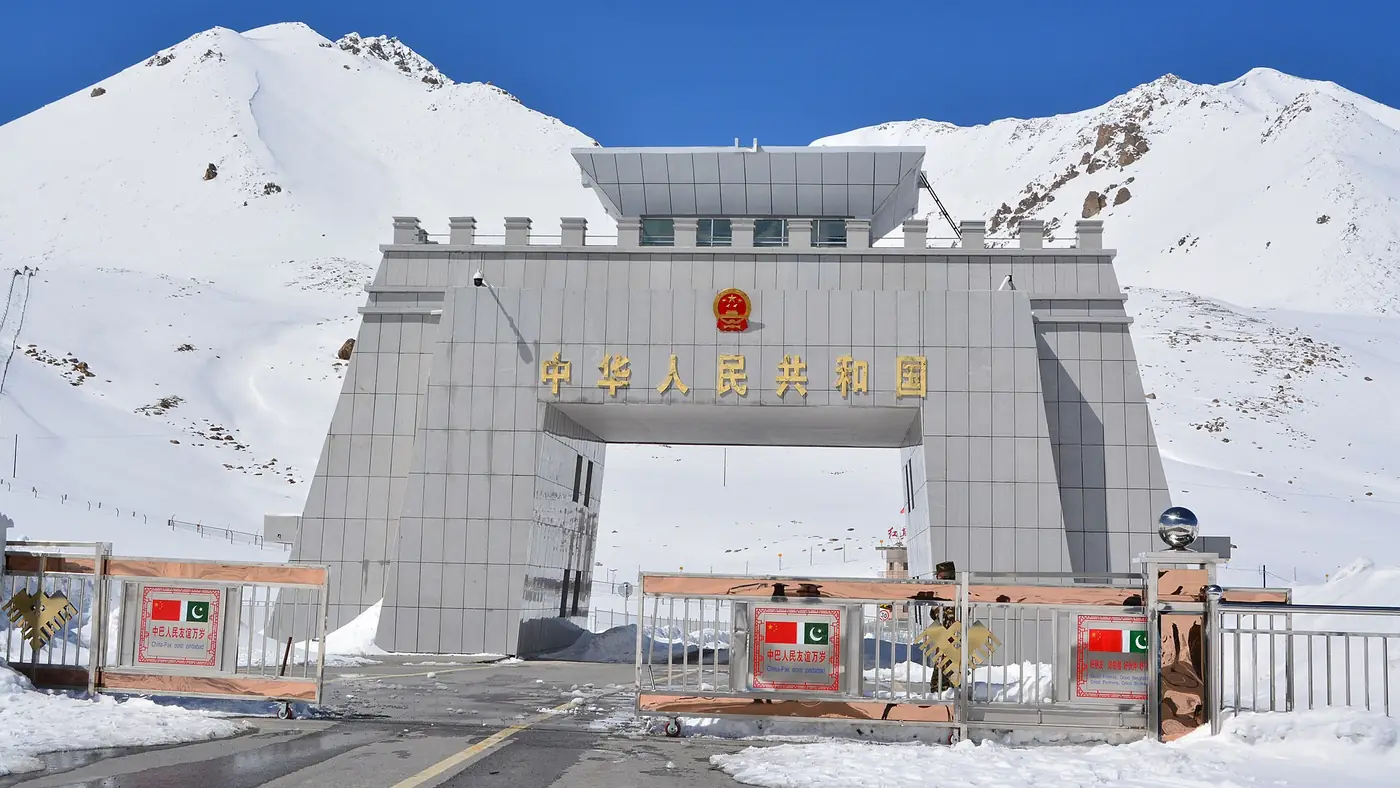
Late March in Hunza is early in the travel season. The valley floor is generally clear, but nights are still cold, higher passes such as Khunjerab remain closed, and the apricot and cherry blossom that draws most spring visitors doesn't usually start until April. If Nauroz itself is the reason for your trip, plan around Karimabad and Aliabad, where you have the best chance of local activity, rather than routing further north where roads and hotels may not yet be running at full summer capacity.
How it is celebrated
- Polo. Local matches are organised in villages across Hunza-Nagar on or around the day, and polo remains one of the most visible parts of any Nauroz gathering in the region.
- Traditional music and dance. Group performances mark the day in most villages, often alongside the polo.
- Ploughing rituals. In keeping with Nauroz's role as the start of the farming year in Hunza, the first ploughing of fields is treated as part of the occasion in some villages.
- Games specific to the day. One distinctive local tradition in Hunza and Nagar is swing competitions among girls, held as part of the day's events.
- Food. Communities gather for shared meals; egg-based dishes and local cuisine feature in wider Gilgit-Baltistan Nauroz celebrations of the kind you may see in Hunza villages too.
Where to see it
Celebrations happen at village level across Hunza and Nagar rather than at one central site, so what you see depends on where you are staying. Karimabad and Aliabad typically have some local activity; smaller villages may hold their own, smaller gatherings on the same day. Ask your guesthouse in advance if you want to know what, if anything, is planned locally that year, since scale varies from village to village and year to year.
Visiting respectfully
Nauroz in Hunza is a community and family occasion rather than a tourist event.
- Ask before photographing people, particularly during dancing or at family gatherings.
- Watch polo matches from the normal spectator areas rather than crowding the pitch.
- Dress modestly, as you would anywhere in Hunza.
- Don't expect a single advertised schedule; this is a local festival, not a ticketed event.
If your dates don't line up with 21 March, Hunza's other major traditional festival is Ginani, the summer solstice harvest celebration on 21 June; see our post on the Ginani festival for how that one works.
Frequently asked questions
When is Nauroz celebrated in Hunza?
On 21 March every year, the spring equinox. It is a fixed date rather than a moving one.
What is the difference between Nauroz and Ginani in Hunza?
Nauroz is the spring new year, marking the start of ploughing and the farming season on 21 March. Ginani is the summer solstice harvest festival on 21 June, marking the point crops are ready. They celebrate opposite ends of the growing season.
Is Nauroz a public holiday in Gilgit-Baltistan?
It is widely observed by local communities, particularly Shia and Ismaili Muslims, though observance and any formal holiday status can vary; check locally if you are visiting around the date.
Can tourists watch Nauroz celebrations in Hunza?
Yes, as respectful observers. It is a village-level community celebration rather than a tourist event, so ask locally about that year's plans and ask before photographing people.
What activities happen during Nauroz in Hunza?
Polo matches, traditional music and dancing, the start of ploughing in the fields, and in some villages, swing competitions among girls, alongside shared community meals.