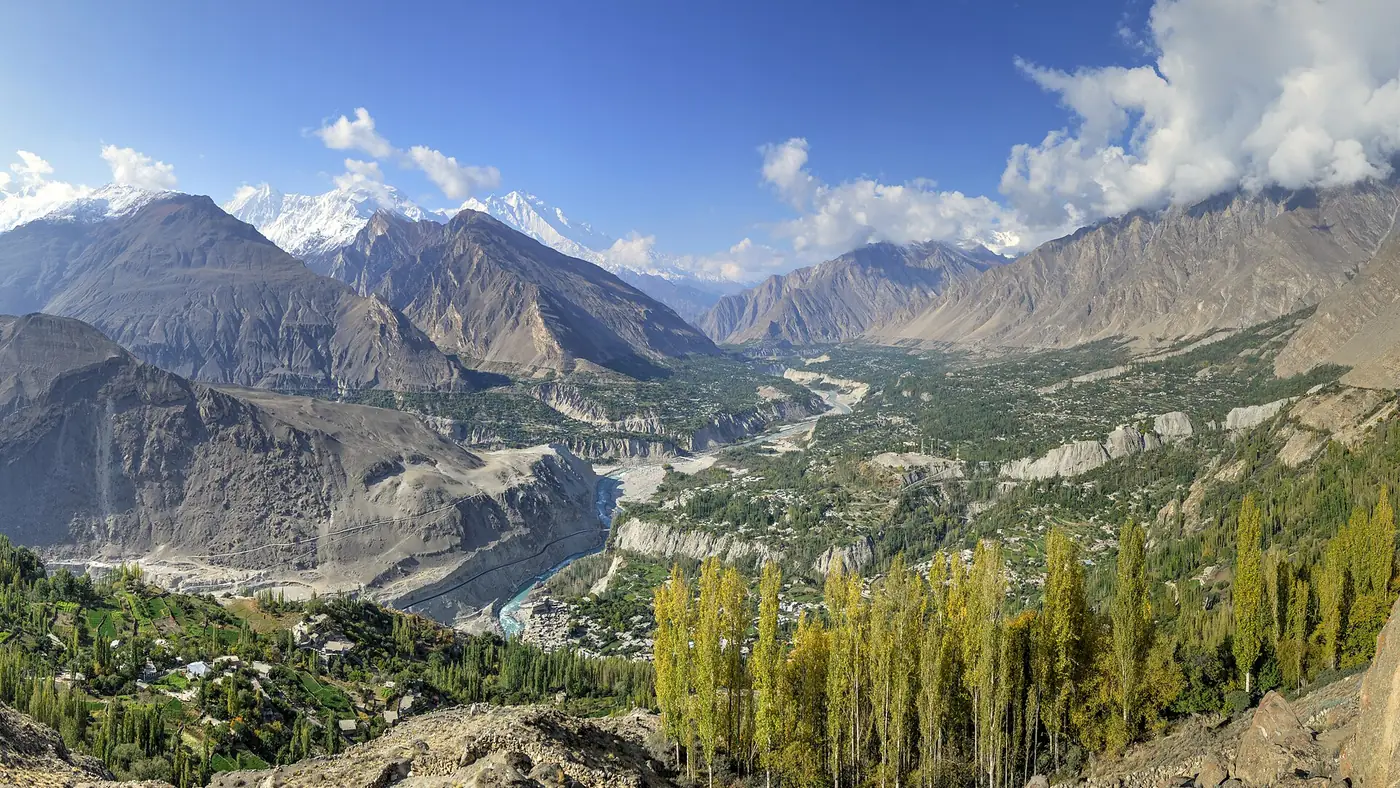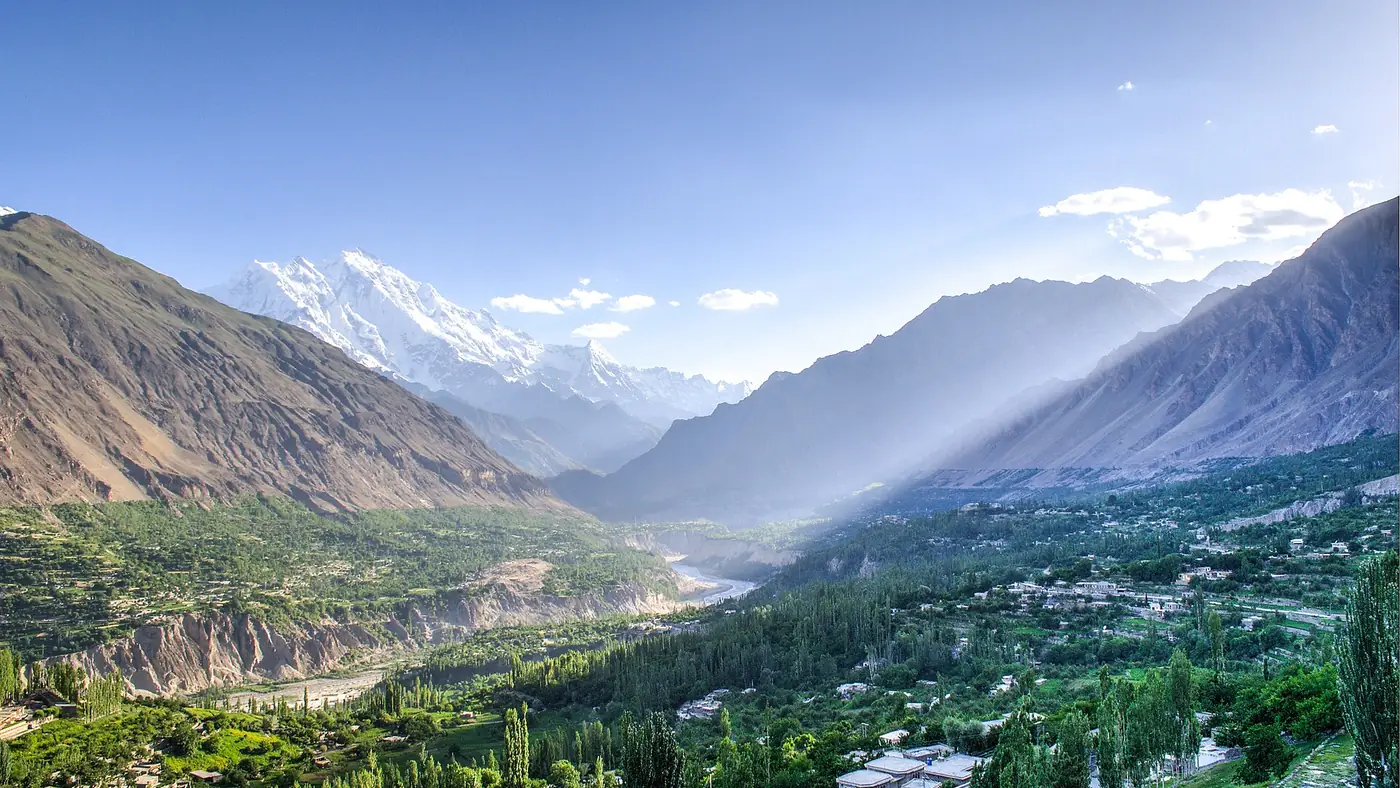
Gojal, also called upper Hunza, is the stretch of the Karakoram Highway and its side valleys north of Karimabad, running from Attabad Lake up to Sost on the Chinese border. It is home to roughly 20,000 people, mostly Wakhi-speaking, in villages that sit well above 2,400 metres and climb higher the further north you go. Most visitors pass through it on the way to Khunjerab Pass, but the valley rewards two or three days on its own.
This guide runs through Gojal's villages in order, its Wakhi culture, and how long to spend there. For the rest of the valley, see our Gilgit-Hunza guide.
| At a glance | |
|---|---|
| Where | Upper Hunza, from Attabad Lake to Sost and the Chinese border |
| Main villages | Shishkat, Gulmit, Ghulkin, Hussaini, Passu, Sost |
| Altitude | From about 2,440 m at Shishkat to over 3,100 m in side valleys |
| Language | Mostly Wakhi; Burushaski in a few villages |
| Faith | Predominantly Ismaili |
| Best months | May to October |
| Minimum stay to see it properly | Two to three nights |
The villages, from south to north
Gojal begins where Attabad Lake now sits, on the site of the village drowned by the 2010 landslide, and runs north along the Hunza River to the Chinese border.
- Shishkat, on the northern shore of Attabad Lake, the first village properly inside Gojal.
- Gulmit, the tehsil headquarters and Gojal's largest settlement, with a small Wakhi culture museum and orchards along the old bazaar.
- Ghulkin and Hussaini, close together beside Borith Lake and the Hussaini suspension bridge, one of the most photographed crossings in the country.
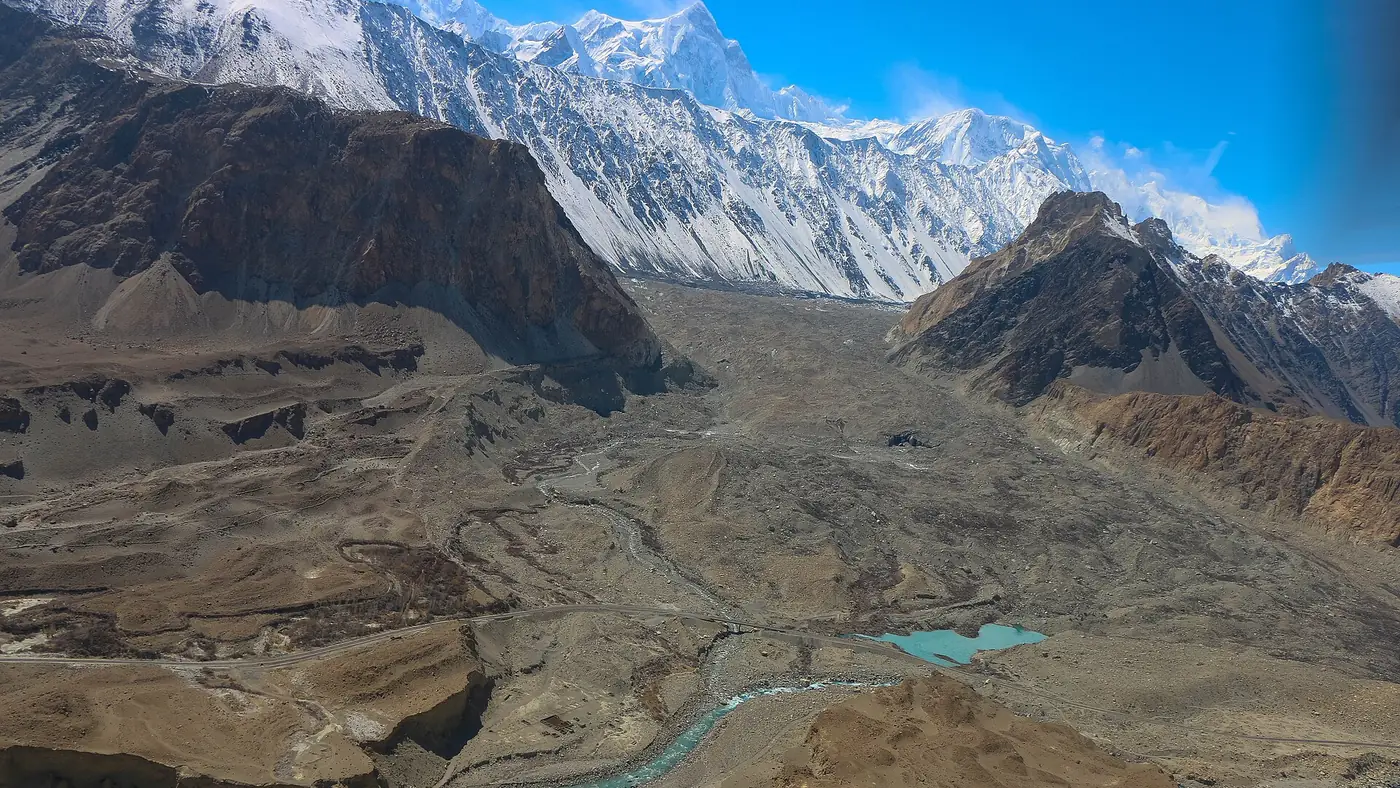
- Passu, under the Passu Cones and beside the Passu Glacier, with a cluster of guesthouses that make it a good overnight base for the upper valley.
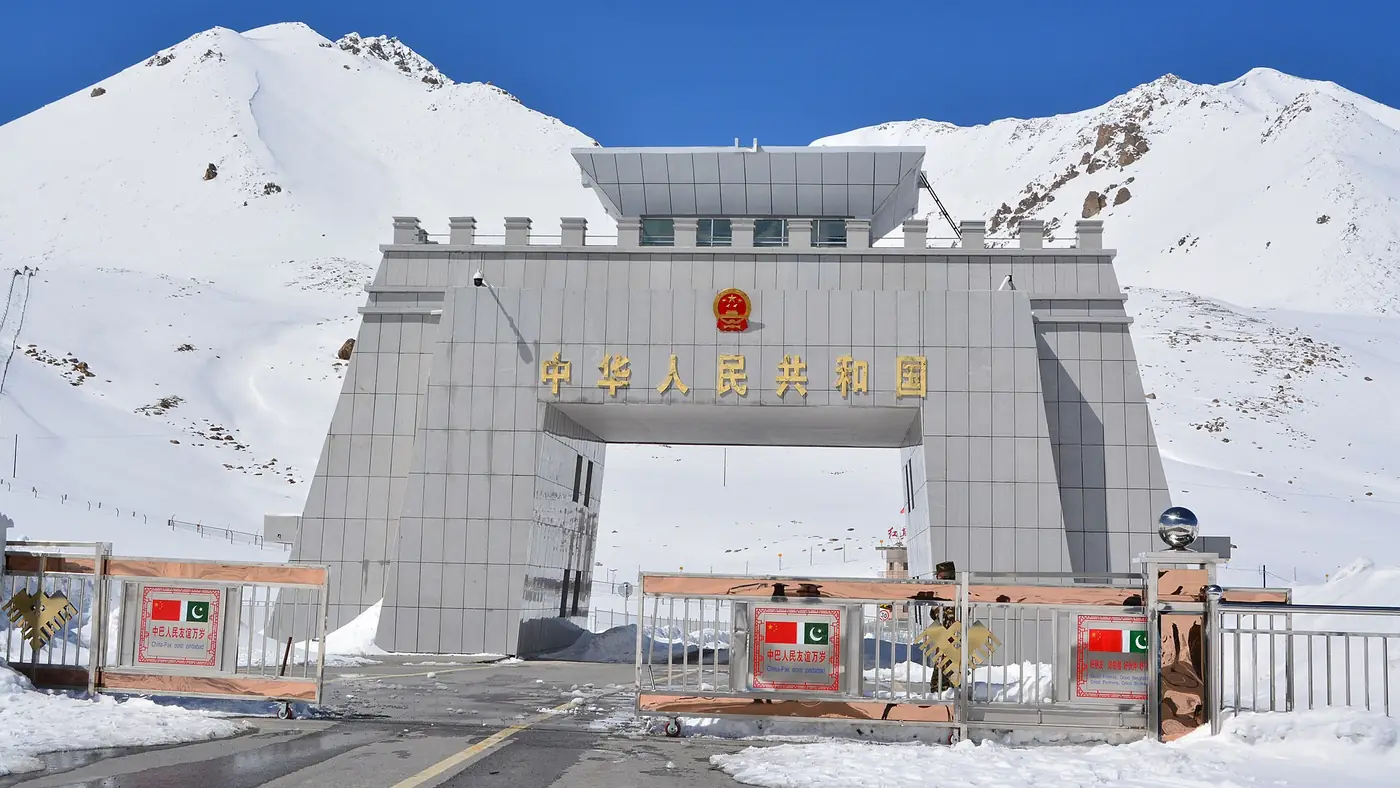
- Sost, the last proper town before Khunjerab, with the dry port for trade to China.
Beyond Sost, two remote side valleys branch off the main road: Chipursan, running north-west toward the Afghan border, and, reached by a separate jeep track near Passu, Shimshal, the highest permanent settlement in the district at about 3,100 metres. Both need a full extra day or more and are covered in their own guides.
Wakhi culture in Gojal
Most of Gojal is Wakhi-speaking, a Pamiri language related to those spoken across the border in Afghanistan's Wakhan corridor and in Tajikistan, distinct from the Burushaski spoken around Karimabad and Aliabad further south. A few villages, including parts of Shishkat, are Burushaski-speaking instead, a reminder that Hunza's upper and lower halves have never been culturally uniform.
The overwhelming majority of Gojal's population is Ismaili, following the same faith as most of central Hunza, and village life still runs on farming, livestock and, in summer, a move to high pastures with the herds. Gulmit's small museum is the easiest place to get a sense of Wakhi material culture, from tools to traditional dress, in a single stop.
Attabad Lake and the road north
Attabad Lake is the gateway to Gojal and, for many visitors, the reason to keep going. The lake itself sits mostly in Nagar and the southern edge of Gojal; north of it, the Karakoram Highway runs through a series of tunnels blasted after the 2010 landslide, then along the river past orchards and stone villages to Gulmit and beyond. The drive from Karimabad to Sost, with stops, takes most of a day.
How long to spend in Gojal
A single day from Karimabad covers Attabad, Passu and the Hussaini bridge, and is what most short trips manage. Two to three nights based in Gulmit or Passu lets you add Borith Lake, a short glacier walk, and either Chipursan or a first taste of Shimshal without rushing. If Khunjerab Pass is on your list, our Khunjerab Pass guide covers the final stretch from Sost to the border.
Is Gojal worth the extra time?
For anyone who has already seen Karimabad and Attabad, yes. Gojal is quieter, higher and, in the villages around Passu and Gulmit, arguably more dramatic than central Hunza, with the Passu Cones and Batura peaks filling the skyline in a way lower Hunza's views don't match. It suits travellers who don't mind simpler guesthouses and slower internet in exchange for fewer crowds. If your time is limited to a single day trip, prioritise Attabad and Passu over pushing on to Sost, and save Chipursan or Shimshal for a trip with more days to spare.
Frequently asked questions
What is the difference between Hunza and Gojal?
Gojal is upper Hunza: the tehsil covering the Karakoram Highway and side valleys from around Attabad Lake north to the Chinese border. "Hunza" more broadly includes Karimabad, Aliabad and the lower valley as well.
What language do people speak in Gojal?
Mostly Wakhi, a Pamiri language distinct from the Burushaski spoken in and around Karimabad. A few villages in Gojal are Burushaski-speaking.
How many days do I need for Gojal?
A single long day from Karimabad covers Attabad and Passu. Two to three nights based in Gulmit or Passu lets you see the valley properly and add a side trip to Chipursan or Shimshal.
Is Gojal safe to visit?
Gojal itself is a regular part of the standard Hunza tourist route with no particular restrictions. Some remote side valleys, including Chipursan, have had localised disruption from natural events; check current conditions before travelling into any side valley.
Where should I stay in Gojal?
Passu and Gulmit both have a reasonable choice of guesthouses and are the most practical bases for exploring the upper valley; Sost has simpler accommodation aimed mainly at travellers heading to or from the border.