Chipursan valley (also spelled Chapursan or Chipurson) is the far north-west corner of Hunza, a Wakhi-speaking valley that runs from Sost towards the Afghan border, where Afghanistan's Wakhan corridor lies across the passes. An unpaved jeep road takes three to four hours from Sost to Zood Khun, the last village, and the shrine of Baba Ghundi lies beyond it at the head of the valley. Before planning a trip, know that the valley was badly damaged by an earthquake on 19 January 2026, and in September 2026 many families were still living in tents.
This guide covers what the valley is like, the jeep road, the villages and where people stay, Baba Ghundi, and how to decide whether to go in 2026 or wait.
| At a glance | |
|---|---|
| Where | Gojal, upper Hunza; north-west of Sost |
| Borders | Afghanistan's Wakhan across the passes; China to the north-east |
| Road | Unpaved jeep track from Sost; three to four hours to Zood Khun |
| Villages | Mostly above 3,000 m |
| Language | Wakhi; Burushaski in Raminj |
| Best months | June to August; May and September colder |
| Signal | Very limited; don't rely on it |
| Documents | CNIC for Pakistanis; passport for foreign nationals, with checkpoints |
| 2026 | Recovering from the January earthquake; confirm conditions first |
What is Chipursan like?
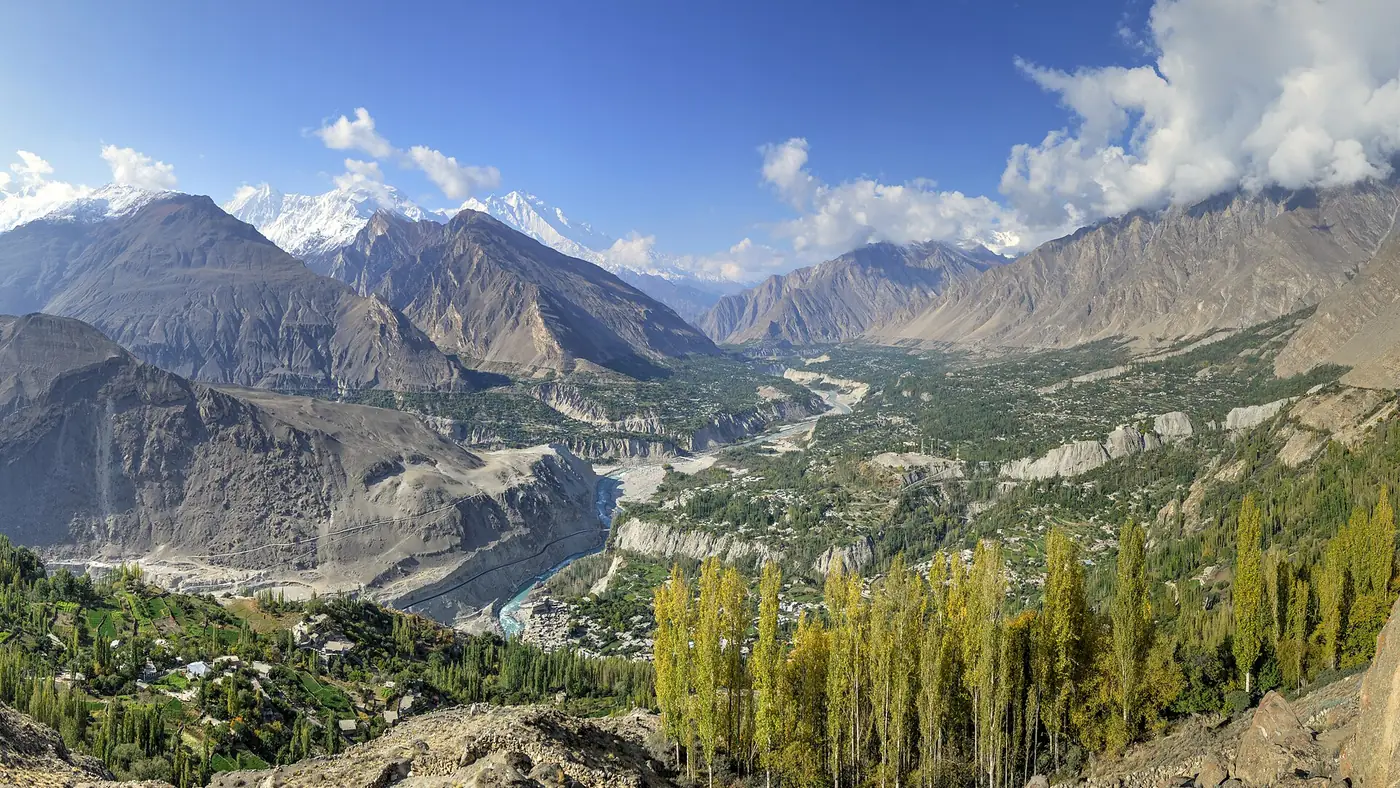
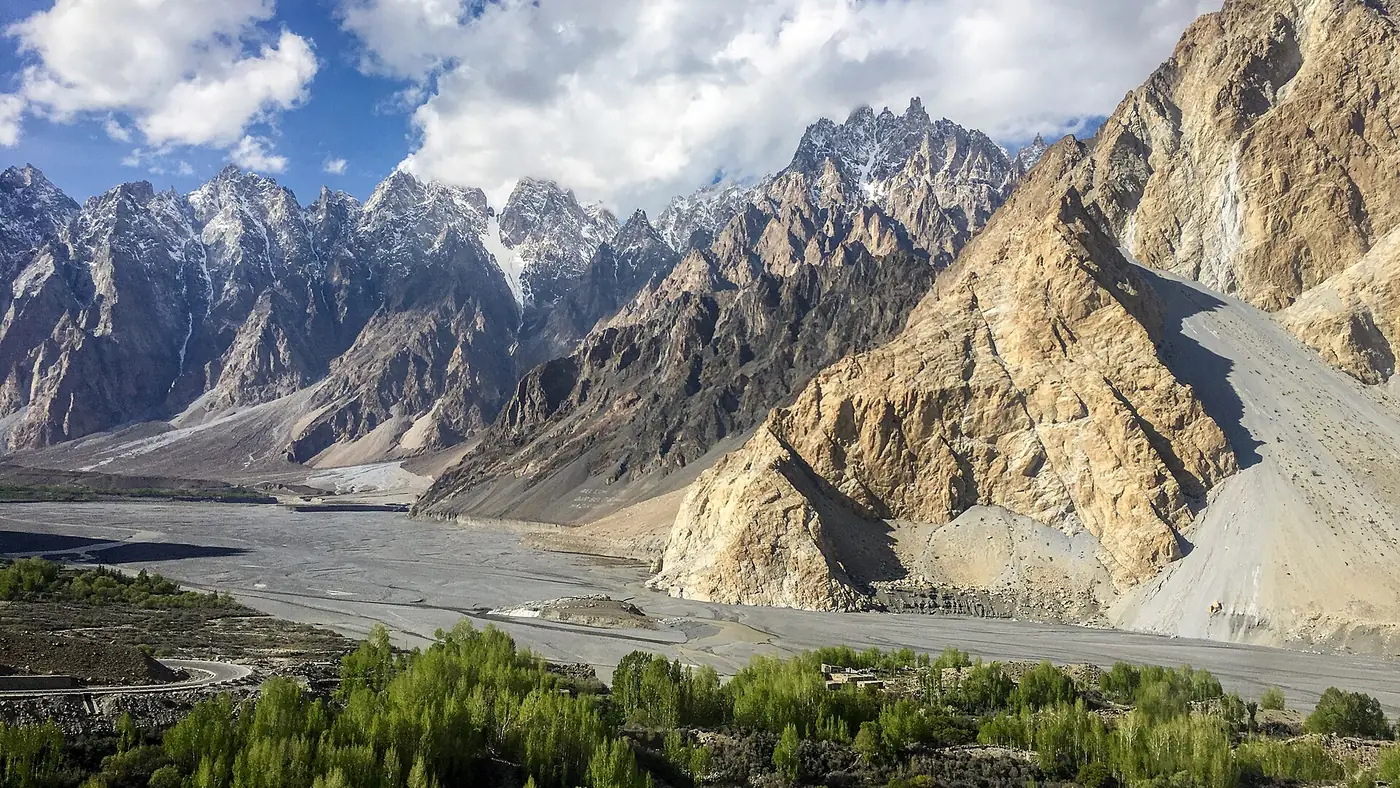
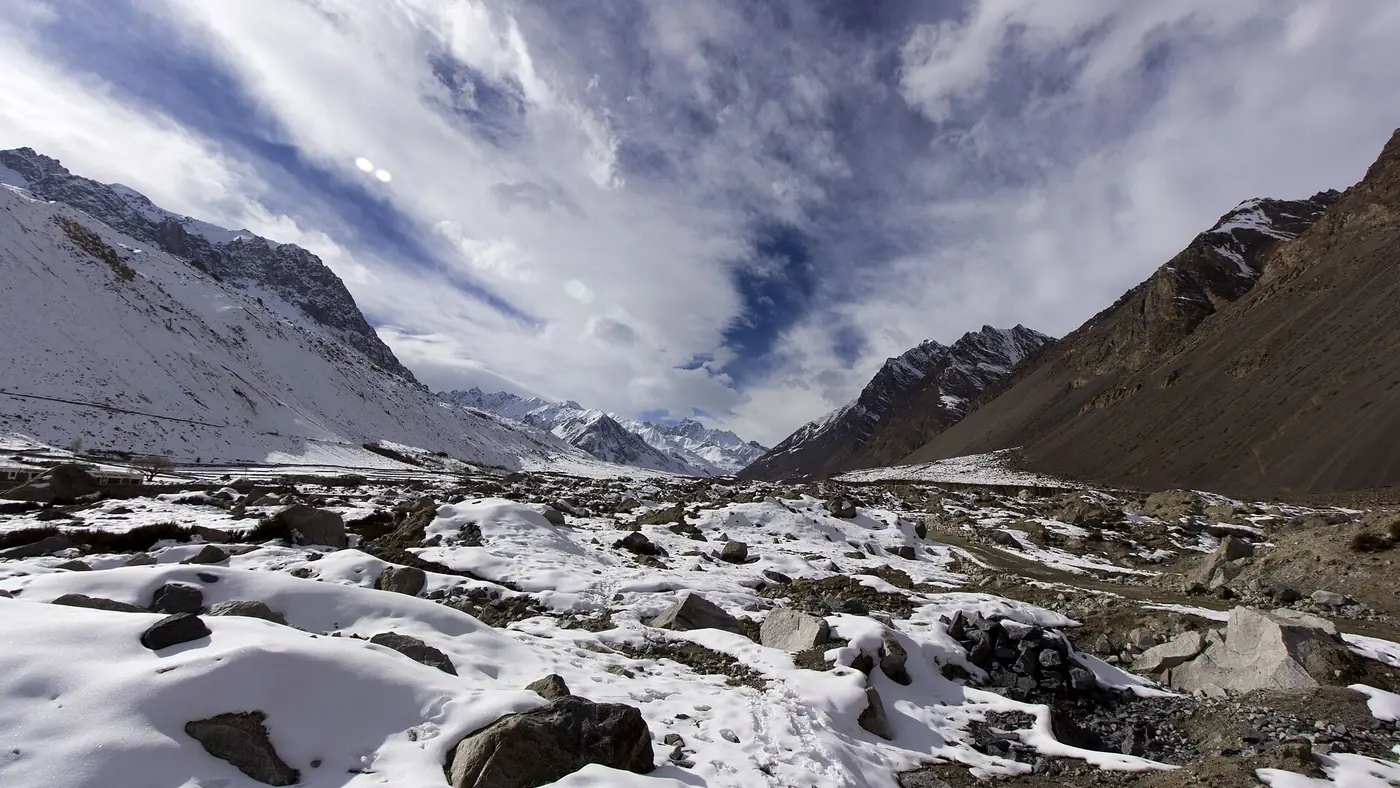
Chipursan is a high, open valley of stony fields, willow and poplar, and summer pastures, with big glaciers coming down the side valleys and peaks of 7,000 metres around the head. It is much higher and barer than central Hunza. The villages sit mostly above 3,000 metres, and winter temperatures in the upper valley fall far below freezing; local reports this year spoke of nights of −30 °C.
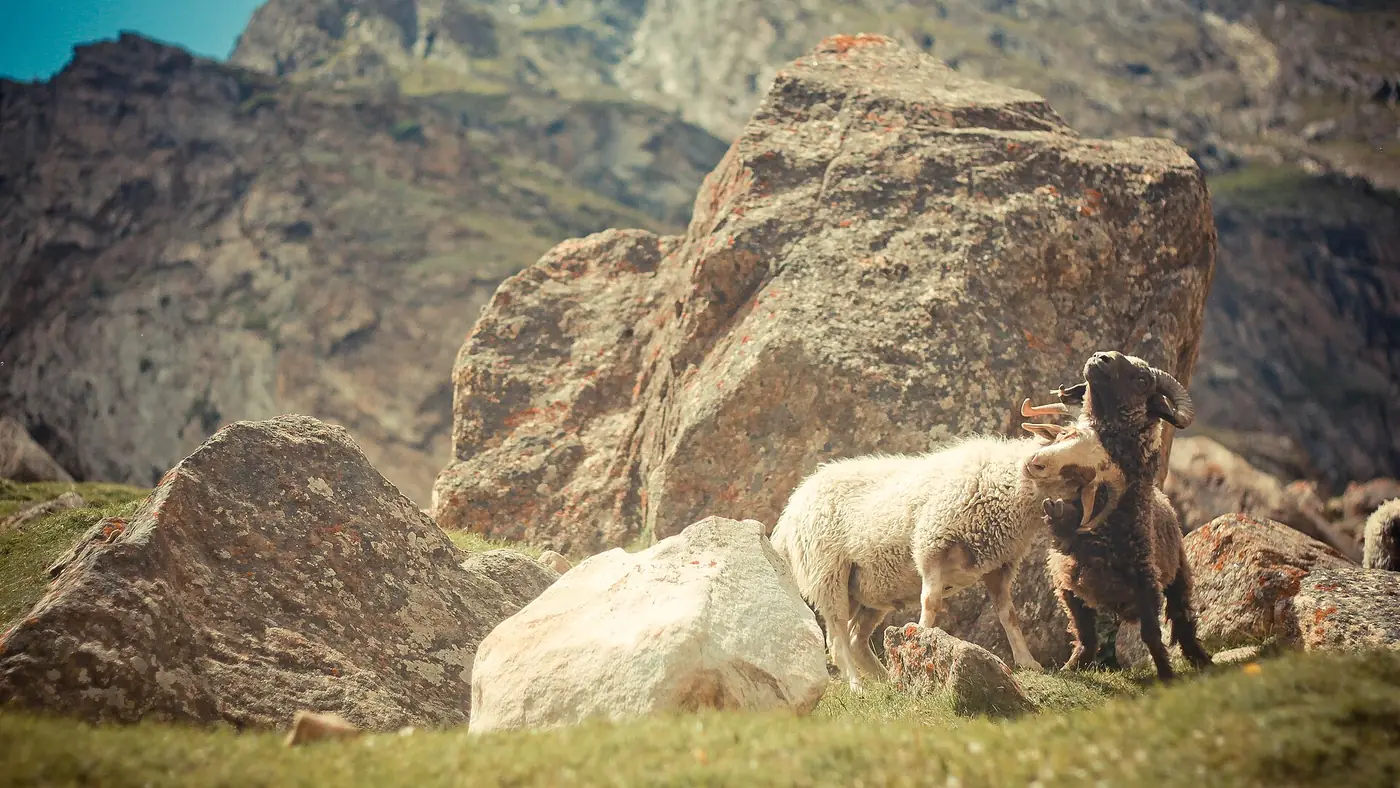
About 3,000 to 3,700 people live in the valley, spread across around a dozen villages. Most are Wakhi, and the place names are all Wakhi; Raminj is the exception, a Burusho village where families speak Burushaski. Life turns on farming, livestock and the summer move to the high pastures, and yaks are still part of it.
It gets very few visitors, and that is the attraction: no cafés, no traffic, just a remote valley at the edge of three countries.
The 2026 earthquake: what visitors need to know
On 19 January 2026 a shallow earthquake of about magnitude 5.6 to 5.8 struck upper Hunza, and Chipursan took the worst of it. Official assessments counted 382 houses fully damaged and 68 partly damaged, with Zood Khun and Shetmerg among the hardest hit. Landslides blocked the road from Sost at several points; it was reopened on an emergency basis within days.
The ground has not settled since. Further shocks in March 2026 brought down more houses, and when the Human Rights Commission of Pakistan visited in August, residents reported more than ten tremors during the team's three-day stay. Community representatives estimate that about nine in ten homes have collapsed or been seriously damaged, and many families have been living in tents with another winter approaching. Tourism, one of the few sources of cash income, has fallen away.
What this means for a trip:
- Confirm before you go. Ask in Sost, or call a family or guesthouse you have a contact for, whether they can host guests. Many homes that took visitors before the earthquake may not be able to now.
- Be ready to be self-sufficient. Carry food, water, warm bedding and fuel for the jeep, and have a plan to camp or return to Sost the same day.
- Keep away from damaged buildings and loose slopes, and don't sleep in a cracked house, however welcoming the offer.
- Behave as a guest in a community in crisis. Spend money locally, pay properly for food and beds, and don't photograph damaged homes or people without asking.
The jeep road from Sost
Sost is the last town on the Karakoram Highway before the Chinese border. The Chipursan road leaves it heading north-west, climbs up the side valley past a registration checkpoint, and follows the river past the villages towards the head of the valley.
It is an unpaved jeep track, cut through a river gorge in places and exposed to rockfall, landslides and floods. Allow three to four hours from Sost to Zood Khun, more if the track has been damaged. A normal car is the wrong vehicle: go by a local jeep with a driver who knows the road, either hired in Sost or on the shared jeeps that run up the valley, which usually leave Sost once or twice a day. Ask at a tea shop or your hotel in Sost for current times and fares.
To reach Sost first, allow about two hours up the Karakoram Highway from Karimabad. Many people spend a night in Gulmit, Passu or Sost so that the jeep leaves early, and combine the trip with the Khunjerab Pass, which is also reached from Sost.
Fill up with fuel and cash in Sost. There is no fuel station or ATM in the valley, and the mobile signal is patchy at best. Our guide to which SIM works in Gilgit-Baltistan explains which networks reach remote valleys.
Villages along the valley
The main villages include Kirmin, Yarzerech, Raminj, Khill, Reshit, Sheresubz, Ispenj and Shetmerg, with summer pasture settlements above them. Zood Khun, at the end of the road, is where most visitors aim for.
Zood Khun is the last village before the border. It is a cluster of stone houses and fields beneath big mountains, with pastures and glaciers within walking distance, and it has been the valley's main base for visitors, with a few family-run guesthouses and homestays. Rooms are simple, electricity is limited, and water can freeze outside summer. In 2026, check first which, if any, are open.
A homestay here means a room in a family home and meals with the family. Agree the price for the room and meals when you arrive.
Baba Ghundi shrine
At the head of the valley, beyond Zood Khun, is the shrine of Baba Ghundi, the Sufi saint remembered locally as the man who brought Islam to Chipursan. It is the valley's main pilgrimage site, visited by devotees from across Gilgit-Baltistan. There is an army checkpoint near the shrine, because of how close it is to the Afghan border, and you will be asked for your ID.
In some years the Baba Ghundi Festival has been held here in summer, with Wakhi music, polo, yak races and buzkashi, and Wakhi people from the Afghan side travelling in across the passes. Dates vary, and it depends on the year, so don't plan a trip around it without confirming it is happening.
Treat the shrine as a place of worship: dress modestly, ask before photographing people, and follow what the custodians tell you. Ask in Zood Khun about the state of the track and the time needed before you set off.
When to go
June to August is the season. The track is at its most reliable, the fields are green, the herds are up in the pastures, and nights are cool rather than bitter. May and September are possible but cold, with a higher chance of snow on the track. From October to April the valley is a hard place to live, let alone visit.
The valley is higher than central Hunza, and Zood Khun is well above Karimabad. Spend a night or two at Gulmit or Passu first, walk slowly for the first day, and see our advice on altitude sickness in Gilgit-Baltistan if anyone in your group has not been this high before.
Permits and checkpoints
Pakistani visitors need only their CNIC for the valley itself, and should expect to register at the checkpoint on the way in. Foreign nationals need their passport and visa, and the rules for areas close to the Afghan border have changed over the years; confirm with the police or the administration in Sost or Gilgit before you set off, especially if you plan to go beyond Baba Ghundi.
Treks to the Irshad (4,963 m) and Chillinji (5,411 m) passes are serious high-altitude routes near an international border, needing a licensed guide and permission arranged in advance.
Is Chipursan worth visiting?
In a normal year, for travellers who want somewhere truly remote and are comfortable with basic rooms, a rough road and no signal, Chipursan is one of the most rewarding places in Hunza. It suits couples, small groups of friends and experienced travellers with a spare two or three days. It does not suit families with young children, anyone uneasy at altitude, or anyone on a tight schedule.
In 2026, think carefully. The road is open, and money spent with local families helps. But you will be arriving in a community that has lost most of its homes, the ground is still moving, and the usual homestays may not be able to host you. If you do go, go self-sufficient and confirm everything first. If you want remote Wakhi country without that uncertainty, Shimshal or the villages around Gulmit and Passu are the alternatives. Our trip planning page can help you fit a remote valley into a longer Hunza itinerary.
Frequently asked questions
Where is Chipursan valley?
In Gojal, upper Hunza, north-west of Sost on the Karakoram Highway. Its head reaches the passes to Afghanistan's Wakhan corridor, close to China.
How do you get to Chipursan from Sost?
By jeep on an unpaved track, about three to four hours to Zood Khun. Shared jeeps run from Sost, and local jeeps with drivers can be hired there.
Can you stay overnight in Chipursan?
Normally, yes: Zood Khun and other villages have simple family guesthouses and homestays. After the January 2026 earthquake many homes were damaged, so confirm with your hosts before you go and carry what you need to be self-sufficient.
Is Chipursan safe after the earthquake?
The road has been reopened, but tremors have continued through 2026 and many buildings are damaged. Keep away from cracked buildings and loose slopes, and check local news and conditions in Sost before driving in.
Do I need a permit for Chipursan?
Pakistani visitors need their CNIC and register at a checkpoint. Foreign nationals should confirm current rules in Sost or Gilgit before going, especially for Baba Ghundi and beyond.