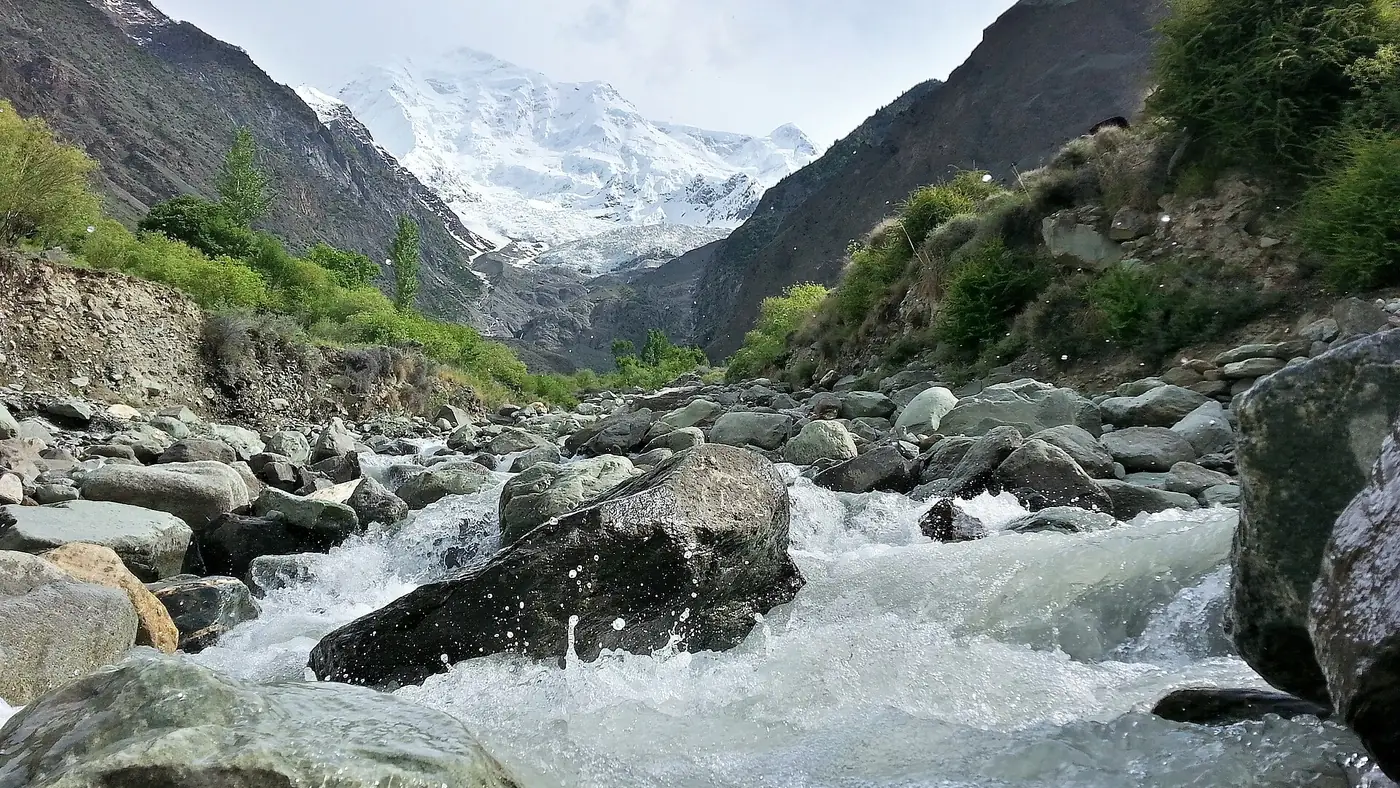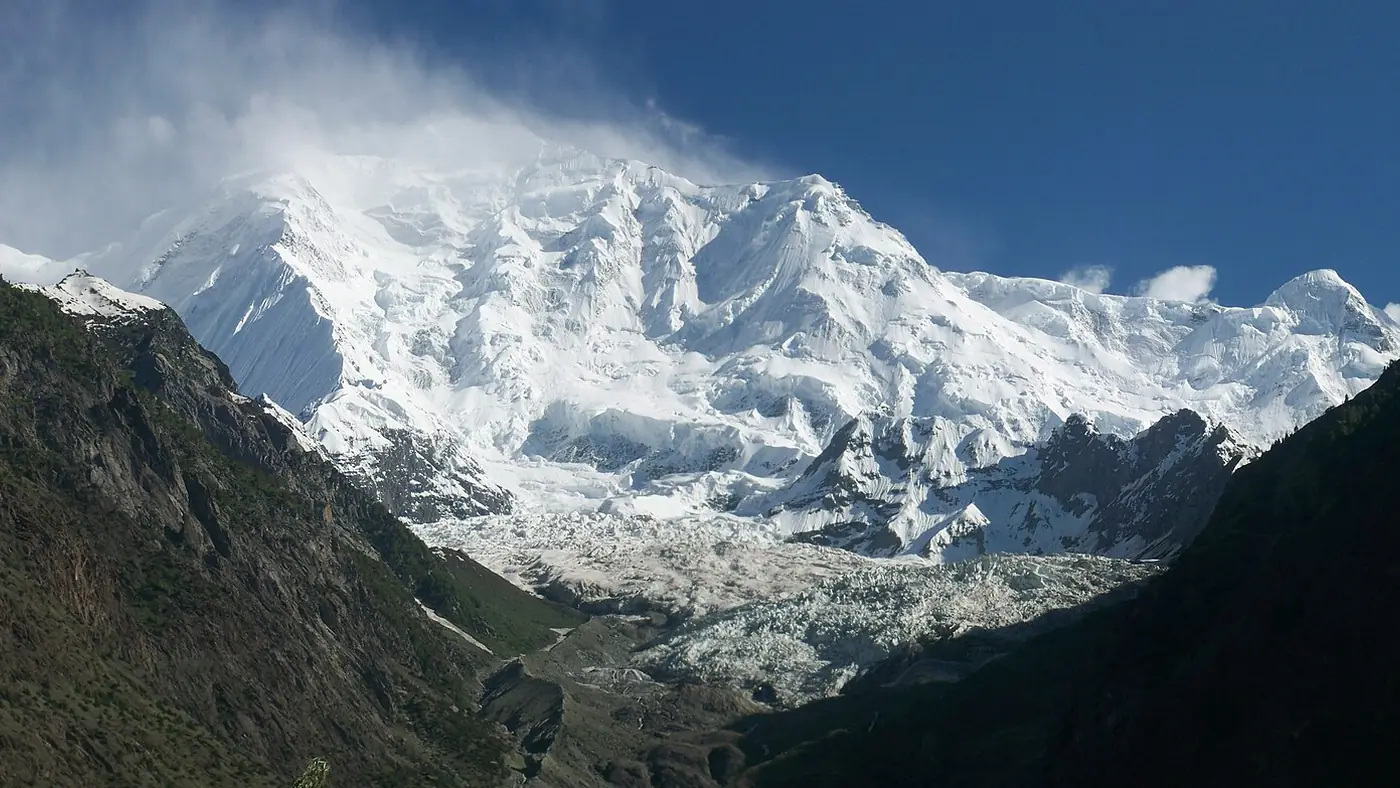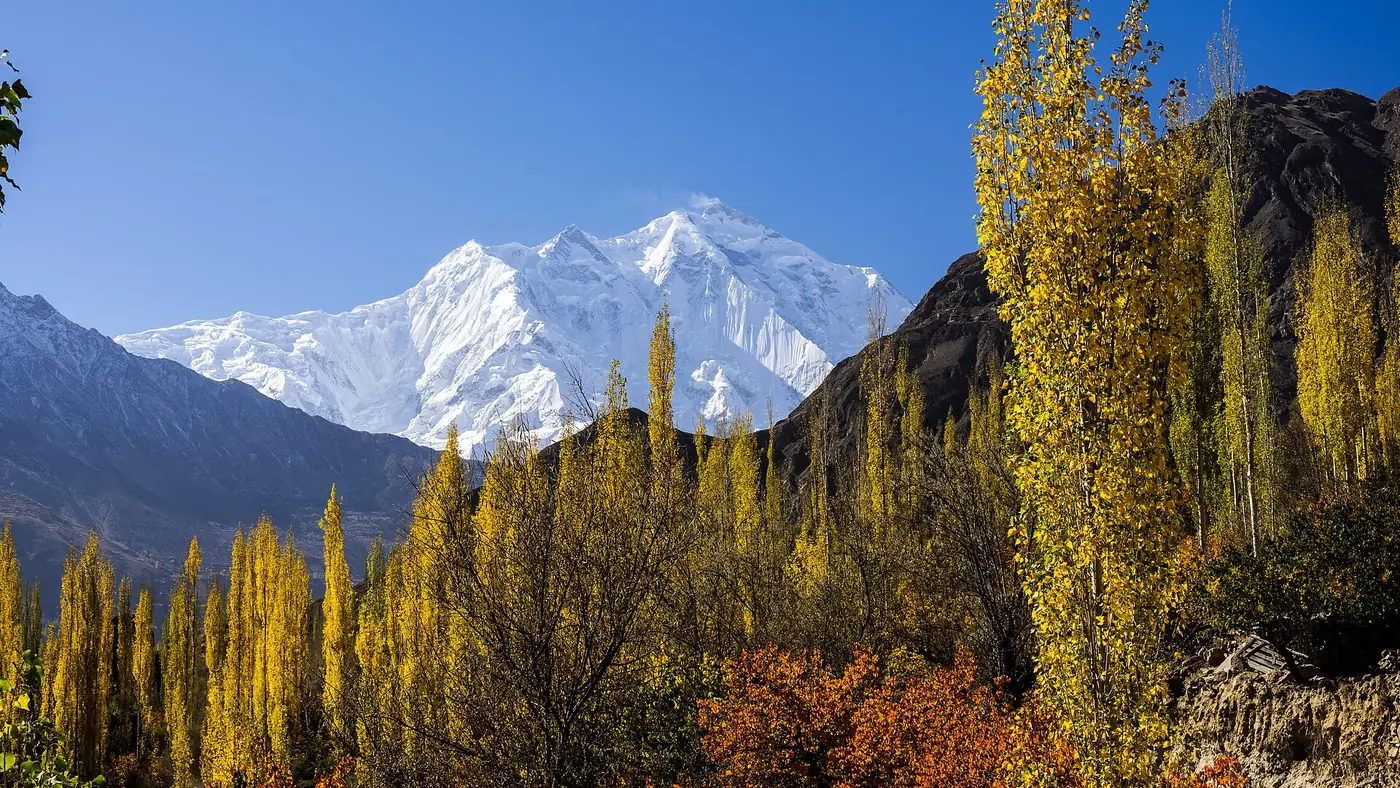
Altitude sickness in Gilgit-Baltistan is a real risk in only a handful of places: the Khunjerab Pass at 4,693 metres, the Deosai plateau at about 4,100, Babusar Top at 4,173, a night at Fairy Meadows at 3,300, and the treks beyond. Gilgit, Skardu and Karimabad, between 1,500 and 2,500 metres, are too low to cause more than mild breathlessness for most people. The rules that prevent trouble are simple: go up gradually, take the first day high gently, and if someone gets worse rather than better, go down.
This guide covers which places are high, what altitude sickness feels like, how to acclimatise on an ordinary family trip, and when to turn round.
| Place | Altitude | What it means |
|---|---|---|
| Chilas | About 1,265 m | No altitude effect; heat is the issue |
| Gilgit | About 1,500 m | No altitude effect |
| Skardu | About 2,230 m | Mild breathlessness on stairs for some |
| Karimabad and Gulmit | About 2,500 m | A good height to acclimatise |
| Naltar lakes | A little over 3,000 m | Day trip; mild symptoms possible |
| Fairy Meadows, Rama | About 3,300 m | Sleeping here is where symptoms often start |
| Shandur Pass | About 3,700 m | Cold, high nights at festival time |
| Deosai plateau | About 4,100 m on average | High; now a day trip for most people |
| Babusar Top | 4,173 m | Brief stop on the drive |
| Khunjerab Pass | 4,693 m | Very high; keep the visit short |
| Concordia, K2 base camp | About 4,600 m and 5,000 m | Trekking altitude; needs a planned ascent |
Which places in Gilgit-Baltistan are high?
Most of a typical trip happens in the valleys, and the valleys are not especially high. What changes things is a day trip or a night that takes you 1,000 to 2,000 metres above where you slept.
There is an important difference between visiting a height and sleeping at it. The body copes much better with a few hours high followed by a night lower down. That is why a day at Khunjerab, driving back to Passu or Karimabad for the night, troubles far fewer people than a first night at Fairy Meadows or a trekking camp.
The places that most often catch visitors out:
- Khunjerab, where you gain more than 2,000 metres from Karimabad in a few hours in a car.
- Deosai, about 2,000 metres above Skardu, reached in around two hours.
- Fairy Meadows, where many people sleep at 3,300 metres the night after sleeping in Chilas, a jump of about 2,000 metres.
- Treks such as K2 base camp, where you spend a week of nights above 4,000 metres.
What altitude sickness feels like
Mild acute mountain sickness (AMS) is common and not dangerous in itself, provided you stop climbing. According to the US Centers for Disease Control and Prevention (CDC), it usually starts 2 to 12 hours after arriving at altitude, often during or after the first night.
The main symptom is a headache, with one or more of:
- loss of appetite or nausea, sometimes vomiting
- dizziness or light-headedness
- unusual tiredness
- poor sleep
Without further climbing, it generally clears within 12 to 48 hours.
Two rarer conditions are emergencies. High-altitude cerebral oedema (HACE) looks like drunkenness: confusion, stumbling, unusual drowsiness. High-altitude pulmonary oedema (HAPE) starts as breathlessness, a cough and far less energy than everyone else, and progresses to breathlessness even at rest. Either one means going down immediately.
Small children can't tell you they have a headache. The CDC lists loss of appetite, irritability and pallor as the signs to watch for in children too young to explain.
Who is most at risk?
Fitness does not protect you; fit young adults who rush uphill are among those who get it. The things that raise the risk are:
- having had altitude sickness before
- going up fast, especially sleeping high on the first night
- hard exertion in the first day or two at altitude
Some people should ask a doctor before going above 3,000 metres at all. The CDC names coronary heart disease, chronic lung disease, obstructive sleep apnoea and sickle cell trait, and advises pregnant women not to sleep above about 3,050 metres. Older parents with any heart or breathing problem belong on that list for a conversation with their doctor before the trip, not for a decision at the checkpoint.
How to acclimatise on a Gilgit-Baltistan trip
The standard medical guidance, published by the CDC and the Wilderness Medical Society, is this: once above 3,000 metres, raise the height you sleep at by no more than 500 metres a day, and add a rest day for every further 1,000 metres. The CDC also notes that two or three nights at around 2,450 to 2,750 metres before going higher gives strong protection.
Hunza and Skardu hand you that for free. Build the trip around it:
- Spend two nights in Karimabad, Gulmit or Skardu before Khunjerab or Deosai. Arriving from Islamabad and going to the pass the next morning is the classic mistake.
- Take the first day high gently. No running, no hurrying up slopes for photographs, and plenty of water.
- Keep high day trips short. An hour at Khunjerab is plenty. On Deosai, walk slowly and spend most of the day near the vehicle.
- At Fairy Meadows, make the first evening quiet. Don't walk to Beyal or the viewpoint on the day you arrive. Our Fairy Meadows itinerary spaces the walks out for this reason.
- Skip alcohol and heavy exercise for the first 48 hours above 3,000 metres.
- On treks, follow the ascent plan, including the rest days. Our K2 base camp trek guide shows how a standard itinerary does it.
Our Gilgit, Hunza and Khunjerab tour is built this way: a night in Gulmit or Passu the evening before the pass, after several nights in the valley.
Medicines: Diamox and the rest
Acetazolamide, sold as Diamox, can prevent altitude sickness and is used by many trekkers. It is a prescription medicine with side effects, and it doesn't suit everyone, so ask your doctor before the trip whether it is right for you and how to take it. Don't start it on a guess at a pharmacy in Gilgit.
For the ordinary headache of the first day, paracetamol or ibuprofen usually helps. What no tablet does is make it safe to keep climbing with symptoms.
When to go down
These rules come straight from the medical guidance and apply to everyone, at any height:
- Never go higher to sleep while you have symptoms, however mild.
- If symptoms get worse despite rest, go down. On a road trip that usually means simply driving back to the valley.
- Going down 300 metres or more usually brings quick improvement, according to the CDC.
- Confusion, stumbling, or breathlessness at rest mean going down now, not in the morning, and getting medical help. Call Rescue 1122, and head for the hospitals in Gilgit or Skardu.
In practice, on Khunjerab or Deosai the answer is almost always to get back in the vehicle and drive down. At Fairy Meadows it means walking down to Tato and taking the jeep to Raikot Bridge, which is far lower. Don't let a pre-paid night or a group plan keep someone sick at height.
Children, older parents and what to do instead
The valleys suit almost everyone. The high day trips don't have to.
If you are travelling with a baby, with an older parent who tires easily, or with anyone who has a heart or lung condition, consider these swaps:
- Passu and the Hussaini bridge instead of Khunjerab. The scenery on the way is most of the pleasure anyway; our Khunjerab Pass guide is frank about that.
- Sadpara Lake, at about 2,600 metres, instead of the whole Deosai crossing. Our Deosai National Park guide covers both.
- A shorter stop at Babusar Top, or Lulusar Lake at 3,410 metres as the turning point.
Our travel guide has more on planning for altitude and weather across the north.
Frequently asked questions
Can you get altitude sickness in Hunza?
Rarely. Karimabad is at about 2,500 metres, where most people feel at most a little breathless. The risk comes on day trips far higher, such as Khunjerab at 4,693 metres.
Is Skardu high enough to cause altitude sickness?
Skardu town, at about 2,230 metres, very rarely causes it. Deosai, about 2,000 metres higher and two hours away, can, so spend a night or two in Skardu first.
Is Khunjerab Pass safe for children?
For healthy children, a short visit is usually fine if they have spent a couple of nights in Hunza first. Keep them warm and still, watch for irritability, nausea or pallor, and drive down if they seem unwell.
Should I take Diamox for Gilgit-Baltistan?
Most road-trip visitors don't need it. Trekkers and anyone who has had altitude sickness before should ask a doctor before the trip; it is a prescription medicine and not for everyone.
What should I do if someone gets altitude sickness at Fairy Meadows?
Rest, fluids and no further climbing. If they get worse, or show confusion, stumbling or breathlessness at rest, walk down to Tato and go down to Raikot Bridge by jeep, and get medical help.