Shimshal valley is a Wakhi village at about 3,100 metres in Gojal, upper Hunza, at the end of a 56 km jeep road that leaves the Karakoram Highway near Passu. The road was finished only in 2003, takes around three to four hours by jeep, and is one of the most exposed in Pakistan, so this is not a trip for your own car. Visitors stay in simple family guesthouses or homestays, and it deserves at least two nights, between June and September.
This guide covers the road and how to travel it, where to stay, what there is to see, the Wakhi life of the village and its high pastures, and who the trip suits.
| At a glance | |
|---|---|
| Where | Gojal, upper Hunza; the road starts near Passu |
| Altitude | About 3,100 m in the village |
| Road | 56 km, unpaved, cut into cliffs above the river |
| Time | About 3 to 4 hours by jeep from Passu |
| Getting there | Shared jeep from Aliabad, or a hired jeep with a local driver |
| Stays | Family-run guesthouses and homestays |
| Best months | June to September |
| Minimum stay | Two nights |
| Cash and fuel | Bring both from Aliabad; no ATM in the valley |
| Signal | Patchy at best |
Where is Shimshal?
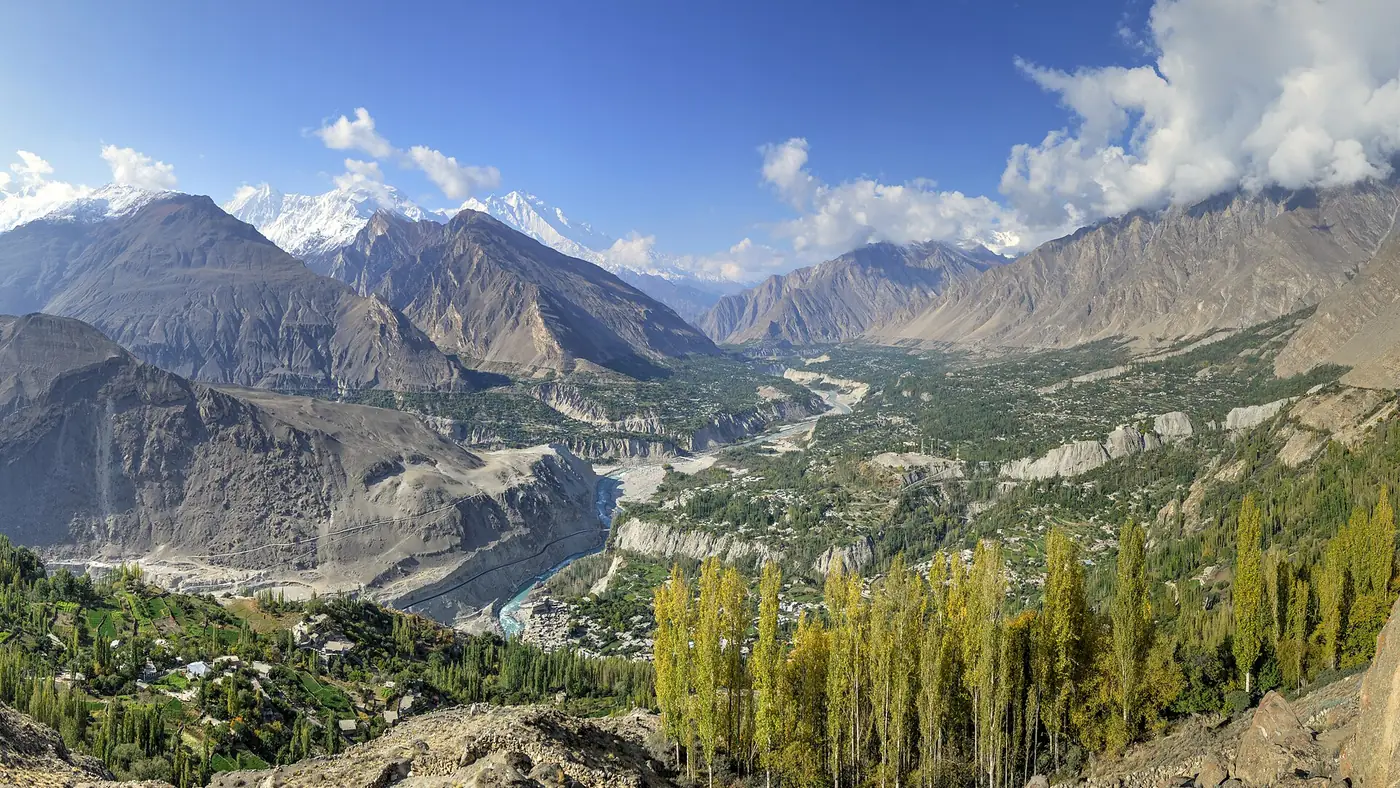
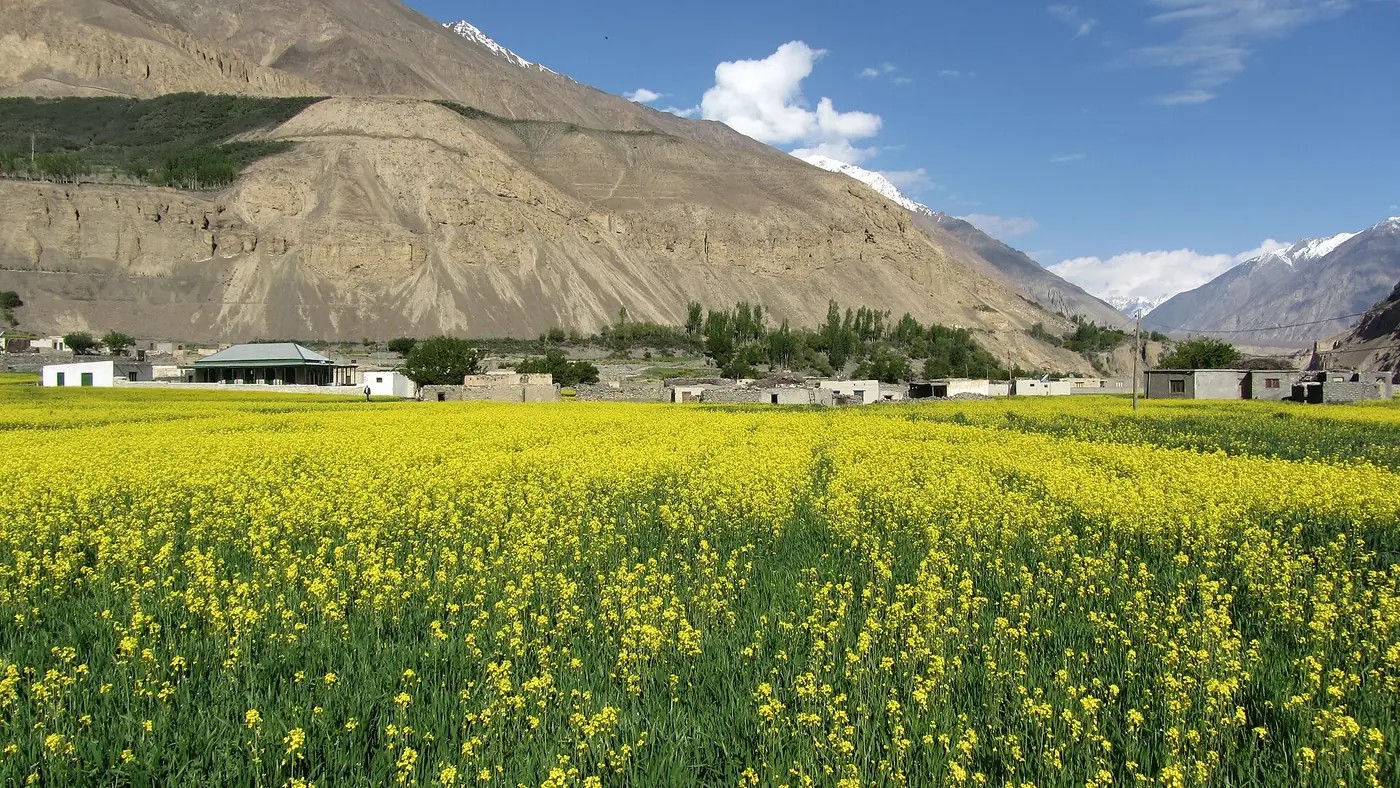
Shimshal lies east of Passu, up the long gorge of the Shimshal river, close to the Chinese border. About 2,000 people live in its settlements of Farmanabad, Aminabad, central Shimshal and Khizarabad, spread across a wide, stony valley floor with fields, willows and glaciers coming down from the side valleys. It is often described as the highest village in Hunza.
The people are Wakhi, Ismaili by faith, and speak Wakhi. Beyond the village, the valley climbs to the Shimshal Pass at 4,735 metres, on the watershed between the Indus and the Tarim basins, and to the high summer pastures known as the Shimshal Pamir.
Until 2003 Shimshal was reached only on foot, a walk of days. The villagers built much of the road themselves, in communal work spread over nearly two decades, and it still shapes everything about a visit.
The jeep road from Passu
The road leaves the Karakoram Highway near Passu, crosses the Hunza river and climbs into the Shimshal gorge. There is a police checkpoint at the start: Pakistanis show their CNIC and foreign nationals their passport, and your details are registered.
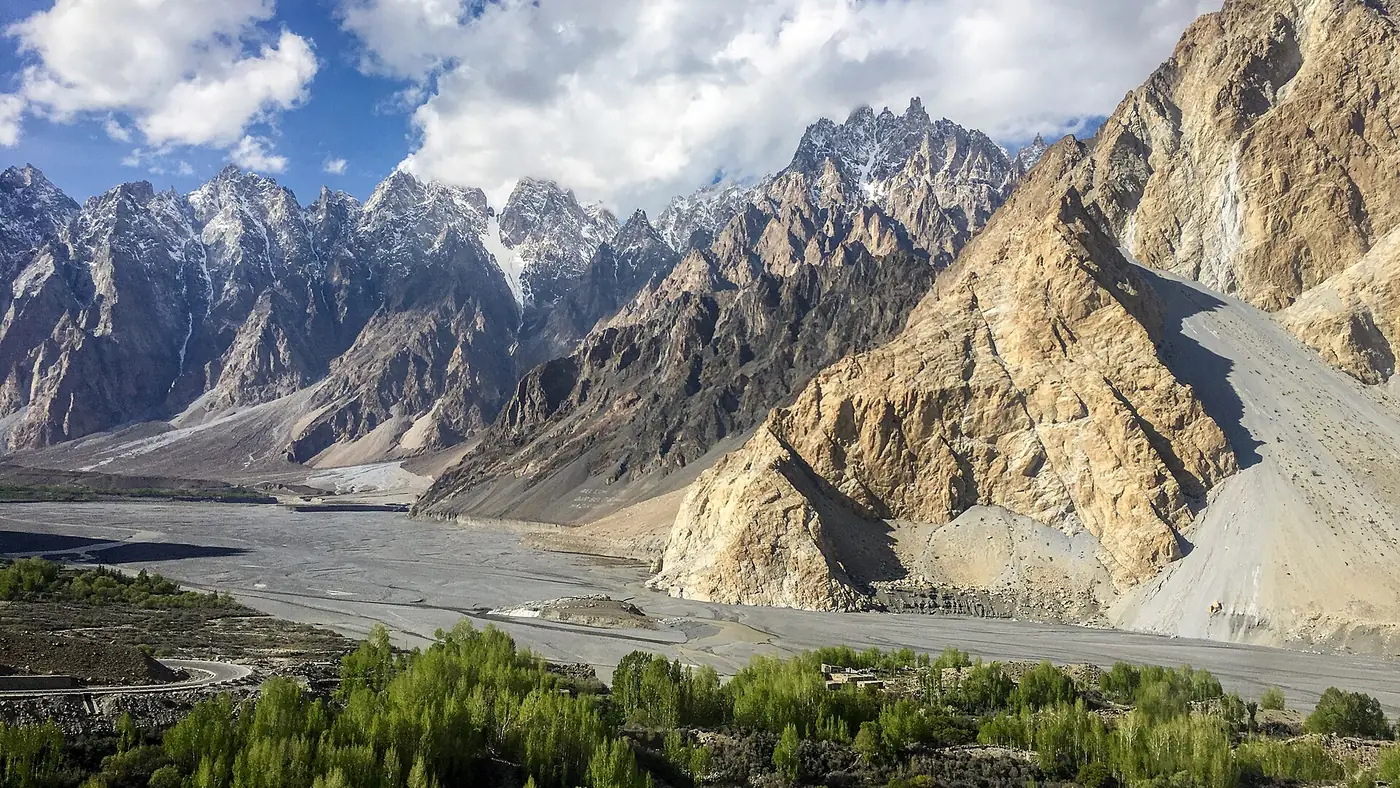
After that it is a single-lane track carved into the gorge walls, with long unfenced drops to the river, loose gravel and sandy stretches, and rockfall after rain. Local drivers run it every day, but it demands full attention, and a normal car is the wrong vehicle. Experienced motorcyclists do ride it on light bikes; nobody should ride or drive it after dark.
Shared jeeps and hired jeeps
- The shared jeep leaves from Aliabad bazaar around midday and picks up along the highway as far as Passu. It is slow, around five hours or more with stops, and cheap: travellers in 2026 reported fares of about PKR 500 to 800 a seat. It usually comes back down very early in the morning. Ask your guesthouse the evening before for the day's time and fare, and to hold you a seat.
- A hired jeep with a local driver from Passu, Gulmit or Karimabad is quicker and lets you stop along the way. It makes sense for a family or a group of three or four. Agree the price, the return day and whether the driver waits in Shimshal before you set off. Our guide to jeep hire in Gilgit-Baltistan covers what to ask.
Where to stay: guesthouses and homestays
Shimshal has a handful of family-run guesthouses in the central village, and families who take guests in their homes. Rooms are simple and clean, with bedding and blankets, and meals are home-cooked Wakhi food with the family or in a shared dining room. In 2026, travellers reported guesthouse rooms at roughly PKR 2,000 to 3,000 a night, with meals on top. Agree the price for the room and meals when you arrive.
Power is mostly solar: nearly every house has panels, so bring a power bank and a head torch. Nights are cold even in summer and freezing from October, so pack a warm layer and, outside high summer, a sleeping bag. Rooms go faster in July and August, so arrange your first night through your hotel in Passu or Gulmit before you go up.
What to see and do
Shimshal is not a place of sights. It is a working mountain village, and the pleasure is in walking through it: fields and water channels, stone houses, herds coming in at dusk, and big peaks all round.
- The village and its fields. Walk slowly between the settlements, along the field edges and water channels.
- The Yazghil glacier. The most popular walk from the village, about three hours to the ice with no guide needed on the main path. Take water and food, and don't walk onto the glacier itself.
- The mountaineering story. Shimshal is famous across Pakistan for its climbers. Samina Baig, the first Pakistani woman to climb Everest and K2, is from here, and the Shimshal Mountaineering School, founded formally in 2009 by Qudrat Ali and Shaheen Baig, trains young men and women from the valley.
- The bigger mountains. The valley sits beneath peaks such as Distaghil Sar, at 7,885 metres, and among large glaciers including the Khurdopin, which surged in 2017 and dammed the Shimshal river behind a lake. Glacier crossings and longer walks need a local guide.
Wakhi life and the Shimshal Pamir
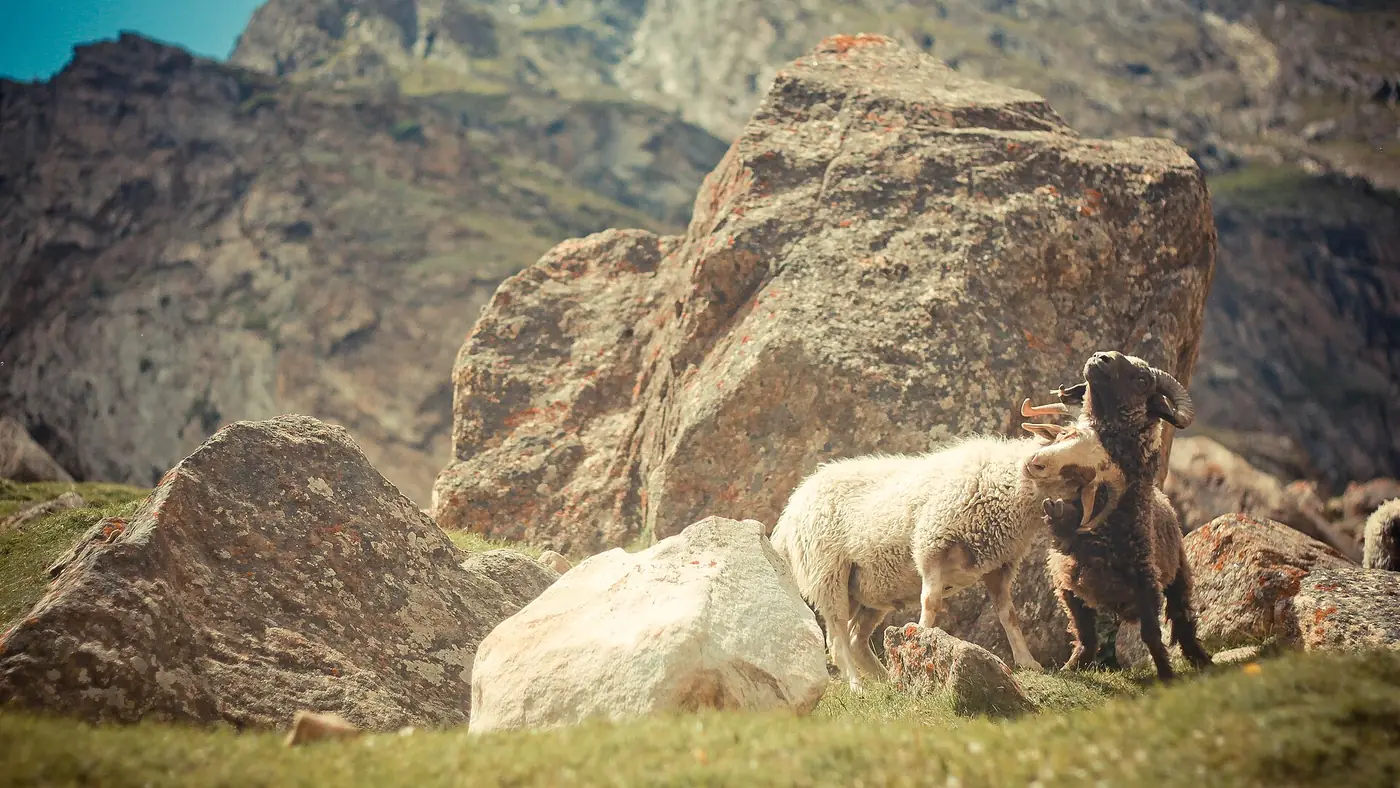
Shimshal's economy rests on its herds. Each year the families move their yaks, sheep and goats up to the high pastures in a migration called the kuch: the herds go up to Shuijerab in mid-May, cross the Shimshal Pass to Shuwert in mid-June, and come back down in mid-October. Much of the herding and dairy work in the pastures is done by women and children. The Shimshal Nature Trust, set up by the community in 1998, manages tourism and conservation on village land.
The pastures around the pass are the Shimshal Pamir, high open grassland with Shimshal Lake, a staging point for migratory birds, close to the pass. Reaching them is a trek of a week or more there and back, with a guide and porters or pack animals. It needs proper acclimatisation, and foreign trekkers need a permit arranged in advance.
In the village, dress modestly, follow your hosts' lead at meals, and ask before photographing anyone, women above all. Pay properly for rooms, food, guides and jeeps: tourism is one of the few sources of cash income here.
When to go
June to September is the season. The road is at its most reliable, the fields are green, and the herds are on the move. July and August are the busiest months, and the likeliest to bring floods on the side streams.
May and early October are possible, with a real chance of cold nights and snow. The road is usually open from mid-May. By late October, water pipes freeze and many guesthouses have little running water. From November to April the road can be blocked by snow for days at a time and most guesthouses close, so a winter visit is not something to plan.
Altitude, signal and supplies
At about 3,100 metres, Shimshal is some 600 metres higher than Karimabad, and you arrive in an afternoon. Spend two or three nights in Hunza before going up, take the first day slowly, and read our advice on altitude sickness in Gilgit-Baltistan if anyone in your group has not been this high.
Withdraw cash in Aliabad and fill the tank before you leave the highway; there is no ATM or fuel station in the valley. Mobile coverage arrived in 2016 but remains patchy, so tell family when to expect you back and don't rely on messaging while you are there.
Is Shimshal worth visiting?
For travellers who want to see how a high Wakhi village lives, and are comfortable with a hard road, simple rooms and cold nights, Shimshal is one of the most rewarding places in Hunza. It suits couples, groups of friends, walkers and anyone with three spare days on a longer trip: one day up, a full day in the valley, and one day down.
It does not suit a short trip, anyone nervous on exposed roads, or families with small children. For Wakhi country without the road, Passu and Gulmit are on the highway; see our guide to things to do in Passu. Chipursan, Gojal's other long side valley, is still recovering from its January 2026 earthquake, as our Chipursan valley guide explains. To fit Shimshal into a wider Hunza trip, use our trip planner; our Gilgit and Hunza page covers the region.
Frequently asked questions
How long does it take to reach Shimshal from Passu?
About three to four hours by jeep for the 56 km road. The shared jeep from Aliabad takes five hours or more, because it stops along the way.
Can a normal car go to Shimshal?
No. The road is an unpaved, single-lane track cut into the gorge walls, with long drops and loose surfaces. Go by jeep with a local driver.
Where do tourists stay in Shimshal?
In small family-run guesthouses and homestays in the central village, with meals included or charged separately. Rooms are simple and nights are cold, so bring warm layers.
Do I need a permit to visit Shimshal?
Pakistani visitors show their CNIC at the police checkpoint at the start of the road, and foreign nationals their passport. Treks towards the Shimshal Pass and the Pamir need a permit for foreign nationals, arranged in advance.
What is Shimshal famous for?
Its mountaineers, including Samina Baig, the first Pakistani woman to climb Everest and K2, and its Wakhi herders, who still move their yaks to the high Pamir pastures every summer.