The best things to do in Gulmit are to walk through the old Wakhi village, climb the Ondra Poygah staircase to the ruined fort above the town for a view down Attabad Lake, see the polo ground and the Mir's old summer palace, and spend an hour in the small cultural museum. Add the walk to the Ghulkin glacier or Borith Lake and a Wakhi lunch, and Gulmit easily fills a day. A night here also shortens the drive to Khunjerab.
Gulmit is the main town of Gojal, upper Hunza, about 35 km north of Karimabad beyond the Attabad tunnels. It is quieter than Karimabad, and most visitors drive straight through it. This guide covers what to see, how long each part takes, and whether it is worth a night.
| At a glance | |
|---|---|
| Altitude | 2,465 m |
| From Karimabad | About 35 km, 45 minutes to an hour |
| Language | Wakhi |
| The big walk | Ondra Poygah: 1,655 steps, about an hour up |
| Time needed | Half a day for the village; a night to walk early |
| Best months | April to October |
| Good for | Walkers, couples, a quiet base for Khunjerab |
Why stop in Gulmit?
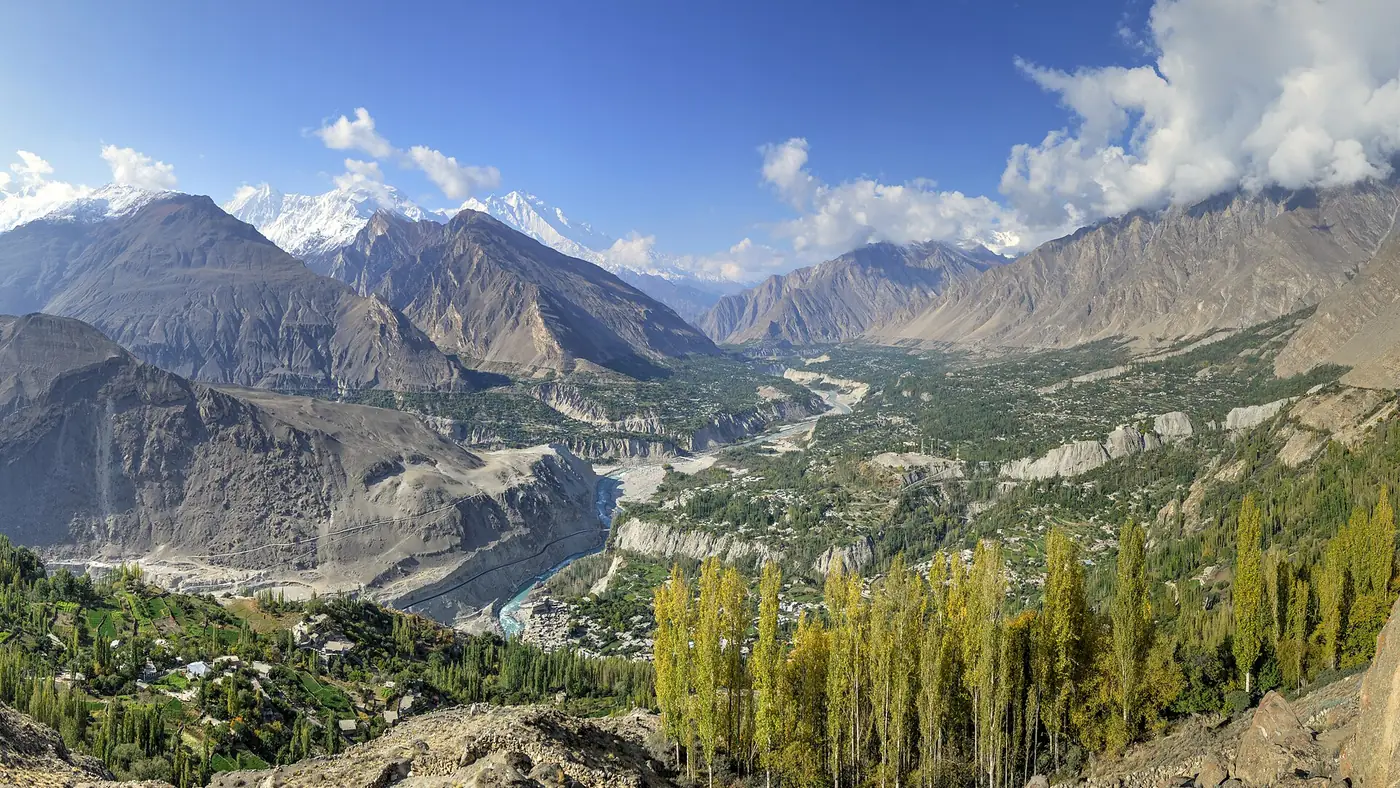
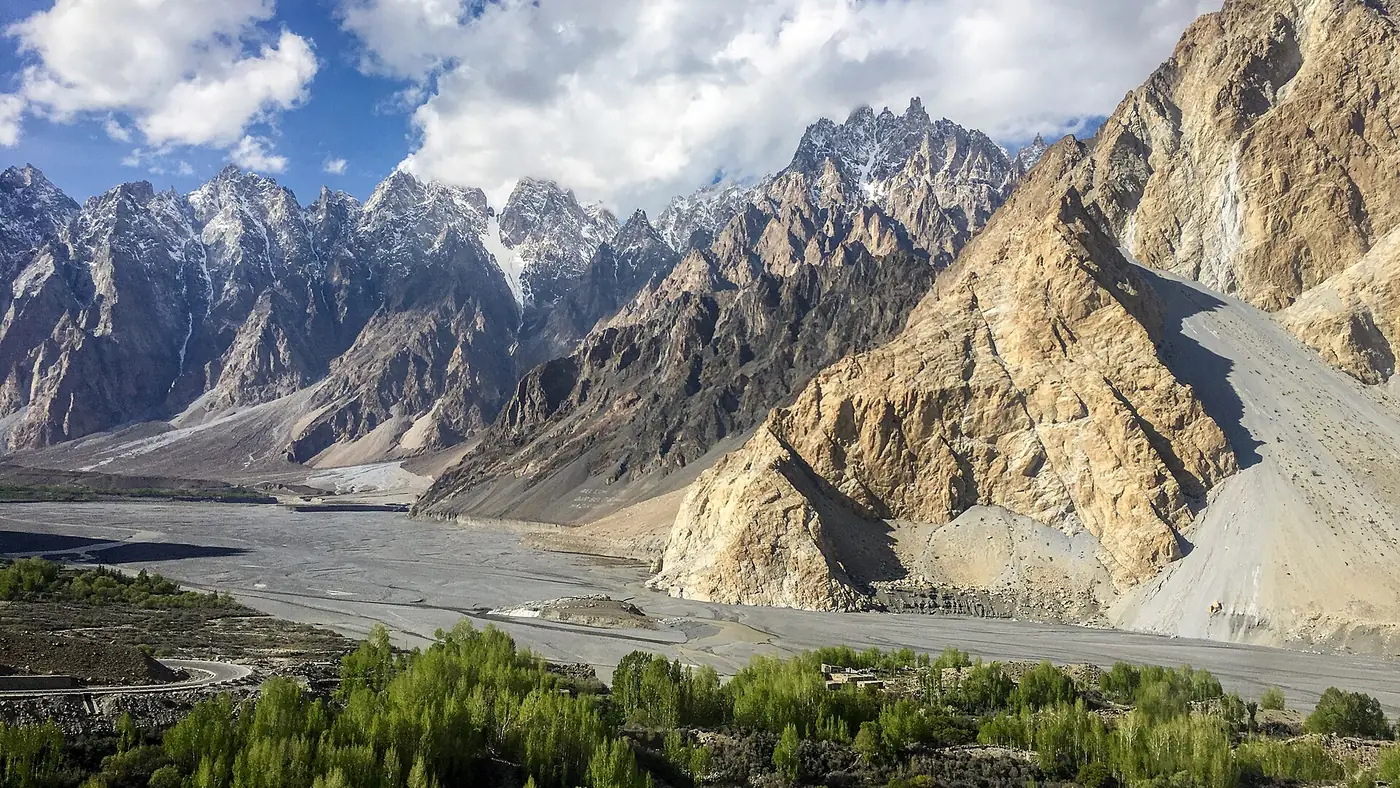
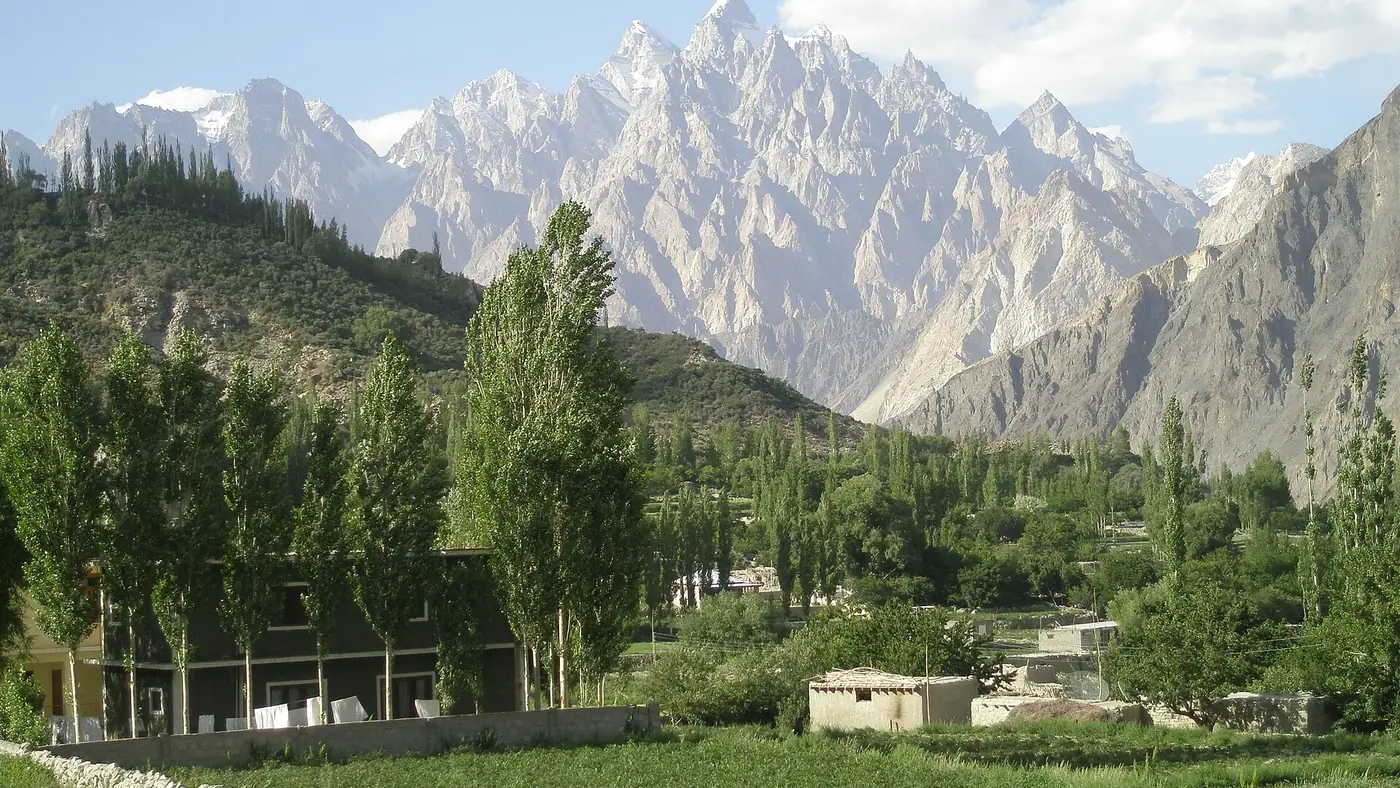
Gulmit was the summer residence of the Mirs of Hunza until the princely state was abolished in 1974. It sits on a broad fan of fields and orchards above the Hunza river, with the Passu Cones visible up the valley to the north and the long northern arm of Attabad Lake just below.
The people here are Wakhi, like most of Gojal, and speak Wakhi rather than the Burushaski of central Hunza. The difference shows in small ways: the houses, the food, the greetings. Gulmit is where most visitors get their first proper look at Wakhi village life, because it is big enough to have hotels and cafés and small enough to walk around in a morning.
Walk through the old village
The old part of Gulmit lies above the highway, a knot of stone and timber houses, lanes and water channels among the apricot and walnut trees. Walk up from the polo ground and wander; there is no set route.
Two places are worth looking out for:
- The Old Gulmit House. One of the oldest surviving houses in the village, several centuries old, kept as a small museum. Inside you see the traditional plan of a Wakhi home: one main room around a central hearth, with raised platforms for sitting and sleeping.
- The carpet centre. Next to the old house, women from the village weave carpets from sheep, goat and yak wool on hand looms. You can watch the work and buy a small rug or runner to take home.
Walk slowly and ask before photographing people or going into courtyards. These are family homes, not a heritage park.
Climb the Ondra Poygah to Ondra Fort
The Ondra Poygah is a stone staircase of 1,655 steps that climbs the hill behind Gulmit to the ruins of Ondra Fort. Poygah means stairs in Wakhi. The community built it in about 60 days over the winter of 2020–21, and it is often described as the longest staircase in Pakistan.
The climb starts from the old polo ground and goes up through the village. Fit walkers reach the top in about 45 minutes; most people take an hour or a little more, with stops. It is steep but not technical, and the steps make the footing easy.
At the top are the crumbling walls and watchtowers of Ondra, a fortified settlement thought to date from the 16th century. The reason to go is the view: Attabad Lake stretching south towards Shishkat, the Passu Cones to the north, the Ghulkin glacier, and the whole of lower Gojal laid out below.
- Go early or late. Midday in summer is hot work.
- Carry water. There is nothing at the top.
- Come down by Kamaris if you want a gentler descent. A less steep path runs through the neighbouring village of Kamaris and back to Gulmit.
The polo ground and the Mir's summer palace
Gulmit's historic polo ground, a long open field in the middle of the village, is where the Ondra Poygah begins. The Mir's old summer palace stands at its northern edge, a reminder of the years when the court moved up from Baltit for the warm months.
There is little to do here in itself, but it is the natural centre of the village and the place to start any walk.
The Gulmit Cultural Museum
The small museum in Gulmit was set up in the 1980s by Raja Bahadur Khan, and it sits at the Hunza Marco Polo Inn. It holds a collection of everyday and ceremonial objects from upper Hunza: traditional dress, cooking pots and utensils, tools and old weapons.
It is modest and old-fashioned, and there are no fixed published hours, so ask at the inn. Give it half an hour. It is most interesting after a walk through the village, when you have seen the kind of houses these objects came from.
See Attabad Lake from the Gulmit end
Most people see Attabad Lake from the busy landing at its southern end. Gulmit sits at the other end, where the lake narrows between Shishkat and the town, and the view here is calmer, with the Gojal mountains rising straight out of the water. When the lake formed in 2010 it flooded parts of Shishkat and Gulmit.
Autumn is the best time for this view, when the poplars turn yellow in late October, and the Ondra Poygah gives the widest view of all. Our Attabad Lake guide covers the boats and viewpoints at the southern end.
Walks from Gulmit
Gulmit is a good base for walking, with more routes than most visitors have time for:
- Kamaris: about an hour each way to the neighbouring village above Gulmit, through fields and orchards.
- The Ghulkin glacier: the glacier comes down almost to the highway just north of the town. A short walk takes you to the edge of the ice.
- To Borith Lake: two to three hours across the snout of the Ghulkin glacier to the brackish lake above Hussaini. Take a local guide for the glacier crossing, and have a car meet you at the lake. Our Borith Lake guide covers the lake and the walk on to the Passu glacier.
- A village loop: a full day linking Ghulkin, the glacier, Kamaris and Ondra, back down the staircase into Gulmit.
Eating and sleeping in Gulmit
Food. Most hotels and guesthouses cook for their guests. For Wakhi food, Bozlanj Café, run by women from the village, serves local dishes such as gyal, a thin layered bread eaten with apricot oil or butter, and ghilmindi, flatbread filled with a mix of cheese and herbs. Local dishes are usually made to order, so allow time.
Rooms. The Hunza Marco Polo Inn, open since 1986, is the old established hotel near the museum. The Silk Route Lodge sits just off the highway near the river, with gardens and a view of the Passu Cones. There are also smaller hotels and guesthouses around the village. Not all of them stay open through the winter, so check before planning a cold-season night.
Our guide to where to stay in Hunza compares Gulmit with Karimabad, Aliabad and Passu as a base.
Practical things to know
- Cash. There is a National Bank branch with an ATM in Gulmit, but foreign cards are reported not to work in it, and machines in Gojal can run dry. Bring cash from Aliabad.
- The road can close in summer. The streams that cross the Karakoram Highway near Gulmit flood when the glaciers melt fastest. In August 2025 a flood buried the bridge at Gulmit and closed the highway, and in August 2026 water from Juchar Nallah blocked the road again for a time. Keep a spare day in any July or August trip.
- Dress modestly in the village, and ask before photographing women.
Is Gulmit worth a night?
Yes, if you have four or more days in Hunza. A night in Gulmit turns upper Hunza from a drive into a place: you can climb Ondra in the cool of the morning, walk to Borith in the afternoon, and start for Khunjerab an hour closer than from Karimabad. Our guide to the drive from Hunza to Khunjerab Pass covers that day.
If you only have two days, a couple of hours in Gulmit on the way to Passu is enough: the old village, a look at the lake, and lunch. It does not have Karimabad's forts or its choice of restaurants, and families who want everything within walking distance may find it too quiet.
For more on the region, see our Gilgit and Hunza page. Our nine-day Gilgit, Hunza and Khunjerab tour includes a night in Gulmit or Passu before the pass.
Frequently asked questions
How far is Gulmit from Karimabad?
About 35 km, or 45 minutes to an hour by car, through the Attabad Lake tunnels. It is an easy day trip, and a good place to spend a night on the way to Passu and Khunjerab.
How long does it take to climb the Ondra Poygah?
Most people take about an hour to climb the 1,655 steps from the polo ground to Ondra Fort, and fit walkers can do it in 45 minutes. Go in the morning or late afternoon, and carry water.
What language do people speak in Gulmit?
Wakhi, like most of Gojal. Many people also speak Urdu and English, and hotel staff are used to visitors.
Is Gulmit better than Karimabad to stay in?
Gulmit is quieter and closer to Passu, Borith Lake and Khunjerab. Karimabad has the forts, more restaurants and more choice of rooms, so it is the better base for a first short visit.
What is Gulmit famous for?
It was the summer residence of the Mirs of Hunza, and it is known for its old Wakhi village, the Ondra Poygah staircase, its carpet weaving and its view of the northern end of Attabad Lake.