Borith Lake is a small, brackish lake at about 2,600 metres above the village of Hussaini in Gojal, upper Hunza, roughly an hour's drive north of Karimabad. You reach it by a 2 km side road that leaves the Karakoram Highway at Hussaini, or on foot from Gulmit in two to three hours across the snout of the Ghulkin glacier. It is quiet, it draws migrating ducks in spring and autumn, and it is the starting point for the walk to the best viewpoint over the Passu glacier.
Most visitors give it an hour on the way to Passu. This guide covers the road and the walking routes, what the lake is actually like, the birds, the walks beyond it, and whether a night there is worth it.
| At a glance | |
|---|---|
| Altitude | About 2,600 m |
| Where | Above Hussaini, between the Ghulkin and Passu glaciers |
| From Karimabad | About 40 km, roughly an hour |
| By road | 2 km side road from the highway at Hussaini |
| On foot | 2 to 3 hours from Gulmit over the Ghulkin glacier |
| Migratory ducks | Roughly March to June, and again September to November |
| Best months to visit | April to October |
| Time needed | An hour for the lake; half a day with the glacier walk |
Where is Borith Lake?
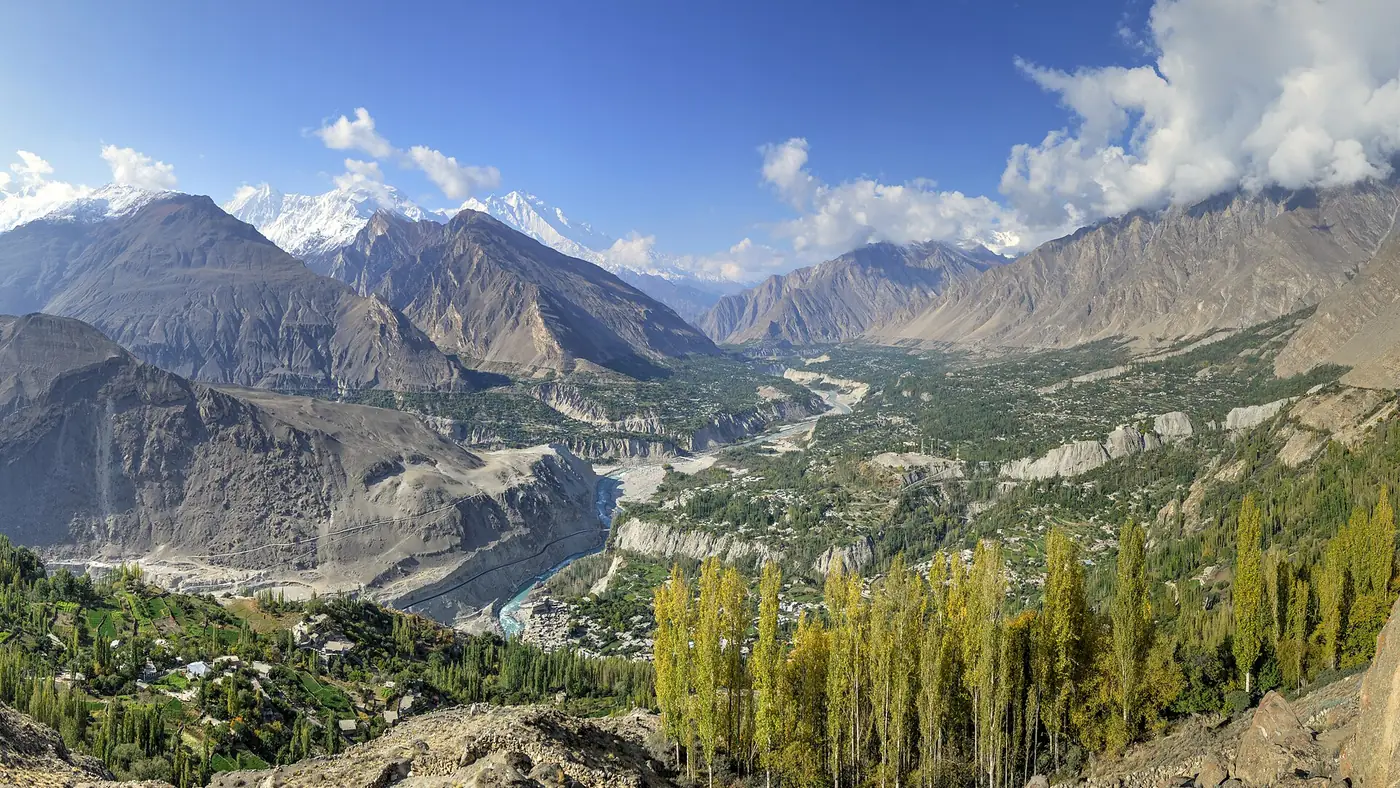
Borith sits on a shelf of land above the Hunza river in Gojal, the Wakhi-speaking upper part of Hunza that begins at Attabad Lake. The Ghulkin glacier lies to its south and the Passu glacier to its north, and the lake is fed by their meltwater.
Driving north from Karimabad, you pass Attabad Lake and its tunnels, then Gulmit, Ghulkin and Hussaini. The turning for the lake is at Hussaini, a few kilometres short of Passu and close to the famous Hussaini suspension bridge. That makes Borith an easy addition to a day spent in Gojal, and a very short detour if you are staying in Gulmit or Passu.
How to get to Borith Lake
By car or jeep from Hussaini
The side road leaves the Karakoram Highway at Hussaini and climbs about 2 km to the lake. It used to be a rough dirt track that most people tackled in a local jeep; recent travellers report that it is now paved, and an ordinary car manages it in dry weather. It is steep and narrow, so take it slowly, and give way to anything coming down.
From Karimabad, allow about an hour to Hussaini and a few minutes more up to the lake. If you would rather not take your own car up, drivers in Gulmit and Passu, and most hotels in Karimabad, can arrange a jeep for the half day.
On foot from Hussaini
The same 2 km can be walked in well under an hour, uphill all the way. It is a pleasant way to arrive if you are staying in Hussaini, Gulmit or Passu.
On foot from Gulmit over the Ghulkin glacier
The more rewarding way in is the walk from Gulmit, which takes two to three hours and crosses the lower end of the Ghulkin glacier. The lower ice is covered in grey rubble, and the route across it shifts from year to year as the glacier moves.
Take a local guide for this one. The path over the moraine is not always obvious, the footing is loose, and the streams off the glacier rise through the afternoon in summer. Start in the morning, and arrange a car to meet you at Borith so you are not walking back the same way.
What is Borith Lake like?
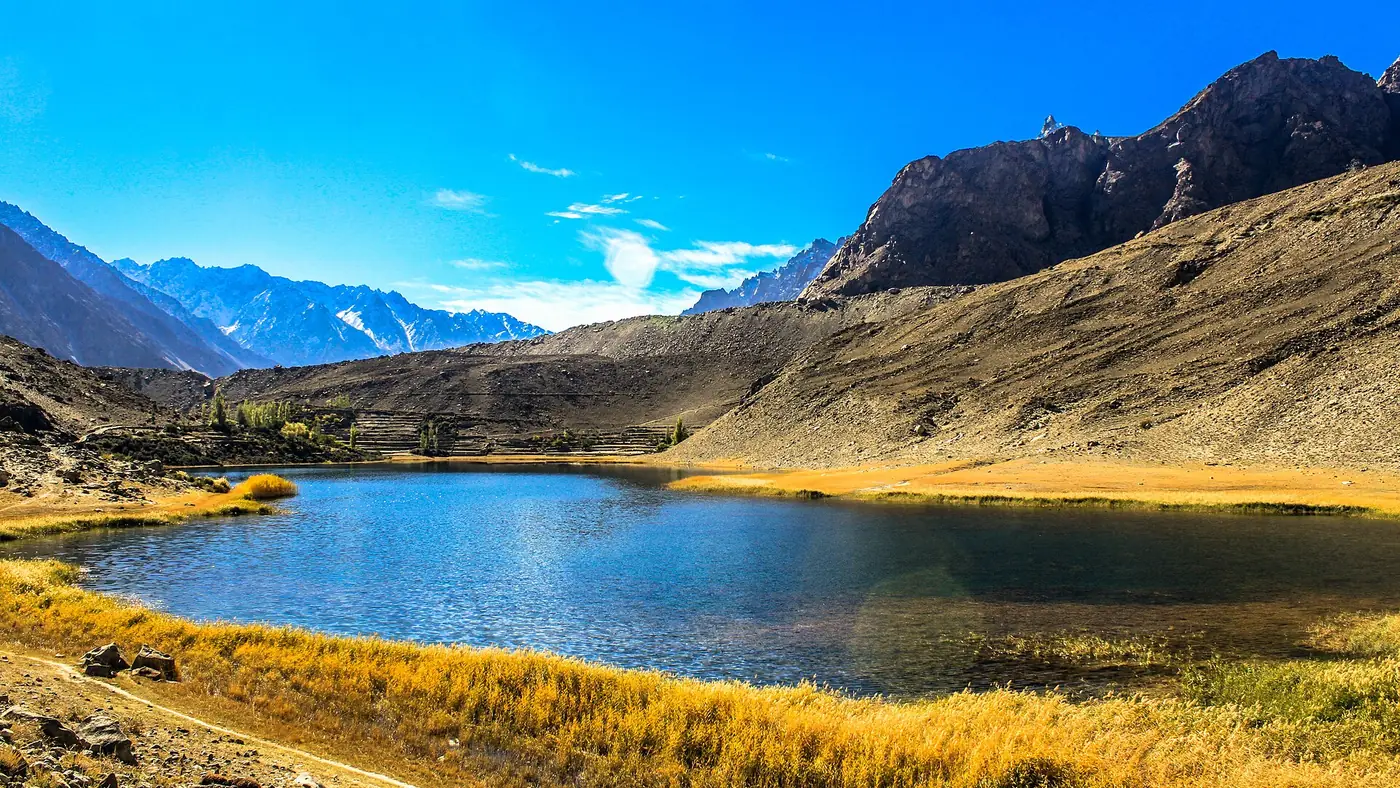
Set your expectations before you go. Borith is not a deep blue lake like Attabad. It is a green-blue lake in a bowl of dry brown hills, with a handful of houses and hotels along its shore and glaciers on two sides. The water is brackish rather than fresh.
What it has is space and quiet. After the crowds at the Attabad landing it feels like a different valley, and in the early morning, with the wind down, the surrounding peaks reflect in the water. It is a place to sit with a cup of tea, walk along the shore and listen to the ducks, not a place for boat rides and jet skis.
Birds at Borith Lake
Borith is a resting place for migrating waterfowl, mostly ducks. They pass through on their way north from the warmer south of Pakistan between roughly March and June, and come back through on their way south between September and November, as the first cold reaches the high valleys.
- For birds, come in spring or autumn, and early in the morning, when the lake is calm and nobody else is about.
- Bring binoculars. The birds keep to the far side of the water if people are on the near shore.
- Keep your distance. Don't throw stones, chase the birds for photographs or fly a drone over the water. They are resting on a long journey.
In high summer there are fewer ducks, though you will still see some, along with the smaller birds of the surrounding fields.
Walks from the lake
Borith is best used as a starting point. Several walks begin at the lake:
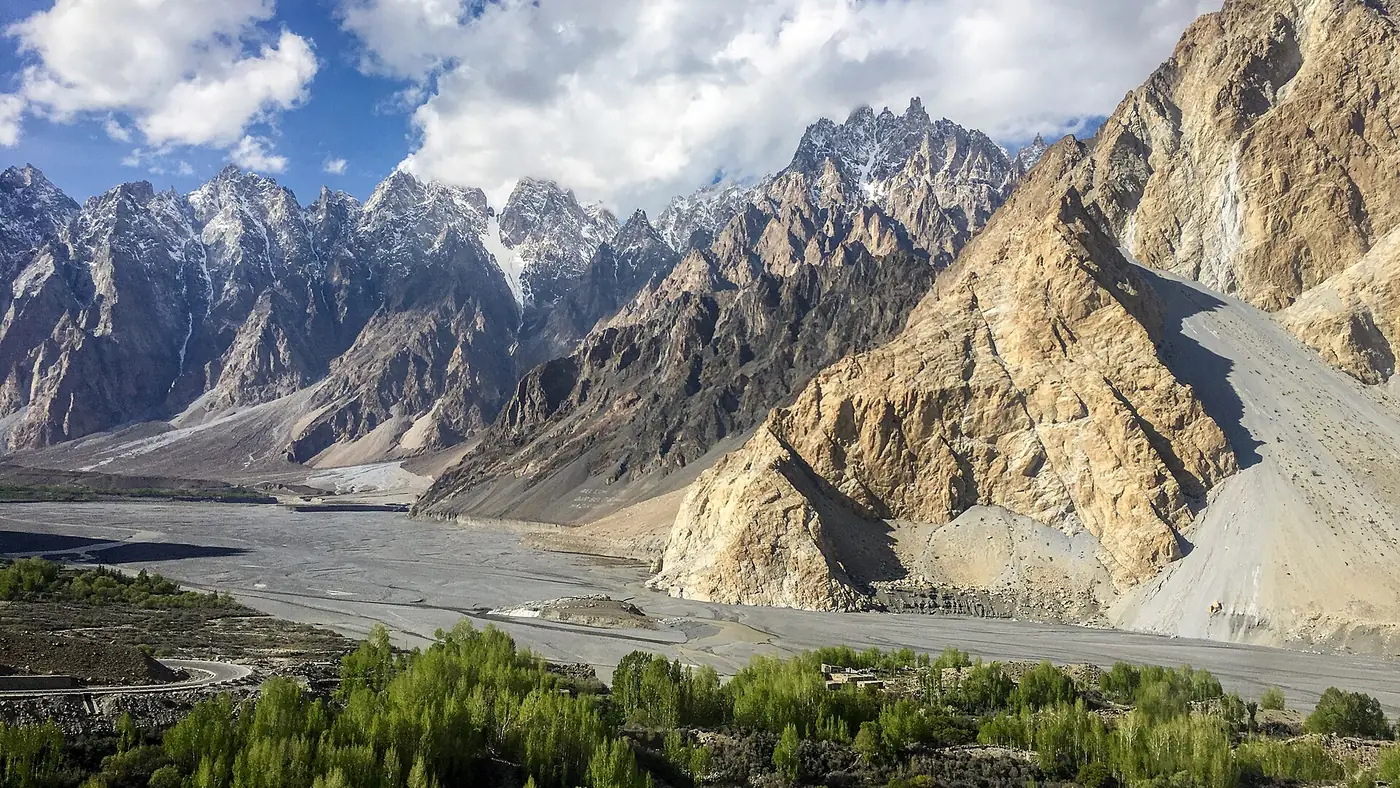
- The Passu glacier viewpoint. The classic walk from Borith follows a jeep track and then a path up onto the ridge above the Passu glacier, for a view straight down onto its white, broken ice. Allow one and a half to two hours each way to the main viewpoint, so about half a day in all, with steady climbing. Wear proper shoes, carry water, and stay back from the edge of the moraine, which is loose.
- The Ghulkin glacier. A shorter outing of a couple of hours there and back, to the edge of the ice south of the lake.
- Patundas. For experienced walkers, a multi-day trek climbs beside the Passu glacier to the high pastures of Patundas, with views over the Passu and Batura glaciers. It needs a guide, camping gear and proper acclimatisation, and it is a trip in its own right rather than an add-on.
If the Passu glacier is your main interest, there is also an easy walk to its snout from Passu village itself. Our guide to things to do in Passu covers that route and the suspension bridges nearby.
Staying the night at Borith
A handful of small hotels and guesthouses stand on or near the shore. One established option is the family-owned Borith Lake Hotel & Resort, with rooms facing the lake, a restaurant serving local and Pakistani food, and hosts who can arrange guides for the glacier walks.
A night at Borith makes sense if you want the lake at dawn and dusk, when it is at its calmest, or an early start on the Passu glacier walk. The nights are dark and very quiet, which is good for stars. Against that, you are dependent on the hotel for meals, and there is little to do after dark.
Most people are better off basing themselves in Gulmit or Passu and driving up for a few hours; both are ten to fifteen minutes away. Our guide to things to do in Gulmit covers the village and its walks, and where to stay in Hunza compares the bases across the valley.
When to go
- April and May: blossom in the Gojal villages below, cold nights, and the spring duck passage.
- June to August: the easiest months for walking and the road; fewer ducks, and the glacier streams run high in the afternoon.
- September to November: clear air, autumn colour in the villages, and the ducks coming back through. By November it is cold at night.
- December to March: the lake is quiet and bitterly cold, and the side road can be blocked for days after heavy snow. Check in Gulmit or Passu before driving up.
Is Borith Lake worth the detour?
Yes, if you are already driving up to Passu, since it costs an hour at most. It is worth more of your time if you like walking, birds or quiet: a half day with the Passu glacier walk is one of the best short outings in upper Hunza.
It is not worth a special trip if what you want is colour and activity on the water. For that, Attabad is the lake to see, and our Attabad Lake guide covers the boats and the viewpoints.
For a wider view of the region, see our Gilgit and Hunza page. Our nine-day Gilgit, Hunza and Khunjerab tour spends a night in Gulmit or Passu, which puts Borith within easy reach.
Frequently asked questions
How do you get to Borith Lake?
Turn off the Karakoram Highway at Hussaini, just south of Passu, and follow the 2 km side road up to the lake. You can also walk from Gulmit across the Ghulkin glacier in two to three hours, ideally with a local guide.
Can a normal car go to Borith Lake?
Recent travellers report that the short road up from Hussaini is now paved, and an ordinary car can manage it in dry weather. It is steep and narrow, so drive it slowly, and ask locally after rain or snow.
How high is Borith Lake?
About 2,600 metres, slightly higher than Karimabad and Gulmit. Most people feel no effect from the altitude here.
When can you see birds at Borith Lake?
Migrating ducks pass through from roughly March to June on their way north, and from September to November on their way south. Early morning is the best time to see them.
How long should I spend at Borith Lake?
An hour is enough to see the lake. Allow half a day if you want to walk to the Passu glacier viewpoint, or stay the night for the lake at dawn.