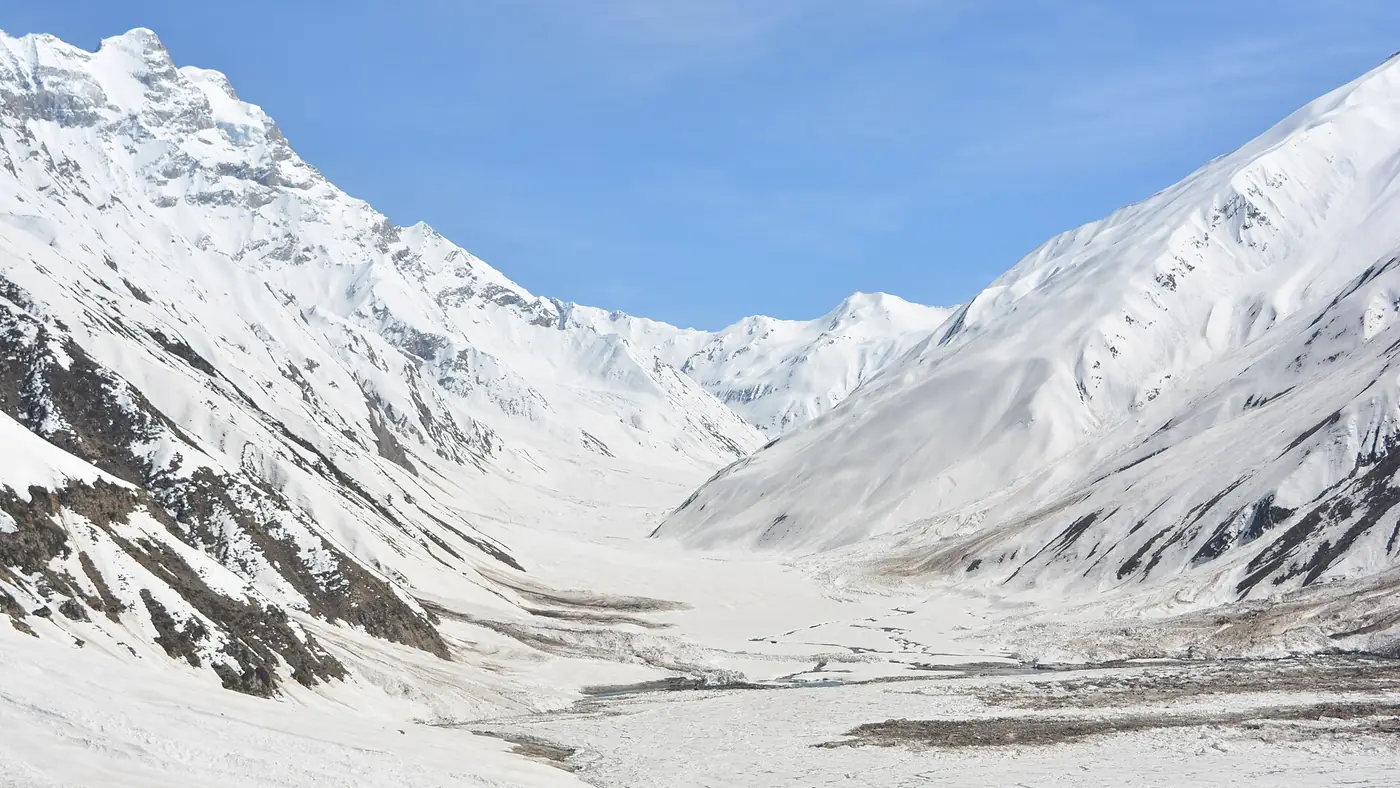
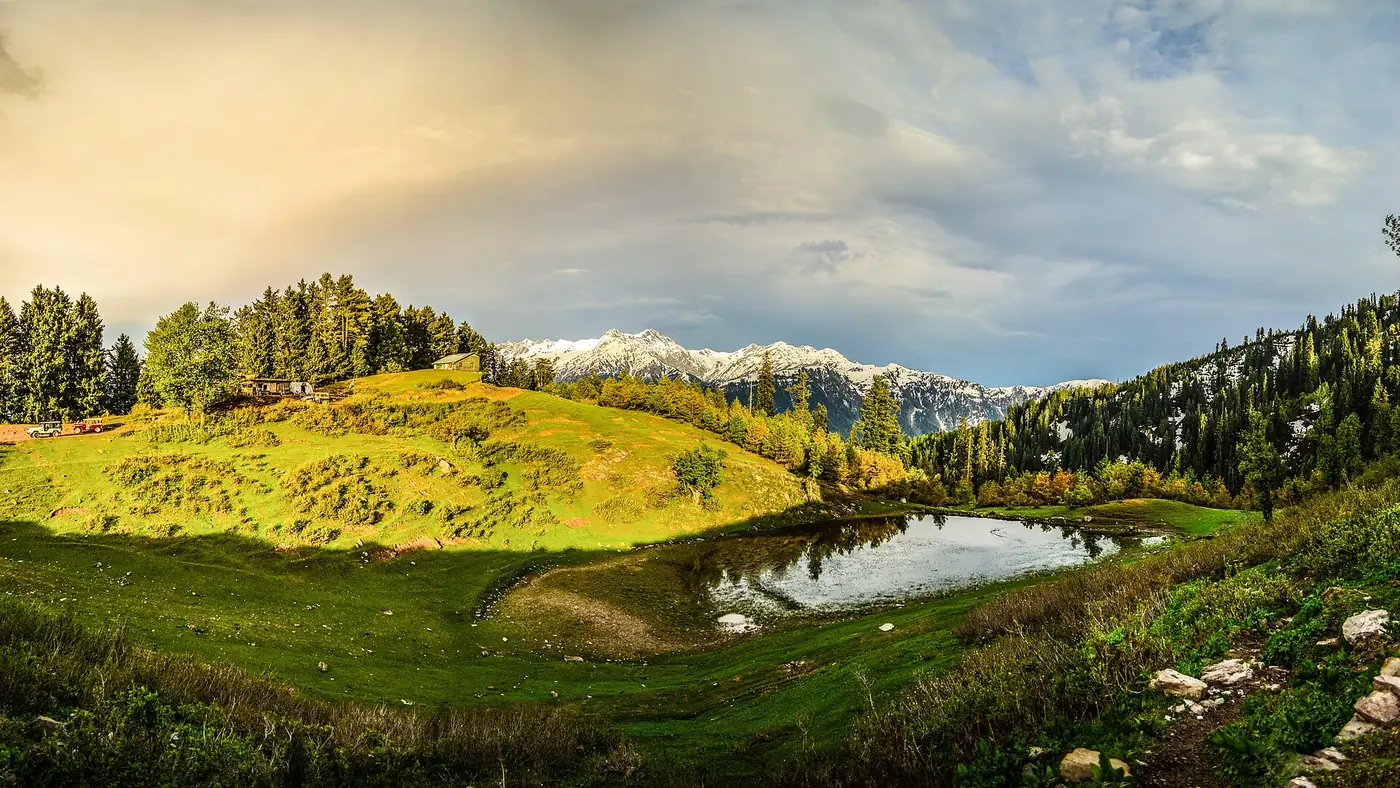
Lulusar-Dudipatsar National Park is a protected area in the upper Kaghan Valley, set up in 2003 to cover the high ground above Naran, from Lulusar Lake at the roadside to Dudipatsar Lake a trek away. Most visitors pass through it without realising, since the Babusar road, the Dudipatsar trail and several other lakes all lie inside its boundary. This guide explains what the park protects, what lives there, and the rules that apply if you camp or trek within it.
| At a glance | |
|---|---|
| Established | 2003 |
| Combined area with neighbouring Saiful Muluk National Park | About 88,000 hectares |
| Location | Upper Kaghan Valley, Mansehra District |
| Main lakes | Lulusar, Dudipatsar, Pyala, and several smaller high lakes |
| Wildlife | Snow leopard, black bear, marmot, lynx, snow partridge, migratory waterfowl |
| Access | The Babusar road runs through it; trails lead further in |
| Rules | No hunting, no felling or burning plants, no polluting water |
What the park protects
The park takes its name from its two best-known lakes. Lulusar, at 3,410 metres, is the source of the Kunhar River and sits right beside the paved road to Babusar Top, reachable by any car in season. Dudipatsar, at about 3,800 metres, lies a day or two's trek away up a side valley from Besal, and is the best-known overnight trek in the Kaghan Valley.
Between and around them the park also takes in Pyala Lake near Jalkhad, a scatter of smaller lakes sometimes called the Dohian Mali group, and the high lakes near Babusar Top, including Sambaksar and Dharamsar. Our guides to Lulusar Lake, the Dudipatsar trek and Dharamsar Lake cover each of those in detail.
The park sits alongside Saiful Muluk National Park, which protects the lower end of the same high valley around Lake Saif-ul-Malook. Together the two parks cover roughly 88,000 hectares of subalpine forest, alpine meadow and bare high ground above the tree line.
Wildlife in the park
The park's published fauna list includes snow leopard, black bear, marmot, weasel, lynx and leopard, along with Himalayan snowcock and snow partridge among the birds. Its lakes and wetlands are also used by migrating waterfowl, which pass through on their way across the high passes.
In practice, what most visitors actually see is far more modest. Golden marmots are common on the slopes beside the Babusar road, especially in the early morning, and birds are easy to spot around the lakes. Snow leopards keep to the high, remote ground away from the road and are not something to expect on a day trip; sightings, when they happen, are usually reported by shepherds and researchers rather than tourists.
The rules for campers and trekkers
The park falls under the Khyber Pakhtunkhwa Wildlife and Biodiversity Act 2015, which prohibits hunting, felling or burning plants, and polluting water inside a national park. For anyone camping or trekking within its boundary, that translates into a short, practical list:
- No wood fires. Cook on a gas or kerosene stove, and don't cut branches or pull up shrubs for fuel.
- Nothing in the water. No washing up, soap, or rubbish in the lakes or streams, including Lulusar, Dudipatsar and the smaller lakes further in.
- No hunting or disturbing wildlife. Keep a distance from marmots and any other animals you see, and don't feed them.
- Carry out everything you bring in. There is no rubbish collection above Besal or along the Babusar road once you leave the settlements.
- Camp where others do, at an organised site or a recognised spot such as Mulla ki Basti on the Dudipatsar trail, rather than picking an isolated spot at random.
Enforcement is mainly through the district administration and local wildlife staff rather than a fixed checkpoint system, and rules on timing and access can tighten quickly after an incident, as they have at Saif-ul-Malook in recent seasons. Ask locally in Naran or at Besal what is currently in force before you set off.
Visiting the park
Most people experience the park in one of three ways:
- By car, on the Babusar road. Lulusar Lake and the Gittidas meadows are right beside the paved road, and no permit or special preparation is needed beyond what any Babusar trip requires. Our Babusar Pass guide covers the drive.
- On the Dudipatsar trek, a two-day walk from Besal with a night's camp at Mulla ki Basti, well inside the park boundary.
- On the rougher detours, such as the jeep-and-walk route to Dharamsar and Sambaksar near Gittidas, which see far fewer visitors than the main road or the Dudipatsar trail.
Whichever way you visit, the practical season is short. The high parts of the park are usually reachable only from June to September, and some of the smaller lakes stay part-frozen even within that window. For the trekking routes graded by difficulty, see our guide to treks in Kaghan Valley.
Is the park worth building into your trip?
Yes, almost by default. Anyone driving from Naran to Babusar Top, or trekking to Dudipatsar, is already inside the park, so there is little extra planning needed beyond respecting the rules above. What changes with a bit of awareness is how you behave once you are there: keeping fires off the menu, packing rubbish out, and giving wildlife room rather than treating a marmot as a photo prop.
For families with a short trip, the park adds little beyond what the Lulusar and Babusar stops already offer. For anyone with two or three spare days and an interest in trekking, it is the reason to go beyond the road, with Dudipatsar as the obvious first target. To fit either into a longer plan, start with our trip planning page.
Frequently asked questions
What does Lulusar-Dudipatsar National Park protect?
The high lakes and alpine ground of the upper Kaghan Valley, from Lulusar Lake beside the Babusar road to Dudipatsar Lake a trek away, along with smaller lakes such as Pyala, Sambaksar and Dharamsar.
When was Lulusar-Dudipatsar National Park established?
In 2003, alongside the neighbouring Saiful Muluk National Park, which protects the lower part of the same valley around Lake Saif-ul-Malook.
Can you see a snow leopard in the park?
It is possible but very unlikely on an ordinary visit. Snow leopards keep to remote, high ground away from the road and trails, and sightings are rare even for people who spend a season in the area.
Is camping allowed in Lulusar-Dudipatsar National Park?
Yes, at recognised spots such as Mulla ki Basti on the Dudipatsar trail, within the rules of the Khyber Pakhtunkhwa Wildlife Act: no wood fires, no polluting water, and no hunting or disturbing wildlife.
Do you need a permit to enter the park?
No general entry permit is required to drive the Babusar road or walk the main trails, but local rules on timing and access can change quickly, so check in Naran or Besal before you set off.