The treks in Kaghan Valley range from easy meadow walks at Lalazar and Siri Paye, through half-day climbs such as walking from Naran to Saif-ul-Malook, to three hard routes: Makra Peak above Shogran, Dudipatsar Lake, usually two days from Besal, and Ansoo Lake, a long snowy day above Saif-ul-Malook. The season is short. Anything high is realistic only from late June to early September, and Ansoo only from about mid-July to mid-August.
Below, each trek is graded, with where it starts, how long it takes and what makes it harder than it looks.
| Trek | Start | Time | High point | Grade |
|---|---|---|---|---|
| Lalazar meadow | Lalazar, by jeep from Batakundi | 30 to 60 min loops | 3,123 m | Easy |
| Siri Paye meadows | Paye, by jeep via Shogran | An hour or two | About 2,900 to 3,000 m | Easy |
| Naran to Saif-ul-Malook | Naran | Roughly 3 to 5 hours up | 3,224 m | Moderate |
| Sambaksar to Dharamsar | Sambaksar, by 4x4 | 30 to 60 min each way | Heights vary by source | Moderate |
| Pyala Lake | Jalkhad | Ask locally | Not reliably recorded | Moderate |
| Dudipatsar Lake | Besal | Usually 2 days | About 3,800 m | Moderate to hard |
| Makra Peak | Paye | About 4 hours up | 3,885 m | Hard |
| Lalazar to Saif-ul-Malook | Either end | 5 to 7 hours one way | Ridge crossing | Hard |
| Ansoo Lake | Saif-ul-Malook | 7 to 9 hours return | Above 4,000 m | Hard |
How hard are the Kaghan treks?
The grades here are about effort and risk, not technique. Easy means short walks from where a jeep drops you. Moderate means a few hours of steady climbing, or a short walk at real altitude. Hard means a long day or an overnight, steep ground, snow or stream crossings, and a real chance of the weather turning.
Height makes all of them harder. Naran is at 2,409 metres and the hard treks go above 3,800, so walk at a pace you can talk at and allow more time than you think.
Easy walks
Lalazar
Lalazar is a meadow and pine plateau at 3,123 metres above Batakundi, reached by a steep 4.2 km jeep track. You can walk it end to end in about half an hour, with short paths out to viewpoints on the rim. Our Lalazar guide covers the jeep ride and what is at the top.
Siri Paye
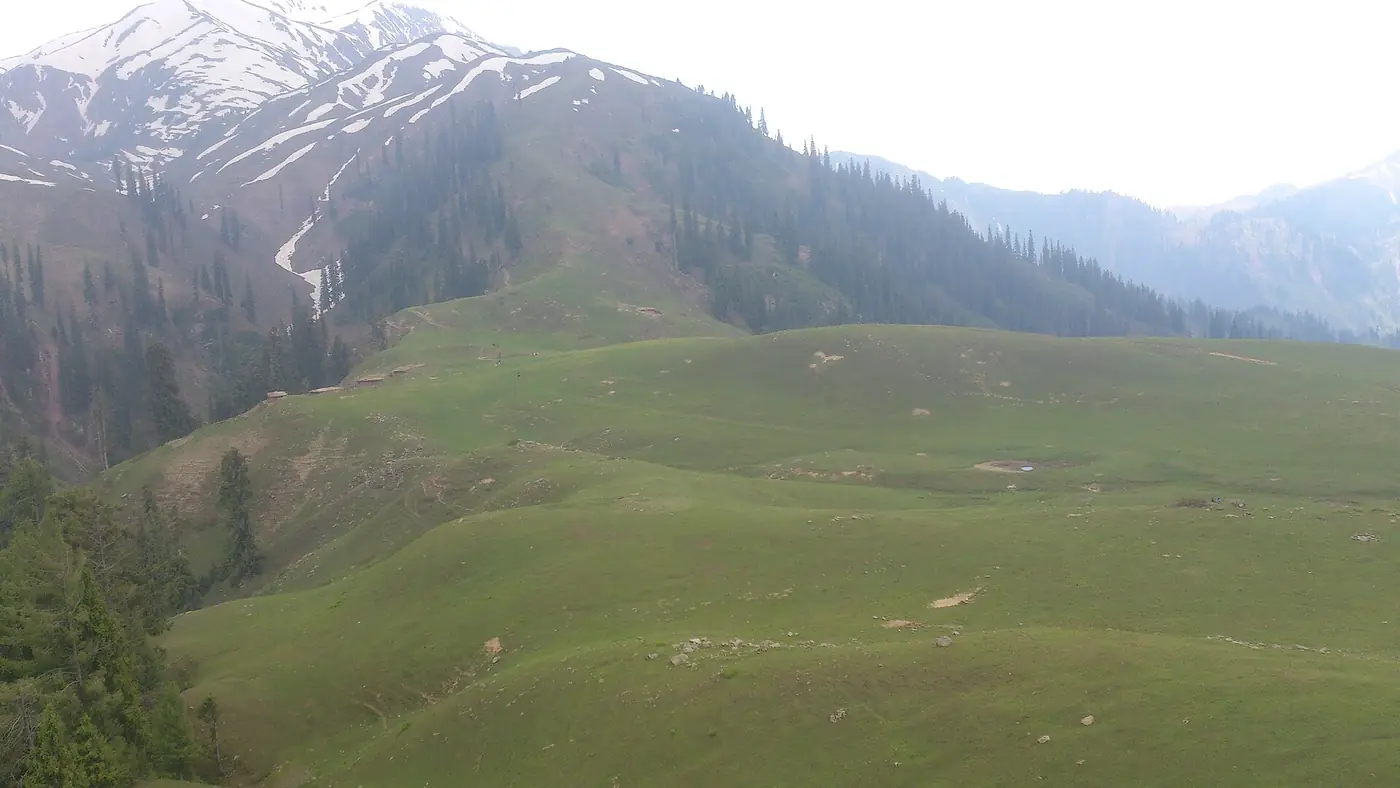
The Siri Paye meadows above Shogran, at around 2,900 to 3,000 metres, are open, rolling grassland with two small lakes. Jeeps from Kiwai and Shogran drop you there, and any direction is an easy stroll. Our Shogran guide has the jeep details.
Moderate treks
Naran to Saif-ul-Malook on foot
The jeep track from Naran climbs about 800 metres over 9 km to the lake at 3,224 metres. Fit walkers take roughly three to five hours up. It is steady uphill all the way, and on busy days you share the track with jeeps and their dust.
Check the lake's hours first. When the road reopened after the flash flood in August 2026, the district allowed visits only from 9:30 am to 4 pm, and police were told to stop anyone heading up early or staying late. If that rule is still in force, a walker has little time at the top. Our Saif-ul-Malook guide covers the lake itself.
Sambaksar to Dharamsar
Two lakes high on the Gittidas side of Babusar Top. A local 4x4 takes you up a rough track to Sambaksar, and from there a path leads to Dharamsar in 30 minutes to an hour. The walk is short, but published heights for Dharamsar run from about 3,700 to 4,100 metres, so you will feel every step. Go in the morning, in settled weather, and keep the Babusar road's daylight rule in mind for the drive back.
Pyala Lake
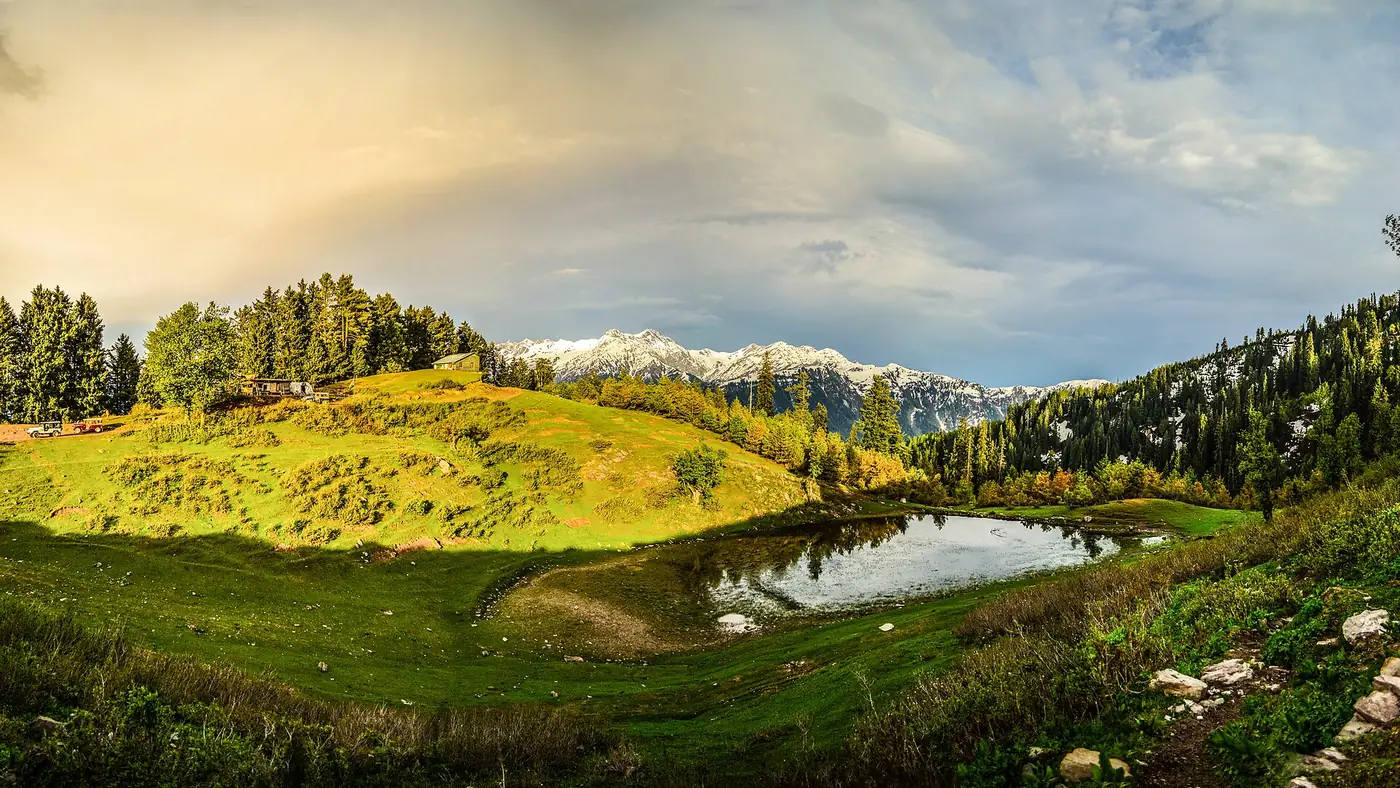
A small, round lake in the hills near Jalkhad, about 40 km above Naran. Accounts of the walk differ a great deal, from a couple of hours to half a day, which usually means the path is not obvious. Go with someone from Jalkhad who knows the way.
Hard treks
Dudipatsar Lake
The trail starts at Besal, at about 3,250 metres just below Lulusar, where there is a roadside hotel and a police check post. It follows a side valley for 15 to 18 km to the lake at about 3,800 metres, with stream crossings, some on log bridges, and steep sections near the top.
The total climb is only around 640 metres, but it is long and at height. Very fit walkers do it in a day, three to five hours up and three to four down. Most take two days, camping at Mulla ki Basti, a settlement of stone huts about 2 km short of the lake. Mules and local guides can be hired at Besal. The season runs from mid-June to September, with snow possible at either end.
Makra Peak
Makra, at 3,885 metres, is the summit above the Siri Paye meadows on the ridge between the Kaghan Valley and Azad Kashmir. From Paye it is about four hours to the top, some say longer, on steep grass and rock with wide views across Hazara and Kashmir.
It is straightforward in good weather, which is how people get caught out. Walkers have died on Makra in storms and thick fog, when the ridge is hard to follow. Start at first light, take someone who knows the route, and turn back the moment cloud comes down.
Lalazar to Saif-ul-Malook
A footpath crosses the ridge between the two most visited places near Naran. It takes five to seven hours one way over rough ground, and is for fit walkers with a guide, in midsummer. Arrange a jeep to meet you at the far end, and remember the time limits at the lake.
Ansoo Lake
Ansoo, the "teardrop" lake above 4,000 metres near Malika Parbat, is the hardest trek in this list. From Saif-ul-Malook the route climbs through rocky ground to the Malika Parbat base camp, then crosses snow and glacier ice to the lake. The round trip takes seven to nine hours, and the route is usually passable only from about mid-July to mid-August.
It needs a local guide, proper boots and a start at first light, which is hard to square with the 9:30 am rule at Saif-ul-Malook in 2026, so ask the administration in Naran before you plan it. Fog and fresh snow make the route dangerous quickly.
When to trek in the Kaghan Valley
- June: the lower walks open, but high trails can still be snowbound. Good for Lalazar, Siri Paye and the walk to Saif-ul-Malook.
- July and August: the only reliable months for Dudipatsar and Ansoo, and also the monsoon. In late July 2026 a cloudburst damaged the Saif-ul-Malook road and some 200 jeeps had to be brought down. Start early and be off high ground before the afternoon.
- September: often the clearest weather, with fewer people, but the first snow can arrive on the high trails from mid-month.
During the 2026 monsoon the district also banned visitors from the banks of the Kunhar and other streams under Section 144. Cross side streams early in the day, when they are lower, and never in a flood.
Guides, mules and staying safe
For the easy and moderate walks you need no one. For Dudipatsar, Makra, the Lalazar crossing and Ansoo, take a local guide who knows the route in fog and knows when not to go. Guides and mules are available at Besal and Saif-ul-Malook in season. Rates are not fixed, so agree the price, the days and what is included before you start.
A few rules that apply on every trek:
- Tell someone your plan. Signal is patchy or absent on the high trails.
- Watch for altitude sickness. A bad headache, nausea or dizziness means go down. Our travel guide covers altitude in the north.
- Carry warm and waterproof layers, even on a sunny July morning.
- Take water, food and a head torch.
- Carry your rubbish down. The path to Ansoo is already showing the wear.
For what each lake is like once you arrive, and which you can reach without walking at all, see our comparison of the lakes of the Kaghan Valley.
Which trek should you choose?
- Families and first-timers: Lalazar or Siri Paye, for the high meadows with very little effort.
- Fit walkers with one day: Naran to Saif-ul-Malook on foot, or the jeep to Sambaksar and the walk to Dharamsar.
- Walkers who want one proper trek: Dudipatsar over two days, long rather than technical.
- Experienced hikers: Makra in settled weather, or Ansoo in midsummer, both with a guide.
If you have never walked above 3,000 metres, start with an easy walk on your first day and save the hard treks for the end of the trip, when you have adjusted. To build a trek into a longer trip north, send us your plans.
Frequently asked questions
What is the best trek in the Kaghan Valley?
For most walkers, Dudipatsar Lake from Besal: a long but non-technical trek of 15 to 18 km each way to a lake at about 3,800 metres, usually done over two days with a night's camp.
Is the Ansoo Lake trek dangerous?
It is the hardest trek in the valley, crossing snow and glacier ice above 4,000 metres, and fog can hide the route. Go only with a local guide, good boots and settled weather, between mid-July and mid-August.
Can beginners trek in the Kaghan Valley?
Yes. Lalazar and Siri Paye are easy walks from where the jeep drops you, and the walk from Naran to Saif-ul-Malook is a good first climb.
How long does it take to walk to Dudipatsar Lake?
Very fit walkers manage it in a long day, three to five hours up and three to four down. Most people take two days and camp near the lake.
When is the trekking season in the Kaghan Valley?
Roughly late June to early September for the high routes, and mid-July to mid-August for Ansoo Lake. The meadow walks open earlier, from about June.