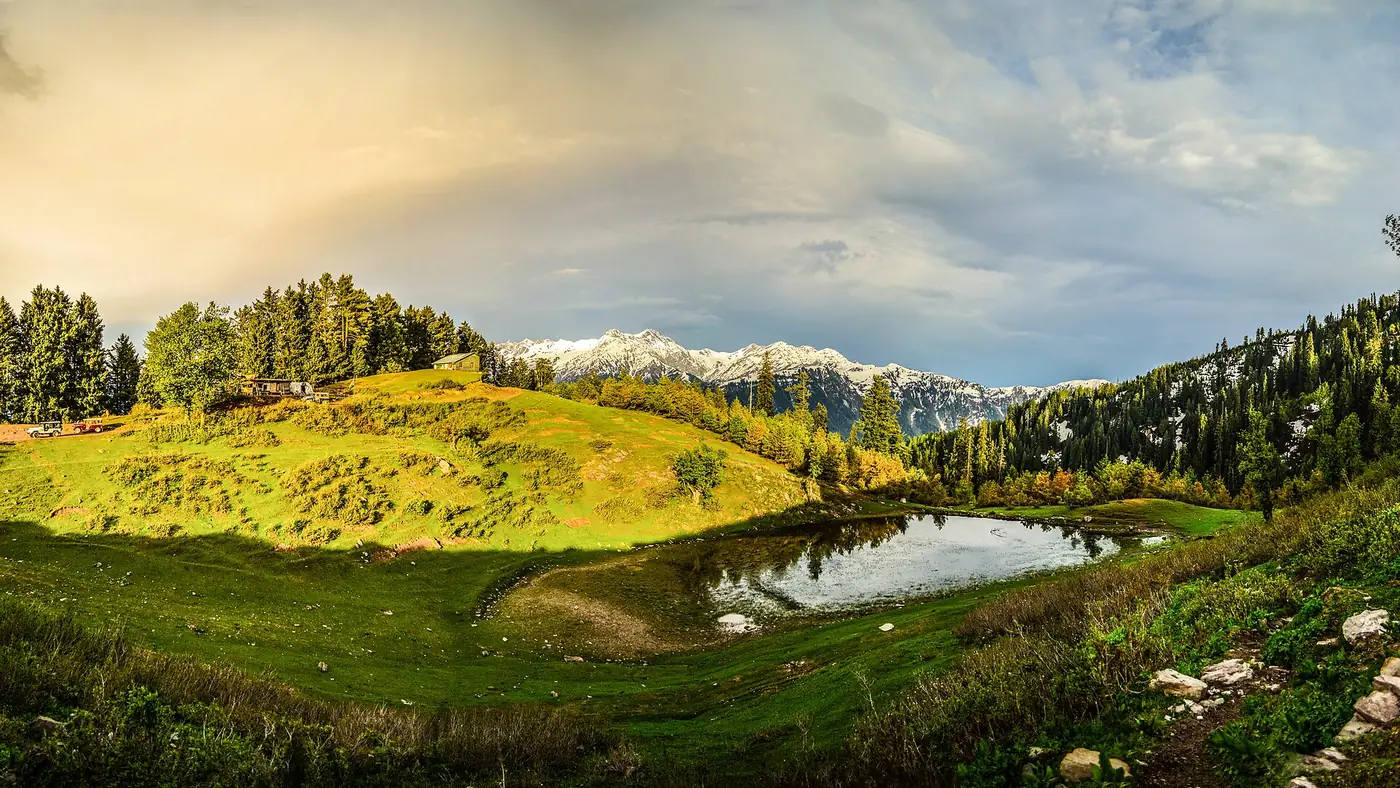
Saif-ul-Malook lake is a glacial lake at 3,224 metres, about 9 km north of Naran in the Kaghan valley, below Malika Parbat, the highest peak in the valley. You reach it by local jeep from Naran in 45 minutes to an hour, for an official return fare of PKR 5,500 per jeep in 2026, or on foot in half a day. It is usually reachable from about May to November, and at its best in June and September, early in the morning on a weekday.
This guide covers how to get up from Naran, what to do at the lake, when the ice melts and the track closes, and how to time your visit to avoid the crowds.
| At a glance | |
|---|---|
| Altitude | 3,224 m |
| Distance from Naran | About 9 km by jeep track |
| By jeep | 45 minutes to an hour each way |
| Jeep fare (2026) | PKR 5,500 return per jeep, the official fare |
| On foot | Half a day up for a fit walker |
| Usually reachable | About May to November |
| Best months | June and September |
| Best time of day | Early morning |
| At the lake | Tea stalls, simple food, washrooms, boats and horses |
Getting up from Naran
By jeep
Almost everyone goes up by jeep. The track leaves Naran, climbs steeply up the side valley in tight bends and crosses snow and old glacier debris early in the season. It is rough, dusty in dry weather and muddy after rain, and ordinary cars cannot manage it, so leave yours at the hotel.
In 2026 the Balakot administration fixed the return fare from Naran to the lake at PKR 5,500 per jeep. A jeep takes about six passengers, so a full jeep works out at under PKR 1,000 each. Before you set off, agree:
- The waiting time. The fare covers the return trip; ask how long the driver will wait at the lake.
- The start time, especially if you want to be among the first up.
- The price, with the official fare as your reference if the first quote is higher.
Under the traffic plan introduced in Naran bazaar in 2026, jeeps are kept off the main street, so ask your hotel where the lake jeeps are waiting that season.
The ride is bumpy enough to be uncomfortable for anyone with a bad back, and hard on small children who get car sick. Sit near the front if you can, and hold on.
On foot
The walk follows the jeep track, climbing about 800 metres over roughly 9 km. A fit walker needs half a day to get up and less to come down. Start early, carry water and a warm layer, and step well off the track when jeeps pass. Many people walk up and take a jeep down, or the reverse, if a driver has a free seat.
Walking is the cheapest way up, and in May and June, when snow lies beside the track, it is also the most beautiful. It is not a good idea in rain, or for anyone who has just driven up from the plains and has not had a night to adjust.
Your own 4x4
Only if you have a capable four-wheel drive and a driver who knows steep, broken tracks. Most people with their own 4x4 still take a local jeep, because the drivers know where the track is soft and where the snow lies.
What to do at the lake
Most visitors spend one to two hours at the lake. It is not a place with a list of attractions; the point is the water and the mountains around it.
- Walk along the shore. The jeep stand and the stalls are crowded, but a few minutes along the shore it is quieter, and the view up the lake to Malika Parbat, at about 5,290 metres, opens out.
- Take a boat. Boats take visitors out onto the lake. Agree the price and the length of the trip before you get in, and ask for life jackets for children.
- Ride a horse along the shore, again agreeing the price first.
- Have tea. Stalls at the lake serve tea, pakoras and simple food. It costs more than in Naran and is worth it on a cold morning.
- Photograph the reflections. On a still morning, Malika Parbat and the snow slopes are reflected in the water. By midday there is usually wind on the lake and cloud building on the peaks.
The lake is named after a folk tale about Prince Saif-ul-Malook and a fairy princess, told in the verse of the Sufi poet Mian Muhammad Bakhsh.
For walkers, the lake is also the starting point for Ansoo Lake, a small, tear-shaped lake high above it. That is a seven-to-nine-hour round trip on steep ground, often over snow, and needs a local guide and an early start. It is a separate day, not an add-on to a jeep visit.
The lake is 34 metres deep at its deepest and fed by snowmelt. Don't swim or wade, and keep children back from the edge.
When is the lake open?
The lake's season is shorter than Naran's, because the jeep track has to be cleared of snow and glacier debris each spring.
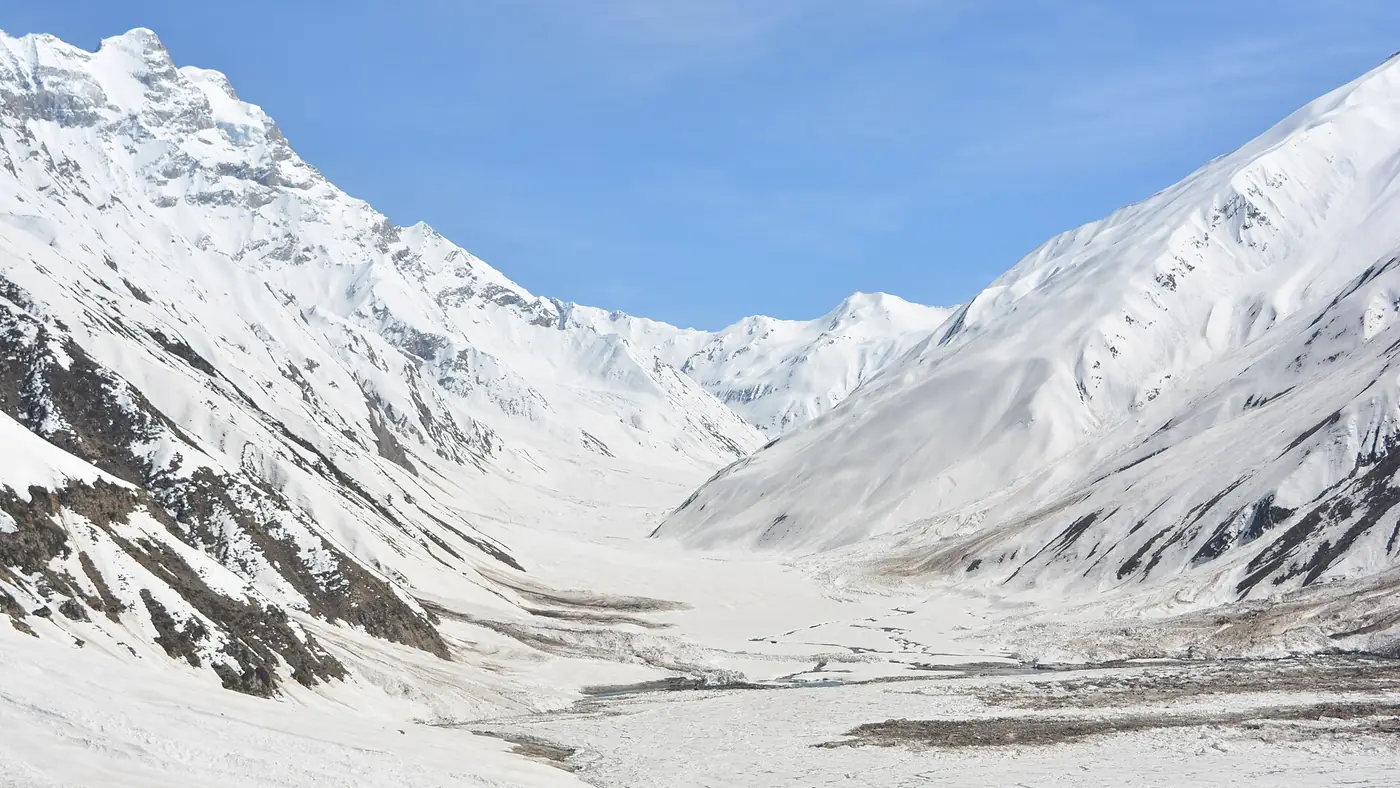
- December to April: closed. The lake is frozen and the whole valley above Kaghan town is shut to visitors.
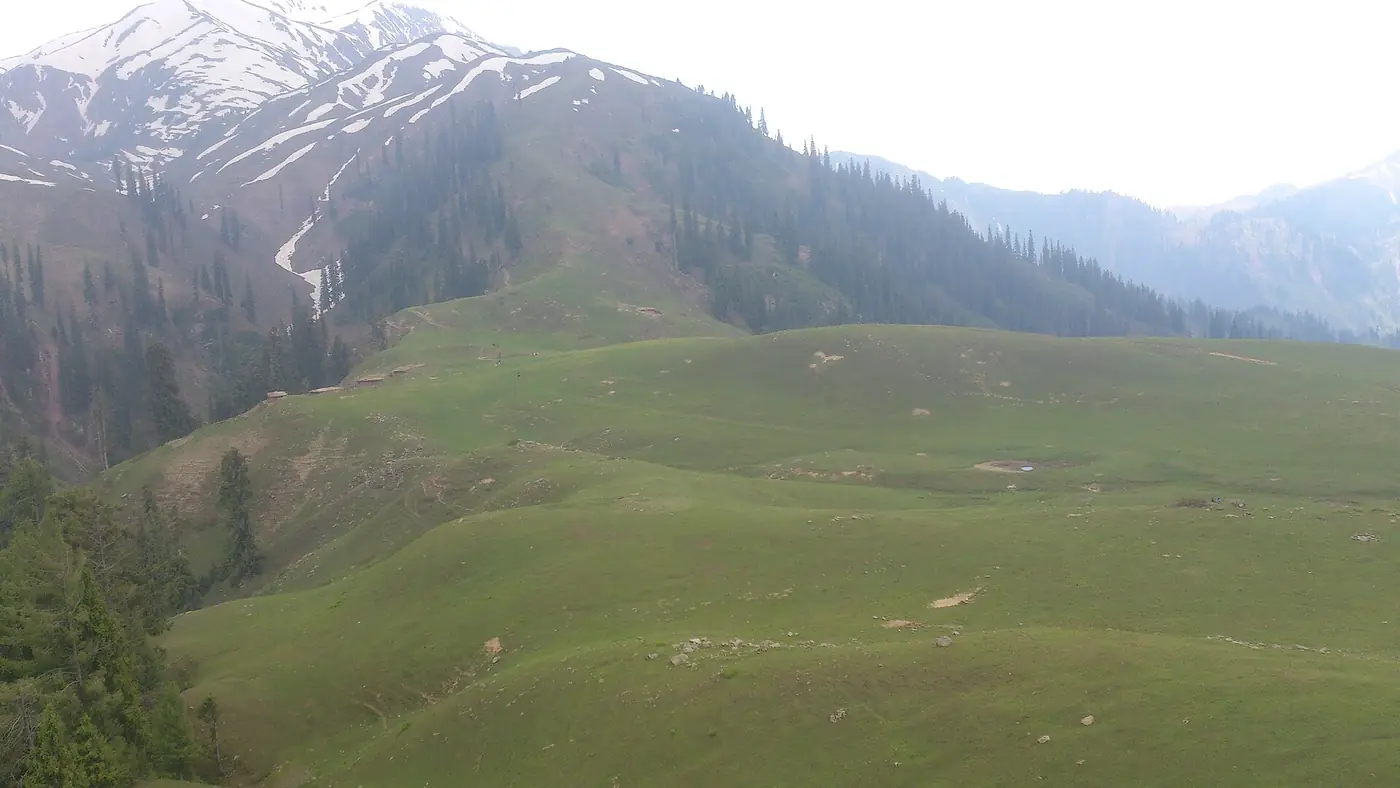
- Late April and May: the Kaghan Development Authority clears the track, which reopened on 30 April in 2025. The lake is often still frozen or half frozen, with deep snow around it. Cold, quiet and memorable, if the track is open when you go.
- June: the ice has gone and the meadows turn green, with snow still on the slopes above. For most people, the best month.
- July and August: peak season and monsoon season. The lake is at its busiest, and rain regularly closes the track (see below).
- September: clear, settled weather and far fewer people. The other best month.
- October and November: cold and quiet, with snow returning to the peaks. In late November 2025 visitors could go up only between 11 am and 3 pm, with chains on their tyres, before the valley closed for the winter.
Our guide to the best time to visit Naran covers the rest of the valley month by month.
Monsoon closures and timing rules
The lake track is the first thing to close after heavy rain. In 2026:
- On 21 July a cloudburst brought landslides onto the lake road, traffic on it was suspended, and stranded visitors were brought down to Naran.
- On 30 July flash floods washed away a section of the track, and about 200 jeeps of tourists had to be evacuated.
- On 1 August the district administration banned visits to the lake because of further monsoon warnings. It lifted the ban a week later, allowing visits only between 9.30 am and 4 pm, with the police making sure nobody stayed on after closing.
Rules like that can change from one season to the next, so ask in Naran what applies when you go. Our guide to whether the Naran road is open or closed explains where to check.
In the monsoon, go up in the morning, watch the sky, and start down as soon as rain sets in. A wet track is slippery, and streams crossing it can rise quickly.
How to avoid the crowds
Saif-ul-Malook is the most visited place in the Kaghan valley, and at busy times the jeep stand, the stalls and the shore near them are packed. Timing makes a large difference:
- Go on a weekday. Saturdays, Sundays and public holidays are far busier.
- Avoid Eid. The Eid holidays bring the valley's biggest crowds, with queues for jeeps in Naran and long waits on the track.
- Take the first jeeps up. The lake is quietest, calmest and clearest in the early morning, and the crowds build from late morning.
- Go in June or September rather than July and August.
- Walk away from the jeep stand. Even on a busy day, ten minutes along the shore takes you away from most people.
If an early start is not possible, late afternoon is the next-best time, as long as no timing rule is in force and you allow enough daylight for the drive down.
What to take
- A warm jacket and hat, whatever the month. It is several degrees colder than Naran, and wind off the water makes it feel colder still.
- A rain jacket in July and August.
- Water and snacks, especially for children.
- Cash for the jeep, tea, boats and horses.
- Sunglasses and sunscreen; the sun at 3,200 metres burns quickly.
- A bag for your rubbish. Bins have been put up around the lake, but take back what you bring.
The lake is high enough to leave some people slightly breathless on arrival, especially if they drove up from the plains the day before. Walk slowly, drink water, and head down if anyone develops a bad headache or feels unwell.
Is Saif-ul-Malook worth it?
Yes, for almost everyone who comes to Naran. The setting, a green-blue lake under a snow peak at the head of a high valley, is as good as its reputation, and the jeep makes it easy to reach.
What disappoints people is the crowd, not the lake. On an Eid afternoon, the shore by the jeep stand is noisy and crowded, and the track is a queue. Go early on a weekday in June or September and it is a different place.
If you would rather avoid the jeep ride altogether, Lulusar Lake, at 3,410 metres, sits right beside the paved road to Babusar and needs no jeep; our list of places to visit in Naran covers it and the other lakes and meadows. For fitting the lake into a short trip, see our three-day Naran and Kaghan itinerary, or send us your dates and we will plan it with you.
Frequently asked questions
How far is Saif-ul-Malook lake from Naran?
About 9 km up a jeep track north of Naran. The jeep takes 45 minutes to an hour each way; on foot it is half a day up.
What is the jeep fare to Saif-ul-Malook?
The official return fare set by the Balakot administration in 2026 is PKR 5,500 for the whole jeep, which carries about six people.
Can you go to Saif-ul-Malook in your own car?
Not in an ordinary car. The track is steep, rough and unpaved. Leave your car in Naran and take a local jeep.
When is Saif-ul-Malook frozen?
From about December to April, when the valley is also closed to visitors. In May it is often still partly frozen; by June the ice has usually gone.
What is the best time to visit Saif-ul-Malook?
Early morning on a weekday in June or September. The lake is calmer, clearer and much less crowded than in the afternoon or at Eid.
Can you stay overnight at Saif-ul-Malook?
Check before you plan to. After the 2026 monsoon floods, visits were allowed only between 9.30 am and 4 pm, which ruled out staying the night. Ask in Naran what the current rules are.