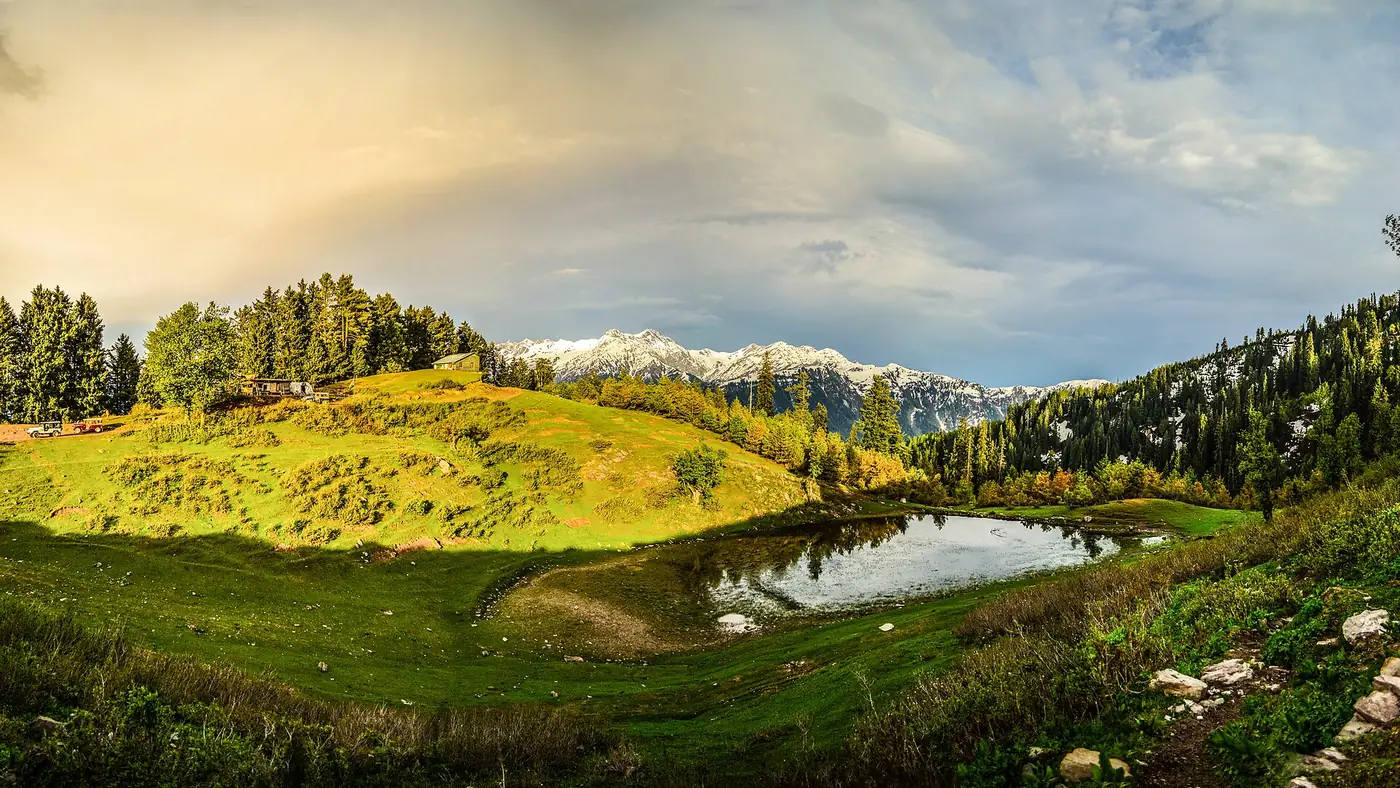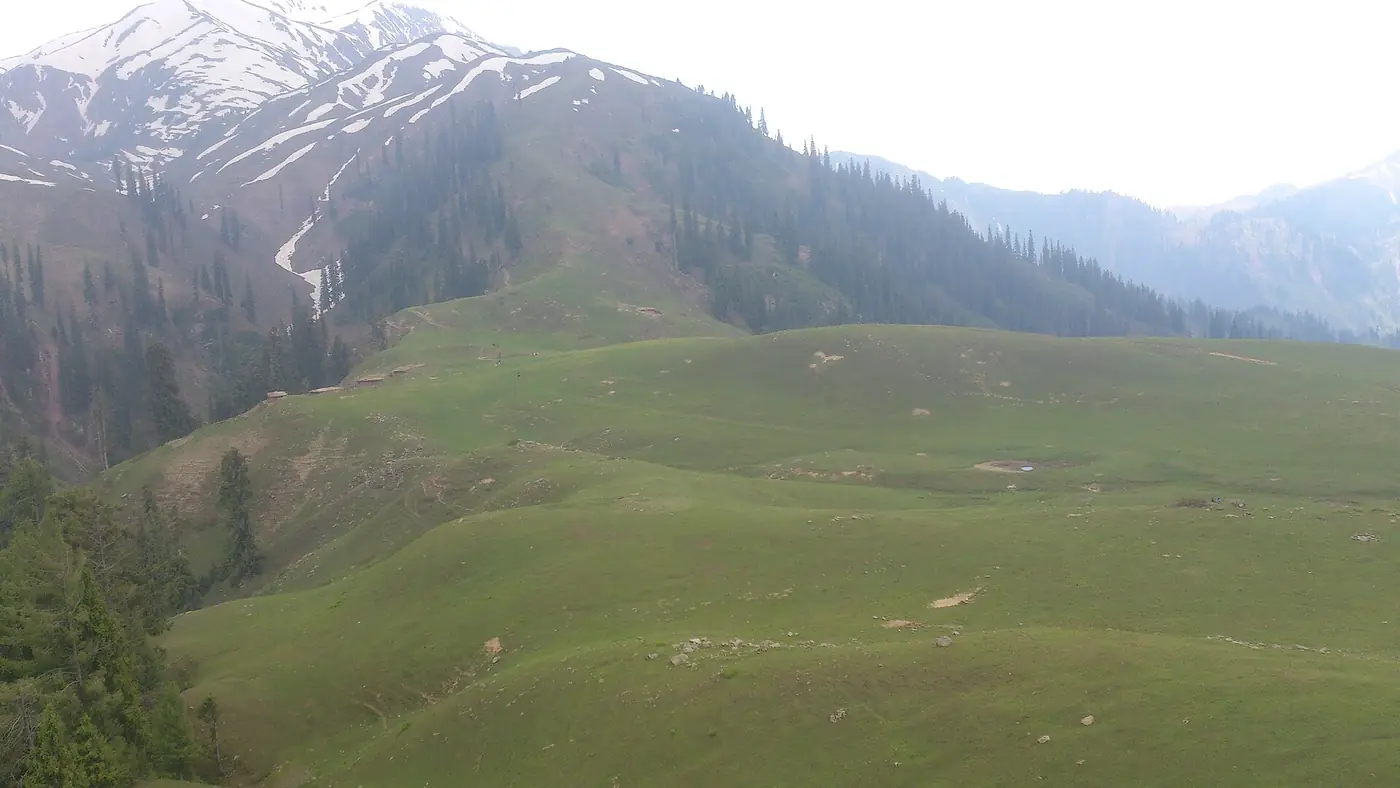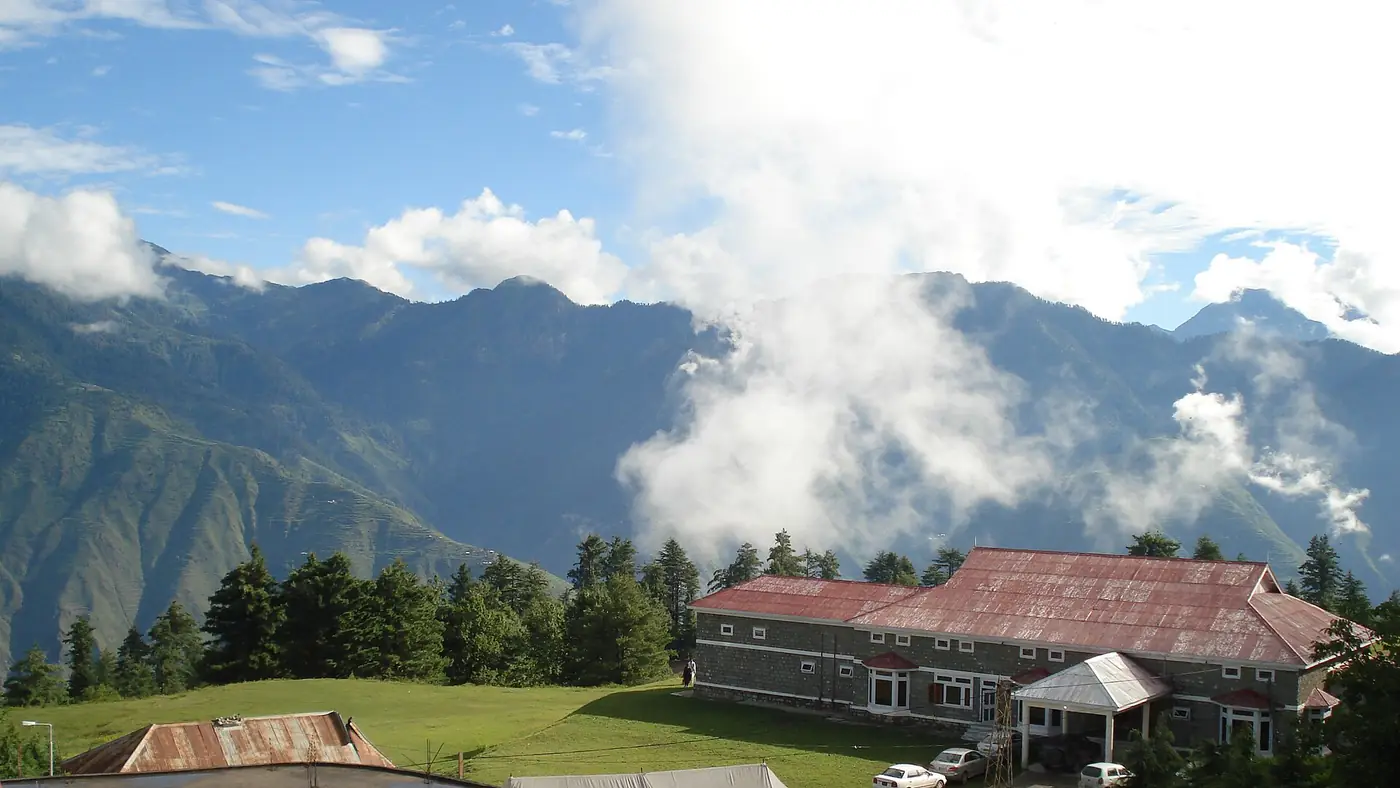
The best time to visit Naran is June or September. In both months the road is open all the way to Babusar Top, Saif-ul-Malook is free of ice, and you avoid the worst of the monsoon. The season as a whole runs from about late April, when the road to Naran reopens, to November, when snow closes it again. July and August are the busiest months, and also the ones most likely to bring cloudbursts and landslides.
This guide goes through the year month by month: what is open, what the crowds are like, how much snow you will meet at the lake and on the pass, and which months suit which kind of trip.
| At a glance | |
|---|---|
| Naran altitude | 2,409 m |
| Road to Naran open | Usually late April to November or early December |
| Saif-ul-Malook by jeep | From about May, once the track is cleared |
| Babusar Pass (4,173 m) | Usually late May to early November |
| Best months | June and September |
| Busiest | Eid holidays, July and August weekends, 14 August |
| Highest weather risk | July and August, the monsoon months |
| Closed | Beyond Kaghan town from about December to April |
Naran month by month
| Month | Road and passes | Crowds | What to expect |
|---|---|---|---|
| January to March | Closed beyond Kaghan town | None | Deep snow; the valley is empty |
| April | Road to Naran usually reopens late in the month | Very quiet | Snow walls beside the road, hotels just reopening |
| May | Naran open; lake track opens; Babusar late in the month | Quiet to moderate | Lake partly frozen early in the month, snow all around |
| June | Everything open | Busy, very busy at Eid | Green valley, snow still on the high ground |
| July | Everything open, closures after heavy rain | Peak | Monsoon rain, cloudburst risk |
| August | Everything open, closures after heavy rain | Peak, especially around 14 August | Monsoon continues |
| September | Everything open | Moderate | Clear, settled weather; the best all-round month |
| October | Open; Babusar until the first heavy snow | Quiet | Cold nights, autumn colour, fewer services |
| November | Babusar closes; Naran open until heavy snow | Very quiet | Freezing nights; closures can come suddenly |
| December | Naran closed beyond Kaghan town | None | Winter closure begins |
When does the road to Naran open?
The Kaghan road, the N-15, is closed beyond Kaghan town through the winter, and the National Highway Authority cuts it open again each spring. In both 2025 and 2026 the road to Naran reopened to traffic around 20 April, after roughly five months of closure. Clearing then continues in stages up the valley: to Batakundi first, then Jalkhad, and finally Babusar Top.
Late April is the earliest you can realistically go, and it is a very different place from the summer Naran. Snow lies deep along the road above the town, many hotels and restaurants are still opening up after the winter, and the police posts along the road are reactivated in phases. It suits people who want snow and empty roads and don't mind limited services.
If you want to see how each section opens and closes through the year, and how to check before you set off, our guide to whether the Naran road is open or closed goes through it in detail.
Snow at Saif-ul-Malook: April to June
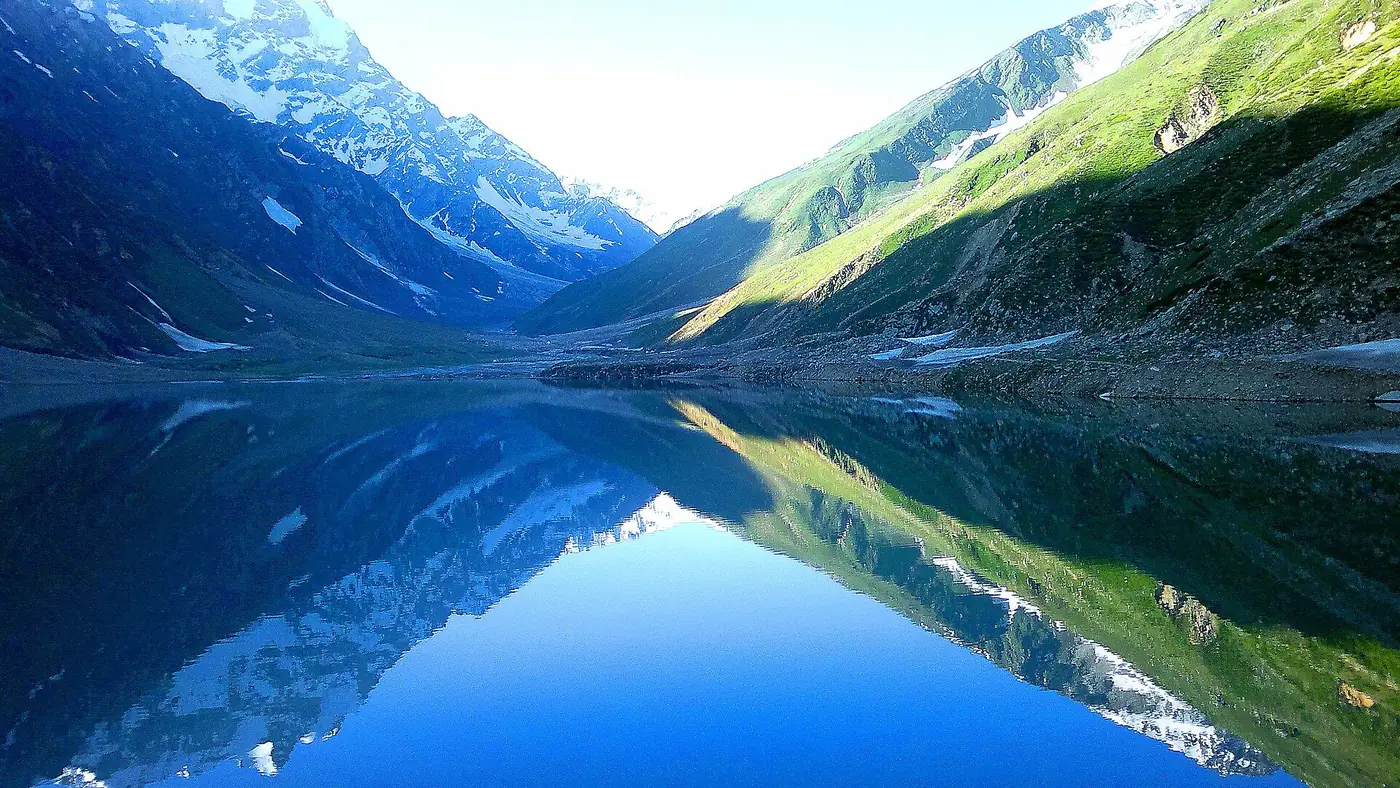
Lake Saif-ul-Malook, at 3,224 metres, is the reason most people come to Naran, and its season is shorter than the town's. The jeep track from Naran is blocked by snow and glacier debris until the Kaghan Development Authority clears it; in 2025 it reopened on 30 April, and in 2026 clearing was still under way in the last week of April.
In May the lake is often still partly frozen, with snow down to the water. Some people come specifically for that. It is cold, the track can be muddy and rough, and the jeep may not reach the usual stand if a late snowfall has come down.
By June the ice has gone and the meadows around the lake are turning green, with snow still on Malika Parbat and the slopes above. Our Saif-ul-Malook visitor guide covers the jeep, what to do at the lake and the best time of day to go.
When is Babusar passable?
The Babusar Pass, at 4,173 metres, is the last section of the Kaghan road to open. It reopened on 23 May in 2025 and on 25 May in 2026, and in most years it stays open until the first heavy snow in early November.
Opening day does not mean easy driving. Snow walls line the road for weeks, and a late fall can close the top again: on 30 and 31 May 2026, only days after the reopening, continuous snowfall led the administration to warn tourists against travelling to Babusar. If crossing the pass matters to your trip, whether as a day out from Naran or as the road to Gilgit-Baltistan, mid-June to September is the reliable window.
Two rules apply all season. The road between Naran and Babusar Top is for daylight only: in 2025 the police banned all traffic on it from 6 pm to 6 am, and in 2026 the authorities again told travellers to cross only in daylight. And the pass is a genuine high-altitude stop, so keep your time at the top short.
June: the best month for most people
June is when Naran is at its most complete. The road is open to Babusar, the lake has thawed, the valley is green, and there is still enough snow high up to make the landscape look like mountains rather than hills. Days are pleasant and evenings cool.
The catch is the crowds. The heat in the plains sends families north as soon as schools close, and Eid ul Adha brings the busiest days of the year. During Eid in June 2024, more than 300,000 tourists came into the valley, and traffic on the Balakot to Naran section jammed for hours. In 2026 Eid ul Adha fell on 27 May, and in 2027 it is expected in mid-May, so for the next few years the Eid rush will land before June rather than in it.
Go in June on weekdays if you can. If you must go at Eid, book rooms well ahead, leave Islamabad before dawn, and accept that the lake jeep will be busy.
July and August: peak season and the monsoon
July and August have the most visitors and the most risk. Hotels charge their highest rates, weekends are crowded from Balakot upwards, and 14 August brings another wave of traffic.
This is also monsoon season. The valley gets its heaviest rain in these two months, and cloudbursts cause flash floods and landslides on the road and the jeep tracks. The 2026 season shows what that means in practice:
- 13 July: heavy rain brought mudslides down at Khanian, blocking the Kaghan road and leaving travellers stranded for over an hour.
- 21 July: a cloudburst caused flash flooding in the valley. The main Kaghan bridge was closed as a precaution, a landslide at Soach blocked the highway, and traffic on the road to the lake was suspended.
- 30 July: flash floods washed away part of the Saif-ul-Malook track, and about 200 jeeps of tourists had to be brought down. The lake was closed to visitors for a week.
In July 2025, a flash flood on the Babusar road on the Gilgit-Baltistan side killed tourists and closed the route to Chilas. None of this means you should avoid the summer entirely, but it does mean keeping a spare day, watching the Pakistan Meteorological Department's forecasts, and turning back when the authorities tell you to.
September and October: the quiet months
September is the best month in Naran for anyone who can travel outside school holidays. The monsoon has passed, the skies are clearer, all the roads and tracks are open, and the crowds thin once schools reopen. Nights are colder than in summer, so pack warmer layers than you would for June.
October is quieter still. Nights are close to freezing, the grass turns brown and gold, and some hotels and restaurants start to close towards the end of the month. The lake and the upper valley are usually still reachable, and Babusar stays open until the first heavy snow. It is a good month for photographers and couples who want the valley to themselves, and a poor one for families with small children.
November to April: the closed season
The season ends in stages. In early November 2025, heavy snow closed the Babusar road, and by late November the Mansehra district administration had banned travel between Khyber Pakhtunkhwa and Gilgit-Baltistan through the valley for the winter. At that point visitors could still reach Naran, and Batakundi and Saif-ul-Malook only between 11 am and 3 pm with chains on their tyres. In early December, after the second snowfall, travel beyond Kaghan town was banned until summer.
From December to April, then, Naran is shut. Local families move down the valley, hotels close and the police posts are withdrawn. In winter the administration allows visitors as far as Kaghan town and Shogran, which is where to go if you want snow in the Kaghan valley between December and March.
Which month suits your trip?
- Families with children: June on weekdays, or the first half of September. Avoid Eid unless you are happy to sit in traffic, and avoid the monsoon if your dates are fixed.
- Couples and friends who want quiet: September and early October.
- Snow lovers: May for snow around the lake and on the pass, with the risk that some places are not yet open. In winter, go to Shogran instead.
- Driving on to Gilgit-Baltistan over Babusar: mid-June to September. Before that the pass may be shut or snowbound, and after it the first snow can close it without warning. Our Islamabad to Hunza road guide compares the Babusar route with the Karakoram Highway.
- Photographers: late May and early June for snow, September and October for clear light and autumn colour.
If you are weighing Naran against other valleys for the same dates, our month-by-month guide to the north shows what is open where.
Is the best time to visit Naran also the busiest?
Partly, and that is the main trade-off. June and August have the best combination of open roads and warm days, and that is exactly when everyone else comes. Naran is a small town with one road in, so crowds are not just an annoyance: at Eid the drive from Balakot can take many hours longer than normal, rooms are scarce and expensive, and the lake track is a queue of jeeps.
We generally plan Naran trips for June weekdays or September, with an early start each day and a spare day for weather. If you would like help choosing dates, send us your plans and we will suggest the best window for your group.
Frequently asked questions
Which month is best for Naran?
June and September. Both have everything open, from Saif-ul-Malook to Babusar Top, and both miss the worst of the monsoon. September is quieter; June is greener and has more snow on the high ground.
Is Naran open in April?
Usually only from late in the month. The road to Naran reopened around 20 April in both 2025 and 2026, but Saif-ul-Malook and Babusar open later, and many hotels are still getting ready.
Can I see snow at Saif-ul-Malook in summer?
In May and early June there is usually snow around the lake and sometimes ice on it. By July the snow has retreated to the peaks above, including Malika Parbat.
When does Babusar Pass open?
Usually in late May: on 23 May in 2025 and 25 May in 2026. Snow can close it again for a few days in early June, so mid-June onwards is more reliable.
Is it safe to visit Naran in July and August?
Most trips go ahead without trouble, but these are the monsoon months, and cloudbursts closed roads and the lake track several times in July 2026. Keep a spare day, check the forecast, and follow any closure orders from the district administration.
Can you visit Naran in winter?
No. From about December to April, travel beyond Kaghan town is banned and Naran's hotels are closed. Shogran and Kaghan town stay open for visitors who want snow.