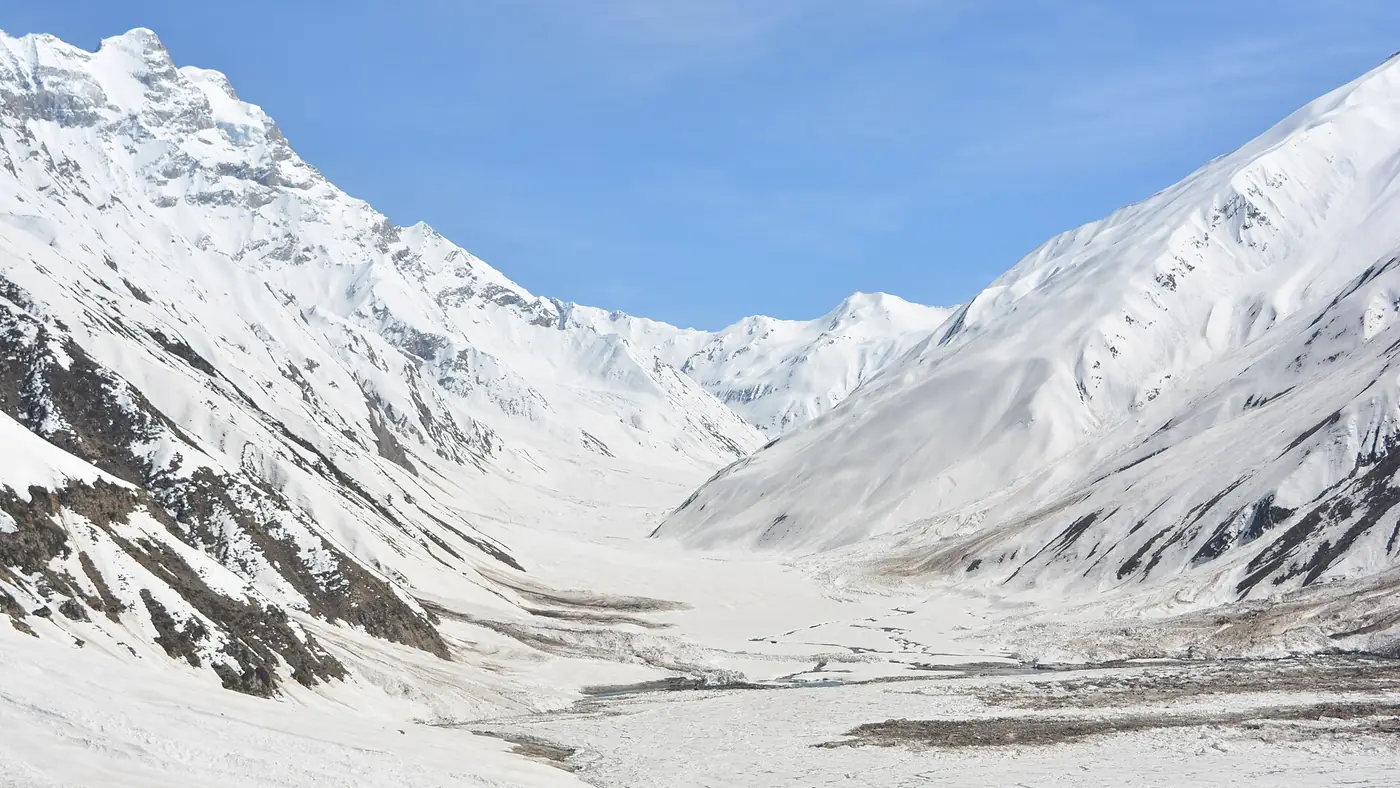
Dharamsar Lake is a high alpine lake at roughly 3,700 to 4,100 metres, just off the Babusar road above Naran, and sources give different figures for its exact height because so few visitors carry a working altimeter that far off the tarmac. You reach it by hiring a 4x4 in Naran or Jalkhad, driving up to Gittidas near the top of Babusar Pass, then taking a rough jeep track for around an hour to the larger Sambaksar Lake, before a 30-minute to hour-long walk on to Dharamsar itself.
It is one of the least-visited lakes in the Kaghan Valley, precisely because getting there takes more effort than parking beside Lulusar or riding a jeep to Saif-ul-Malook. This guide covers where it is, how to get there, when the snow allows it, and who the trip suits.
| At a glance | |
|---|---|
| Altitude | About 3,700 to 4,100 m (sources disagree) |
| Location | Off the Babusar road, near Gittidas, left of Babusar Top |
| Nearby lakes | Sambaksar (larger) and Ganai Gali |
| Access | Jeep from Naran or Jalkhad to Gittidas, then a rough 4x4 track |
| Jeep to Sambaksar | Roughly 50 minutes to an hour from Gittidas |
| Walk, Sambaksar to Dharamsar | 30 minutes to an hour |
| Best months | Late July to September |
| Facilities | None; carry everything you need |
Where is Dharamsar Lake?
Dharamsar sits in the high ground to the left of Babusar Top as you climb from Naran, close to the point where Khyber Pakhtunkhwa, Azad Kashmir and Gilgit-Baltistan meet. It shares its basin with Sambaksar, a larger lake at about 3,300 metres that some accounts call the "mother" of the group, and with a scatter of smaller pools locally known as Ganai Gali.
The lake feeds from snowmelt and is frozen or part-frozen for most of the year. The setting is bare, rocky high ground rather than forest or meadow, closer in character to Sambaksar and Lulusar than to the green shelves at Siri Paye or Shogran.
Getting there: jeep from Jalkhad to Gittidas
The route starts on the paved N-15, the same road that runs from Naran past Lulusar Lake to Babusar Top. Jeeps for the pass can be hired in Naran or at the stand in Jalkhad, and it is worth agreeing with the driver in advance that you want to stop at Gittidas rather than go straight over the top.
- Naran or Jalkhad to Gittidas. This stretch follows the same paved road covered in our Babusar Pass guide, through Lulusar and the high meadows just below the top of the pass.
- Gittidas to Sambaksar. From Gittidas a much rougher track climbs off the main road toward Ganai Gali and Sambaksar Lake. Only a proper 4x4 manages it, and accounts of the drive vary from around 50 minutes to closer to an hour and a half, depending on the state of the track that season.
- Sambaksar to Dharamsar. Leave the jeep at Sambaksar and walk the last stretch, 30 minutes to an hour over open, stony ground.
There is no fixed, published fare for this route, so agree the price, the waiting time and the return trip with the driver before you set off, and expect to pay more than a standard Babusar run given the extra distance and the state of the track.
When to go
Dharamsar and Sambaksar stay snowbound for most of the year, and several accounts describe a genuinely short window, from around late July into September, when enough ice has cleared for the lakes to look like the photographs. Even within that window, a cold spell can leave parts of the surface frozen.
This lines up with the rest of the upper Kaghan Valley: the Babusar road itself is only reliably open from around late May to October, and the high lakes near the pass, including Dudipatsar further along the same road, share the same short, weather-dependent season. Our guide to whether the Naran road is open or closed explains how that opening and closing works from year to year.
Don't plan this trip for June, when the jeep track is more likely to be blocked by snow, or for October, when the first autumn snow can close it again with little warning.
What to carry
There is nothing at Sambaksar or Dharamsar beyond the landscape: no tea stall, no shelter and no phone signal once you leave the main road. Carry:
- Warm and waterproof layers, whatever the forecast lower down in Naran says
- Sturdy walking shoes with grip, for wet rock and loose stone near the lakes
- Water and food for the day, since there is nowhere to buy either
- Sunglasses and sunscreen; the glare off snow and pale rock at this height is strong
- Cash for the jeep, agreed and counted before you leave
Altitude matters here as much as it does at Babusar Top itself. Move at an easy pace, drink water, and turn back if anyone in the group develops a bad headache or feels confused.
Is Dharamsar Lake worth it?
For most first-time visitors, no: Lulusar Lake sits beside the road with no jeep needed, and it gives you a comparable high lake for a fraction of the effort. Dharamsar suits a different traveller, someone who has already done Naran and Babusar and wants a genuine detour off the main tourist track.
Go with a local driver who knows the current state of the Gittidas track, keep a full day free, and treat the trip as an add-on to a Babusar crossing rather than a destination on its own. For help fitting a detour like this into a longer trip, use our trip planning page, and for the wider choice of lakes in the valley, see our lakes in Kaghan Valley guide.
Frequently asked questions
How do you get to Dharamsar Lake?
By jeep from Naran or Jalkhad up the Babusar road to Gittidas, then a rough 4x4 track of roughly 50 minutes to an hour and a half to Sambaksar Lake, followed by a walk of 30 minutes to an hour to Dharamsar itself.
How high is Dharamsar Lake?
Sources give figures between about 3,700 and 4,100 metres. There is no single agreed number, so treat any altitude you read, including this one, as approximate.
What is the best time to visit Dharamsar Lake?
Roughly late July to September, once enough snow and ice have melted for the water to be visible. The lake is snowbound or part-frozen for most of the year.
Is Dharamsar Lake near Lulusar Lake?
They are in the same stretch of the upper Kaghan Valley, but reached differently. Lulusar is beside the paved Babusar road with no jeep needed; Dharamsar requires a 4x4 detour from Gittidas and a walk beyond that.
Do you need a guide for Dharamsar Lake?
There is no marked trail and no signal once you leave the main road, so a local driver or guide who knows the current track is strongly worth having, especially since the route and conditions change from season to season.