The Yunz Valley trek is a demanding day loop above Passu in upper Hunza, climbing a steep ridge between the Passu glacier and the much larger Batura glacier, crossing the high pastures of Yunz, and descending to a track that ends at Borith Lake. It covers around 19 km with a big height gain and needs route-finding on unmarked ground, so it suits fit, experienced walkers rather than a casual afternoon out from Karimabad.
This guide covers the route, how long to allow, the season, and what it takes to do the loop safely.
| At a glance | |
|---|---|
| Start | Passu village, about 2,550 m |
| Finish | Borith Lake, about 2,600 m |
| Distance | Around 19 km for the full loop |
| Height gain | Roughly 900 to 1,000 m to the highest ground in Yunz |
| Time needed | A long day, 8 to 10 hours, or overnight for a more relaxed pace |
| Best months | June to September |
| Guide | Strongly recommended; the route is unmarked and crosses moraine |
Where the trek goes
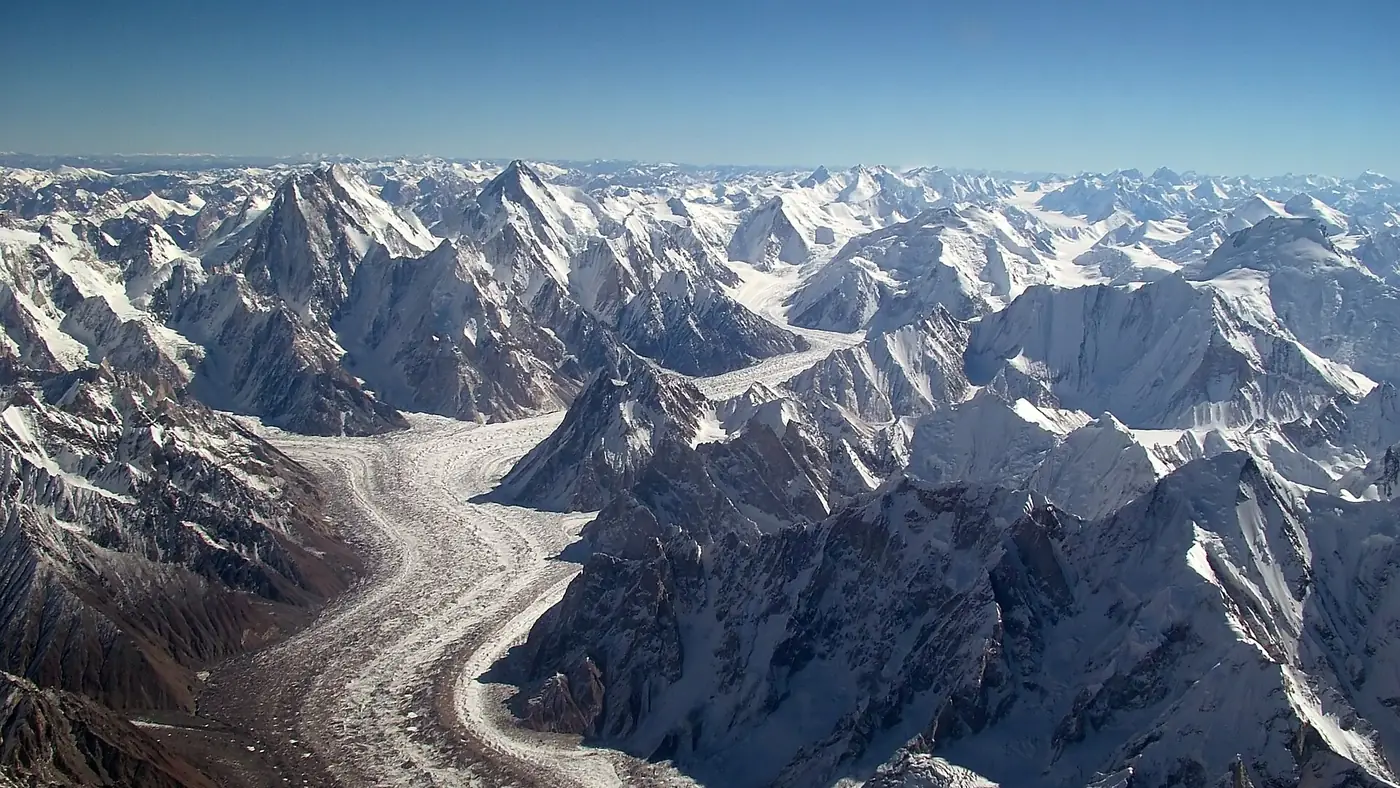
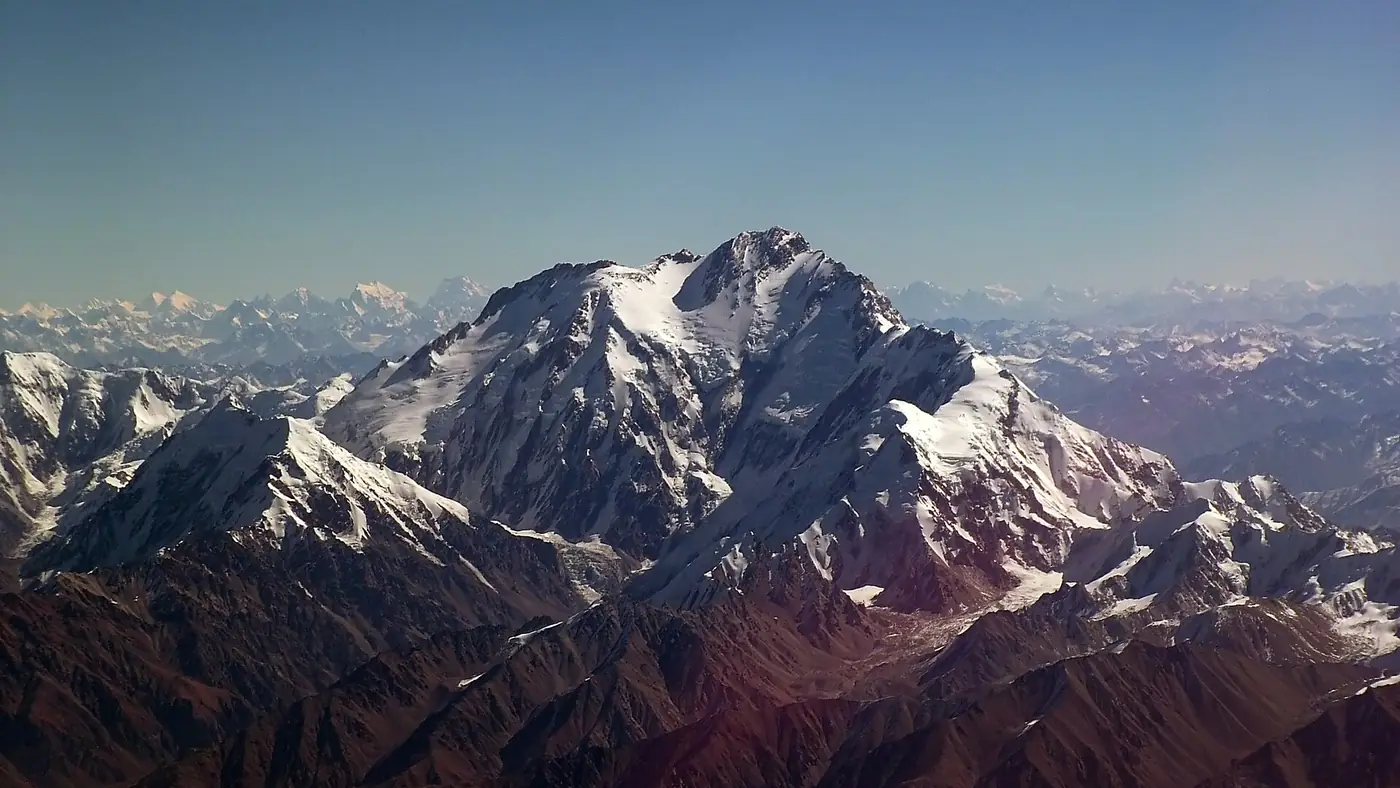
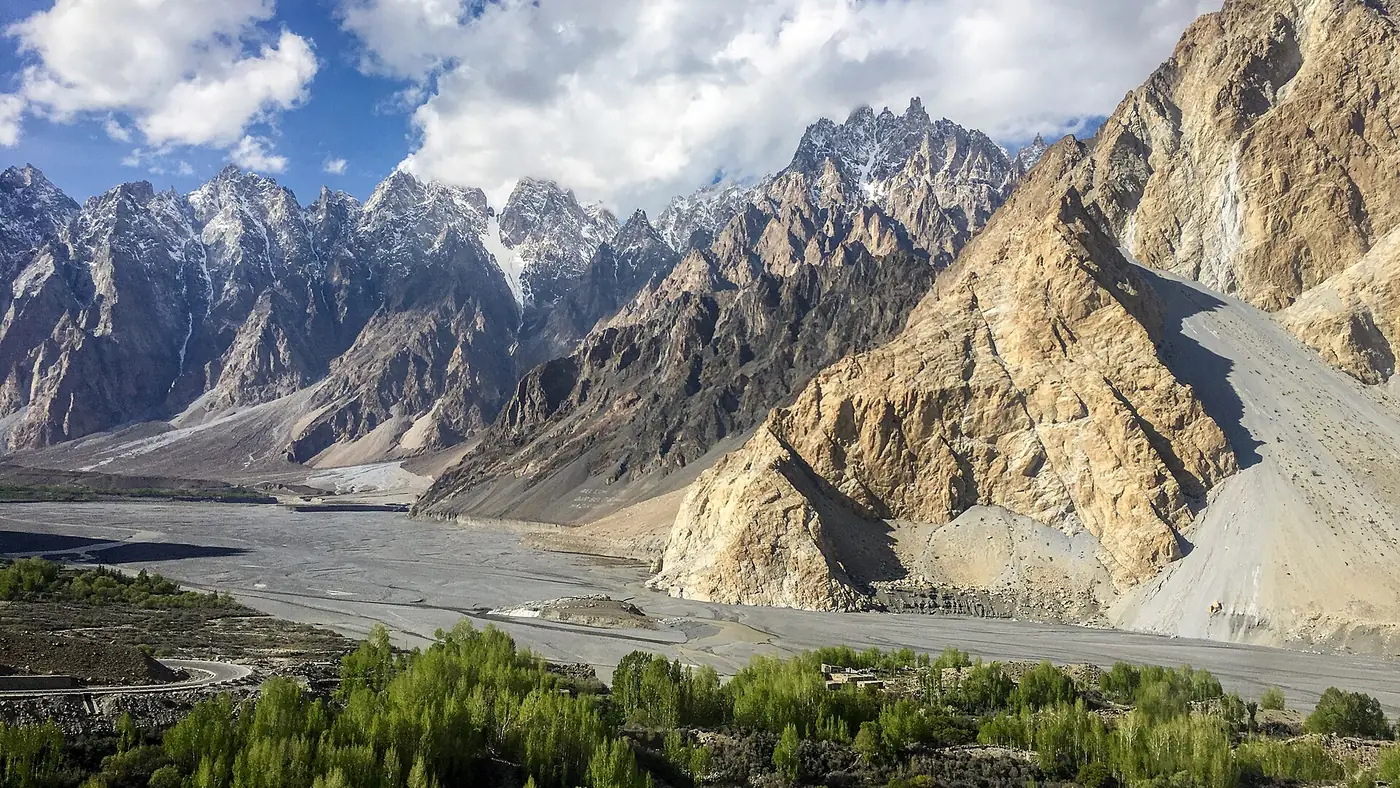
The route leaves Passu on the same side as the Passu glacier and climbs a steep, exposed trail onto the ridge that separates it from the Batura glacier, one of the longest glaciers outside the polar regions. From the top of the climb you look down on the Passu glacier on one side and up the long white corridor of the Batura on the other, with Tupopdan and the Passu Cones behind you. Our guide to the Passu Cones covers that view from the road.
The path then crosses the open ground of Yunz, a summer grazing area above the glaciers, before dropping to the moraine at the edge of the Batura glacier and following it round towards Janabad, a small settlement on the north side of Passu. From there a track climbs to Borith Lake, from which a road runs back down to the Karakoram Highway near Hussainabad.
How long it takes
Treat this as a full day. Most of the climbing is in the first two to three hours out of Passu, and the crossing of Yunz and the descent to the glacier moraine take longer than they look on a map because the ground is uneven and there is no clear path in places. Add the final climb up to Borith Lake and most walkers need eight to ten hours in total.
Some guides split the loop over two days, camping in Yunz or near the moraine, which makes for an easier pace and better light for photographs of the Batura glacier. If you have the time, this is the more comfortable option, especially for a first attempt at the route.
When to go
June to September is the season. Snow can linger on the higher ground into June in a heavy year, and the exposed upper trail is unpleasant and slippery in rain or fresh snow, so a settled forecast matters more here than on an easier walk. Our guide to the trekking season in Gilgit-Baltistan covers how the calendar works across the region.
Guide and difficulty
This is not a marked trail. The exposed section above Passu has real drops beside it, the crossing of Yunz has no obvious line, and the moraine at the edge of the Batura glacier shifts as the ice melts, so the safe route across it changes from year to year. A local guide from Passu who knows the current state of the ground is the sensible choice, and for anyone without recent scrambling experience, close to essential.
Carry more water than you think you need, since there is little reliable water on the ridge and pasture sections. A trekking pole helps on the loose, steep ground, and boots with a firm sole matter more here than on most day walks in Hunza.
Is it worth it?
For a strong walker who wants a proper day in the mountains rather than a stroll to a viewpoint, yes. The views of two glaciers from ground that very few visitors reach are hard to match anywhere else near Passu, and finishing at Borith Lake, rather than retracing your steps, makes the whole day feel like a real crossing rather than an out-and-back walk.
It is not the trek for a family day out or for anyone unsure on steep, loose ground. If that describes your group, the short walks to the Passu glacier snout or up to Borith Lake by road cover similar scenery with far less effort; our guide to things to do in Passu lays out those easier options.
Frequently asked questions
How difficult is the Yunz Valley trek?
It is a demanding day, with a steep, exposed climb out of Passu, an unmarked crossing of high pasture, and a descent across glacier moraine. It suits fit walkers with some scrambling experience rather than beginners.
Do I need a guide for the Yunz Valley trek?
Yes, in practice. The path is not marked, the moraine route changes as the glacier melts, and there is no phone signal on the ridge, so a local guide who knows the current ground is the safe choice.
Can the Yunz Valley trek be done in one day?
Most fit groups do it as a single long day of 8 to 10 hours from Passu. Splitting it over two days with a camp in Yunz makes for an easier pace.
When is the best time for the Yunz Valley trek?
June to September, once the snow has cleared from the higher ground. Go on a settled day, since the exposed sections are unpleasant and unsafe in rain.
Where does the Yunz Valley trek end?
At Borith Lake, reached by the track down from Janabad on the north side of Passu. From the lake a road runs back to the Karakoram Highway near Hussainabad, a short drive from Passu village.