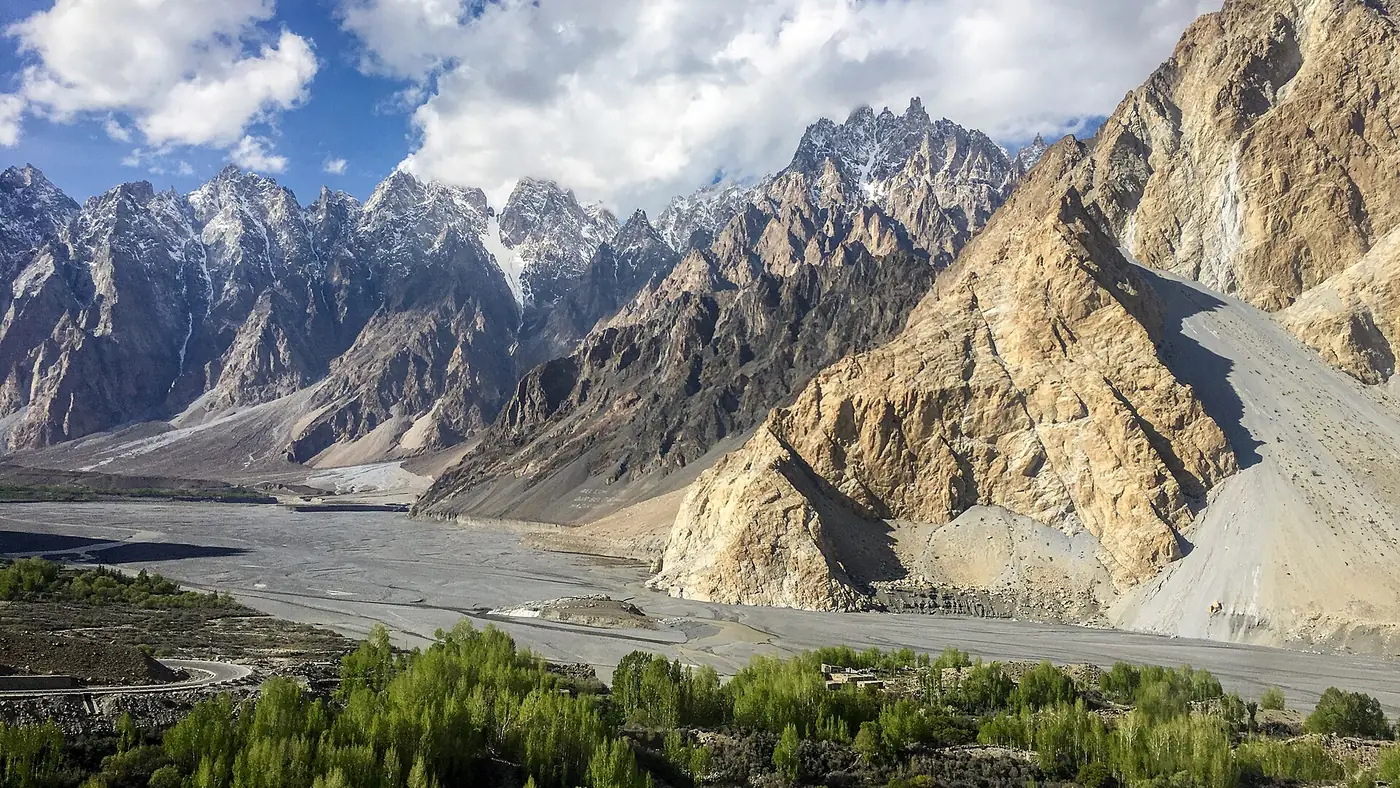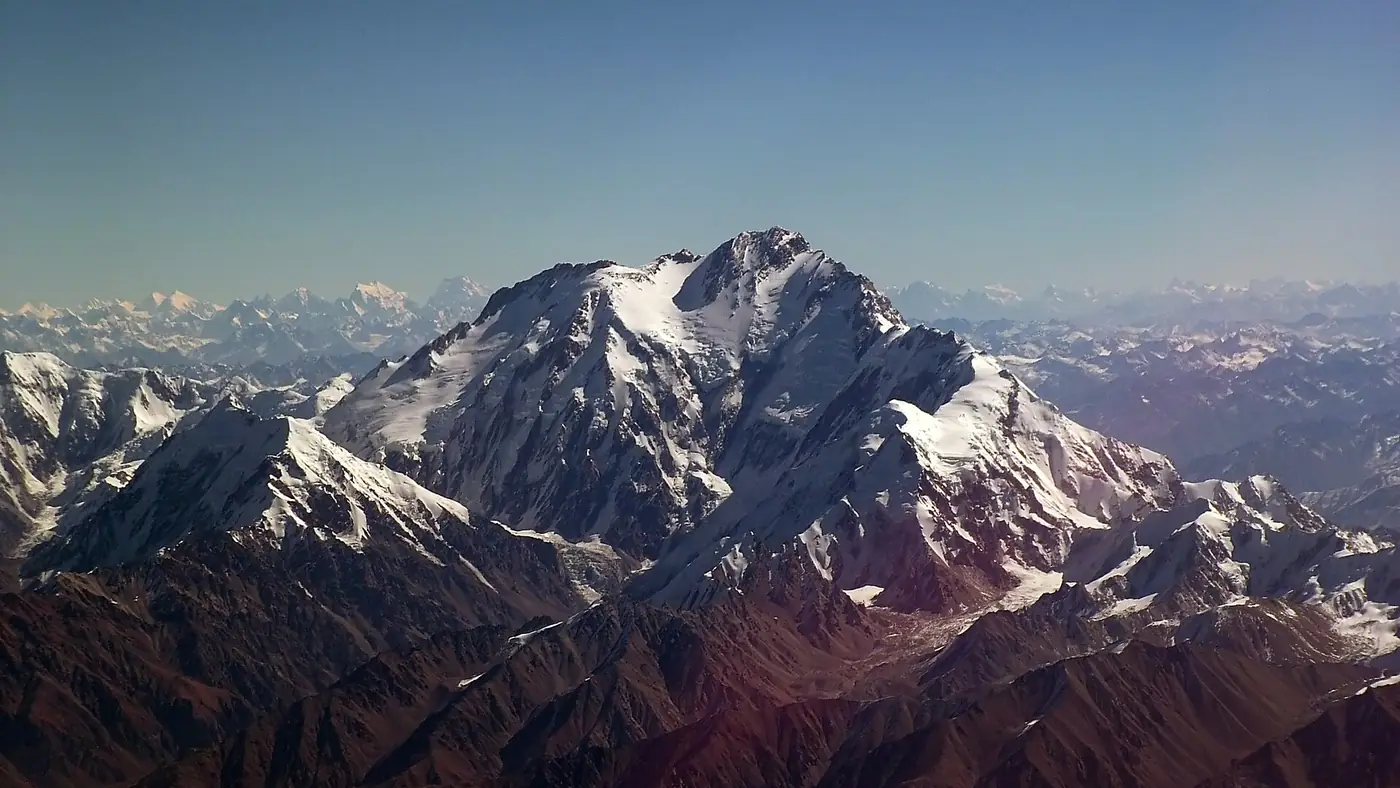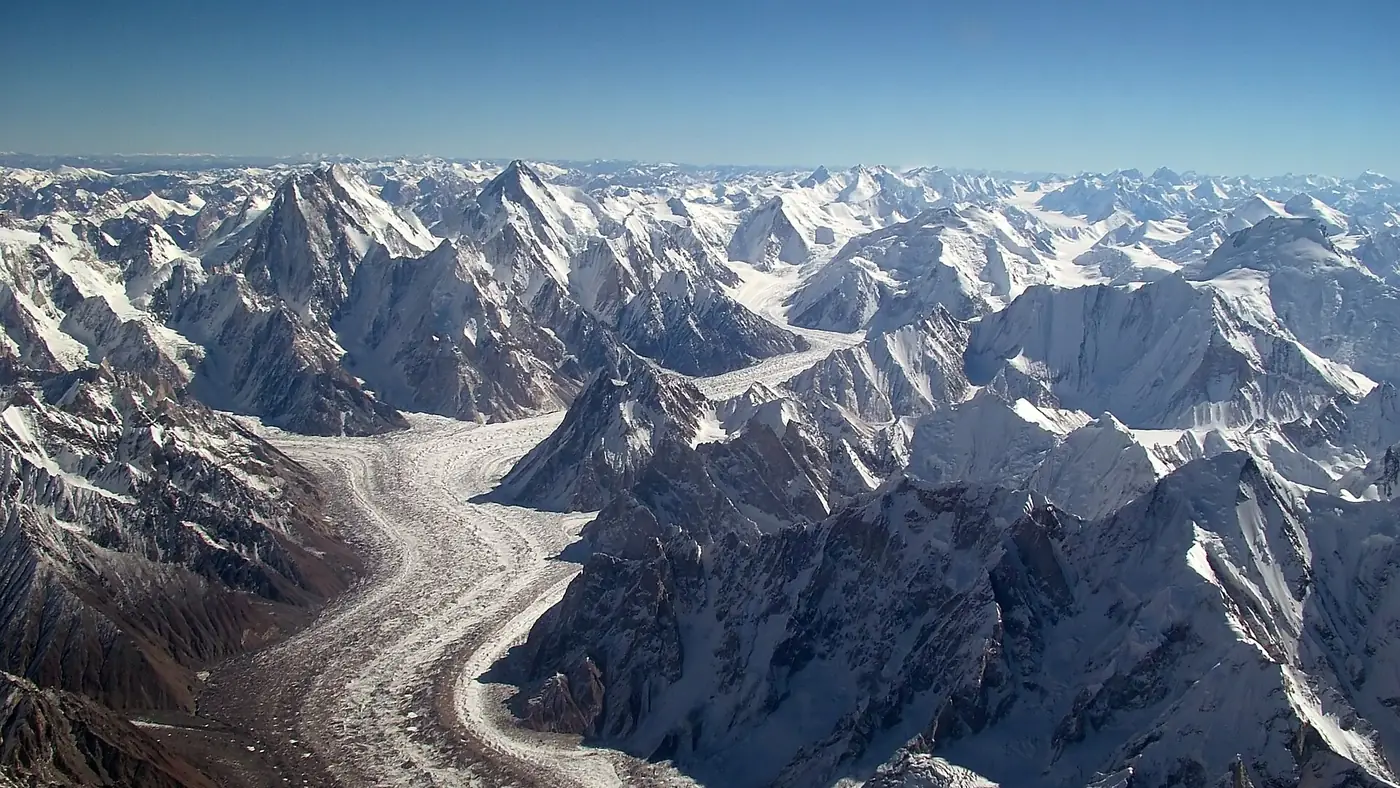
Most trekking in Gilgit-Baltistan needs no permit at all. Open-zone routes like Rush Lake, the Naltar valley treks or the walk to Nanga Parbat base camp can be done on a CNIC alone. A permit is only required for restricted zones, chiefly the Baltoro glacier and the approaches to K2, Broad Peak, Gasherbrum and Gondogoro La, plus any peak above 6,500 metres anywhere in the region.
Knowing which category your trek falls into, and what it costs, saves a wasted trip to an agency at the last minute.
| At a glance | |
|---|---|
| Open zone | No permit needed for trekking below 6,500 m |
| Restricted zone | Baltoro, K2, Broad Peak, Gasherbrum, Gondogoro La and similar |
| Trekking fee, restricted zone (Pakistani nationals) | About PKR 15,000 in summer (2025 rate) |
| Trekking fee, restricted zone (foreign nationals) | About $150 for one month (2025 rate) |
| Environment fee | Additional charge in Central Karakoram National Park |
| Where to apply | Alpine Club of Pakistan, or through a licensed trekking agency |
Open zone or restricted zone: what's the difference?
Gilgit-Baltistan's trekking routes fall into two categories. In the open zone, both Pakistani and foreign trekkers can walk without a permit, provided no peak involved goes above 6,500 metres. This covers most of what recreational trekkers actually do: Rush Lake, the Naltar and Daintar passes, Rakaposhi base camp, Kutwal Lake and the approach walks to Nanga Parbat and Fairy Meadows.
The restricted zone is smaller but covers the region's best-known high routes: the Baltoro glacier and everything that follows from it, including K2 base camp, Concordia, the Gasherbrum base camps and Gondogoro La. These require a trekking permit regardless of nationality, issued through the Alpine Club of Pakistan or a licensed trekking or expedition agency, along with entry arrangements for the Central Karakoram National Park, through which the Baltoro route passes.
Any peak above 6,500 metres needs its own permit from the GB Council, whether it sits in an open or restricted area.
What does a trekking permit cost?
Fees are set for the season and vary by whether you are trekking in summer, autumn or winter, and by nationality. For 2025, the published trekking fee for a restricted-zone route was around PKR 15,000 per person for a summer trek, dropping to roughly PKR 10,000 in autumn and PKR 5,000 in winter, for Pakistani nationals. Foreign nationals paid around $150 for a summer permit valid for one month, with lower rates in autumn and winter.
On top of the trekking fee, an environment or waste-management fee applies for parties entering the Central Karakoram National Park, which covers the Baltoro and the approaches to K2 and the Gasherbrums.
These figures change from year to year and are set fresh each season, so treat them as a guide rather than a fixed number, and confirm the current rate with your agency or the Alpine Club before budgeting your trip.
How to apply
For an open-zone trek, there is nothing to apply for. Carry your CNIC, as you would anywhere else in Gilgit-Baltistan, and follow the usual check-in at any police or army post along the route.
For a restricted-zone trek, the permit is arranged through the Alpine Club of Pakistan or through a licensed trekking or expedition agency, who will also handle Central Karakoram National Park arrangements and the porter registration required at the start of the trek, usually at Askole. Applications are best submitted well in advance of the trek; processing has taken several weeks in past seasons, so this is not something to leave until arrival in Skardu.
What Pakistani trekkers need to know
Pakistani nationals pay a lower fee than foreign visitors for the same restricted-zone permit, but the requirement itself applies equally. A Pakistani passport or CNIC does not exempt anyone from needing a permit for the Baltoro or a 6,500-metre-plus peak; it only affects the price.
For everything below the restricted zone and the 6,500-metre threshold, which covers the large majority of treks Pakistani travellers actually do in a week or two off work, no permit is needed at all beyond a CNIC.
Planning around the permit
If your trip includes a restricted-zone trek such as K2 base camp or Gondogoro La, build the permit into your planning timeline from the start rather than treating it as paperwork to sort out in Skardu. Most trekking agencies bundle the permit, national park fee and porter arrangements into one package, which is the simplest route for most Pakistani trekkers. Our guides to the K2 base camp trek and hiring guides and porters in Gilgit-Baltistan cover what else is arranged alongside the permit itself. For the many open-zone routes that need none of this, our guide to the best treks in Gilgit-Baltistan is a better starting point.
Frequently asked questions
Do Pakistani trekkers need a permit for Gilgit-Baltistan?
Only for restricted-zone routes such as the Baltoro, K2 base camp, Gondogoro La and the Gasherbrum approaches, or for any peak above 6,500 metres. Open-zone treks need no permit, just a CNIC.
How much does a Gilgit-Baltistan trekking permit cost?
For a restricted-zone route, Pakistani nationals paid around PKR 15,000 for a summer permit under the 2025 fee schedule, with lower autumn and winter rates. Fees are set each season and can change.
Where do I get a trekking permit for the Baltoro or K2 base camp?
Through the Alpine Club of Pakistan or a licensed trekking agency, who will also arrange the related Central Karakoram National Park entry.
How long in advance should I apply?
Well before your trip. Processing restricted-zone permits has taken several weeks in past seasons, so apply as soon as your dates and route are fixed.
Is there a separate fee for the national park?
Yes. Central Karakoram National Park charges its own environment or waste-management fee on top of the trekking permit for routes passing through it, including the Baltoro.