
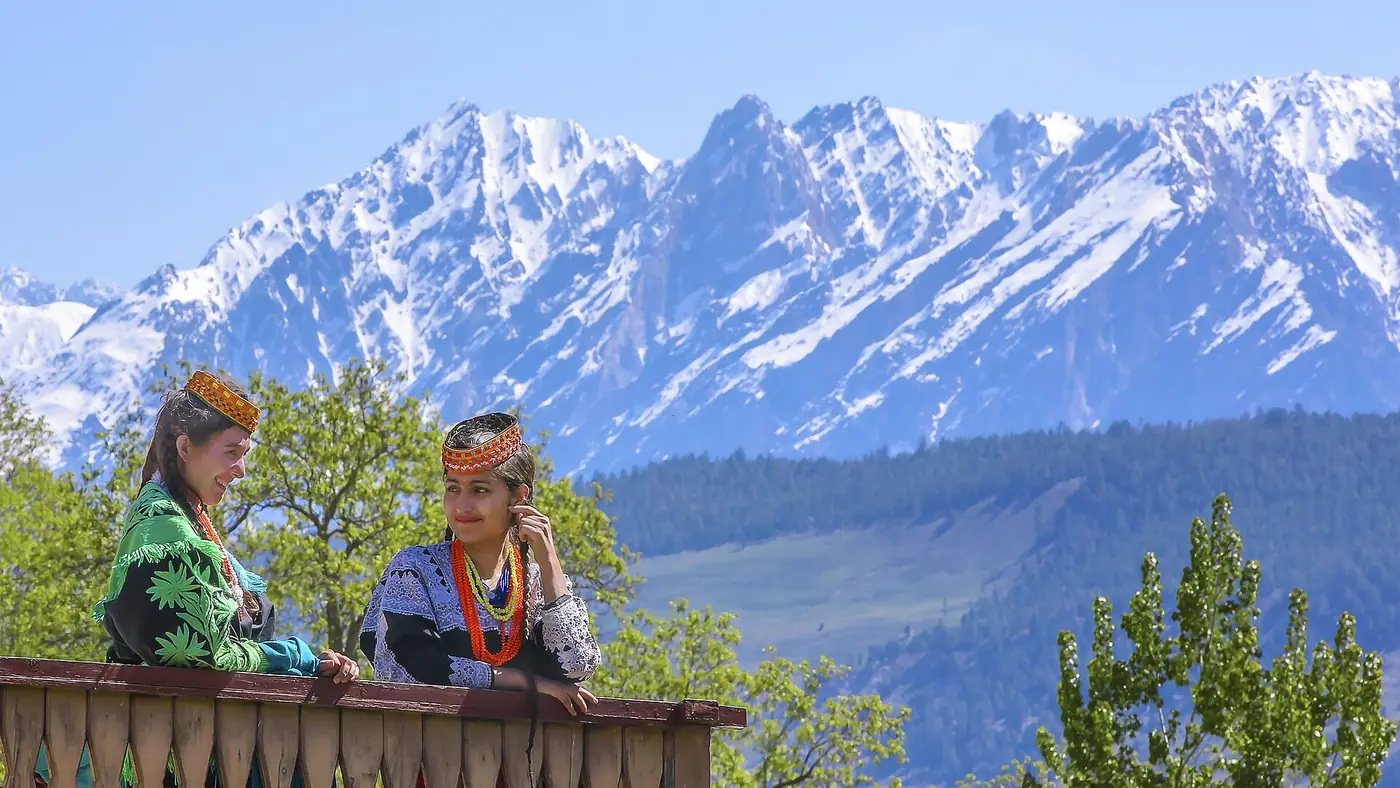
The Uchal festival is the Kalasha summer harvest celebration, held in the Kalash valleys of Chitral around 20 to 22 August, giving thanks for the wheat and barley harvest. It is smaller and less crowded than Chilam Joshi in May, but it still fills the dancing grounds in Bumburet and Rumbur, and in 2026 police were posted at the dancing grounds and on the roads to manage the traffic.
This guide covers when Uchal falls, what it marks, what a visitor can expect to see, and how to attend without getting in the way.
| At a glance | |
|---|---|
| When | Usually around 20 to 22 August |
| Where | Bumburet and Rumbur, mainly; Birir keeps its own autumn harvest, Phool |
| What it marks | Thanks for the wheat and barley harvest |
| Crowds | Smaller than Chilam Joshi, but busy, with police on the roads in 2026 |
| Tickets | None; pay the usual entry fee at the checkpost |
| Photography | Ask first, as at any Kalash festival |
When is Uchal?
Uchal usually falls around 20 to 22 August, though as with every Kalasha festival the exact days are set by the community rather than fixed on a calendar, so treat any date, including this one, as a guide to confirm nearer the time. It sits between the two better-known Kalash festivals: Chilam Joshi in mid-May welcomes spring, and Chaumos in December marks the winter solstice. Uchal falls in between, at the point in the farming year when the wheat and barley are in.
Check the exact dates with your guesthouse in Chitral or Ayun before you travel, since a short trip built around the wrong few days will miss it.
What the festival celebrates
Uchal is a thanksgiving festival for the summer grain harvest: wheat and barley brought in from the fields around the villages. Like the Kalash's other festivals, it combines a religious purpose, giving thanks and asking for continued good fortune, with a social one, bringing families together for singing and dancing at a season when the hardest farm work of the year is done.
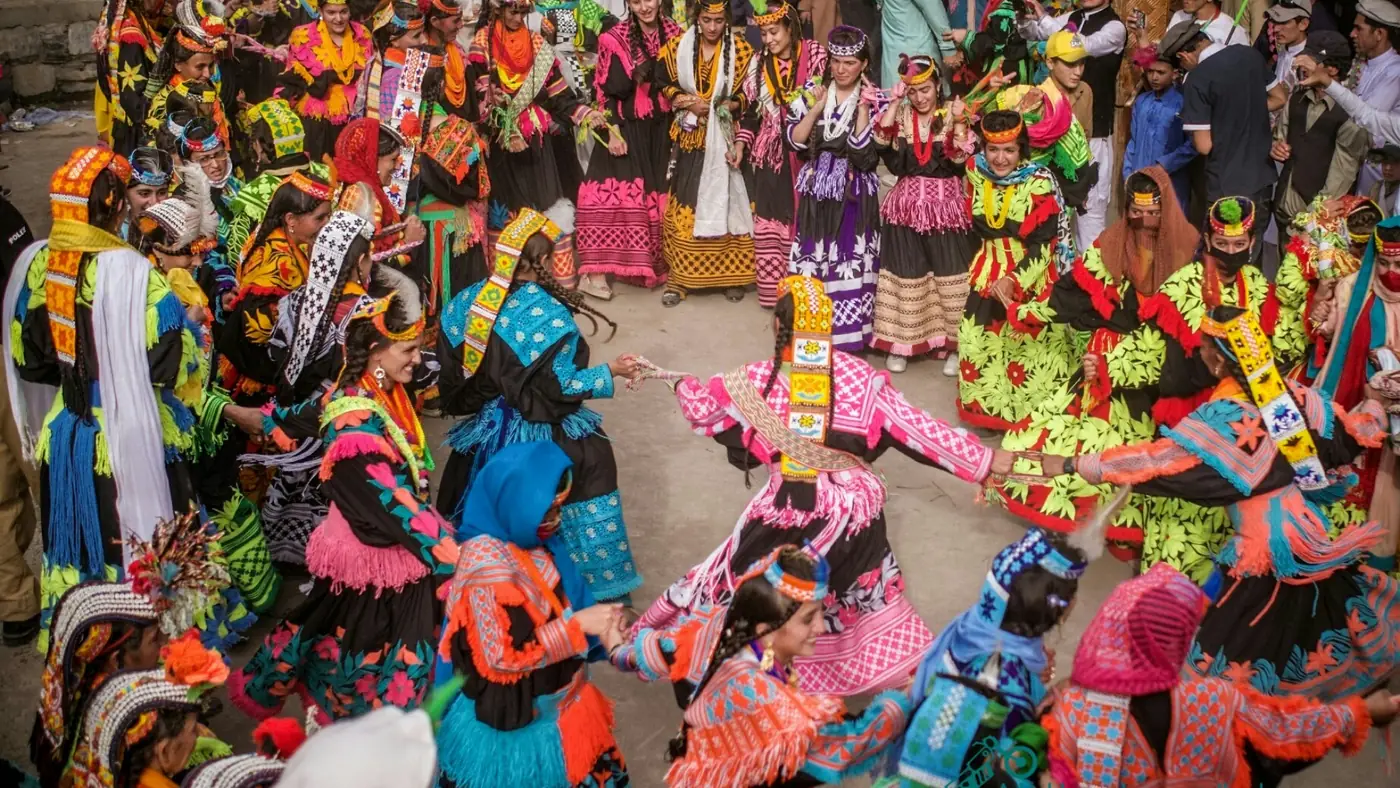
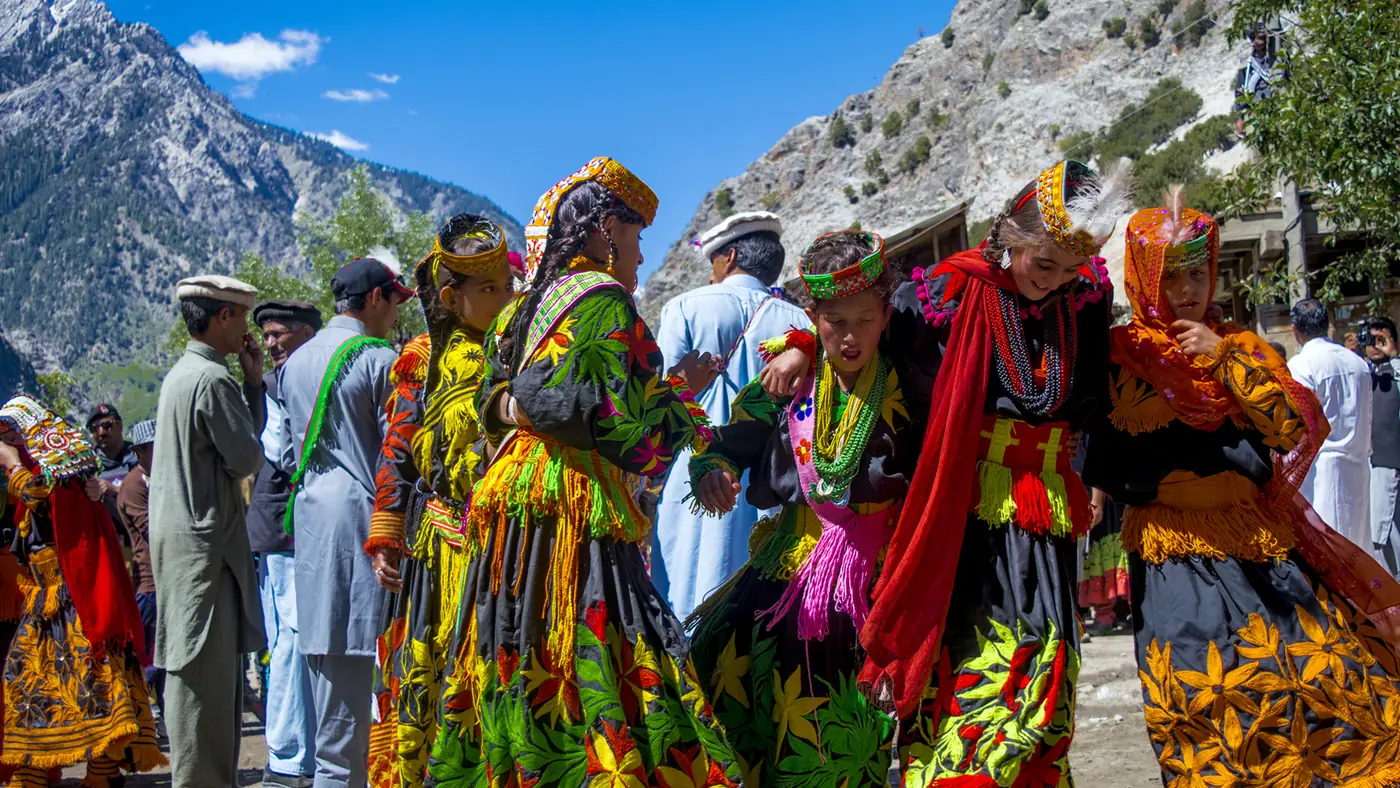
It is a smaller occasion than Chilam Joshi, without the multi-day build-up or the closing procession that draws people from all three valleys into Bumburet. What it keeps is the dancing: groups gather at the village dancing grounds in the afternoons and evenings, with drums, singing, and the circle dances that run through every Kalasha festival. For the wider beliefs behind these occasions, our guide to Kalash culture and etiquette is a useful starting point.
Where to see it
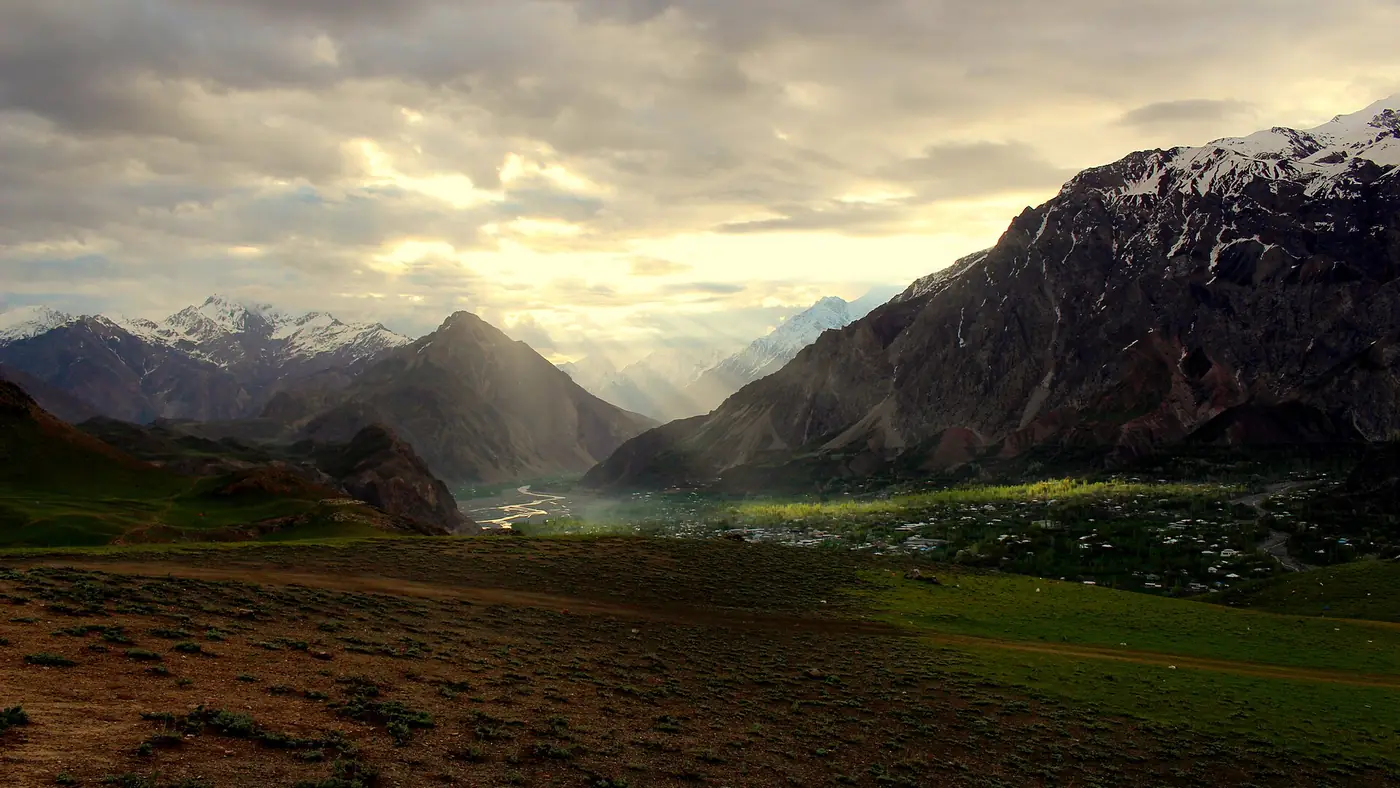
Bumburet and Rumbur hold the main Uchal celebrations. Bumburet, as the largest and best-equipped valley, tends to draw the bigger crowds and the heavier traffic on the days themselves, while Rumbur's version is smaller and easier to watch without a crowd around you. Our guides to Bumburet and Rumbur cover where to stay in each.
Birir does not celebrate Uchal in the same way. Its own harvest festival, Phool, falls later, around mid-October, and marks the valley's grape and walnut harvest rather than the wheat and barley crop. Our Birir valley guide covers it.
What visitors may attend
Uchal is more open to outsiders than Chaumos in December, and closer in spirit to Chilam Joshi, though on a smaller scale.
- The dancing and singing at the village dancing grounds are the parts a visitor can watch, standing at the edge rather than inside the circle.
- Ask before photographing anyone, especially women and girls, and accept it if you are told no.
- Keep away from ritual spaces you haven't been invited into: shrines, altars and the Jestak temple, where the goddess of home and family is honoured.
- Follow instructions from police and Kalasha elders on the day. In 2026, police managed both the dancing grounds and the roads because of the numbers attending.
- Don't expect a fixed programme. As with the other festivals, the order of events on each day is set by the community, not published in advance.
Planning a visit for Uchal
- Book a room in the valley itself, not a day trip from Chitral. Traffic on the road from Ayun gets heavy around festival days, and staying in Bumburet or Rumbur means you can walk to the dancing.
- Carry cash, drawn in Chitral town, for the entry fee at the checkpost and for your stay.
- Bring warm layers for the evening. Late August days are warm in the valleys, but nights cool quickly at this altitude.
- Keep a spare day. Roads into the valleys are still being rebuilt in places, and a single day's delay shouldn't cost you the festival if you build in slack.
Uchal or one of the other festivals?
If you want the biggest, most photographed Kalash occasion, Chilam Joshi in May is still the one to plan around, and our Chilam Joshi guide covers it in full. If you would rather see a Kalash festival without the size of Chilam Joshi's crowds, Uchal is the better choice: smaller, calmer, and still very much a live occasion rather than a show staged for visitors.
For a trip outside festival season altogether, June, September and early October give you the villages at their most relaxed, with rooms easy to find. Our guide to the best time to visit the Kalash valley weighs festival weeks against the quieter months, and our trip planning page explains how we build festival days into a wider Chitral trip.
Frequently asked questions
When is Uchal festival in 2026?
Around 20 to 22 August, though the Kalasha set the exact days closer to the time. Confirm with your guesthouse in Chitral before booking travel.
What does Uchal celebrate?
The summer wheat and barley harvest. It is a thanksgiving festival, marked with singing and dancing at the village dancing grounds in Bumburet and Rumbur.
Is Uchal the same as Phool in Birir?
No. Uchal is celebrated in Bumburet and Rumbur for the wheat and barley harvest. Birir keeps its own separate harvest festival, Phool, later in the year, for grapes and walnuts.
Can tourists attend Uchal?
Yes, the dancing and singing are open to respectful visitors, similar to Chilam Joshi. Watch from the edge of the dancing ground, ask before photographing anyone, and follow instructions from police and elders.
Is Uchal crowded?
Less than Chilam Joshi, but still busy enough that police managed the dancing grounds and roads in 2026. Book a room in the valley rather than trying a day trip.
Do I need a ticket for Uchal?
No. There is no separate festival ticket; you pay the usual Kalash valley entry fee at the checkpost on the way in.
Is it safe for overseas visitors to visit the Kalash valleys?
Pakistani visitors travel to the valleys every season, but as of September 2026 the UK government advises against all travel to the Kalash valleys and on the N45 road from Mardan to Chitral. If you hold a foreign passport, check your own government's advice before you go, because travelling against it can void your insurance. Everyone should check local news and current police advice before setting out.
;_Tahsin_Shah_01.jpg)