Bumburet valley is the largest and busiest of the three Kalash valleys, one and a half to two and a half hours from Chitral town by way of Ayun. Its villages, Anish, Brun, Batrik and Krakal among them, line a single road up a green valley of fields and walnut trees, with the Kalasha Dur museum at Brun and more guesthouses than the other two valleys put together. Give it one night at least, and two if you can.
Most visitors to the Kalash valleys see only Bumburet. This guide covers how the valley is laid out, the villages and the museum, the walks, where to stay, and how Bumburet changes at festival time.
| At a glance | |
|---|---|
| Where | Lower Chitral, reached from Ayun on the main road south of Chitral |
| From Chitral town | 1.5 to 2.5 hours, depending on roadworks |
| Altitude | Around 2,000 metres |
| Main villages | Anish, Brun, Batrik and Krakal; Sheikhanandeh at the head of the valley |
| Museum | Kalasha Dur, at Brun, opened 2005 |
| Rooms | The widest choice in the Kalash valleys |
| Best months | Late May, June, September and October |
| Busiest | Chilam Joshi in mid-May, and Eid |
How the valley is laid out
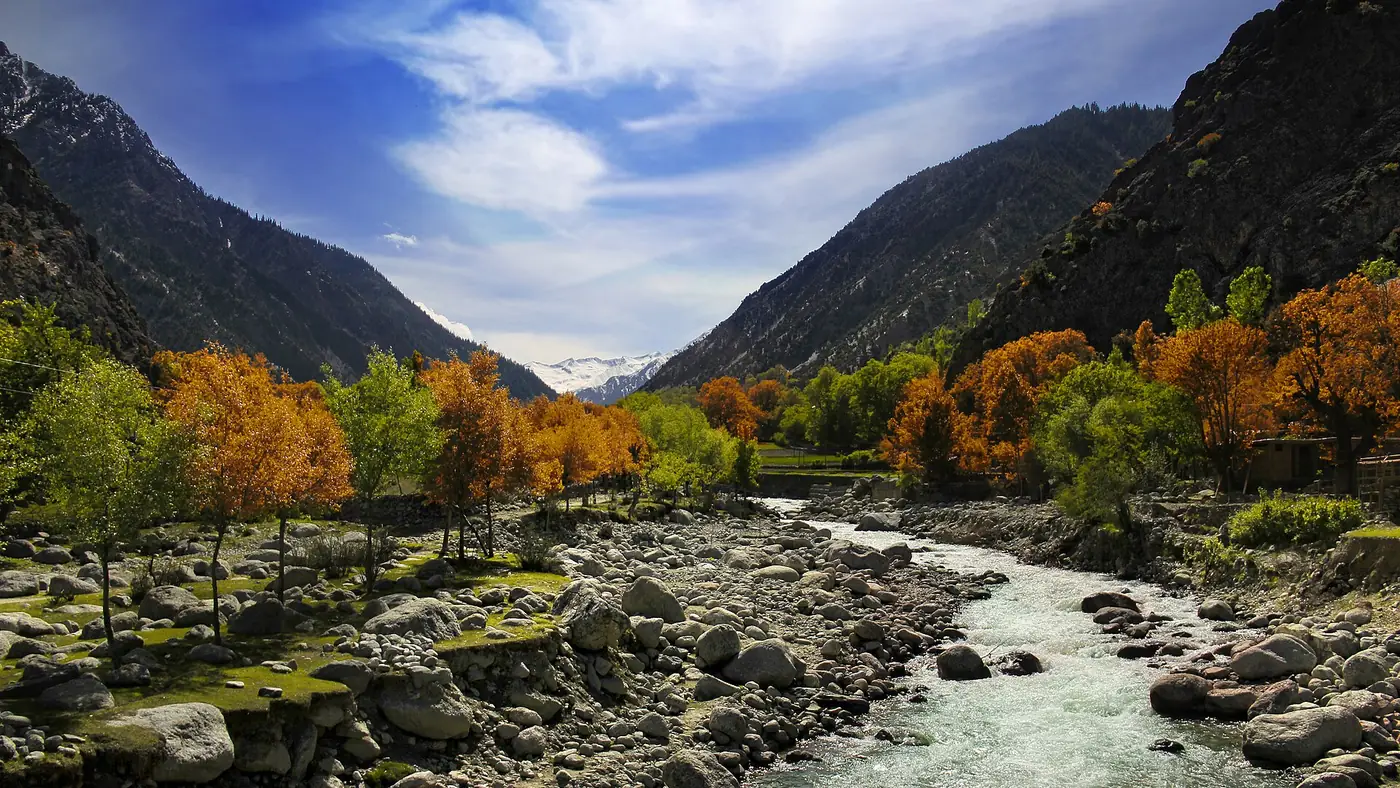
The road from Ayun climbs a gorge to the point where the Bumburet and Rumbur streams meet, passes the checkpost where visitors register and pay the entry fee, and turns up into Bumburet. From there one road runs up the valley floor, with the stream on one side and terraced fields, orchards and walnut trees climbing the slopes on the other.
The villages sit along this road, and the guesthouses with them. At the top of the valley is Sheikhanandeh, a village founded by people who came from Nuristan in Afghanistan from the 1890s onwards. They are Muslim, speak their own language, Kati, and are not Kalasha.
Bumburet is a mixed valley. Kalasha and Muslim families live side by side, often in the same village, and not every hotel is Kalasha-owned. Knowing that helps you understand what you are seeing, and where your money goes.
The villages
Brun is the natural first stop, because the museum is here. Walk from it into the village, where Kalasha houses of stone and timber have flat roofs that serve as outdoor living space.
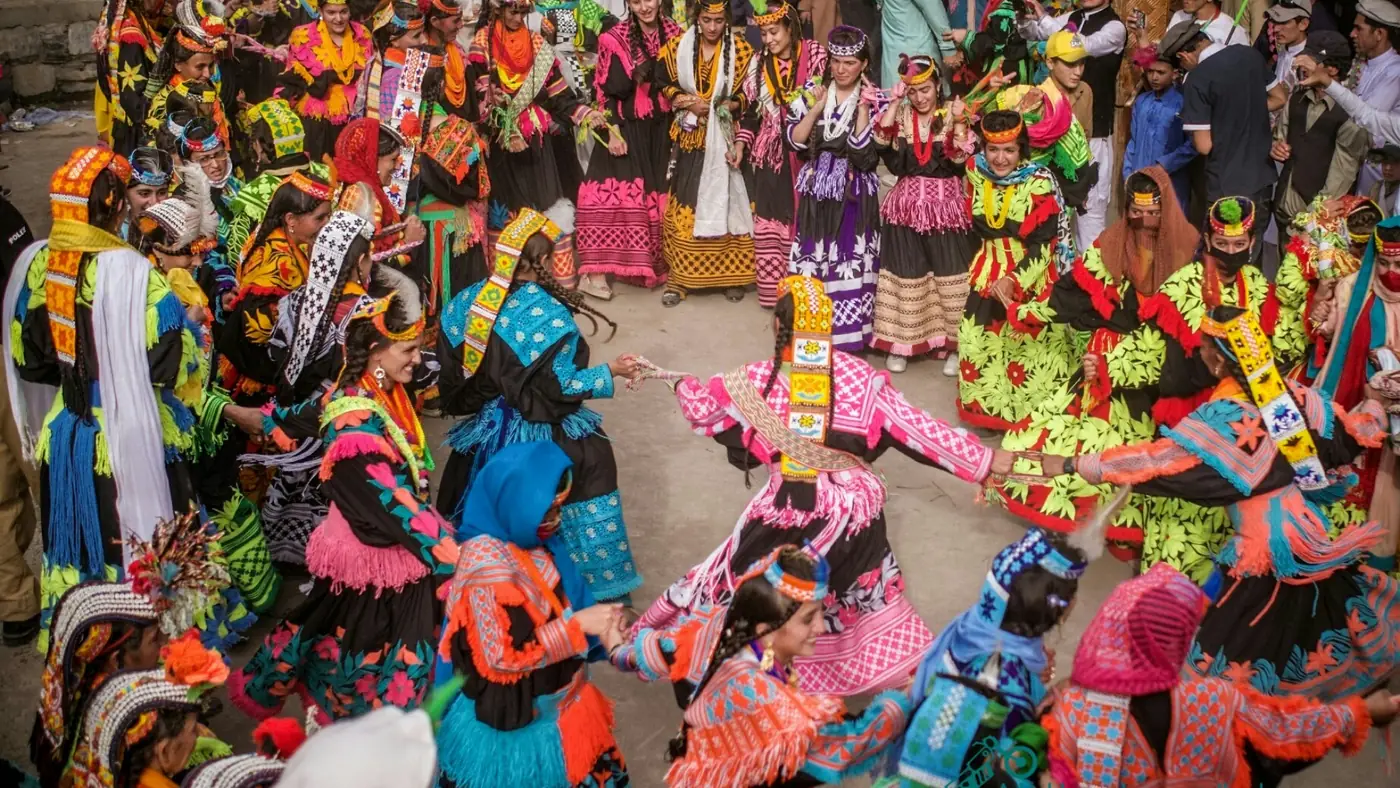
Batrik is where the valley's festival season comes to a head: the last rituals of Chilam Joshi are held here, before the closing dance.
Anish and Krakal mark the lower and upper ends of the main Kalasha settlements. Between them you pass dancing grounds, shrines, orchards and fields, and, on the edge of the villages, Kalasha graveyards with carved wooden figures.
Everywhere, remember that these are homes. Ask before crossing a courtyard or climbing onto a roof, and keep right away from the bashaleni, the women's house. Our guide to Kalash culture and etiquette explains the rules and the reasons for them.
The Kalasha Dur museum
The Kalasha Dur museum and cultural centre at Brun is the best introduction to the valleys, and the place to start on your first afternoon. It opened in 2005, built by a Greek volunteer group led by the teacher Athanasios Lerounis, and is now run by the Khyber Pakhtunkhwa Directorate of Archaeology and Museums.
Its collection of about 1,300 objects covers Kalasha life and the wider Hindu Kush: clothes and jewellery, tools, household things, weapons and musical instruments, bought or donated from all three valleys. The building mixes traditional Kalasha construction with modern methods, and the upper floor houses a school of Kalasha culture and a library.
Opening hours and ticket prices aren't reliably published, so ask at your guesthouse the evening before and plan to go in the morning.
Walks in Bumburet
The best way to see the valley is on foot, on the paths that run between the fields and villages rather than along the road.
- Up the valley, Anish to Krakal. About three hours on field paths through the villages, past orchards, water channels and the caves once used as hiding places in times of raids. You can walk one way and take a jeep back.
- Village walks with a Kalasha guide. An hour or two with someone who can explain what you are passing, and who can ask on your behalf before you take a photograph.
- Towards Sheikhanandeh at the head of the valley, for the change of scenery and people.
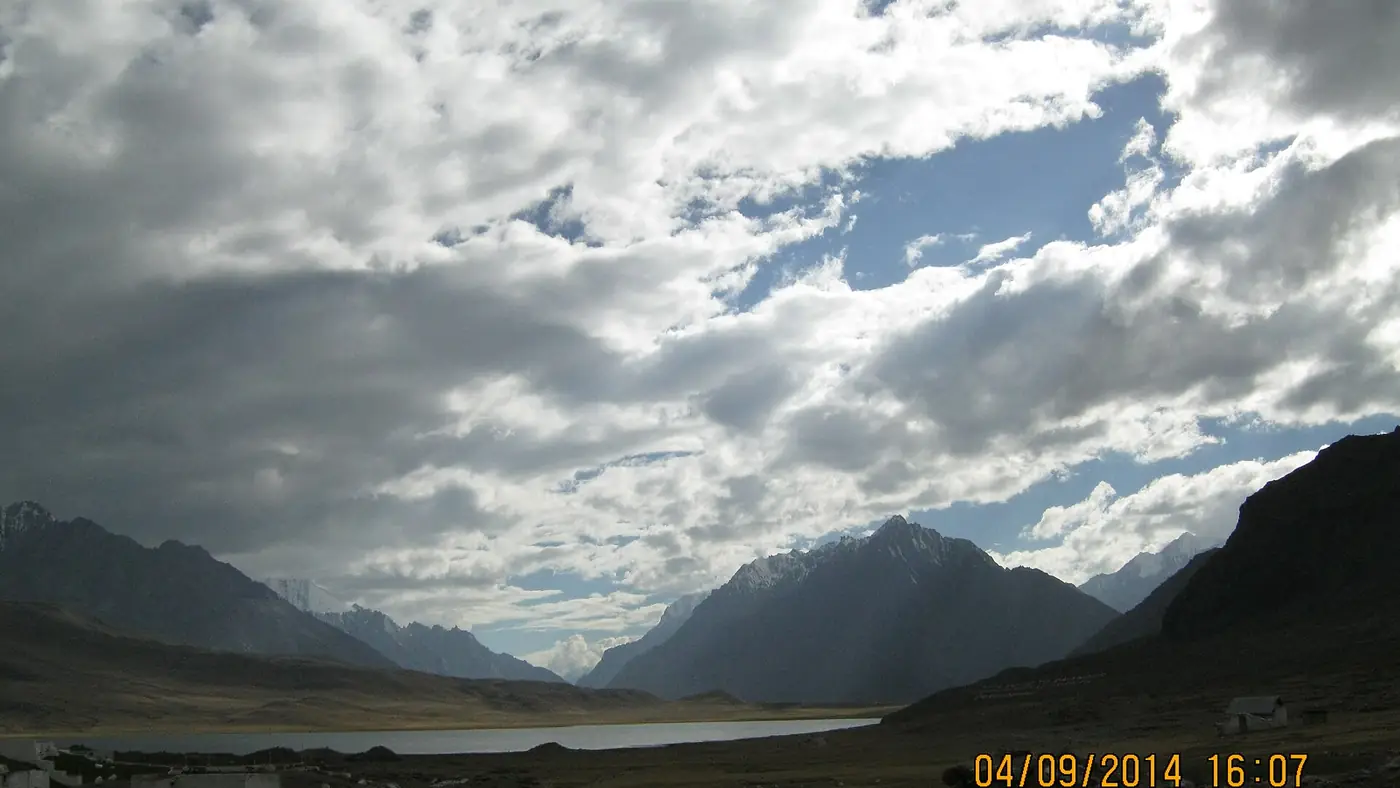
Keep your walks to the valley. The upper Bumburet valley runs west to the Afghan border, where militants attacked border posts in 2023, and the high paths towards the passes are not for visitors. After heavy rain, stay away from the streams: Bumburet was badly damaged by floods in 2015, and flash floods hit the valley again on 12 May 2026.
Where to stay in Bumburet
Bumburet has dozens of hotels and guesthouses, from simple family rooms to places built for Pakistani family groups, most of them along the road between Anish and Krakal. It is the only Kalash valley where a large group can usually find several rooms together.
When you book, ask:
- Who owns it. A Kalasha-owned guesthouse keeps your money with the community you have come to see.
- Whether meals are included, and whether dinner is cooked by the family.
- About hot water and heating, especially from October to April.
- About parking, if you have your own car.
Book well ahead for Chilam Joshi, Uchal and Eid, when every room in the valley goes. The rest of the year you can usually find something on arrival, but it is better to arrive in daylight with a booking. Mobile signal is patchy, so don't count on booking from the road.
Bumburet at festival time
Bumburet is where the Kalash festivals come to a head. The closing day of Chilam Joshi in mid-May brings a procession through the valley and hours of dancing at the central dance ground, and in 2026 the hotels were full. The final ceremonies of Uchal, in late August, were also held in Bumburet in 2026, and the last dance of Chaumos in December has been held at Brun.
If you want the festivals, stay in the valley so you can walk to the dancing. If you don't, avoid those weeks, when the road from Ayun can jam for hours. Our Chilam Joshi guide sets out what happens each day.
Getting there
From Chitral, drive or take a jeep south to Ayun, then up the side road to the checkpost and into the valley. The road from Ayun has been under reconstruction since 2022, and in July 2026 the work was due to move up into Bumburet itself once the lower section was finished, so expect roadworks through autumn 2026 and into 2027. A local jeep or a high-clearance car is the easier choice while that continues. Our guide on how to reach the Kalash valley covers the route, shared transport and the checkpost.
Is it safe?
Bumburet receives Pakistani families and foreign visitors through the season, and Rescue 1122 had teams stationed in the valley in 2026. But the valley runs to the Afghan border, and the UK government advises against all travel to the Kalash valleys. Check local news before you go, keep to the villages and valley paths, and call the KP tourism helpline, 1422, if you need help. Overseas visitors should know that their government's advice may say not to go, and that ignoring it can void travel insurance.
Bumburet or somewhere quieter?
Bumburet suits families, first-time visitors and anyone who wants a choice of rooms and the museum on the doorstep. It is the easiest of the three valleys to visit, and the easiest to enjoy with children or older parents.
It suits people less well who want quiet, or a valley where Kalasha life is not shared with a busy hotel strip. For them, Rumbur is the better base; our guide to the Rumbur valley explains why, and many visitors stay a night in each. For how the three valleys compare, see our Kalash valleys guide, and for how we fit a stay like this into a wider trip, our planning page.
Frequently asked questions
How far is Bumburet from Chitral?
Allow one and a half to two and a half hours from Chitral town, via Ayun on the main road south. The time depends on roadworks and traffic, especially at festival time.
Is Bumburet the same as the Kalash valley?
Bumburet is one of three Kalash valleys, with Rumbur and Birir. It is the largest and most visited, so many people use the names interchangeably.
Where should I stay in Bumburet?
Anywhere along the road between Anish and Krakal, ideally in a Kalasha-owned guesthouse. Book ahead for Chilam Joshi, Uchal and Eid.
Is there mobile signal in Bumburet?
It is patchy, and data is unreliable. Tell family where you are staying and download anything you need before leaving Chitral town.
What is there to do in Bumburet?
Visit the Kalasha Dur museum at Brun, walk the field paths between the villages, and spend an evening with your guesthouse family. In mid-May, the valley hosts the close of the Chilam Joshi festival.
Can I visit Bumburet in winter?
Yes, but it is cold and snow can block the road for days. The best reason to go is the Chaumos festival in December; check that your guesthouse is open and heated before you set out.