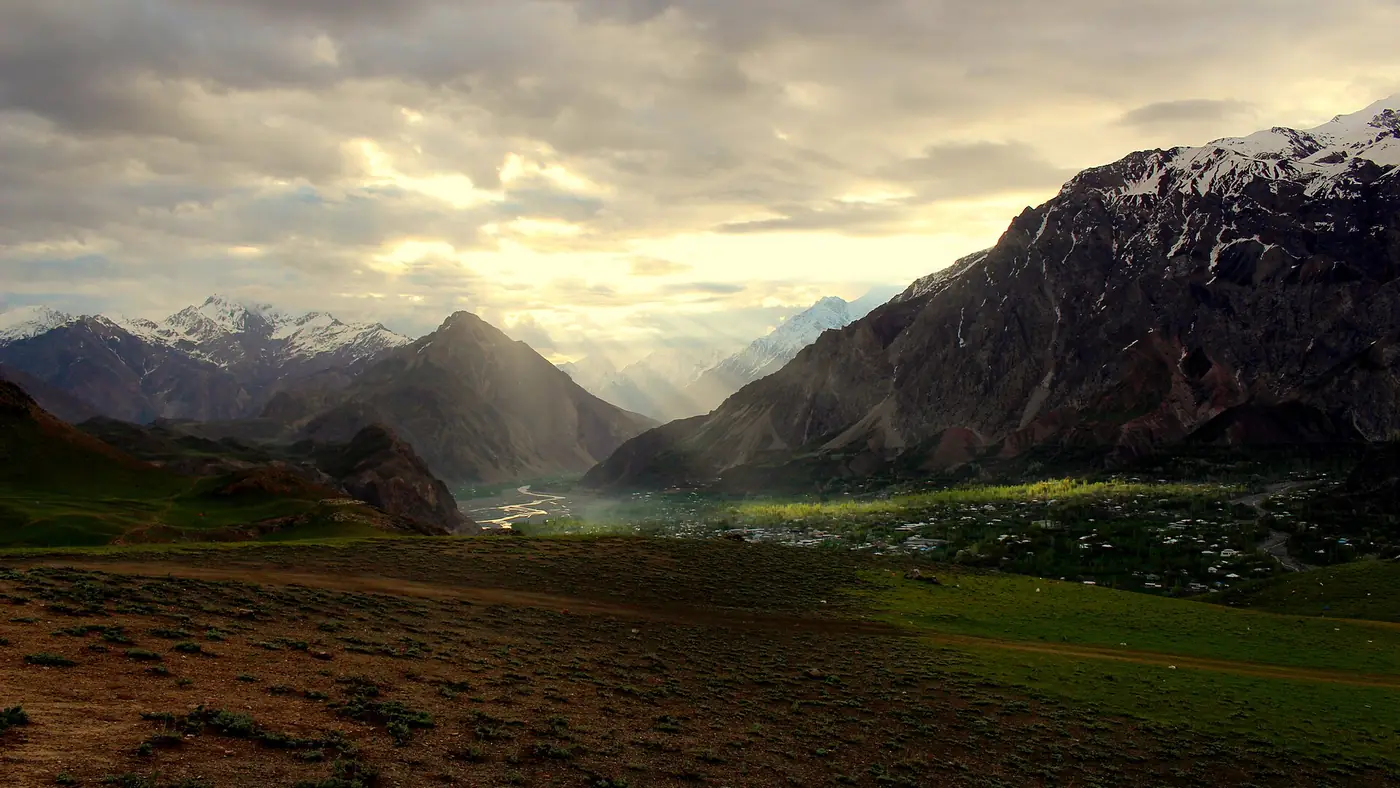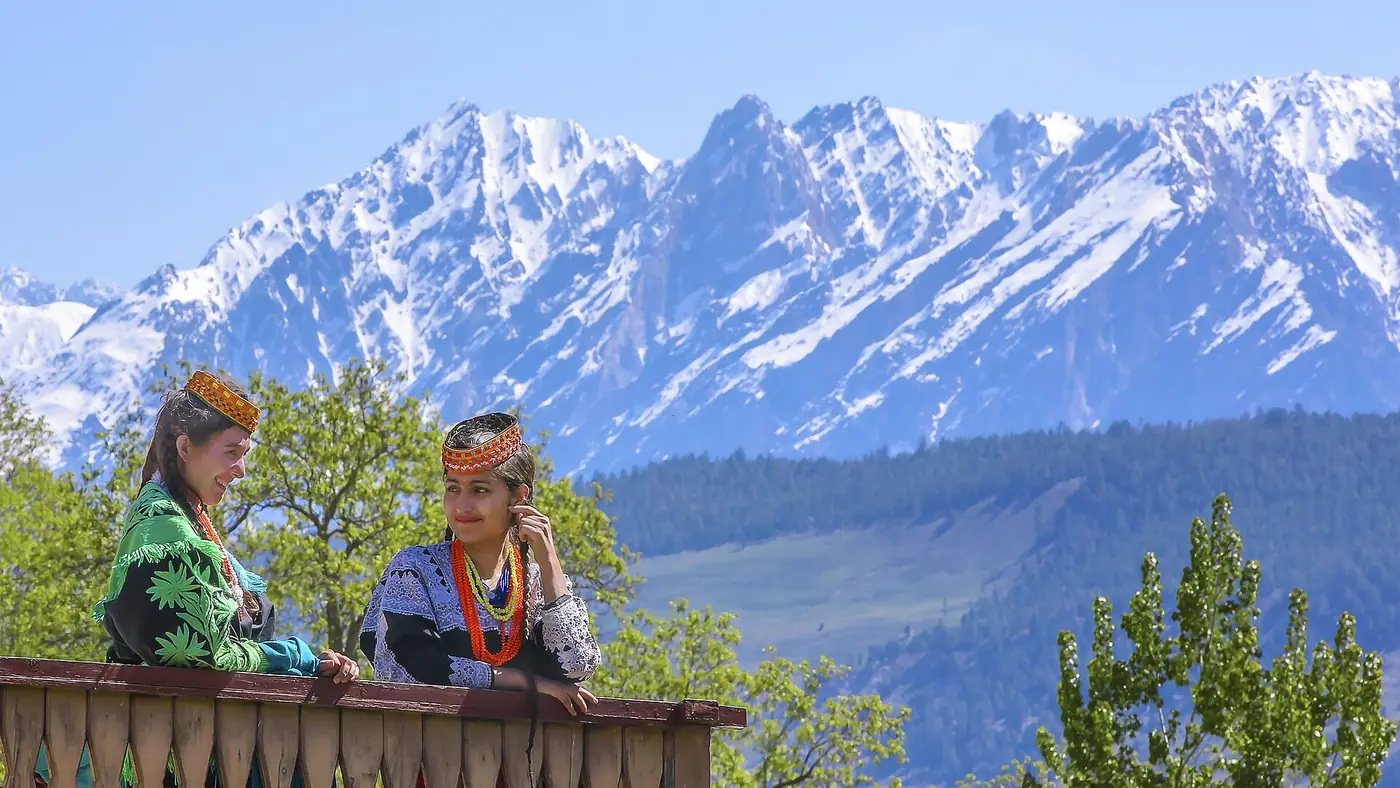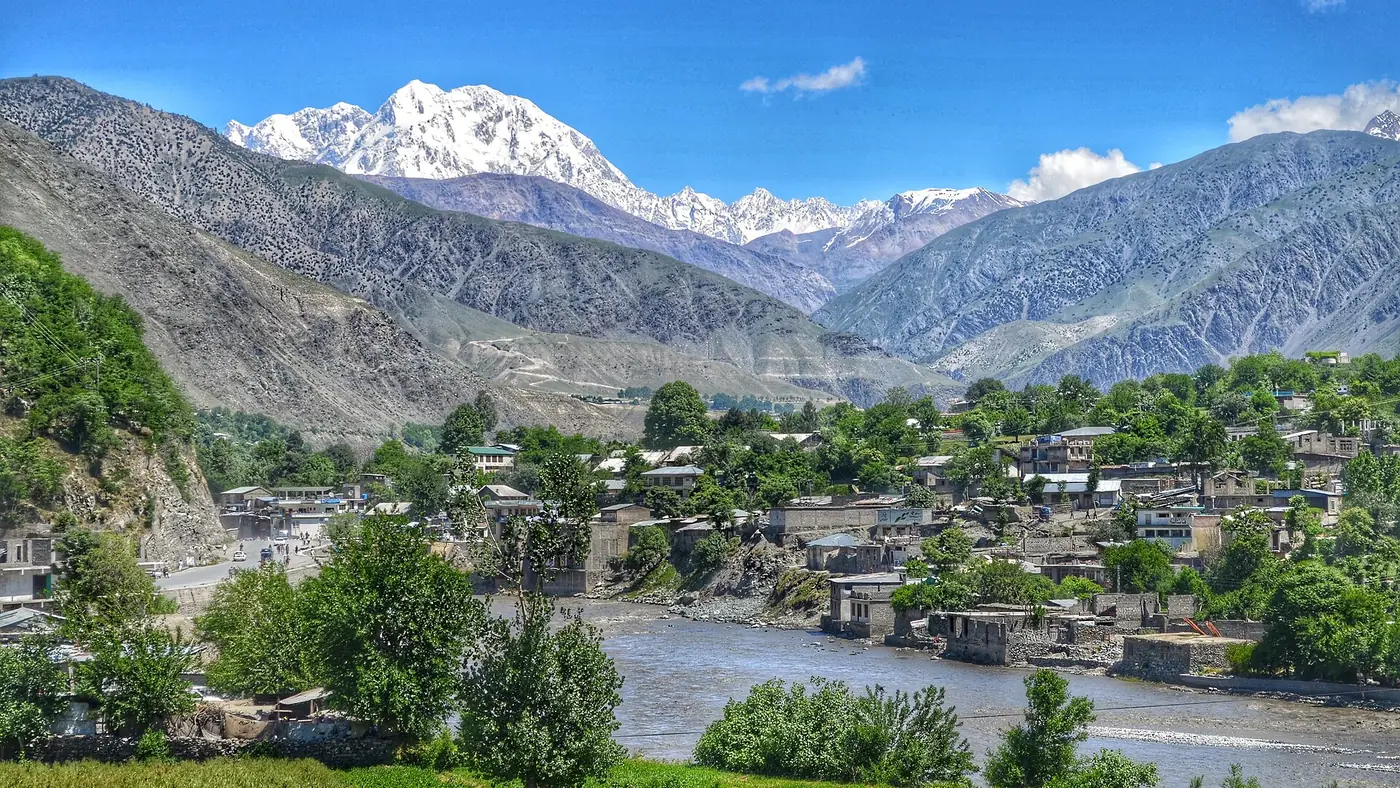
Birir valley is the smallest and least visited of the three Kalash valleys, reached by its own side road south of Ayun rather than the fork that leads to Bumburet and Rumbur. It has a handful of guesthouses, no museum and none of Bumburet's hotel strip, and it keeps a grape and walnut harvest festival, Phool, that the other two valleys don't celebrate. If Bumburet felt like a busy first stop on a Kalash trip, Birir is where you go next.
This guide covers how Birir differs from the other two valleys, the road in, the Phool harvest and its taboo, and where to stay.
| At a glance | |
|---|---|
| Where | South of Ayun, on its own road off the main Kalash turning |
| From Chitral town | About 2 to 3 hours, road condition depending |
| Character | The smallest, most conservative and least visited Kalash valley |
| Own festival | Phool, the grape and walnut harvest, in autumn |
| Rooms | A handful of guesthouses, around five in total |
| Transport | Shared jeep from Chitral when there is demand, or a hired jeep from Ayun |
| Museum | None; the Kalasha Dur museum is in Bumburet |
Why Birir is different
Birir runs south from the Kalash turning, its own valley rather than a branch of the Bumburet–Rumbur road, and that separation is most of the reason it sees so few visitors. Day-trippers from Chitral rarely make it here, tour groups mostly skip it, and the valley keeps a pace closer to what Bumburet and Rumbur had before the road improved.
It is also the most conservative of the three valleys, and the place where crafts and customs that have faded elsewhere in the Kalash valleys are still practised day to day. Our Kalash valleys guide sets out how all three compare, and our guide to Kalash culture and etiquette explains the customs worth knowing before you go.
Getting to Birir
From Chitral town, head south on the main road to Ayun, then take the Birir turning rather than the Bumburet and Rumbur fork. Shared jeeps for the Kalash valleys gather in Chitral in the early afternoon, but they run to Birir only when enough passengers want to go, so don't count on one. From Ayun itself, jeeps and cars for all three valleys are easier to find through the day.
The most reliable way in is to hire a jeep in Chitral or Ayun for the whole trip. The road is narrow, unpaved for stretches and runs above the river, so a high-clearance vehicle and a driver who knows it matter more here than in Bumburet. Allow two to three hours from Chitral town, more after rain. Our guide on how to reach the Kalash valley covers the checkpost and the wider road situation, which applies to all three valleys.
Phool: the grape and walnut harvest
Birir keeps a harvest custom the other Kalash valleys don't: for about two months before autumn, eating grapes and walnuts from the valley's own vines and trees is under a taboo, even though both grow here in quantity. The taboo ends on a day called Poo'n, when a valley elder opens the harvest by picking and eating the first bunch of grapes, and everyone else may then pick their own. The wider celebration around this, Phool, falls in autumn, broadly around mid-October, and marks the grape and walnut harvest with its own small rituals rather than the size of Chilam Joshi or Uchal.
It is a good reason to time a visit here if the bigger festivals in Bumburet and Rumbur don't suit you: fewer visitors, and a custom you won't see in the other valleys. Confirm the date with your guesthouse before you travel, since the Kalasha fix festival days by their own calendar rather than a fixed date each year. For the wheat harvest festival held in the other two valleys in August, see our Uchal festival guide; for how the festival calendar compares across the year, our best time to visit the Kalash valley guide sets it out.
Where to stay in Birir
Birir has only a handful of places to stay, around five guesthouses in total, some run by Kalasha families and a basic government resthouse. There is nothing like the choice of rooms in Bumburet, so:
- Book ahead through your Chitral hotel or a local guide, rather than turning up and hoping for a room.
- Expect simple accommodation: a bed, shared or basic bathrooms, and meals with the family rather than a menu.
- Bring cash, drawn in Chitral town. There is no cash machine in the valley.
- Have a backup plan. If Birir is full, Bumburet is the fallback, with a wider choice of rooms a short drive back towards Ayun.
Is Birir worth the extra effort?
For a first Kalash trip with limited time, no. Bumburet gives you the museum, the widest choice of rooms and the easiest road, and Rumbur gives you a quieter, more traditional valley without the extra driving. Birir is for travellers who have already seen one or both of the others, or who specifically want the quietest of the three valleys and don't mind a rougher road and very simple rooms.
If you do have three or four days for the Kalash valleys, Birir is a worthwhile add-on: a night here after Bumburet or Rumbur shows a side of Kalash life that most visitors never see. Our trip planning page explains how we build a stay like this into a wider Chitral itinerary.
Frequently asked questions
How do I get to Birir valley?
Drive south from Chitral to Ayun, then take the separate Birir turning rather than the Bumburet and Rumbur road. A hired jeep from Chitral or Ayun is more reliable than the shared jeeps, which run to Birir only when there is enough demand.
Is Birir the same as Bumburet or Rumbur?
No. Birir is a separate valley with its own road, reached apart from the fork that leads to Bumburet and Rumbur. It is the smallest and least visited of the three Kalash valleys.
What is Birir known for?
Its conservative, traditional character and its own harvest festival, Phool, which marks the end of a taboo on eating the valley's grapes and walnuts, in autumn.
Where can I stay in Birir?
In one of around five guesthouses in the valley, some Kalasha-run, plus a basic government resthouse. Book ahead through your hotel in Chitral, since rooms are limited.
Does Birir have a museum like Bumburet?
No. The Kalasha Dur museum is in Bumburet. Birir's appeal is the villages and the harvest custom rather than any single sight.
Is Birir safe to visit?
Like the other Kalash valleys, Birir lies near the Afghan border, and the UK government advises against all travel there. Check local news before travelling and keep to the village and valley roads; see our guide to whether Chitral is safe for the wider picture.