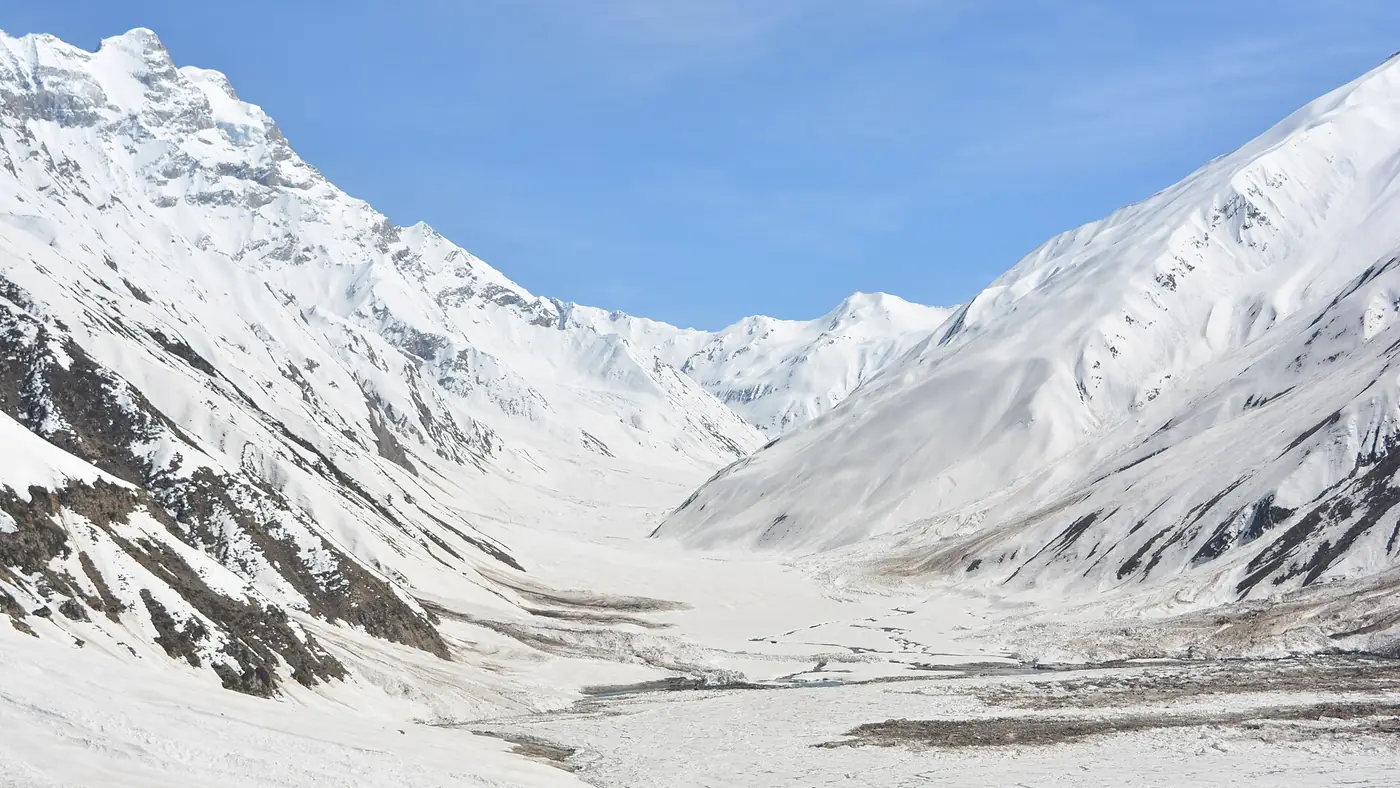
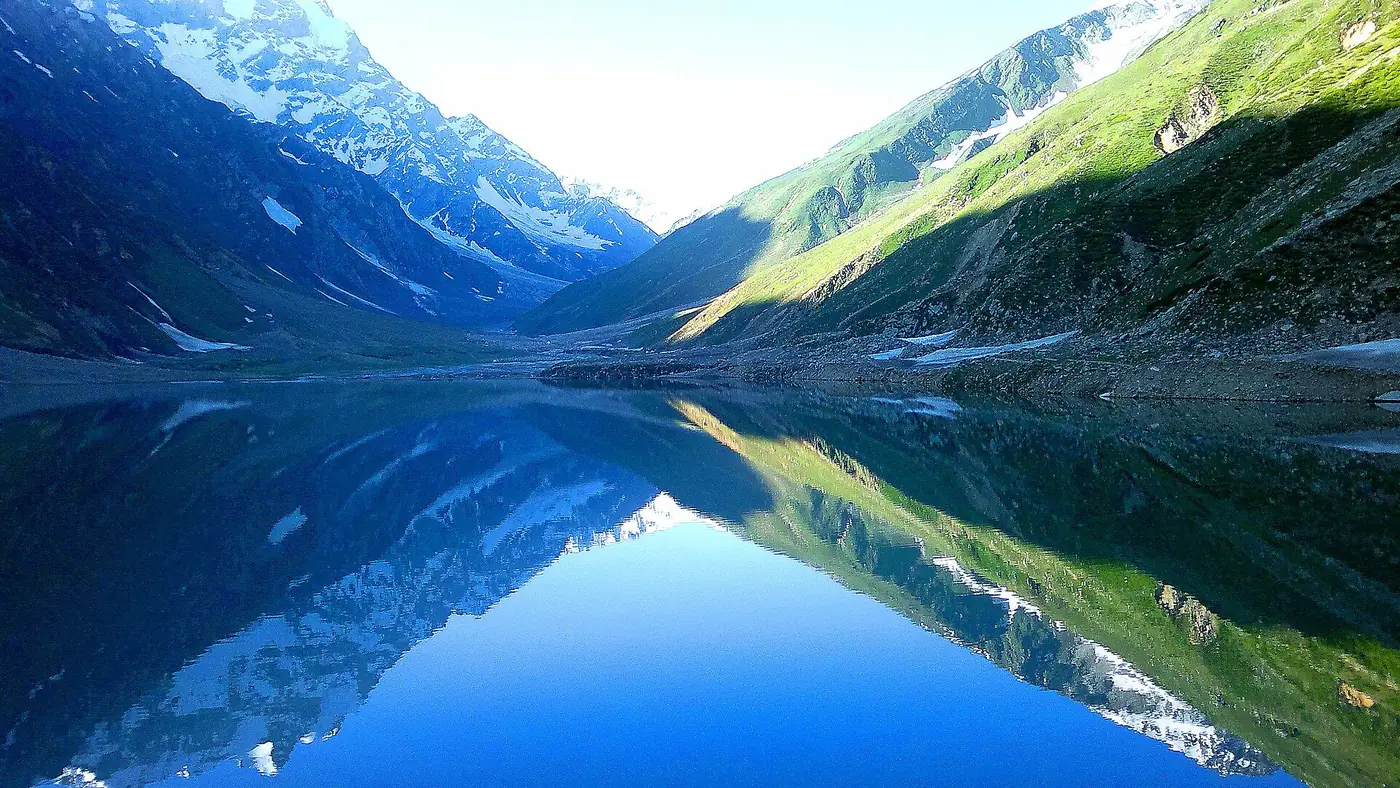
Naran in September is the valley at its calmest. The monsoon has passed, days are still mild at around 15 to 20°C, the road is open all the way to Babusar Top, and the crowds of July and August have thinned out once schools reopen. It is the month most repeat visitors quietly prefer over June.
This guide covers the weather, what is still open, how much quieter it really is, and what a September trip costs compared with peak summer.
| At a glance | |
|---|---|
| Naran temperatures | Days about 15 to 20°C, nights about 3 to 10°C |
| Babusar Pass | Open, usually until early or mid-November |
| Saif-ul-Malook | Open, clear of ice, quieter than summer |
| Crowds | Moderate, thinning further after the first week |
| Rain | Far less than July and August |
| Hotel rates | Generally the season's best value outside Eid |
Why September is the best month for many travellers
June has the crowds of the school holidays and Eid; July and August add monsoon rain and the risk of a closed road. September has neither. The Pakistan Meteorological Department's typical pattern for the region has the monsoon retreating by early September, and our own guide to the best time to visit Naran rates it, alongside June, as the strongest month in the valley.
Everything that matters is open: the road to Babusar, the jeep track to Saif-ul-Malook, the route to Lulusar Lake. What is missing is the traffic. Families travel less once the school term starts in the plains, and the Eid rush that fills Naran in summer does not fall anywhere near September for the next few years.
Weather in September
Days in Naran run roughly 15 to 20°C, cooling from the high summer figures of July and August, and nights drop further, from around 10°C early in the month to closer to 3°C by the end of it. It is the driest stretch since the pre-monsoon spring, though a shower is still possible.
Higher up it is colder again. Saif-ul-Malook, at 3,224 metres, and Lulusar Lake, at 3,410 metres, both run several degrees below the town, and mornings there can be close to freezing by late September. Bring a proper jacket, not just a light layer; our guide to Naran weather by month has the fuller monthly breakdown.
Is Babusar Pass open in September?
Yes. Babusar Top usually stays open from late May into early or mid-November, so September sits well inside the reliable window, with none of the late-May risk of a fresh closure. The drive up from Naran passes Lulusar Lake and the Gittidas meadows, both at their clearest and quietest this month; our Babusar Pass guide covers the drive stop by stop.
Snow is still possible at the top in any month the pass is open, so check the road status the evening before and dress for cold wind even on a sunny day.
Crowds and autumn colour
The first week of September can still carry some of the late-summer crowd, but from the second week the bazaar, the lake jeep queue and the road itself are noticeably quieter than in June, July or August. It suits couples, older travellers and anyone who found the idea of an Eid-season Naran offputting.
The valley is still green through most of September; the fuller gold and brown of autumn comes to the birches and the high meadows more in October. Towards the last week of the month you start to see the first change in the light and in the colour on the higher slopes, which suits anyone travelling for photography rather than for the fullest wildflower season.
Hotel rates and availability
Naran hotels set their own rates day by day, and September, alongside June, is generally reckoned the best value stretch of the open season. Rooms are easier to find without booking weeks ahead, and weekday rates in particular tend to sit below the peak summer and Eid prices. Our Naran trip cost guide sets out budget, mid-range and comfort figures for the trip as a whole.
As with any month, confirm the rate and what it includes directly with the hotel rather than relying on an old quote, since prices move through the season.
Who should visit Naran in September
Go in September if you want the valley with everything open and few of the queues: at Saif-ul-Malook, on the road to Babusar, and in the bazaar itself. It also suits anyone who struggled with the heat and crowds of a summer trip before and wants to try again.
It suits you less if you specifically want the wildflowers and full green of early summer, or if you are travelling with very young children who feel the cold nights badly; pack for temperatures closer to those of late autumn than midsummer. If your dates are flexible, the last two weeks of September usually beat the first two.
For help planning the dates and the stops around them, send us your plans and we will put together a route for your trip.
Frequently asked questions
Is September a good month to visit Naran?
Yes, generally the best alongside June. The monsoon has passed, the road is open all the way to Babusar Top, and crowds are far lighter than in July and August.
Is Babusar Pass open in September?
Yes, in a normal year it stays open well into September and usually until early or mid-November, weather permitting.
How cold does it get in Naran in September?
Days are typically around 15 to 20°C and nights fall from about 10°C early in the month to nearer 3°C by the end of it. It is colder still at Saif-ul-Malook and on Babusar.
Are hotel rates lower in September?
Generally, yes. September is one of the better-value months in the open season, alongside June, with easier availability than summer weekends and the Eid holidays.
Is Saif-ul-Malook worth visiting in September?
Yes. The lake is fully clear of ice, the weather is usually settled, and the crowds are lighter than in peak summer, especially from the second week of the month onward.