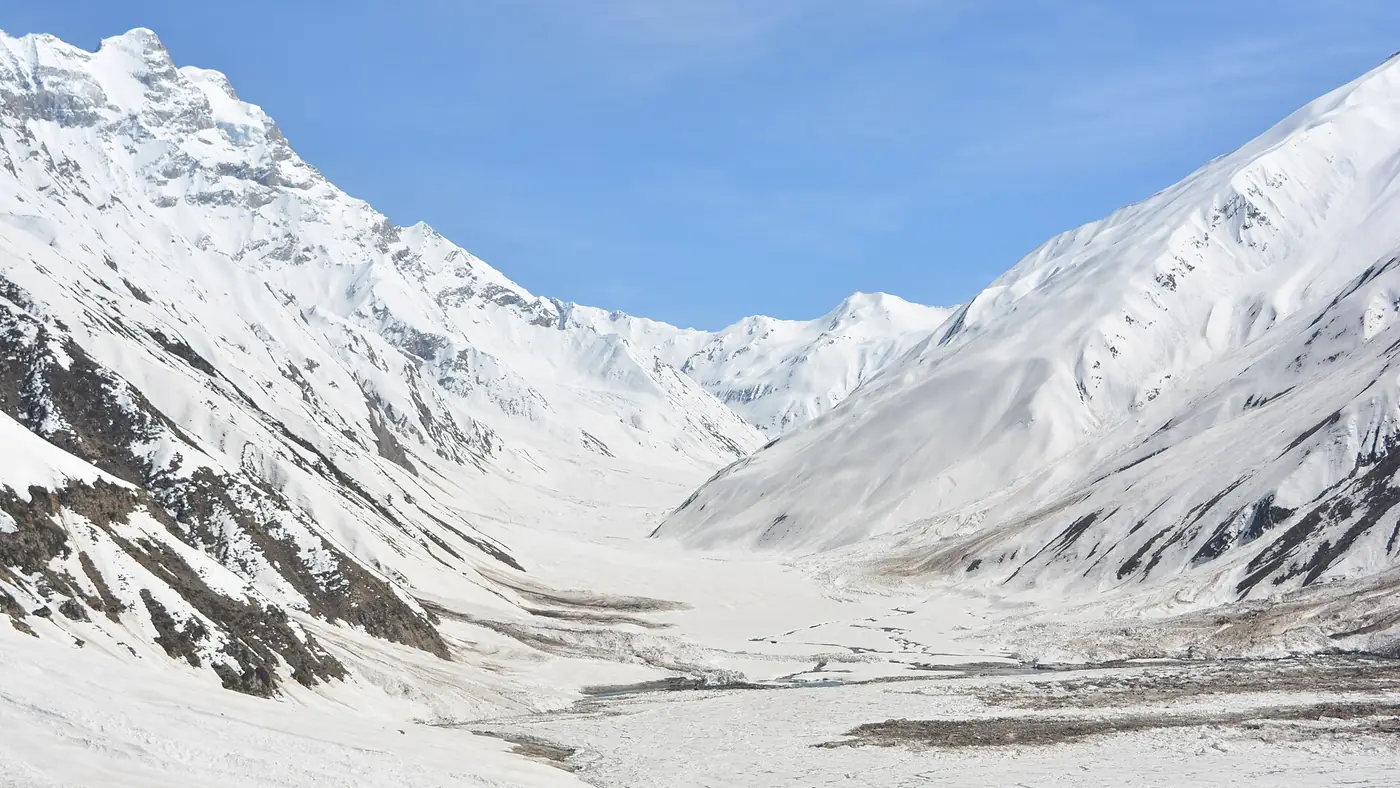
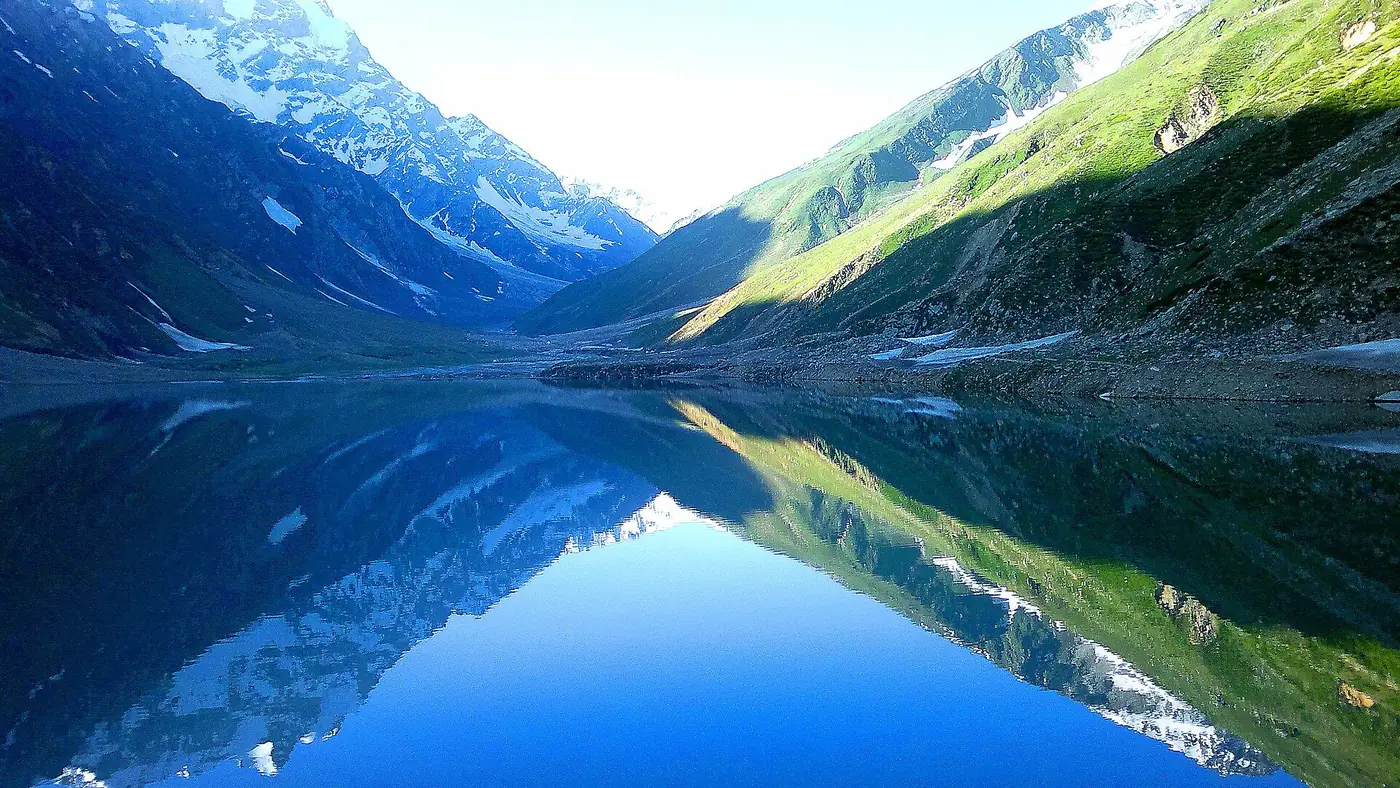
Naran in July is at its busiest and its wettest. Days are the warmest of the year, at around 18 to 22°C, everything in the valley is open, and it is also the peak of the monsoon, when heavy rain can bring landslides, flash floods and road closures with little warning. Most trips go ahead without trouble, but July needs a spare day built into the plan in a way June and September do not.
This guide covers what July is really like, why the road and the lake track close when they do, and how to plan a trip around the risk rather than ignore it.
| At a glance | |
|---|---|
| Naran temperatures | Days about 18 to 22°C, nights about 10 to 14°C |
| Season status | Everything open: Saif-ul-Malook, Lulusar, Babusar Top |
| Crowds | Among the busiest months of the year |
| Rain | Monsoon; heaviest of the season alongside August |
| Main hazard | Cloudbursts causing flash floods and landslides |
| Hotel rates | Among the highest of the year, especially weekends |
What July is like in Naran
July is Naran at its most complete. The road is open to Babusar Top, the lake is fully clear of ice, the meadows are green, and the days are warm enough that you barely need a jacket at midday in the bazaar. It is also, alongside June, one of the two busiest months, as families travel while the plains are at their hottest. Our guide to the best time to visit Naran sets July against the rest of the year.
Nights stay cool, at roughly 10 to 14°C, and it is colder again at the lake and on the pass, so pack a warm layer regardless of how hot the plains were when you left. Our Naran weather by month guide has the fuller monthly figures.
The monsoon and what it does to the roads
July and August bring the valley's heaviest rain of the year, and the risk is not a wet afternoon but a cloudburst: a short, very intense downpour that sends debris and water down the side valleys onto the road and the jeep tracks. In July 2026 this happened more than once.
- 13 July: mudslides came down at Khanian, blocking the Kaghan road for over an hour.
- 21 July: a cloudburst brought flooding to low-lying parts of the valley. The district administration in Mansehra evacuated hundreds of people from Kaghan bazaar and nearby settlements as a precaution, the main Kaghan bridge on the Mansehra–Naran–Jalkhad road was closed, and a landslide at Soach blocked the highway. A community early-warning system meant the evacuation happened before anyone was hurt, and the administration advised visitors to avoid the upper valley for three to four days.
- 30 July: flash floods washed away part of the Saif-ul-Malook jeep track. About 200 jeeps carrying tourists were stranded before being safely brought down.
Closures like this are usually measured in hours to a few days, not weeks, and the authorities generally reopen roads as soon as it is safe with heavy machinery. The lesson is not to avoid July, but to travel with slack in the plan.
Crowds in July
July shares the crowd pressure of June, without the Eid spike that sometimes lands nearby. Weekends are the busiest, and the queue for the Saif-ul-Malook jeep can run long from mid-morning onward. Rooms fill up in advance in the better hotels, and rates are close to their peak for the year; our Naran trip cost guide breaks down what that adds to a trip.
Travelling on a weekday, and taking the first jeeps of the morning to the lake, makes the biggest difference to how crowded July feels.
How to plan around the risk
- Keep a spare day in Naran, especially if your trip includes Babusar or the lake. A closure that clears in a few hours can still cost you the day.
- Check the forecast before you go up each day. The Pakistan Meteorological Department issues heavy-rain warnings for the Hazara division, and a warning is the clearest early sign that a road or track may close.
- Ask your hotel each evening. Staff in Naran generally know whether the road below is moving and whether the lake jeeps ran that day.
- Follow evacuation and travel advisories at once. When the district administration tells visitors to stay put or move to safer ground, that instruction has followed a real flood risk, not caution for its own sake.
- Avoid camping beside streams or in low-lying spots in the monsoon; water can rise fast after rain higher up the valley.
Our guide to whether the Naran road is open or closed explains where to check road status before you set off, and what usually happens after a closure.
Is July worth it?
For most visitors, yes, as long as the trip has some flexibility. July gives you the full valley: warm days, every road open, and the lake and meadows at their greenest. What it does not give you is certainty, and a family with fixed dates and no spare day is taking on more risk than one who can shift a day if the forecast turns bad.
If you would rather avoid the monsoon altogether, September gives you almost everything July does with far less rain and fewer people; see our guide to Naran in September. If July is when you can travel, build a spare day into the plan and treat any closure order as final rather than something to argue with. For help building that kind of buffer into your dates, see our travel guide or send us your plans.
Frequently asked questions
Is it safe to visit Naran in July?
Most trips go ahead without incident, but July is peak monsoon season, and cloudbursts have closed roads and the lake track for hours or days in recent years. Keep a spare day, check the forecast, and follow local closure orders.
How hot is Naran in July?
Days average around 18 to 22°C and nights 10 to 14°C. It is one of the warmest months in the valley, though evenings are still cool enough for a jacket.
Is Saif-ul-Malook open in July?
Yes, and it is one of the busiest months to visit, but the jeep track is also the first thing to close after heavy rain, sometimes for several days at a time.
What causes road closures in Naran in July?
Cloudbursts: short, intense bursts of monsoon rain that trigger landslides and flash floods on the road and jeep tracks. Closures are usually cleared within hours to a few days.
Is Babusar Pass open in July?
Yes, it is well inside its usual season, though the road can still close temporarily after heavy rain on either the Kaghan or the Gilgit-Baltistan side.
Should I avoid Naran in July?
Not necessarily, but plan with a spare day and flexible dates. If you would rather avoid the monsoon risk entirely, June or September carry a lower chance of a rain-related closure.