Kala Chashma, the "black spring" of Kumrat, is a cold, clear spring near the head of the jeep track, roughly 18 to 20 km beyond Thal in Upper Dir. You reach it by jeep through the forest, usually with a stop at Kumrat waterfall on the way, and then walk the last short stretch on foot. For most visitors it is where the jeep turns round and the day's picnic happens.
Despite the name, the water isn't black. This guide explains why it looks dark, how the ride and the walk work, what there is to do once you arrive, and when the stream crossings on the way make it a bad idea.
| At a glance | |
|---|---|
| Where | Upper Kumrat forest, beyond the main camping area and the waterfall |
| From Thal | Roughly 18 to 20 km of jeep track |
| Jeep time | About 1.5 to 2 hours each way, longer with stops or after rain |
| Walking | A short walk from the jeep; about an hour on foot from the waterfall area |
| Season | Roughly late May to October, whenever the track is open |
| Signal | None; the last reliable signal is in Thal |
| Beyond it | The track continues, rougher, towards Dojanga |
Where is Kala Chashma?
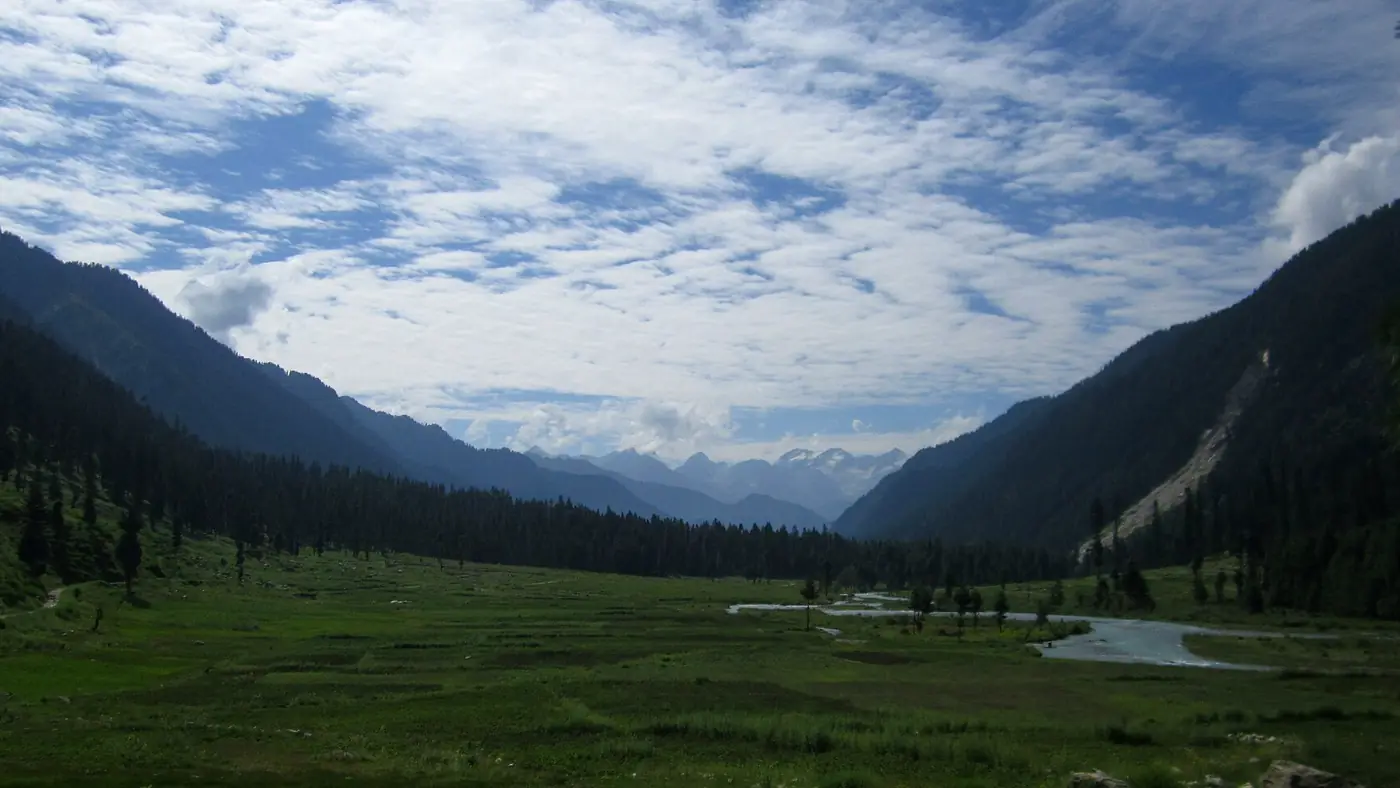
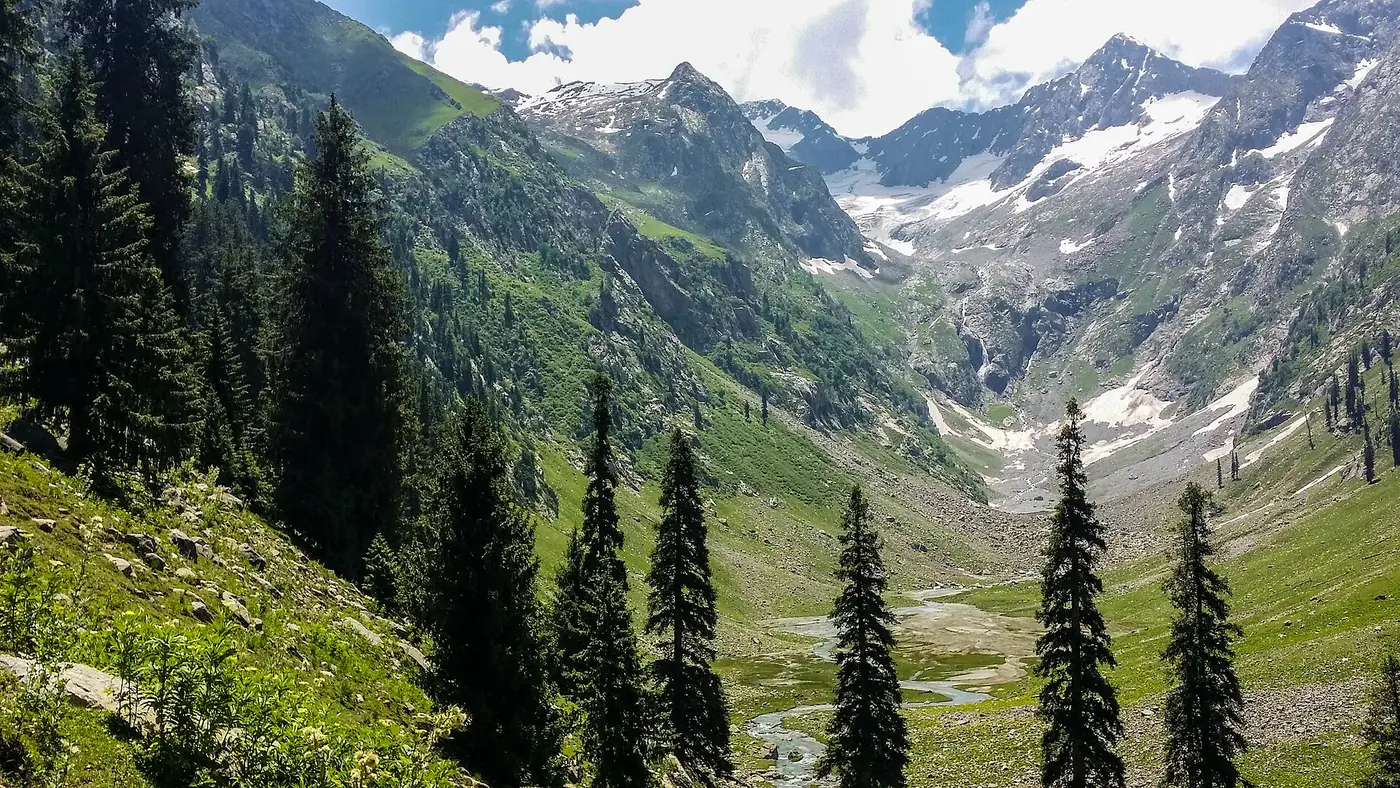
The Kumrat jeep track runs north from Thal up the Panjkora through deodar and pine. The main camping area and Kumrat waterfall come first, about 12 to 14 km from Thal. Kala Chashma is about 5 to 6 km further up the valley.
For most jeeps it is the end of the run. The track does continue towards Dojanga, which local sources describe as the last point a jeep can reach, where two streams meet in the thicker forest at the head of the valley. Beyond Kala Chashma the track gets noticeably rougher, so if you want to go on, agree it with your driver before you leave Thal.
Our Kumrat Valley guide shows how the whole valley fits together, from the turn off the N-45 to Dojanga.
Why is it called the black spring?
Nobody quite agrees, which is part of the appeal. The water itself is clear and very cold, and you can see the stones on the bottom. What makes it look dark is what surrounds and underlies it, and different sources point to different things:
- Dark stones. One local explanation is that large dark rocks line the spring and its channel, so the clear water looks black from a few steps away. One local account gives its name in Gawri, the language of Thal, as meaning "spring of the black stones".
- Moss. Others say moss growing where the water emerges gives it the dark colour.
- The mountains. A 2020 Dawn travel piece said the name comes from the black mountains around it.
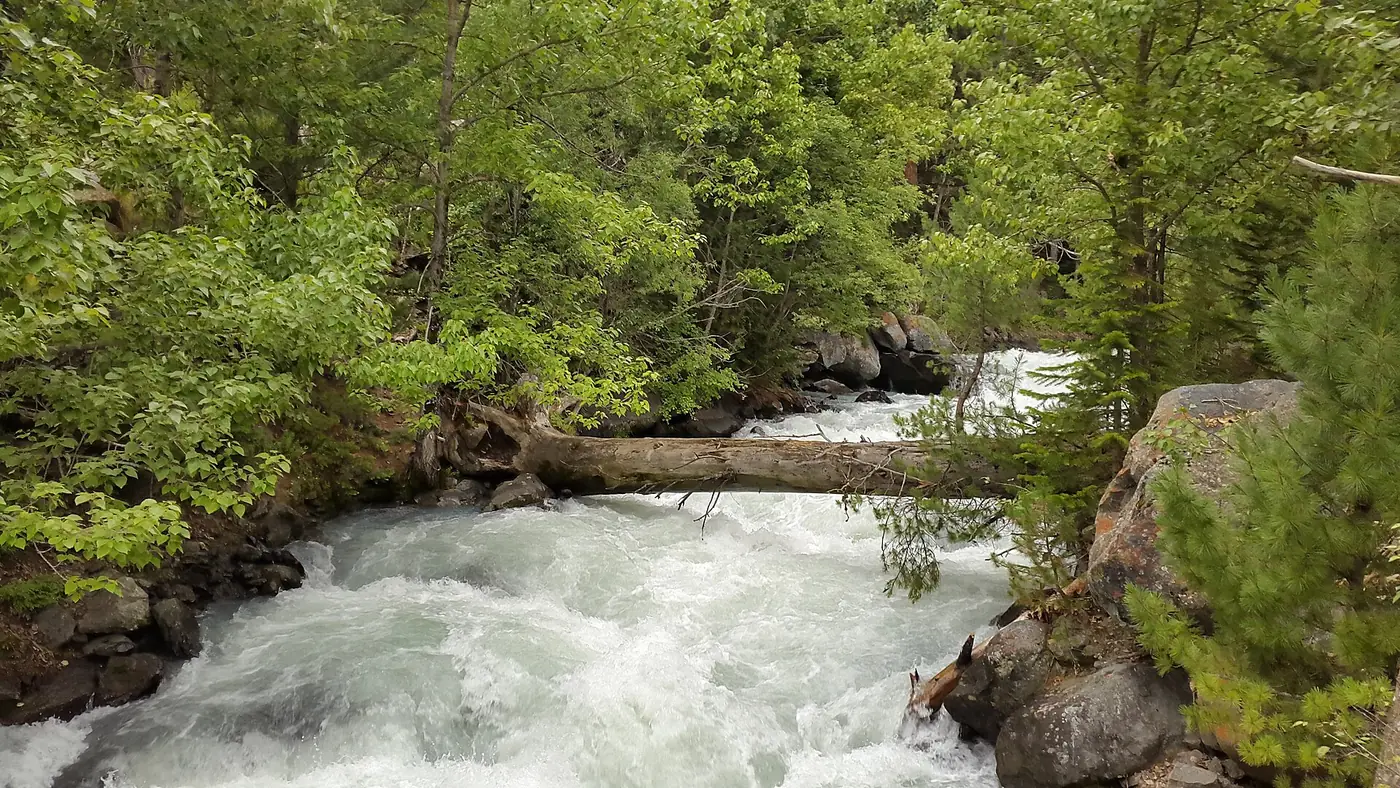
Whichever you believe, the thing that makes Kala Chashma worth the ride is the contrast. The Panjkora is loud and fast. The spring is still, clear and cold, rising in the shade of the trees a short walk from the river. Local folklore gives it a spirit or two as well, and some stories make it a home of jinns.
Getting there: the jeep from Thal
Ordinary cars stop in Thal. Beyond it the track is unpaved, rocky in places and crossed by side streams, and you need a 4x4. Jeeps wait in Thal bazaar and are hired by the vehicle, not the seat.
When you agree the hire, be specific:
- Name Kala Chashma as the destination, not just "Kumrat", so the fare covers more than the forest camps and waterfall.
- Agree the stops on the way, such as the camping area and the waterfall.
- Agree the waiting time at Kala Chashma. Two hours is enough for a picnic and a short walk.
Allow about one and a half to two hours from Thal to Kala Chashma, more with stops, at busy times, or when the track is muddy. Fares change with the season and jump at Eid; our Kumrat trip cost guide has the current range.
A few people drive their own high-clearance 4x4 up in dry weather. Sedans and small crossovers should not try: the stream crossings and loose rock are hard on sumps and tyres, and help is a long way off.
The walk: from the jeep, or from the waterfall
From where the jeeps park, it is a short walk to the spring itself along a path by the stream. It is not difficult, but the rocks near the water are wet and slippery, so wear shoes with grip rather than sandals, and hold small children's hands.
For more than a stroll, walk up from the waterfall area instead of riding the whole way. It is about an hour on foot, mostly along the jeep track beside the river, and you see the forest you would otherwise pass in a cloud of dust. Arrange for the jeep to meet you at Kala Chashma.
Fit walkers can carry on upstream towards Dojanga, where the forest is thicker and quieter. Go only in settled weather, turn back in good time, and tell your driver where you are going.
What is there to do at Kala Chashma?
Mostly nothing, which is the point. Most people:
- Sit by the spring and fill a bottle, or just put their hands in the water, which is icy even in summer.
- Have a long picnic under the trees. In season there are usually a few camps and simple food stalls nearby, but bring your own food and water rather than relying on them.
- Walk a little way upstream along the river.
- Take photographs in the morning or late afternoon, when the light comes in low through the trees.
Please keep the spring clean. Don't wash dishes or use soap in it, don't leave food scraps, and carry every wrapper and bottle back to Thal. Litter around the camping areas is already a real problem in Kumrat.
You can sleep near Kala Chashma at one of the seasonal camps, which is quieter than the main camping area. See our guide to camping in Kumrat for choosing a site, bedding and what to bring.
When to go, and why rain matters
Kala Chashma is open whenever the jeep track is: roughly from late May to October, depending on the snow and the weather. June and September are the most comfortable months, and July and August are the busiest.
Rain is the thing to watch. Kala Chashma is at the far end of a track that crosses several side streams, and those streams rise quickly. In August 2024, heavy rain blocked the roads and around 200 tourists were stranded at Dojanga, Kala Chashma and the waterfall area until the Khyber Pakhtunkhwa tourism authority, police and district administration brought them out.
So in the monsoon:
- Start early from Thal, so you are heading back by early afternoon.
- If it starts raining hard, leave straight away rather than waiting it out.
- Never let a driver cross a stream that is running high, fast and brown.
- Keep a spare day in your plan in case the track closes.
Is Kala Chashma safe?
The spring itself is a quiet picnic spot. The risks are the ones that apply to the whole of Kumrat: the road, the weather, and the security situation in Upper Dir.
The UK government currently advises against all travel to Upper and Lower Dir, and militants have attacked police in both districts in 2026, including an overnight gun battle in Upper Dir in August. Pakistani tourists still visit Kumrat, and none of these incidents targeted visitors, but check local news and police advice before setting out and drive in daylight. Overseas visitors should know their government's advice may say not to go and that ignoring it can void travel insurance. Our guide to whether Kumrat is safe goes into the detail.
Is it worth the ride?
If you have come all the way to Kumrat, yes. Kala Chashma is the natural end of the jeep day, the forest around it is some of the best in the valley, and the ride up passes the camps and the waterfall anyway. With a long picnic, it turns a bumpy few hours in a jeep into a proper day out.
It is not a destination in its own right, and it is less rewarding for anyone who gets car-sick, for families with babies, or in wet weather. They are better off spending the day at the main camping area and the waterfall, closer to Thal. Our three-day Kumrat itinerary shows how the waterfall and Kala Chashma fit into one day, and if you would like us to arrange the jeep, rooms and timings, tell us your dates.
Frequently asked questions
How far is Kala Chashma from Thal?
Roughly 18 to 20 km along the jeep track through the Kumrat forest, which takes about one and a half to two hours each way by jeep.
Can a car go to Kala Chashma?
No. Ordinary cars stop in Thal. The track to Kala Chashma is rough, rocky and crossed by streams, so you need a jeep or a high-clearance 4x4.
Why is Kala Chashma called the black spring?
The water is clear, but it looks dark. Local accounts put it down to dark stones around the spring, while others credit moss or the dark mountains around it.
Can you drink the water at Kala Chashma?
Many visitors do, but any untreated water can carry bacteria. Bring bottled water, or filter or treat spring water, especially for children.
Can you stay the night at Kala Chashma?
Yes, at one of the seasonal camps nearby, in summer. Nights are cold even in July, so bring warm clothes and check the camp's bedding before you agree a price.