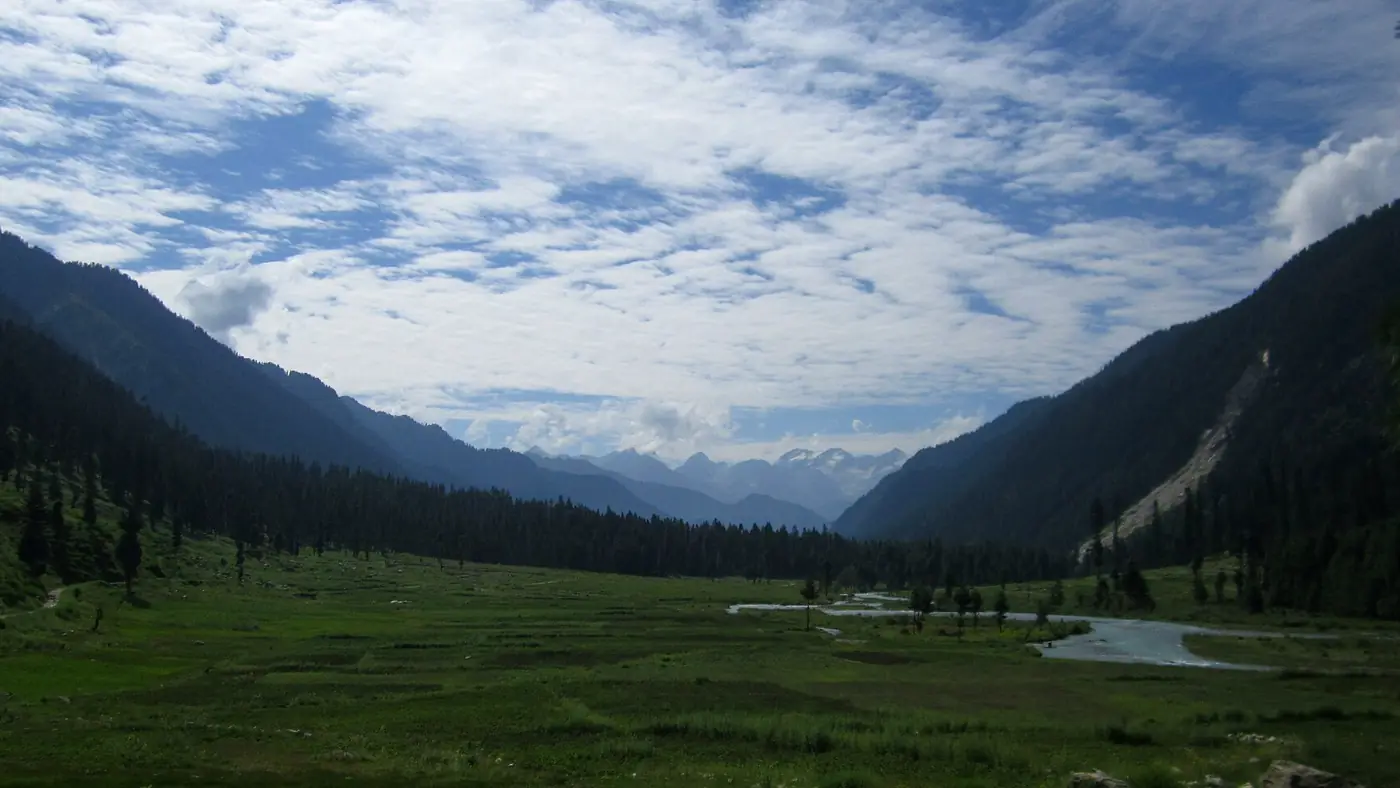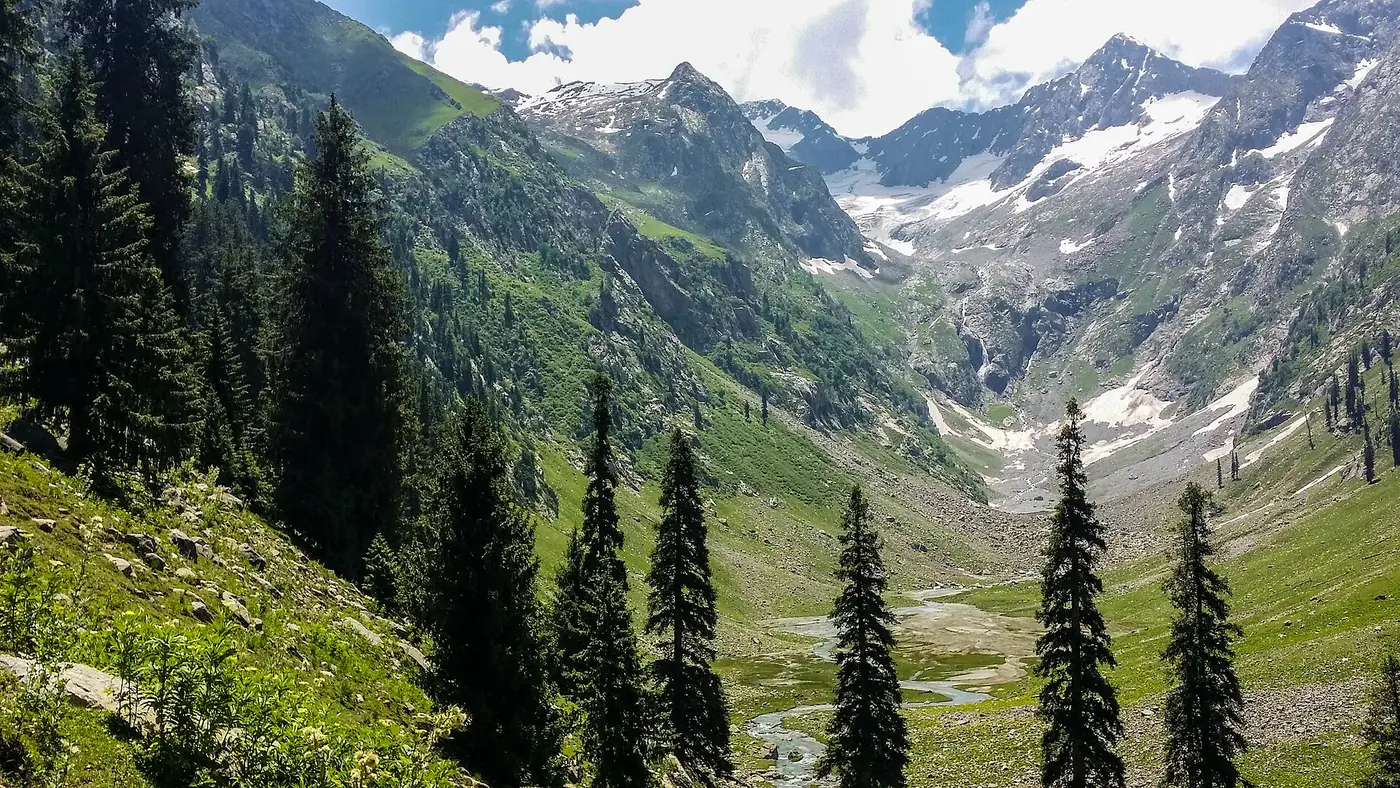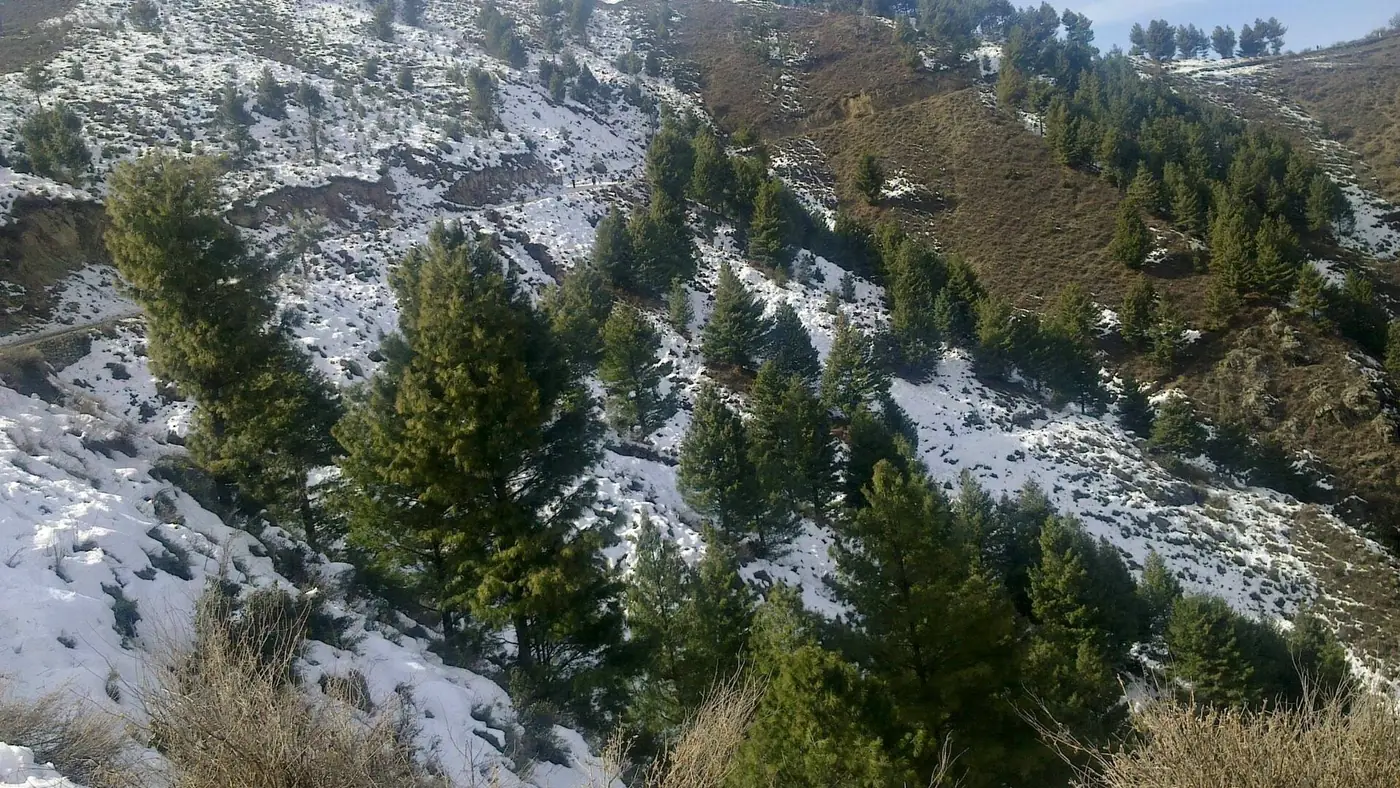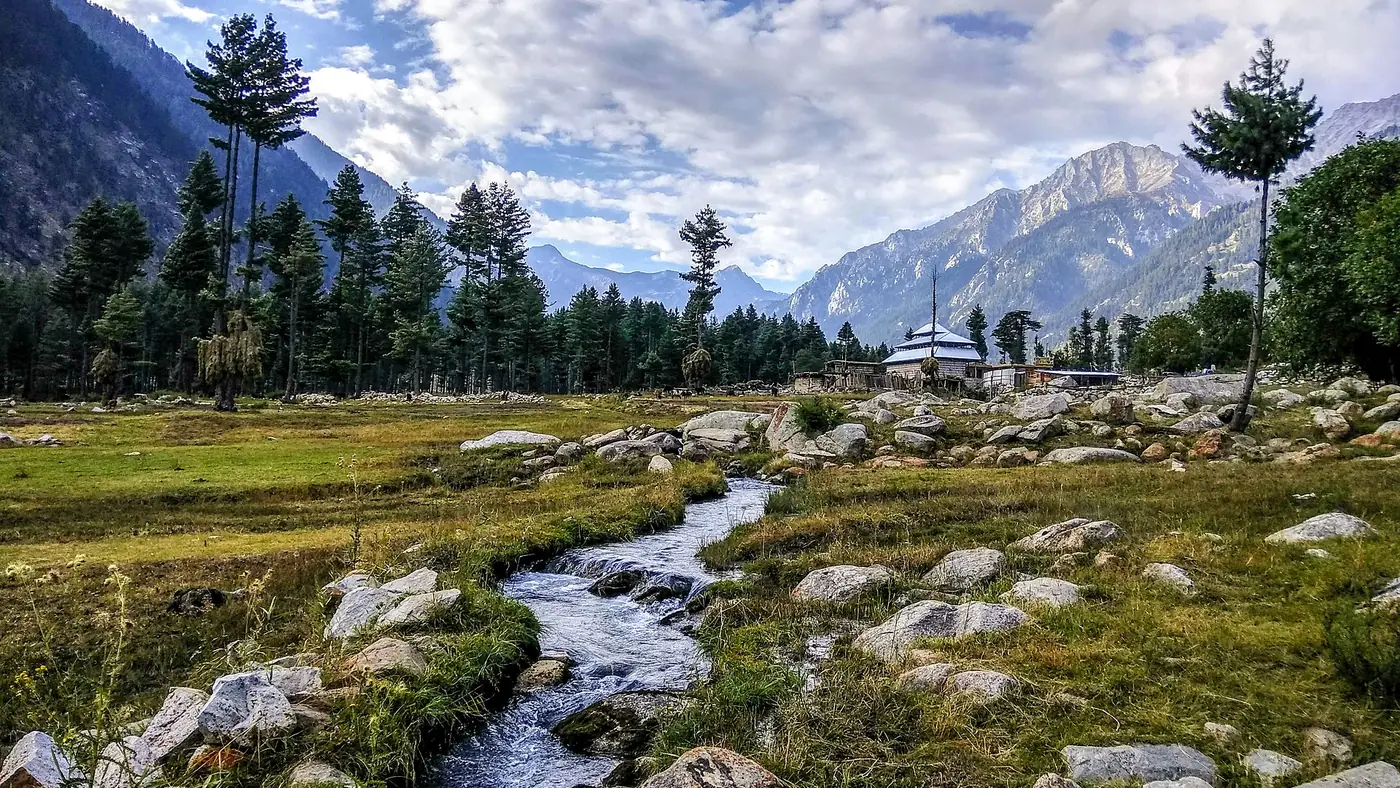
The best time to visit Kumrat Valley is June to September. The jeep track beyond Thal is clear of snow, the forest camps are open, and days are warm while nights stay cool. Late May and the first half of October also work if you pack for cold nights; from about November to March snow closes the valley above Thal.
Within that window, the choice is about crowds and rain. This post covers when the season opens and closes, the weeks to avoid, what autumn actually looks like in a conifer forest, and the closures that catch people out.
| At a glance | |
|---|---|
| Best months | June to September |
| Workable, with cold nights | Late May and the first half of October |
| Busiest | Eid holidays, school summer holidays, 14 August |
| Most rain in summer | July and August |
| Autumn colour | Late September to mid-October |
| Closed above Thal | Roughly November to March, by snow |
When does the road into Kumrat open?
The upper valley shuts for the winter. From roughly November to March the jeep track from Thal into the forest is under snow, and after heavy falls even the road up to Thal can be blocked for days. Snow can still fall at forest level in April.
The track usually becomes passable again in late April or May, depending on the winter. Early in the season it is muddy, the side streams that cross it run high with meltwater, and not every camp has been set up. By late May most places are open, and by June the season is fully under way.
Two things open later than the valley floor. The meadows of Jahaz Banda, and Katora Lake above them at about 3,500 metres, hold snow into early summer, and the Badgoi jeep pass from Kalam in Swat opens later still and closes earlier. If either is the point of your trip, aim for July to September.
The exact dates move every year. Before a May or October trip, ask a hotel or camp in Thal whether the track is open to the forest and to Kala Chashma.
Kumrat through the seasons
The forest sits at about 2,400 metres, so it is always cooler than the plains. The figures below are a rough guide for the valley floor; our Kumrat Valley guide explains where Thal, the camps and Kala Chashma sit in relation to each other.
April and May: the thaw
April is a poor month to plan around. There is still snow at forest level, the track is often shut, and the weather swings from mild afternoons to sleet. May is better, especially the second half: the snow retreats up the slopes, the river is loud with meltwater, and outside Eid the valley is at its emptiest. Nights are cold, close to freezing early in the month.
June: the season opens properly
June is one of the best months. The camps are running, the track is dry more often than not, and the long days help: the sun sets at around half past seven. Days are comfortable, and nights drop to around 10 °C in the forest. Schools break for the summer during June, so the weekends fill up as the month goes on.
July and August: peak season and the monsoon
These are the warmest months, with days in the low 20s °C and the mildest nights of the year. They are also the busiest and the wettest part of the summer. Monsoon storms can turn the track to mud quickly, swell the side streams, and bring landslides on the road below Thal. Most days are still fine, but a trip in these months needs a spare day.
September: the quiet sweet spot
September is the month we would pick for most people. The monsoon has passed, rain is much less frequent, the crowds have gone home after the school holidays, and days are still warm enough to sit by the river. Nights get noticeably colder towards the end of the month.
October: autumn and the last weeks
The first half of October can be beautiful, clear and very quiet. It is also cold: nights in the forest approach freezing by mid-month, and camps begin to close for the season. The days are short too, with sunset at around twenty to six by mid-October and the sun off the valley floor well before that. After mid-October a snowfall can close the upper valley at any time.
November to March: winter
The valley above Thal is under snow and effectively closed. Thal and the villages below are lived in all year, but a winter trip there is a different kind of journey and not one to plan casually.
The busiest weeks, and how to avoid them
Kumrat is quiet for most of the season and very crowded for a few days of it. Around Eid, as many as 2,000 vehicles a day have been reported entering the valley, and in the worst years the jeep track has jammed solid: at Eid in 2019, local reporting described tourists taking seven to nine hours over a six-kilometre stretch.
The pressure points are:
- Eid holidays. Eid al-Adha fell on 27 May in 2026 and moves about eleven days earlier each year, so in the next couple of years it lands right at the start of the season. Eid al-Fitr now falls in late winter, when the upper valley is still shut.
- School summer holidays, particularly weekends in July and early August.
- The 14 August long weekend.
- Any Friday to Sunday in peak season.
If your dates are fixed to one of these, book your room or camp well ahead, reach Thal by early afternoon so you are not queuing for a jeep in the dark, and expect jeep fares and room rates to rise. If they are not fixed, go midweek. The same valley on a Tuesday in September is a different place.
Autumn colours in Kumrat
Autumn in Kumrat is quieter than autumn in Hunza, and it helps to know why before you go. The forest is deodar, blue pine and fir, which stay dark green all year. The colour comes from underneath them: the meadow grass turns tawny and the scrub along the riverbanks goes yellow and gold, which against the dark trees and the first snow on the ridges is striking in its own way.
The best of it is usually from late September to mid-October. The trade-offs are real:
- Cold. Pack a proper down jacket, a warm hat and a sleeping layer for nights near freezing.
- Fewer services. Some camps close in October; staying in Thal and going into the forest by day is the safer plan.
- Short days. Start early, because the sun drops behind the ridges well before sunset.
- A snow risk that grows through the month.
If you want blazing poplars and orchards, Hunza in late October is the better trip. If you want an almost empty forest with cold, clear mornings, early October in Kumrat is hard to beat. Our guide to the seasons compares autumn across the north.
Rain, floods and road closures
Most closures in Kumrat are short, but they are not confined to the monsoon, and recent years have had several:
- May 2024: after torrential rain, a section of the Kumrat road caved in near Daba and tourists were stranded in the valley for a time.
- November 2025: the bridge linking Thal bazaar to the Kumrat road gave way under a loaded truck.
- June 2025: monsoon flash floods washed away bridges at Thal and Makrala and cut off Jahaz Banda and the Badgoi side for a time.
The lesson is to build slack into any Kumrat trip, whatever the month. Keep a spare day, check the state of the road and the crossing at Thal the day before you set off, and don't let a jeep driver cross a side stream that is running high and brown. If it rains hard overnight, wait until mid-morning before starting down the valley road. Our route guide from Islamabad covers the road itself stage by stage.
Which month suits which trip?
Families on a first trip: mid-June to early September, on weekdays, avoiding Eid. The camps are open, nights are at their mildest, and there is enough daylight for the long drive.
Groups of friends who want to camp: June or September. Warm enough to sit out in the evening, quieter than July.
Walkers heading for Jahaz Banda and Katora Lake: July to September, when the higher ground is clear of snow. Add two days to a forest trip.
Photographers and anyone who wants the valley to themselves: mid-September to the first week of October, prepared for cold nights.
Don't go: from November to April unless you are prepared for a winter trip that may not get beyond Thal, or on a single Eid weekend with no spare day.
Whatever you choose, allow at least three days from Islamabad; our three-day Kumrat itinerary shows how the time divides. If you would like us to plan around your dates, send them to us and we will suggest the timing that fits.
Frequently asked questions
What is the best month to visit Kumrat Valley?
June and September are the best all-round months: the camps are open, the track is usually dry and the valley is quieter than in July and August. Avoid Eid weekends if you can.
Is Kumrat Valley open in May?
Usually from mid to late May, once the snow has cleared from the jeep track above Thal. Early May can still be shut, so check with a hotel in Thal before you travel.
Is Kumrat worth visiting in October?
The first half of October is quiet and clear, with autumn colour on the meadows and riverbanks. Nights are close to freezing, some camps close, and a snowfall can shut the upper valley from mid-month.
Does it snow in Kumrat Valley?
Yes. Heavy snow falls from about November to March, and the valley above Thal is closed through the winter. Snow can linger in the forest into April.
Is Kumrat crowded at Eid?
Very. As many as 2,000 vehicles a day have been reported entering the valley at Eid, and the jeep track can jam for hours. Book ahead, arrive early, or go on a weekday instead.
Is it safe to visit Kumrat in the monsoon?
It is visited through July and August, but storms can close the road or the track for a day or more. Keep a spare day, watch the forecast and don't cross swollen streams.