
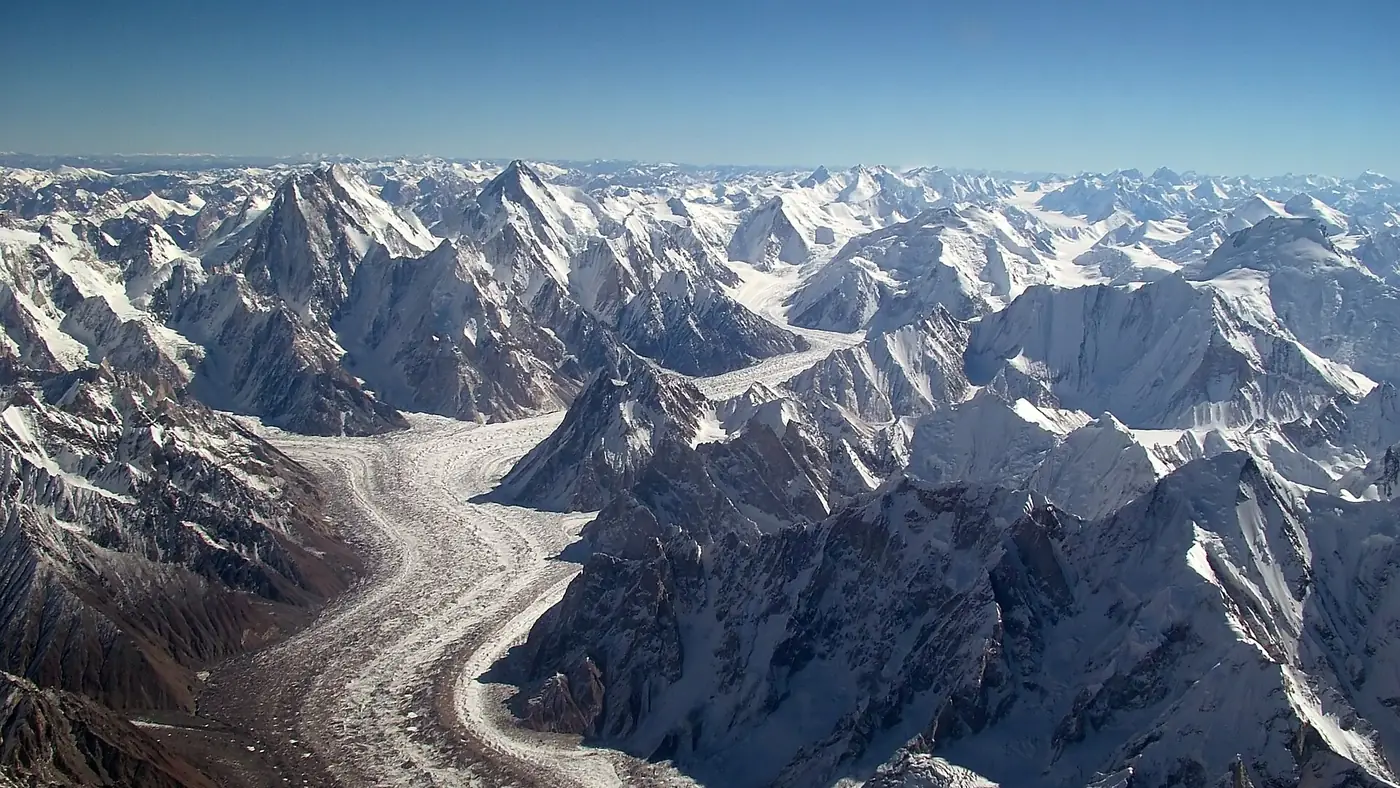

The best easy treks in Gilgit-Baltistan for a first multi-day walk are Rakaposhi base camp from Minapin in Nagar, Nanga Parbat base camp from Fairy Meadows, and the Rupal valley below Nanga Parbat's south face. Each takes two or three days, follows a well-used path with no glacier ropes or scrambling, tops out between about 3,300 and 4,000 metres, and has places to turn back if the day goes badly. None of them is a stroll: all involve steep climbing at altitude, and they reward some training beforehand.
This guide compares those three first treks, suggests where to go next once you have done one, names the popular treks that are not for beginners, and explains how to prepare.
| Trek | Start | Days | Highest point | Where you sleep |
|---|---|---|---|---|
| Rakaposhi base camp | Minapin, Nagar | 2 to 3 | About 3,300 m | Seasonal camps at Hapakun and Tagaphari |
| Nanga Parbat base camp | Fairy Meadows | 2 to 3 from the meadow | Close to 4,000 m | Lodges on the meadow, huts at Beyal |
| Rupal valley | Tarishing, Astore | 1 to 2 | About 3,550 m at Herrligkoffer base camp | Guesthouses in Tarishing; camping higher up |
What makes a trek "easy" here?
In the Karakoram, "easy" is relative. On these treks you will still climb hundreds of metres a day, sleep higher than Murree or Naran, and walk on rough ground for hours. What makes them suitable for beginners is that:
- No technical sections. No roped glacier travel, no crampons, no exposed scrambling on the main route.
- Well-used paths, so route-finding is simple for most of the way.
- Short. Two or three days, with a road or jeep track at the bottom.
- Natural turning points, each worth reaching on its own.
- Moderate altitude, high enough to feel but not high enough to make most people ill.
- Local help: guides, porters, food and somewhere to sleep.
Three good first treks
Rakaposhi base camp from Minapin
The classic first trek in Gilgit-Baltistan. From Minapin, just off the Karakoram Highway about 25 km before Karimabad, a steep path climbs through fields and forest to Hapakun and then to Tagaphari, a meadow above the Minapin glacier directly below Rakaposhi and Diran. Most people take two days, with a night at base camp; three days, with a night at Hapakun as well, is kinder on first-timers.
It is the steepest of the three, gaining around 1,300 metres, but it is also the lowest and the easiest to organise. Seasonal camps offer tents and meals from about June to September. Our Rakaposhi base camp trek guide covers the route and the night at Tagaphari.
Nanga Parbat base camp from Fairy Meadows
The walk up from Tato to Fairy Meadows is itself a short trek. Two nights on the meadow at 3,300 metres, then a walk up the Raikot glacier past Beyal camp and the viewpoint to the base camp below the Rakhiot face, close to 4,000 metres, make a natural three-day trip.
The attraction for beginners is the choice of turning points: Beyal, a gentle forest walk from the meadow; the viewpoint an hour or so above it; and base camp itself, which involves rough moraine and a steep final climb. You can sleep in the huts at Beyal to break the day. Our Nanga Parbat base camp trek guide explains the stages and where to turn round.
The Rupal valley and Herrligkoffer base camp
On the Astore side of Nanga Parbat, the village of Tarishing looks straight up at the Rupal face, often described as the highest mountain face in the world. From Tarishing a path crosses a short stretch of glacier and follows the valley past Rupal village to Herrligkoffer base camp, a broad meadow at about 3,550 metres below the face. It is about 10 km and five hours up on foot.
Fit walkers do it as a long day there and back. With a tent and a local guide it becomes a more relaxed overnight trip; ask in Tarishing where camping is currently allowed. It is much quieter than Fairy Meadows and reached by road from Astore. Our guide to the Rupal valley covers Tarishing and the walks from it.
One night at Ultar Meadow
From Karimabad, the steep walk behind Baltit Fort to Ultar Meadow, gaining about 800 metres, can be done with a night's camping below the Ultar glacier. It is a good trial run, and porters and gear can be arranged in Karimabad.
The next step up
Once you have done one of the treks above and felt fine, these are the natural next steps. Each adds glacier travel, more height or more days:
- Patundas, from Passu. Two to three days to a high pasture above the Passu glacier, with views over the Batura glacier and the Passu Cones. It crosses the Passu glacier, which needs a guide and proper equipment.
- Masherbrum base camp, from Hushe. A moderate trek of a few days up the valley below Masherbrum, 7,821 metres. It enters the Central Karakoram National Park, which means a park permit and fee.
- Rush Lake, from Hopper in Nagar. Five to seven days across the Bualtar and Miar glaciers to a lake at 4,694 metres. It is non-technical, but the altitude and the glacier crossings make it a real step up. Our Rush Lake trek guide explains what it involves.
Treks that are not for beginners
Some of the best-known names in Gilgit-Baltistan are serious undertakings, however often you see them online:
- K2 base camp and Concordia. Two weeks from Skardu, most of it on glacier moraine, with a week of nights above 4,000 metres.
- The Gondogoro La. A 5,585-metre pass crossed at night on fixed ropes, with crampons and a harness.
- Snow Lake, via the Biafo and Hispar glaciers. Roped glacier travel for experienced parties only.
Do at least one shorter trek at altitude before signing up for any of these.
How to prepare
Get fit before you go
The best training is walking uphill with a loaded daypack. For four to six weeks before the trip, walk hills, the Margalla trails or long flights of stairs several times a week, building up to two or three hours at a time. If you can climb steadily for an hour without stopping, the treks above are well within reach.
Give the altitude time
Don't start a trek the day after arriving in the north. Spend a day or two in Hunza, Astore or on the meadow at Fairy Meadows first, and walk slowly on the first day. Drink plenty of water, and treat a worsening headache, vomiting or confusion as a signal to go down, not to push on.
Get the right gear
- Walking boots, worn in before the trip, with ankle support and a good grip
- Layers: a warm fleece, a down or synthetic jacket and a rain shell
- A sleeping bag rated to near freezing, if the camp doesn't supply bedding
- Trekking poles, which save your knees on the steep descents
- Sun protection: hat, sunglasses and sunscreen
- Water treatment, a head torch and a small first-aid kit
Use local guides and porters
A local guide from the village where the trek starts knows the path and the weather, and can arrange food and a place to sleep; porters can carry the heavy bags. Agree every price, and what it includes, before you set off.
Know the rules
For the three first treks, recent reports mention no trekking permit for Pakistani visitors, only your CNIC at checkposts; local or park fees can be introduced, so carry some cash. Treks inside the Central Karakoram National Park have their own permit and fee, and foreign visitors face different rules, so check what currently applies before booking anything more ambitious.
Which one should you choose?
- For your very first trek: Nanga Parbat base camp from Fairy Meadows, because you can stop at Beyal or the viewpoint and still have a wonderful trip.
- For the biggest mountain for the least time: Rakaposhi base camp, two days from the Karakoram Highway.
- For quiet and the most dramatic face: the Rupal valley.
- For a group of mixed fitness: Fairy Meadows again, since the weaker walkers can stay on the meadow or turn at Beyal.
All three are summer treks, from about June to September; our guide to the trekking season in Gilgit-Baltistan shows which months suit each. If you would like help fitting one into a wider trip, with a guide, a spare day for weather and time to acclimatise, send us your plans through our planning page.
Frequently asked questions
Which is the easiest trek in Gilgit-Baltistan?
For a multi-day trek, the walk from Fairy Meadows to Beyal and the Nanga Parbat viewpoint is the gentlest, with the option of continuing to base camp. Rakaposhi base camp is steeper but lower and shorter.
Can beginners trek in Gilgit-Baltistan?
Yes. Rakaposhi base camp, Nanga Parbat base camp from Fairy Meadows and the Rupal valley all suit fit beginners, with no technical sections and local guides available. Start training a few weeks before the trip.
Do I need a guide for easy treks in Gilgit-Baltistan?
Not always on the main paths, but a local guide is a good idea on a first trek and essential for any glacier crossing. Guides and porters can be hired in the village at the start of each trek.
What is the best month for beginner treks in Gilgit-Baltistan?
July to September, when the paths are clear of snow and the seasonal camps are open. June and early October are possible with colder nights.
Is K2 base camp suitable for beginners?
No. It takes about two weeks from Skardu, much of it on glacier moraine, with a week of nights above 4,000 metres. Do a shorter trek at altitude first.
How fit do I need to be for an easy trek in Gilgit-Baltistan?
Fit enough to climb steadily uphill for an hour without stopping, and to walk for five or six hours with breaks. A few weeks of hill or stair training before the trip makes a big difference.