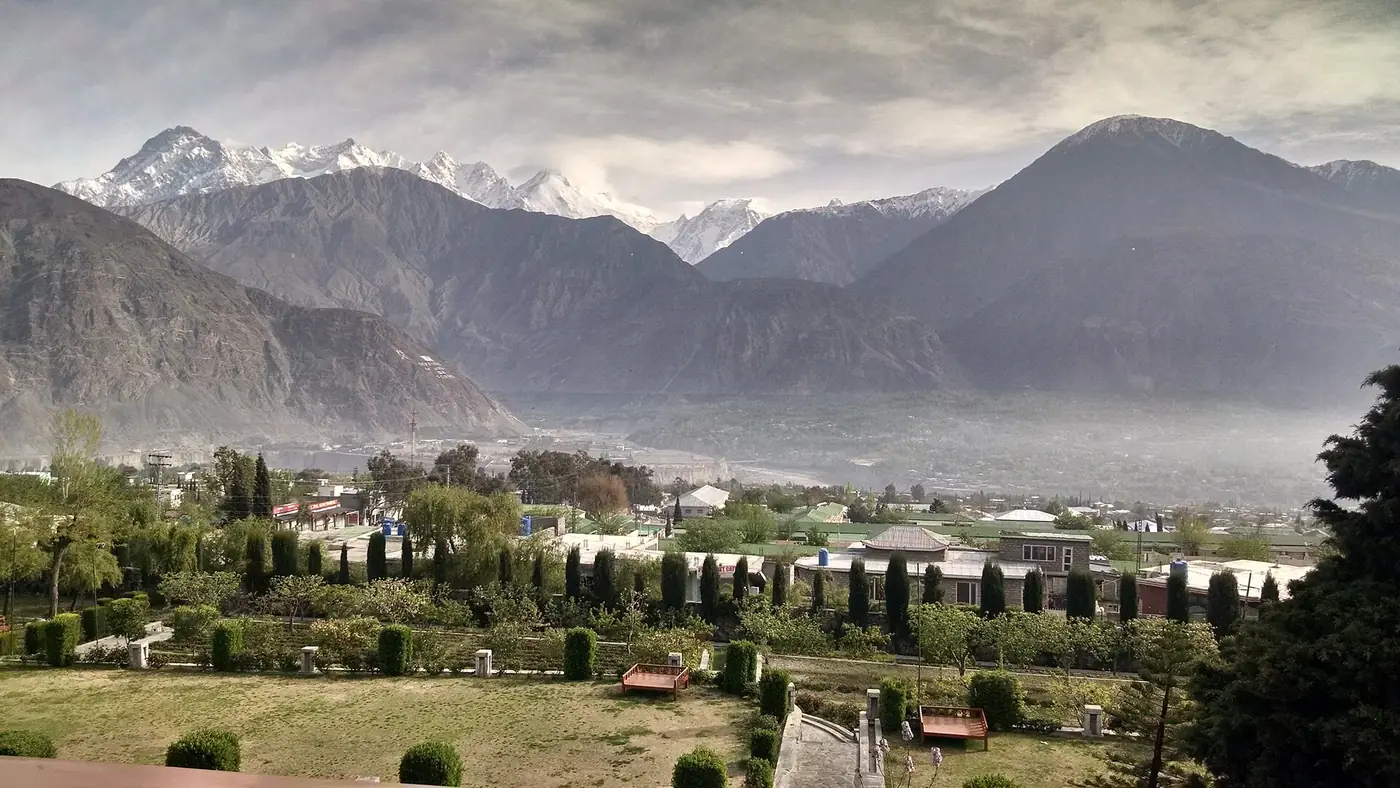
The Chinese cemetery in Danyor, about 10 km from Gilgit city, holds the graves of Chinese engineers and workers who died building the Karakoram Highway. It was laid out in the early 1970s, while construction on the road was still under way, and it remains a place of quiet remembrance rather than a conventional tourist stop.
This guide covers who is buried here, how the site is looked after today, and how to visit it in a way that fits what it is.
| At a glance | |
|---|---|
| Location | Danyor, across the Gilgit river from the city, near the Karakoram Highway |
| From Gilgit | About 10 km |
| Established | Early 1970s, during KKH construction |
| Graves | 88 graves, around 140 interments |
| Who is buried | Chinese workers and engineers who died building the KKH, mostly in landslides, avalanches and falls |
| Annual ceremony | A remembrance ceremony is usually held in early April |
| Entry | Free; a quiet, respectful visit is expected |
The road that cost lives on both sides
The Karakoram Highway, built jointly by Pakistan and China between 1966 and 1986, cut a paved road through some of the most difficult mountain terrain in the world, following the Indus and Hunza rivers past sheer cliffs and unstable slopes. It was, and remains, a demanding piece of engineering, and it was built at a real human cost.
Several hundred workers died during construction, both Pakistani and Chinese, most from landslides, rockfall and falls rather than in any single disaster. The Chinese cemetery in Danyor holds 88 graves and around 140 interments of Chinese nationals who died on the project; other workers who died are commemorated elsewhere or their remains were never recovered. Pakistani workers who died building the road are remembered separately, including at memorials along the highway itself.
What is at the cemetery
The site is a walled cemetery on a hillside in Danyor, with rows of gravestones bearing inscriptions in Chinese characters, and a central memorial marking the site as a whole. It is modest rather than grand, and its power is in what it represents rather than any scale.
An annual ceremony is usually held here in early April, when Pakistani and Chinese officials lay wreaths and pay tribute to the workers buried there. Outside that day, the cemetery is quiet, and visitors are generally free to walk in and pay their respects.
Visiting etiquette
This is a war-grave-style memorial, not a sightseeing attraction, and it is worth treating it that way:
- Keep your visit brief and quiet. A few minutes of walking through and reading the stones is enough for most visitors.
- Dress and behave as you would at any cemetery. Avoid loud conversation, food, or anything that would look like a picnic stop.
- Ask before photographing, especially if any ceremony, maintenance work or other visitors are present, and never treat the gravestones as a photo backdrop.
- Do not touch or lean on the gravestones, which have stood since the 1970s and are simple, not built for handling.
Getting there
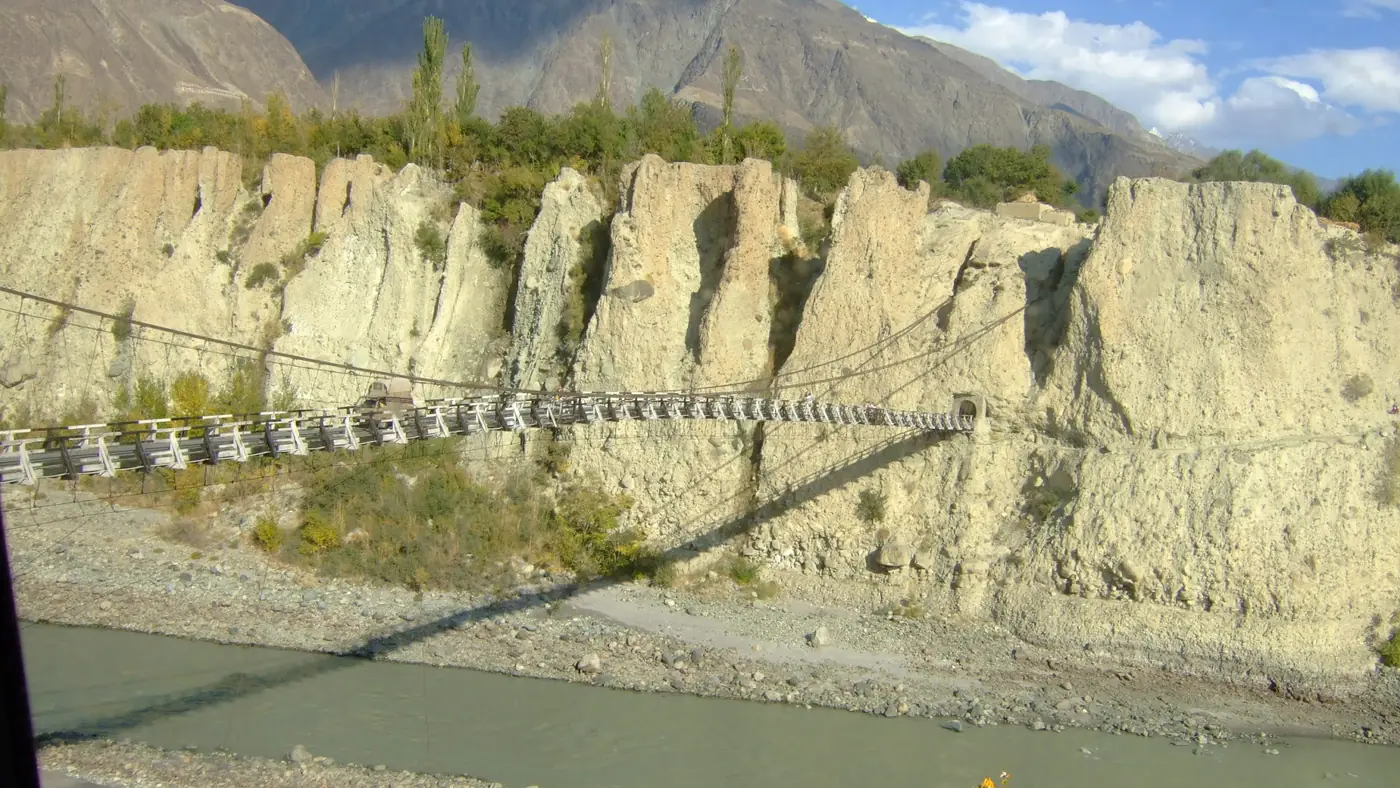
The cemetery is close to the Danyor suspension bridge and the Danyor rock inscriptions, on the far bank of the Gilgit river from the city centre. From central Gilgit it is about a 10-km drive, crossing the river towards Danyor. A taxi or hired car covers it in fifteen to twenty minutes, and it is easy to combine with the bridge and the inscriptions in the same stop. Our guide to the Danyor rock inscriptions covers that nearby site.
There is no ticket booth. If a gate is locked, ask locally rather than climbing over; caretaking arrangements can change.
Why it is worth the stop
Most visitors drive the Karakoram Highway north from Gilgit toward Hunza without much thought for what it took to build. A few minutes at the Danyor cemetery puts a human cost against the road, and against the friendship between Pakistan and China that the highway is often described as symbolising. It is a short, sobering stop rather than a highlight, and it changes how the drive north looks afterwards.
It suits anyone spending a morning around Danyor and Gilgit, and fits naturally alongside the rock inscriptions and the suspension bridge. Our guide to one day in Gilgit sets out a full plan that includes all three, and our wider guide to places to visit in Gilgit covers the city more broadly.
Frequently asked questions
Where is the Chinese cemetery in Gilgit?
In Danyor, about 10 km from central Gilgit on the far bank of the Gilgit river, close to the Danyor suspension bridge and the rock inscriptions.
Who is buried at the Chinese cemetery?
Chinese engineers and workers who died building the Karakoram Highway between the 1960s and 1980s, most in landslides, avalanches and falls during construction.
How many graves are at the site?
The cemetery holds 88 graves with around 140 interments.
Is there an entry fee?
No, entry is free, though it is treated as a memorial site rather than a general attraction.
When is the annual ceremony held?
A remembrance ceremony with Pakistani and Chinese officials is usually held at the cemetery in early April, marking those who died during the highway's construction.