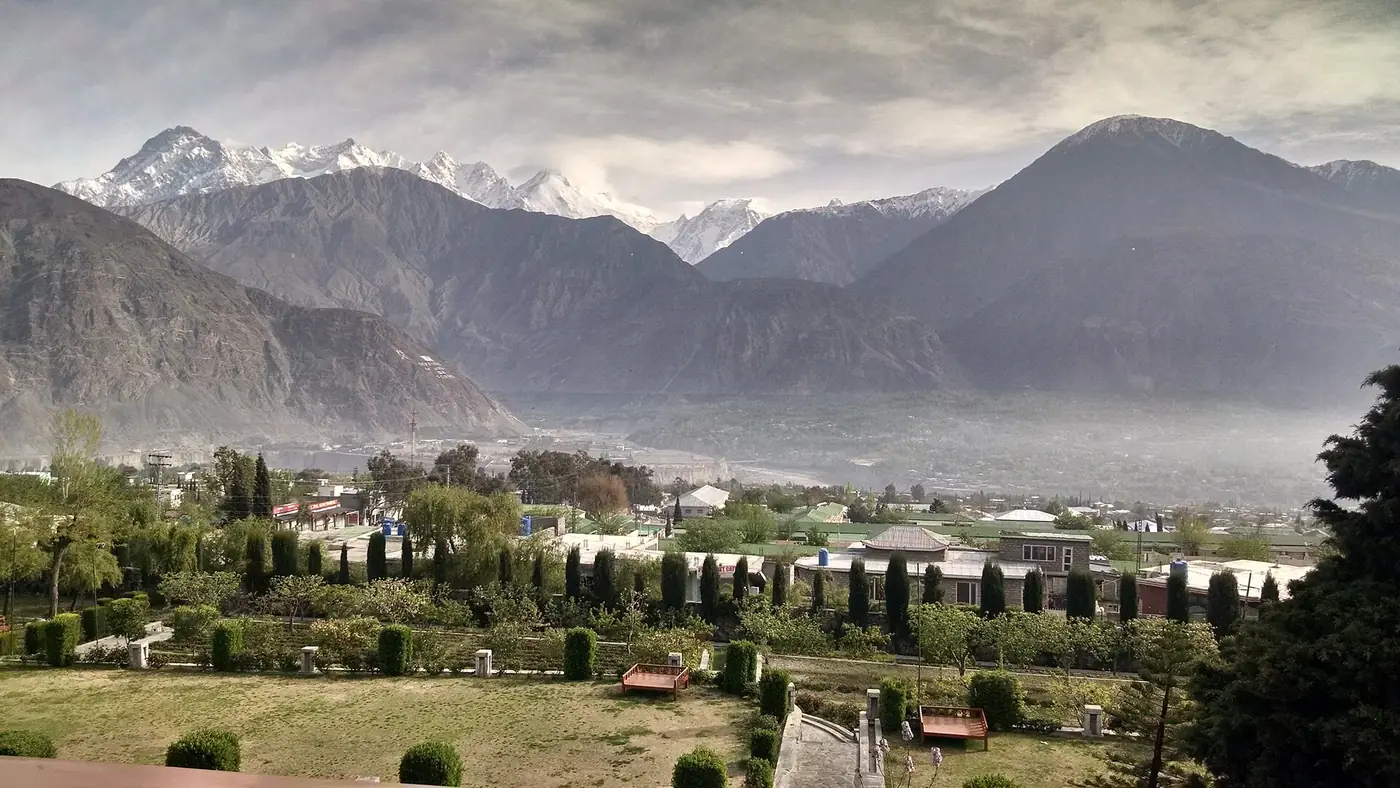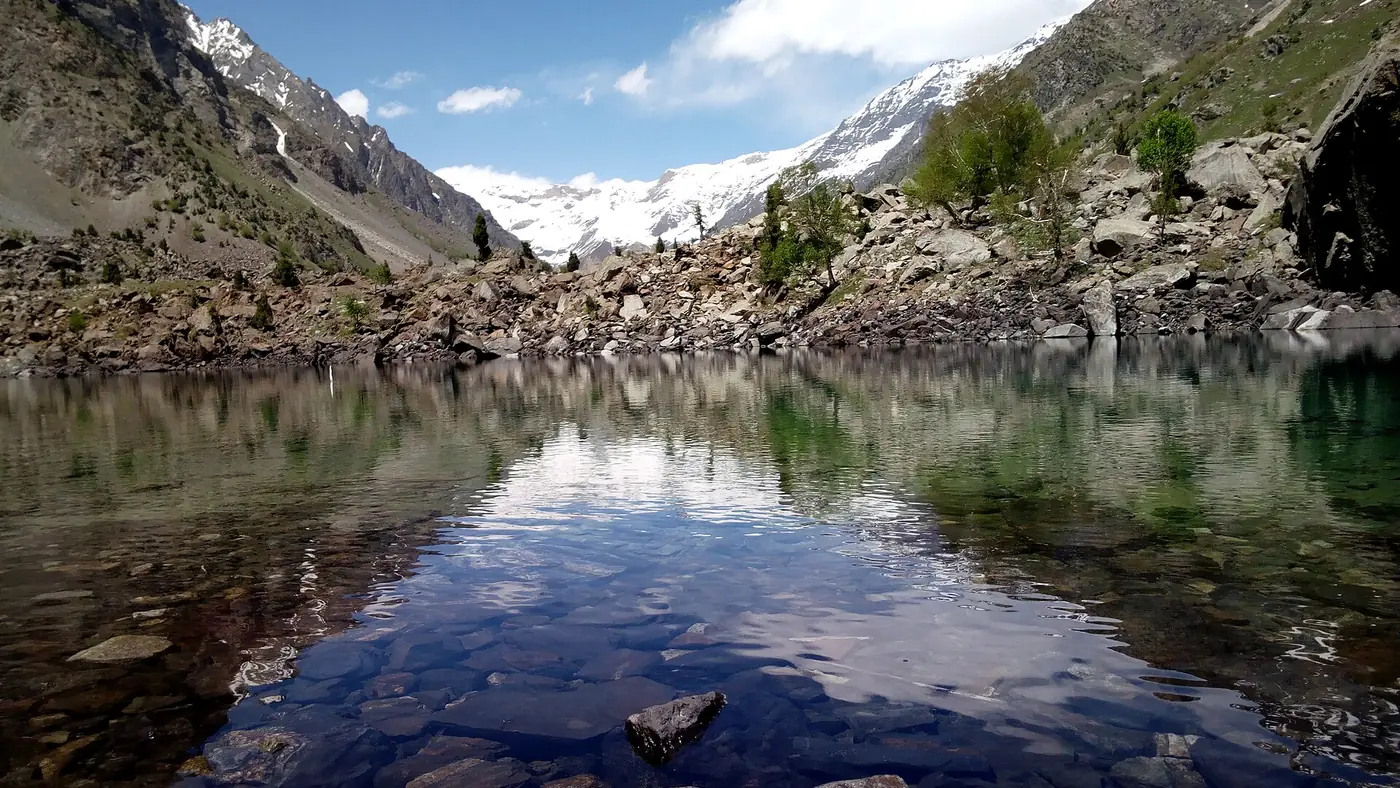
The best time to visit Naltar Valley for the lakes is September, with June and early October close behind. The jeep track from Naltar Bala to Satrangi and the other lakes usually opens in late May, once the snow melts, and stays open until the first heavy snow in late October or November. July and August are the warmest and busiest months, but also the months of cloudbursts and flash floods. For snow and skiing, go between December and March, when the lakes are out of reach.
This guide goes through the year month by month: what is open, how cold it is, what the lakes look like, and when to stay away.
| At a glance | |
|---|---|
| Best overall | September |
| Lake track open | Roughly late May to October, depending on snow |
| Warmest | July and August, days around 20°C in the upper valley |
| Autumn colour | October |
| Snow and skiing | December to March |
| Flash flood risk | Highest in July and August |
| Coldest | January, well below freezing at night |
| Quietest | September weekdays, November, and April |
Naltar's year in one table
| Month | Lakes by jeep | Conditions | Verdict |
|---|---|---|---|
| January | No | Deep snow, skiing, bitter nights | Snow and skiing only |
| February | No | Deep snow, ski competitions | Snow and skiing only |
| March | No | Snow lingers, thaw starts late | Late ski season |
| April | No | Thaw, mud, bare trees higher up | Poor |
| May | Usually from late May | Snow on the upper slopes, ice on the lakes early on | Fair, late in the month |
| June | Yes | Fresh green, high streams, cool nights | Good |
| July | Yes | Warmest, busiest, monsoon storms | Good, with care |
| August | Yes | Warm, busy, flood risk | Good, with care |
| September | Yes | Clear, settled, fewer people | Best |
| October | Until the first heavy snow | Autumn colour, near-freezing nights | Very good early on |
| November | Usually no | First snows, very cold | Poor |
| December | No | Snow arrives, ski season begins | Snow only |
The exact opening and closing of the lake track move by a few weeks from year to year with the snow, so check in Gilgit or Naltar Bala before you go at either end of the season.
Late May and June: the season opens
The track to the lakes opens once the snow on it has melted, usually in the second half of May. In a heavy snow year it can be early June. At the start of the season there is still snow on the slopes around the lakes, the water can carry patches of ice, and the path to the highest lake may be snowbound.
June is a lovely month in Naltar. The forest and the meadows are at their freshest, the streams are full, and the crowds of July have not yet arrived. The drawback is water: the snowmelt streams that cross the jeep track run high, especially in the afternoon. Go to the lakes early and be back before the water rises.
Nights are cold, so bring a proper jacket even in June.
July and August: warm, busy and stormy
These are the warmest months. Daytime temperatures in the upper valley are around 20°C, a relief from Gilgit, where afternoons can pass 40°C. The whole valley is green, the lakes are fully open, and everything is running, from jeep drivers to tea stalls at Satrangi.
They are also the months to take most care:
- Crowds. School holidays, Eid and 14 August bring the most visitors of the year. Rooms in Naltar Bala fill, and the first lake is busy on weekends.
- Cloud. Afternoon cloud is more common, and the lake colours are muted without sun.
- Floods. Monsoon cloudbursts and glacier melt send flash floods down the side valleys. In August 2025 floods swept away part of the Naltar road and trapped visitors, and in early August 2026 a cloudburst in the upper valley damaged about a dozen houses and blocked the Naltar road in several places before it was reopened.
If you go in July or August, check the weather and road news the evening before, keep a spare day in your plans, and turn back from the lakes if heavy rain sets in.
September: the best month
September is when Naltar is at its most reliable. The monsoon has passed, the weather settles, and clear, sunny days are the norm, which is what the lakes need to show their colours. The summer crowds thin out after August, and on weekdays you may have the upper lake almost to yourself.
Days are pleasant for walking, and the nights get steadily colder through the month, dropping towards freezing by the end. Bring warm layers for the evenings.
If you can choose any month for the lakes, this is it. Our Satrangi Lake guide covers the lakes themselves, and how their colours change with the light.
October: autumn colour and the end of the season
October brings the autumn colours to the forest and the meadows around the lakes, gold and orange by the middle of the month, against the dark green of the pines. It is a very good time for photography and for quiet.
It is also the end of the season. Mornings are frosty, nights go below freezing, and an early snowfall can close the upper track at short notice, especially in the second half of the month. Some guesthouses in Naltar Bala wind down as the visitors drop away, so call ahead to check yours is open and heated. Our guide to autumn in Gilgit-Baltistan covers the colour season across the region.
November to March: snow, skiing and the frozen lakes
From November the upper valley fills with snow, and by midwinter several metres lie on the ground. The lakes freeze and cannot be reached by vehicle. Nights at Naltar Bala fall to around –10°C or colder.
Winter has its own reasons to go. Naltar has the Pakistan Air Force ski slopes, with a chairlift above Naltar Bala, and ski competitions are usually held there in January and February. The valley under snow is quiet and very beautiful.
Getting there is the hard part. After heavy snow the road from Nomal can be passable only by 4x4 jeeps, and at times not at all. Arrange transport and a heated room before you set out, rather than turning up.
April: the in-between month
April is Naltar's least rewarding month. The snow is melting, the ground is muddy, the trees higher up are still bare and the lakes are still cut off. Lower down, in Gilgit and Hunza, it is blossom season, which is a much better use of an April trip. Save Naltar for later in the year.
How cold does Naltar get?
Naltar Bala is roughly 1,300 metres higher than Gilgit, and it feels it. As a rough guide for the upper valley:
- June to August: days around 20°C, cool nights, cold by the water in the shade.
- September: mild days, nights falling towards freezing by the end of the month.
- October: crisp days, nights below freezing.
- December to February: well below freezing day and night, –10°C or colder at night.
Whatever the month, pack a warm layer and a windproof jacket for the lakes, which sit a little higher again. For the region as a whole, our Gilgit-Baltistan weather guide has month-by-month conditions.
Which month suits you?
- Families on school holidays: late June or early July, before the peak of the monsoon. Book rooms early and do the lakes in the morning.
- Couples and walkers: September, for settled weather and quiet trails to the upper lake.
- Photographers: late September and the first half of October, for clear light and autumn colour.
- Skiers and snow lovers: January and February, with transport arranged in advance.
- Anyone on a tight schedule: avoid April, November and the stormiest weeks of late July and August.
If you are still deciding when to travel north at all, our guide to when to go compares the seasons across Gilgit-Baltistan, Kashmir and Swat. Our Naltar Valley guide covers getting there and where to stay.
Frequently asked questions
What is the best month to visit Naltar Valley?
September. The lake track is open, the weather is at its most settled, the monsoon has passed, and there are fewer people than in July and August.
When does the road to the Naltar lakes open?
Usually in the second half of May, once the snow on the jeep track has melted. In a heavy snow year it can be early June.
Is Naltar Valley open in winter?
The valley can be visited in winter for snow and skiing, but the lakes are frozen and cut off by deep snow. After snowfall the road from Nomal may be passable only by 4x4.
Can you visit Naltar in April?
You can reach the villages, but the lakes are still snowbound and the valley is muddy and bare. April is better spent on the blossom in Hunza and Gilgit.
How cold is Naltar in summer?
Pleasant by day, around 20°C in July and August, but cool at night and cold by the lakes in the shade. Bring a warm jacket in any month.
Is it safe to visit Naltar during the monsoon?
Usually, but take flash floods seriously. Cloudbursts blocked the Naltar road in August 2025 and again in August 2026, so check the weather and road news before you go and turn back in heavy rain.