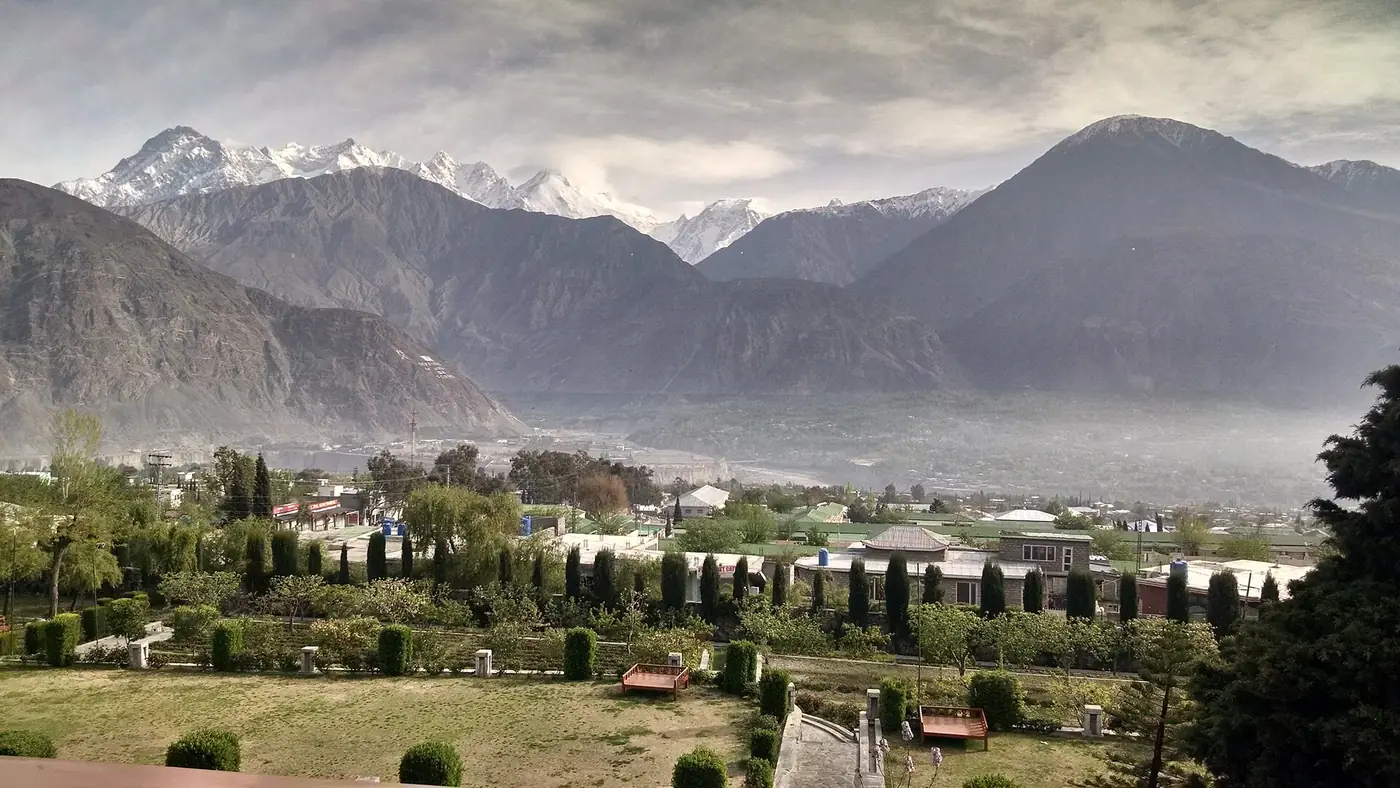
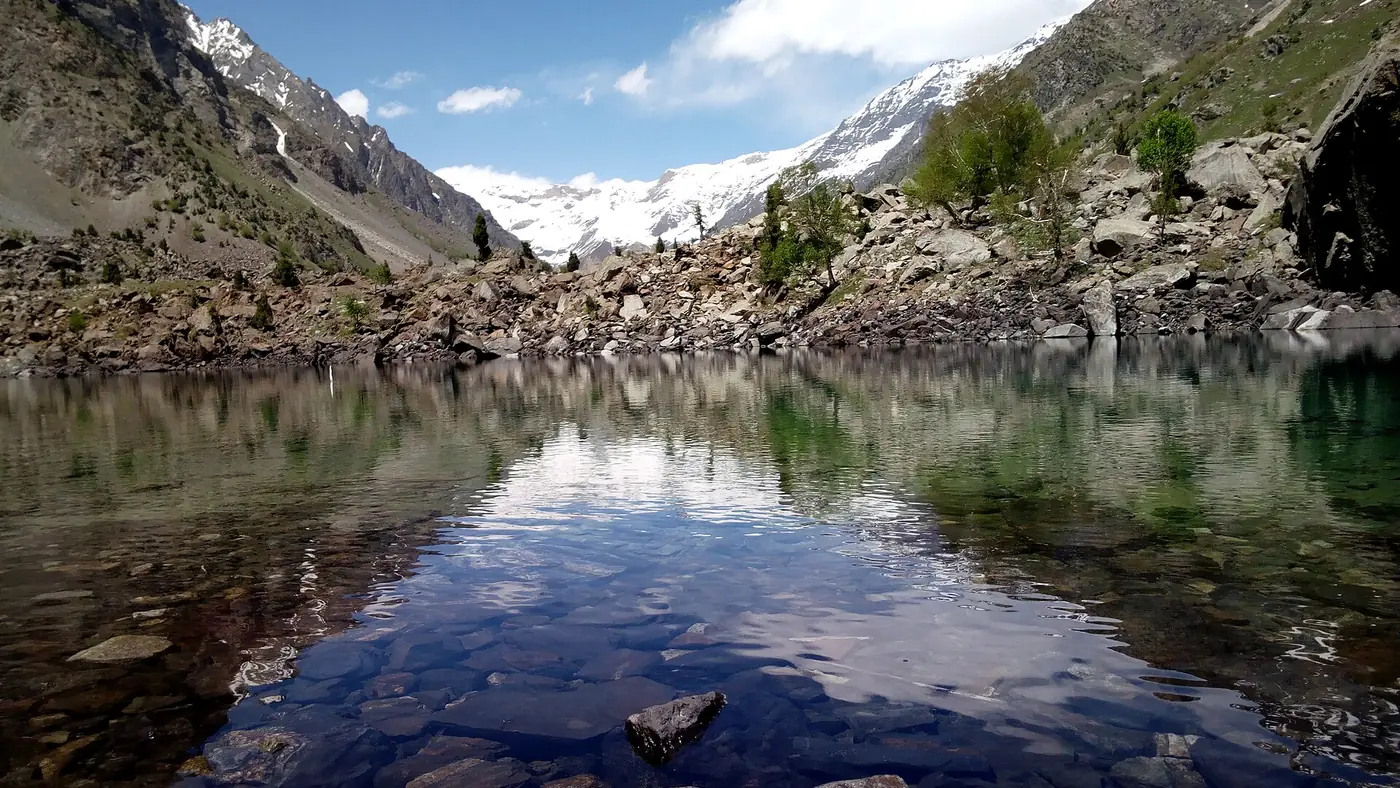
Naltar Valley is a forested side valley about 40 km from Gilgit, reached from Nomal on the old road up the Hunza river. It is known for three things: pine forest unusual for this dry part of the Karakoram, a chain of coloured lakes reached by jeep above the village of Naltar Bala, and the Air Force ski slopes that make it Gilgit's winter playground. For the lakes, go between late May and October; in winter the valley is under deep snow and the lakes are cut off.
This guide is an overview: what Naltar offers, how the road and the jeep track work, where to stay, and which season suits what. For the lakes themselves, see our separate guide to Satrangi Lake and the Naltar lakes.
| At a glance | |
|---|---|
| Where | Side valley off the Hunza river, about 40 km from Gilgit via Nomal |
| Altitude | Around 3,000 m in the upper valley; the lakes a little higher |
| Villages | Naltar Payeen (lower) and Naltar Bala (upper) |
| Gilgit to Naltar Bala | About 2 hours |
| The lakes | 12 to 13 km beyond Naltar Bala on a jeep track, 1 to 1.5 hours each way |
| Lake season | Roughly late May to October |
| Winter | Deep snow, skiing at the Air Force resort, lakes out of reach |
| Where to stay | Simple hotels and guesthouses in Naltar Bala |
What is Naltar Valley like?
Naltar runs north-west from the Hunza river at Nomal, with two villages along the Naltar stream: Naltar Payeen lower down and Naltar Bala higher up. It is a green, cool valley. In July and August the daytime highs are around 22°C, a relief after Gilgit, where summer afternoons can pass 40°C.
What sets it apart is the forest. Most of the land around Gilgit is bare rock and scree, but Naltar has spruce, pine and juniper on its slopes, with willow and birch along the stream. The forests are protected as the Naltar Wildlife Sanctuary, created in 1975, home to Astore markhor, ibex, brown bear and snow leopard. You are unlikely to see any of them from the track, but the forest walks around Naltar Bala are pleasant in their own right.
It is also a farming valley, and Naltar's potatoes have a reputation well beyond it. The stream is put to work too: several small hydropower stations on it supply electricity to Gilgit.
The Naltar lakes
The reason most people come is the string of small alpine lakes above Naltar Bala, at a little over 3,000 metres. Their colours range from deep blue to turquoise and green, the result of minerals, algae and water plants in very clear water.
The first, Satrangi Lake, is 12 to 13 km above the village by jeep track. Blue Lake is about a kilometre further on, and Pari Lake is close by. A higher lake, usually called Feroza, can only be reached on foot. The names are used loosely, and different drivers and signboards will point to different lakes, which is part of the fun.
Our Satrangi Lake guide covers each lake, the walks between them, and how the colours change through the season.
How to get to Naltar Valley
From Gilgit to Naltar Bala
From Gilgit, follow the road north along the Hunza river to Nomal, about 25 km from the city. At Nomal the Naltar road turns off and climbs up the valley. Allow about two hours from Gilgit to Naltar Bala.
The road from Nomal up to the villages is metalled but narrow and steep. Hired cars from Gilgit do make the trip in dry summer weather, but check its current condition with your hotel before you set off, especially after rain. Many visitors simply book a local jeep with a driver in Gilgit or Nomal for the whole day, which also covers the lakes.
The jeep track to the lakes
Beyond Naltar Bala the road ends. The last 12 to 13 km to the lakes is a rough, rocky track along the stream and through the forest, driven by local drivers in old, heavily modified jeeps. It takes an hour to an hour and a half each way, and it crosses several meltwater streams that rise as the day warms up.
Don't take your own car or 4x4 on it. The drivers know every rock, and jeeps are easy to arrange in Naltar Bala, Nomal or Gilgit. Prices depend on the season and where you start, so agree the fare for the full round trip, including the time spent waiting at the lakes, before you get in.
From Hunza
Naltar can also be reached from Hunza, since Nomal is just across the river from the Karakoram Highway between Gilgit and Hunza. It makes a very long day, though, and most people combine it with a night in Gilgit or Naltar rather than doing it as a round trip from Karimabad.
Where to stay in Naltar
Accommodation is in and around Naltar Bala: small hotels and family-run guesthouses, most of them simple. There are also government rest houses in the valley, the oldest belonging to the Public Works Department, and the Air Force has its own rest houses for the ski resort.
Expect comfortable but basic rooms. Book ahead for summer weekends, Eid and the August holidays, when rooms fill quickly. Evenings are cold even in July, so check that there is enough bedding and some form of heating.
Camping near the lakes is possible in summer, but ask in Naltar Bala whether you need permission from the forest department before you pitch a tent, and take every piece of rubbish back down with you.
If you would rather not stay, the lakes can be done as a long day trip from Gilgit, leaving by 7 in the morning. A night in Naltar Bala is more relaxed and lets you reach the lakes early, before the day visitors and the afternoon streams.
When is the best time to visit Naltar?
Late May to June. The jeep track to the lakes usually opens once the snow has melted, and the forest is at its freshest. In late May there may still be snow on the higher ground and around the upper lakes.
July and August. The warmest, greenest and busiest months, when everything is open. Expect crowds at the first lake on weekends and holidays, and more afternoon cloud.
September and October. The best balance for most people: clear skies, fewer people and autumn colour in the forest by October. Nights are cold, and early snow can close the upper track at the end of the season.
November to April. Winter brings several metres of snow to the upper valley, and the lakes cannot be reached by vehicle. This is the ski season. Whether you can get up to the village depends on the snow, so check before you go.
For the wider picture of the seasons in the north, see our guide to when to go.
Skiing at Naltar
Naltar has one of Pakistan's two main ski areas, alongside Malam Jabba in Swat. The slopes and the chairlift above Naltar Bala are run by the Pakistan Air Force, and national ski championships and other competitions have been held here regularly for many years.
It is a small, simple resort by international standards, in a lovely forest setting. For a winter visit, arrange transport, accommodation and equipment hire in advance rather than turning up on the day, and ask about road conditions from Nomal.
A two-day plan for Naltar
- Day one: Gilgit to Naltar Bala. Leave Gilgit mid-morning and be in the village for lunch. Spend the afternoon walking in the forest above the village or along the stream.
- Day two: the lakes. Leave by jeep soon after breakfast, reach Satrangi within an hour and a half, and spend the morning at the lakes, walking up to the higher one if everyone is fit. Be back in Naltar Bala by early afternoon, then drive down to Gilgit or on towards Hunza.
Our Gilgit, Hunza and Khunjerab tour gives Naltar a full day of its own, for the jeep road to the lakes and the forest above Gilgit.
For the Kargah Buddha, Danyor and the bazaars on the same trip, see our guide to places to visit in Gilgit.
Is Naltar worth visiting?
Yes, if you have at least two days around Gilgit and like forest, water and quiet. Naltar is greener than almost anywhere else close to Gilgit, and the lakes, once you reach them, are some of the most colourful in the north.
It suits families with older children, couples and anyone who enjoys a walk. It suits less well anyone who dislikes rough roads: the jeep track to the lakes is long, slow and bumpy, and not a good idea for people with back problems or for pregnant women. With only one day in Gilgit, you may enjoy the city sights more than three hours of jeep track.
If you want a meadow and a big mountain rather than lakes and forest, Fairy Meadows is the other classic side trip from the Karakoram Highway, though it involves a walk as well as a jeep ride.
Frequently asked questions
How far is Naltar Valley from Gilgit?
About 40 km, via Nomal on the Hunza river. The drive to Naltar Bala takes around two hours, and the lakes are another hour to an hour and a half by jeep.
Can a normal car go to Naltar Valley?
A car can usually get up the metalled road from Nomal to the villages in dry summer weather, but check conditions first. The track from Naltar Bala to the lakes is for local jeeps only.
What is the best time to visit Naltar Valley?
Late May to October for the lakes and the forest, with September and October the quietest. Visit in winter for snow and skiing, when the lakes are out of reach.
Can you visit the Naltar lakes in winter?
No. From about November to April the upper valley is under several metres of snow and vehicles cannot reach the lakes.
Can Naltar be done as a day trip from Gilgit?
Yes, with an early start: two hours to Naltar Bala, three hours or so on the jeep track and some time at the lakes. A night in Naltar Bala makes it much more relaxed.
Where do you stay in Naltar?
In small hotels and guesthouses in Naltar Bala. Rooms are simple, so book ahead in summer and expect cold nights.