
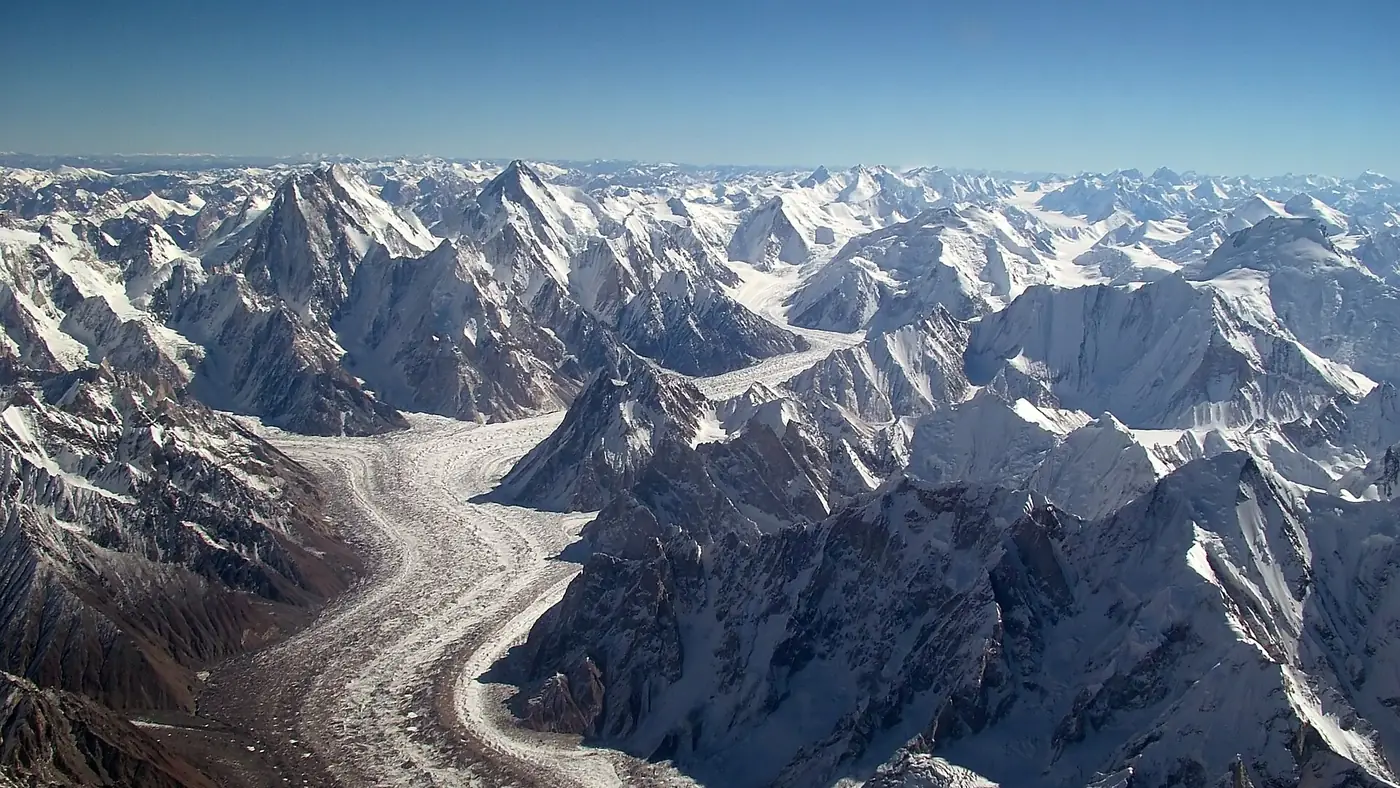

For multi-day trekking in Hunza, four routes stand out. Patundas is a two-to-three-day climb from Passu to a high pasture above the glaciers. The Batura glacier trek follows herders' paths beside one of the longest glaciers outside the polar regions. Rush Lake, across the river in Nagar, takes five to seven days to reach a lake at 4,694 metres. The Shimshal Pass trek spends a week or more in the high Pamir pastures beyond Shimshal. All four are summer treks, from about June to September.
This guide compares them side by side: how long each takes, how high it goes, what makes it hard and who it suits. For shorter walks from Karimabad, Gulmit and Passu, see our guide to hikes in Hunza.
| Trek | Start | Days on foot | Highest point | Main challenge | Best months |
|---|---|---|---|---|---|
| Patundas | Passu | 2 to 3 | A little over 4,000 m | Steep climb, glacier crossing | June to September |
| Batura glacier | Near Passu | Flexible, from 2 days to a week | About 3,700 m at Guchesham, higher beyond | Long days on moraine | June to September |
| Rush Lake | Hopper, Nagar | 5 to 7 | 4,694 m; Rush Peak 5,098 m | Altitude and three glaciers | July to September |
| Shimshal Pass | Shimshal village | A week or more | 4,735 m | Remoteness and height | June to September |
Before you choose: what all four have in common
They start high. Karimabad is at around 2,500 metres and Shimshal at about 3,100. Spend two or three days in the valley before setting off, and use a day hike such as Ultar Meadow as a test of how you handle the height.
They need a guide. Every one of these routes crosses or follows glaciers whose surface changes each year, and the high pastures have no signposts. Local guides and porters are hired in Passu, Hopper and Shimshal, usually through your hotel or guesthouse.
You camp. Apart from Shimshal village itself, there are no lodges on these routes. The shelters at the pastures belong to herders. Bring or hire a tent, a sleeping bag rated well below zero, a stove and food, or have an operator supply them.
Weather and glaciers move the goalposts. July and August bring glacier melt and flash floods on the side streams. In July 2026 the National Disaster Management Authority issued a flood alert for the Hoper and Hisper valleys during a heatwave, the valleys where the Rush Lake trek begins. Check for alerts before you set off, and keep a spare day.
Getting there. Hunza is reached on the Karakoram Highway or by flying to Gilgit. For overseas visitors, the UK government currently advises against all travel on the highway between Mansehra and Chilas; the summer route over the Babusar Pass and the Gilgit flight avoid that stretch. Your own government's advice may differ, and ignoring it can void travel insurance.
Patundas: the shortest taste of the high ground
Patundas is a high summer pasture at a little over 4,000 metres on the ridge between the Passu and Batura glaciers, above Passu village. The trek is short in distance, but it climbs more than 1,500 metres from the valley and the route involves glacier and moraine ground, which is why a local guide is essential.
The reward is one of the widest views in upper Hunza: the Batura glacier and the peaks of the Batura range on one side, the Passu glacier on the other, and the jagged Passu Cones across the valley. Most people take two to three days, with a night or two camped on the pasture.
Best for: fit walkers with only a few days, who want to sleep above 4,000 metres without committing to a week.
The Batura glacier: flexible and quiet
The Batura is about 57 km long, and two thirds of its lower part is covered in rock debris, so from the Karakoram Highway it looks like a grey rubble field. Beside it are summer settlements and pastures used by upper Hunza's herders for sheep, goats, cows and yaks, with stands of juniper and wild rose on the slopes.
The trek follows the herders' paths up beside the glacier, on and alongside the moraine, to settlements such as Yashpirt, at about 3,300 metres, and Guchesham, at about 3,700. How far you go sets the length: a first night at a lower pasture makes a short trip, and continuing up the glacier turns it into a week. It never goes as high as Patundas or Rush Lake, which makes it kinder on anyone unsure about altitude, but the moraine is slow and tiring, and the path shifts with the ice.
Best for: walkers who want quiet, pastoral country and big glacier scenery without extreme height, and groups who like to adjust a plan as they go.
Rush Lake: the classic, and the highest
Rush Lake sits at 4,694 metres above the Miar glacier in Nagar, across the river from Karimabad, and is one of the highest alpine lakes in the world. The trek starts at Hopper, crosses the Bualtar glacier, and climbs over three days along the Barpu and Miar glaciers through pastures such as Hamdar and Chidin Harai. Rush Peak, at 5,098 metres, rises above the lake. On a clear morning its summit looks as far as K2 and Broad Peak.
The views on the way are of Spantik, Miar Peak, Malubiting and the Hunza peaks behind you. It is non-technical in a normal summer, but it gains more than 2,000 metres over Karimabad in about three days, so keep the spare day at the lake. Our Rush Lake trek guide goes through the route and camps in detail.
Best for: fit trekkers with a week, some previous experience at altitude, and a wish to see a real range of the Karakoram from one place.
Shimshal Pass and the Pamir: the most remote
Shimshal is a Wakhi village at about 3,100 metres at the end of a 56 km jeep road from near Passu. Beyond it, the trek to the Shimshal Pass, at 4,735 metres, follows the route the village's herders take each summer to their high pastures, the Shimshal Pamir. Itineraries climb through herders' camps such as Past Furzeen and Arbob Purien to Shuijerab, a summer settlement at around 4,400 metres, rest there, and go on to the pass and the lake beside it.
This is less a mountain view trek than a journey into a working pastoral landscape: yaks, stone huts, women making butter and cheese in the pastures, and open grassland on the watershed between the Indus and Tarim basins. Allow a week or more from Shimshal and back, plus a day each way on the road. Foreign trekkers need a permit arranged in advance, and the area is close to the Chinese border, so confirm the current rules before you plan. Our guide to the Shimshal valley covers the road, the guesthouses and the village.
Best for: experienced trekkers with time, who value culture and solitude over famous peaks.
Which Hunza trek should you choose?
- Three days or fewer: Patundas, or a short Batura trip to the first pastures.
- A week, and you want the highest and most dramatic: Rush Lake.
- A week or more, and you want remoteness and village life: Shimshal and its Pamir.
- Worried about altitude: the Batura glacier, which stays lower than the others.
- First trek ever: none of these. Start with Rakaposhi base camp or Ultar Meadow, and come back for these once you know how you handle the height.
The treks can also be combined with an ordinary Hunza trip. A common pattern is a few days in Karimabad and Gulmit to acclimatise, then the trek, then a rest day before the long drive home. Our Gilgit and Hunza page covers the valley itself, and our ranking of the best treks in Gilgit-Baltistan sets these routes alongside the Baltoro and Nanga Parbat. If you would like help putting a trek and a valley trip together, send us your dates through our trip planning page.
Frequently asked questions
What is the best trek in Hunza?
For most fit trekkers with a week, Rush Lake, for its height and the views of Spantik and the Nagar peaks. For a shorter trip, Patundas above Passu gives the biggest view for the effort.
Is Rush Lake in Hunza or Nagar?
In Nagar, across the Hunza river from Karimabad. The trek starts at Hopper, about an hour's drive from Karimabad, so it is usually planned as part of a Hunza trip.
Do I need a permit for trekking in Hunza?
Pakistani trekkers carry their CNIC for the checkposts. Foreign trekkers need a permit arranged in advance for the Shimshal Pass and the Pamir, near the Chinese border. Fees and permit rules have been revised since 2024, so confirm what applies to your route before you go.
When is the trekking season in Hunza?
June to September for the multi-day routes, with July and August the most settled for Rush Lake and the Shimshal Pass. Snow lingers high up in June, and nights are freezing by late September.
Can I trek in Hunza without a guide?
Not sensibly on these routes. Each one crosses or follows glaciers whose paths change every year, and local guides know the current line, the camps and the weather.
How many days do I need for trekking in Hunza?
Two to three days on foot for Patundas, five to seven for Rush Lake and a week or more for the Shimshal Pass, plus two or three days in the valley first to acclimatise.