The places to visit in Rawalpindi fall into three groups. The old city around Raja Bazaar has the bazaars, the old havelis and the food. The cantonment has Saddar, the Pakistan Army Museum, Christ Church and Ayub National Park. And on the edge of the city are Rawat Fort, the Mankiala Stupa and, a little further, the ruins of Taxila. Each group makes a comfortable half-day, so two days cover the city well.
Most visitors pass through Rawalpindi on the way to the airport or the north and never look around. This guide is for anyone with a spare day: what each place is, how long it takes, and how to string them into half-day plans that avoid the worst of the traffic.
| Place | Area | Time to allow |
|---|---|---|
| Raja Bazaar and the old city | Old city | 2 to 3 hours |
| Liaquat Bagh | Murree Road | 30 minutes |
| Saddar | Cantonment | 1 to 2 hours |
| Pakistan Army Museum | Cantonment, near GHQ | 1.5 to 2 hours |
| Ayub National Park | GT Road | 2 to 3 hours |
| Rawat Fort | GT Road, about 17 km east | 45 minutes |
| Mankiala Stupa | About 36 km southeast of Islamabad | 30 to 45 minutes |
| Taxila | About 35 km northwest | A full day |
| Best months | October to March |
How Rawalpindi is laid out
Rawalpindi is two cities side by side. The old city, to the north, grew up as a trading town on the road between Lahore and Peshawar, and its bazaars still run out from Raja Bazaar in every direction. The cantonment, to the south, is the British garrison town: wider roads, colonial churches, the army's General Headquarters and the Saddar shopping district.
Murree Road links them and runs on to Islamabad. The Metro Bus Red Line follows it from Saddar, with stops at Marrir Chowk, Liaquat Bagh and Committee Chowk, then into Islamabad. It runs from about 6:15 am to 10 pm and is the easiest way to reach the old city without fighting for parking.
Raja Bazaar and the old city
Raja Bazaar is the centre of old Rawalpindi and its biggest wholesale market, with more than 2,500 shops. Several of the city's oldest bazaars meet here, near Fawara Chowk, and between them you can spend a whole morning on foot.
What to see
- Raja Bazaar itself: cloth, utensils, spices, dry fruit, household goods and a great deal of noise. Come to watch the city at work rather than to shop for anything in particular.
- Moti Bazaar, a narrow bazaar known for fabric, women's clothing, bangles and wedding accessories.
- Sarafa Bazaar, the jewellers' quarter, where engraving and casting are still done in small workshops.
- Bhabra Bazaar, the old Jain merchants' quarter, with two- and three-storey 19th-century houses, carved wooden doors and balconies. It is the most atmospheric part of the old city.
- Haveli Sujan Singh, in Bhabra Bazaar, built in the early 1890s by a wealthy timber merchant, Sujan Singh. Several restoration plans have stalled for lack of funds, it is not open to visitors, and parts of it are in poor condition. Look at it from the lane.
- Kartarpura, a neighbourhood of old lanes known across the city for its food, and the right place to finish with a meal.
Tips for the old city
Come in the morning, before the lanes are at their most crowded. Wear comfortable shoes, dress modestly, and keep your phone and wallet in a front pocket, as you would in any crowded bazaar. Photographing buildings is generally fine; ask before photographing people, and don't photograph women.
Avoid 9th and 10th Muharram, when the main Ashura processions pass through and roads in the old city are sealed off, and expect the lanes to be at their busiest in the week before Eid.
Liaquat Bagh
Liaquat Bagh, on Murree Road, is where Pakistan's first prime minister, Liaquat Ali Khan, was shot while addressing a gathering on 16 October 1951. It was known as Company Bagh in British times and was renamed after him. On 27 December 2007, Benazir Bhutto was killed as she left a rally held here.
Today it is a public park, being replanted and maintained by the city's Parks and Horticulture Authority. Half an hour is enough, and it makes a good starting point for the old city: the Liaquat Bagh Metro stop is outside, and Liaquat Road leads from here to Raja Bazaar.
Saddar and the cantonment
Saddar is the cantonment's shopping centre, busier with clothes, shoes, electronics and bakeries than with anything historic, but it has an energy of its own in the evening. The Metro Bus starts here.
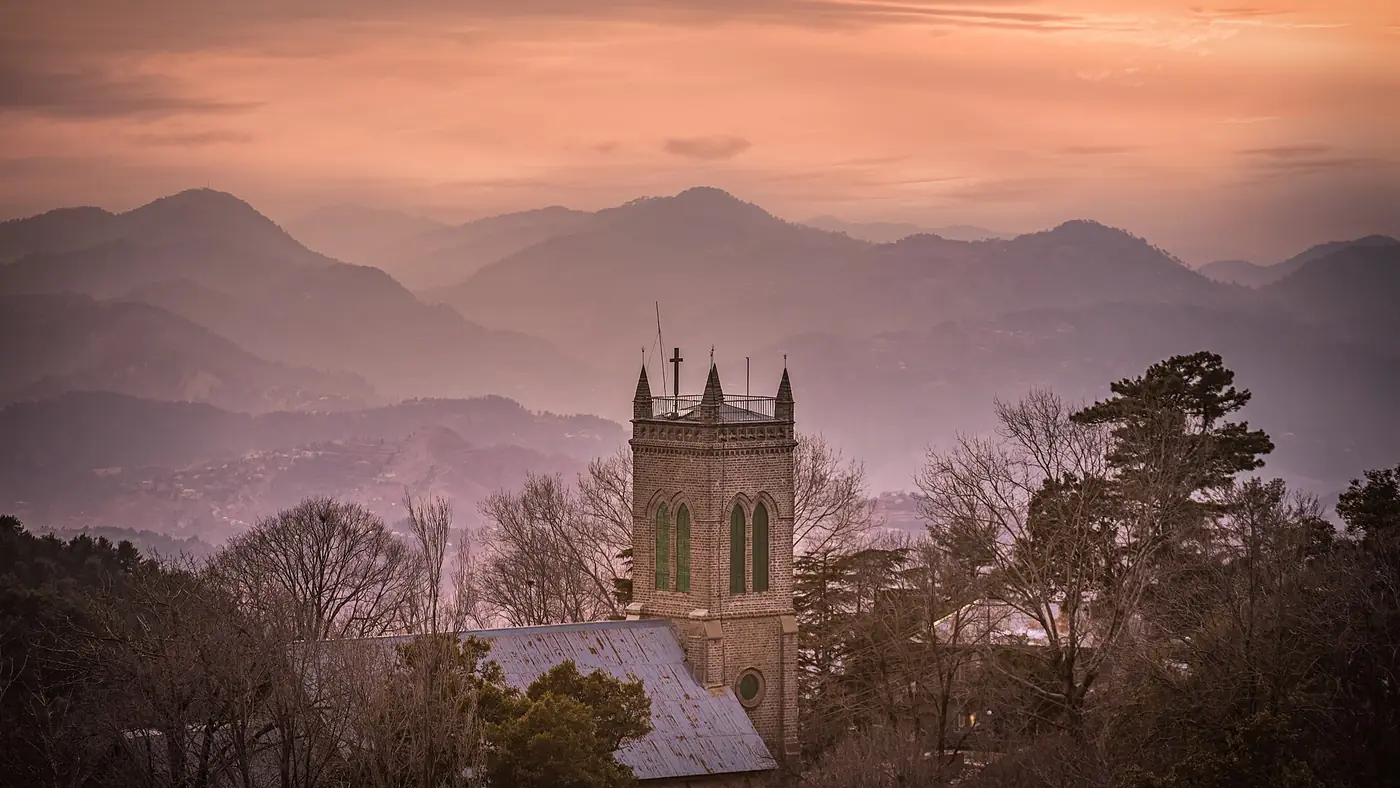
Christ Church, beside the army's General Headquarters, is one of the oldest churches in this part of Pakistan: its foundation stone was laid in 1852 and services began in 1854. It is a working church, so ask at the gate before going in, and visit outside service times.
Pakistan Army Museum
The Army Museum, opened in 1961, occupies colonial-era barracks within the GHQ area. Its galleries cover the Kashmir war of 1947–48, the wars of 1965 and 1971, Kargil and Siachen, the regiments and corps, and weapons from Mughal times to the present, with tanks among the larger exhibits.
Carry your CNIC, because you will be asked for it at the entrance. Opening days and ticket prices have changed over the years, so check them before you go rather than relying on an old listing.
Parks and green spaces
Ayub National Park
Ayub National Park, on the GT Road, is the largest park in the twin cities, at over 300 acres. It began in the British era as Topi Rakh, became a national park in 1959, and has been run by the Army Heritage Foundation since 2001. The main draw for families is Jungle World, a combined zoo and amusement park, with a lake for paddle boats; rides, boats and Jungle World are paid separately. In summer Jungle World stays open into the evening, when it is cooler. Allow two to three hours with children.
Lohi Bher Wildlife Park
Lohi Bher Wildlife Park, off the Islamabad Expressway, is run by Punjab's wildlife department and set up in 1992. It keeps lions, urial and an aviary around a small lake, with play areas and picnic spots. It is quieter and more basic than Ayub Park and opens in daylight hours only. It suits a couple of hours with small children.
Forts and ancient sites on the edge of the city
Rawat Fort
Rawat Fort stands beside the GT Road about 17 km east of Rawalpindi. It began in the early 15th century as a caravanserai, a walled inn for merchants on the road, and the local Gakhar clan later turned it into a stronghold against Sher Shah Suri in the 16th century. Inside the walls are a three-domed mosque, rows of small cells where the traders once slept, and a large octagonal domed tomb traditionally said to be that of the Gakhar chief Sarang Khan.
Conservation work began in 2016, but parts of it are still crumbling. From its roof, on a clear day, you can see the Mankiala Stupa on the horizon. Forty-five minutes is enough.
Mankiala Stupa
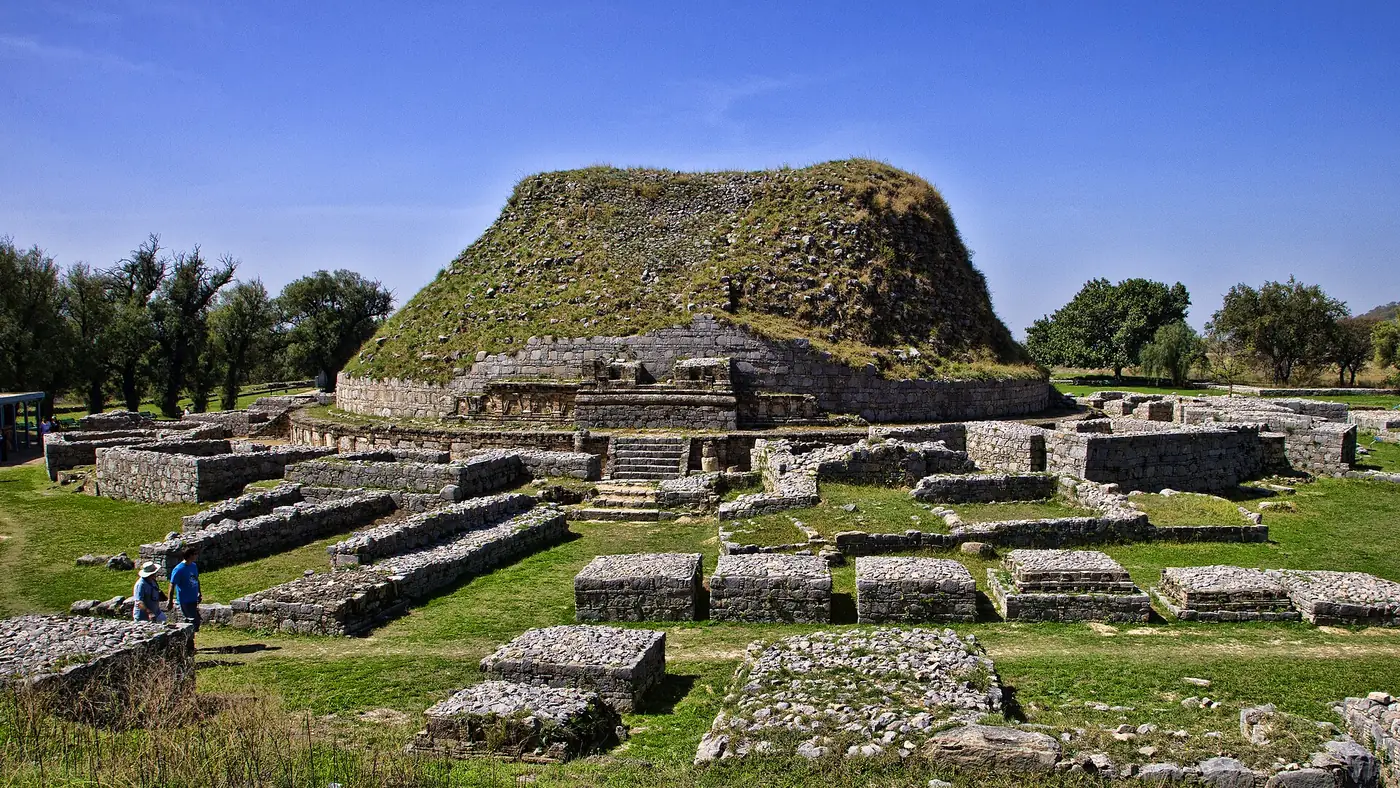
The Mankiala Stupa stands in the village of Tope Mankiala, about 36 km southeast of Islamabad and a short drive beyond Rawat. Tradition links the site to the story of Prince Sattva, an earlier life of the Buddha, who gave his own body to feed seven starving tiger cubs. It is often attributed to the Kushan king Kanishka, in the 2nd century AD, though some link it to Ashoka.
The relics found inside in 1830 are now in the British Museum, and the stupa has not been restored since 1891. It is a large, weathered dome in open country, and the site is largely neglected, so don't expect facilities. Combine it with Rawat Fort.
Pharwala Fort
Pharwala Fort, about 40 km from Rawalpindi near Kahuta, was the Gakhars' capital, built in the 15th century beside the Soan river with the hills behind it. It is impressive and very ruined, and reaching it means crossing the Soan, which is only practical when the river is low. Never try it after heavy rain or in the monsoon.
The fort lies close to sensitive government installations. It is generally open to Pakistani visitors, but foreign nationals need a No Objection Certificate to enter the area. Everyone should keep cameras pointed at the fort and nothing else.
Taxila
Taxila, about 35 km northwest, is the best day out from Rawalpindi: a museum of Gandhara art and the ruins of three ancient cities and several Buddhist monasteries. Our one-day Taxila heritage route sets out the order, and our Taxila Museum guide covers timings and tickets.
Half-day plans
Plan 1: the old city, a morning
- Take the Metro Bus to Liaquat Bagh and walk through the park.
- Walk down Liaquat Road to Raja Bazaar and Fawara Chowk.
- Explore Moti Bazaar and Sarafa Bazaar.
- Find Bhabra Bazaar and Haveli Sujan Singh.
- Finish with lunch in Kartarpura.
Plan 2: the cantonment, a morning or afternoon
- The Army Museum, about two hours.
- A look at Christ Church.
- Tea and shopping in Saddar.
- For families, the late afternoon at Ayub National Park.
Plan 3: out along the GT Road
- Leave early and drive east to Rawat Fort.
- Continue to the Mankiala Stupa.
- Be back in the city for lunch, with the afternoon free.
Plan 4: Taxila, a full day
Leave by 8 am, start at the museum when it opens, and follow the Taxila route through the day.
When to go and getting around
October to March is the best time for walking the bazaars and visiting the outdoor sites. From May to September Rawalpindi is hot and humid, and the monsoon brings heavy downpours and flooding in the low parts of the city, particularly around the Nullah Leh. In summer, do the bazaars early and keep the museum for the afternoon.
Traffic is the main problem. Murree Road and the roads into the old city are slow at most times of day, and parking in the bazaars is close to impossible. Use the Metro Bus or a ride-hailing car for the old city, and keep your own car for the cantonment, Ayub Park and the GT Road sites.
Is Rawalpindi worth a day?
Yes, if you like cities as they really are. Rawalpindi is not a showpiece. Its old bazaars are crowded and chaotic, its best haveli is locked, and its ancient sites are unrestored. But the old city shows a Punjabi trading town as it really works, the Army Museum is worth the visit, and Taxila, Rawat and Mankiala are all within easy reach.
It suits travellers staying in Islamabad who want more than malls and viewpoints, families passing through who need a museum or a park for an afternoon, and anyone flying out who has a day to spare. If you dislike crowds and noise, skip the bazaars, see the museum and Ayub Park, and give your time to Taxila instead. Our trip planning page can help you fit the city into a longer trip, and our travel guide covers the practical side of travelling in Pakistan.
Frequently asked questions
What are the famous places in Rawalpindi?
The best known are Raja Bazaar and the old city bazaars, Liaquat Bagh, the Pakistan Army Museum, Ayub National Park and Saddar. Just outside the city are Rawat Fort, the Mankiala Stupa and the ruins of Taxila.
Can you see Rawalpindi in one day?
You can see the highlights in a day: the old city in the morning and the cantonment and Army Museum in the afternoon. Taxila needs a separate full day.
What is Rawalpindi famous for?
It is known as the army's garrison city, home to General Headquarters, and for its old bazaars, especially Raja Bazaar, and its food. Liaquat Bagh is famous as the site of two of Pakistan's most significant political assassinations.
Is Raja Bazaar safe for visitors?
It is a busy, ordinary market, and families shop there every day. Keep valuables out of sight, as in any crowd, and avoid the old city on 9th and 10th Muharram, when roads are sealed off for the processions.
Which places near Rawalpindi are good for a day trip?
Taxila is the best, about 35 km away. Rawat Fort and the Mankiala Stupa make an easy half-day along the GT Road to the east.
Do I need an ID card to visit the Army Museum?
Yes. Carry your CNIC, or your passport if you are a foreign visitor, because you will be asked for it at the entrance.