Taxila Museum holds the finds from the ruined cities and monasteries of the Taxila valley, about 35 km northwest of Islamabad, and it is one of the best collections of Gandhara art anywhere. It opens from 9 am to 4 pm in winter and 8:30 am to 5 pm in summer, and it is closed on the first Monday of every month and on Islamic holidays. A ticket costs about PKR 20 for a Pakistani adult, PKR 10 for a child and PKR 500 for a foreign visitor (2026). Most people need an hour to an hour and a half inside.
This guide covers the timings and tickets, what is in each gallery and which pieces to look for, the photography question, and how the museum fits into a day at the Taxila ruins.
| At a glance | |
|---|---|
| Where | Taxila, Rawalpindi district, beside the Bhir Mound excavation |
| From Islamabad | About 35 km, 45 minutes to an hour by car |
| Summer hours | 8:30 am to 5 pm, with a break for Friday prayers |
| Winter hours | 9 am to 4 pm, with a break for Friday prayers |
| Closed | First Monday of each month, and Islamic holidays |
| Tickets (2026) | About PKR 20 adults, PKR 10 children, PKR 500 foreigners |
| Time needed | 1 to 1.5 hours; half a day with Bhir Mound and Sirkap |
| Best months | October to April; summer afternoons are very hot outside |
Why Taxila Museum matters
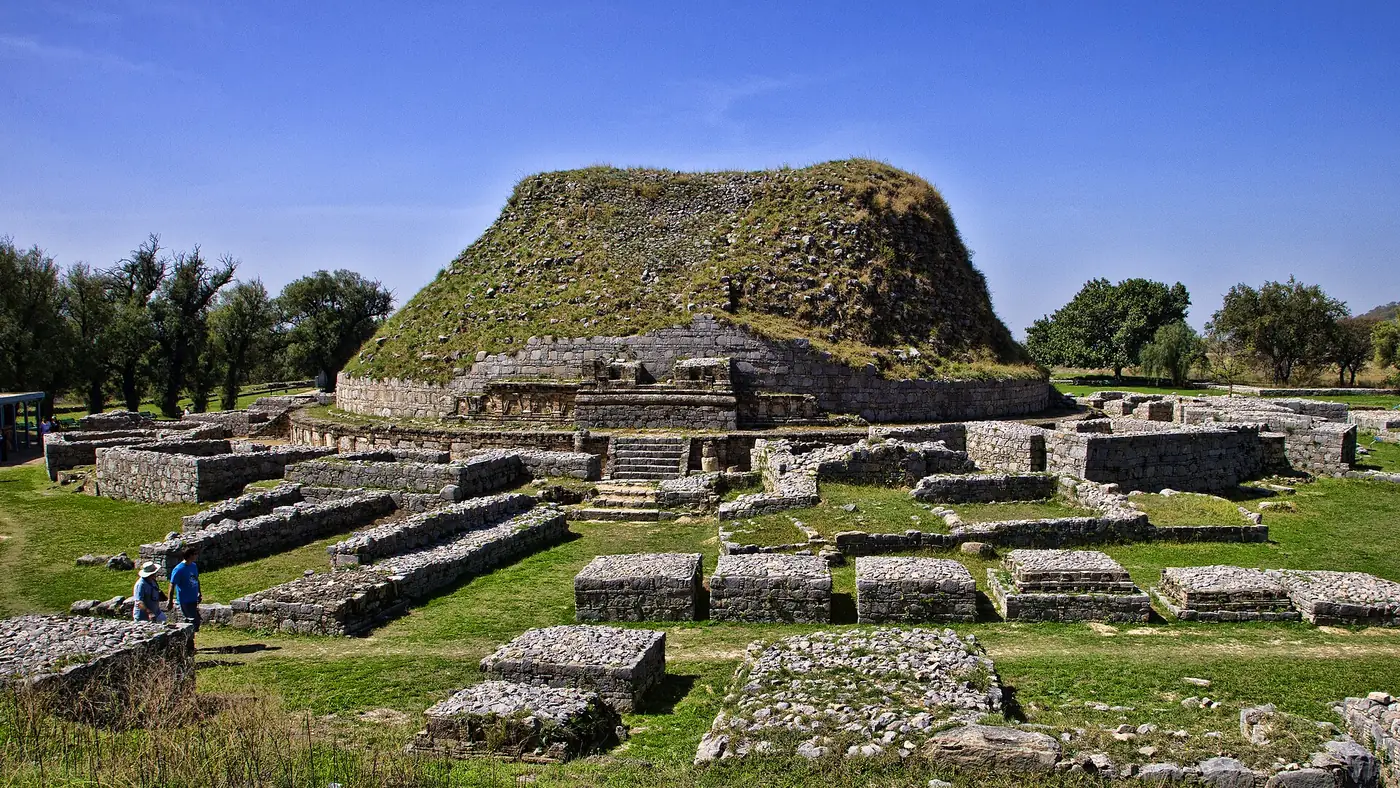
For roughly a thousand years, from around the 6th century BC to the 5th century AD, Taxila was one of the great cities of the region: a Persian, then Mauryan, then Greek, Scythian, Parthian and Kushan city, and a centre of Buddhist learning. The ruins of three successive cities and dozens of monasteries lie across the valley, and in 1980 UNESCO listed them together as a World Heritage Site.
Sir John Marshall of the Archaeological Survey of India dug here from 1913 to the 1930s, and the museum was built to keep what he found close to where it was found. The foundation stone was laid in 1918 and it opened in 1928. A northern gallery was added in 1998. The museum is now run by the Punjab government's archaeology directorate.
What sets it apart from the big city museums is that almost everything in it comes from sites you can drive to the same afternoon. Much of the stucco in the cases came from the monasteries at Jaulian and Mohra Moradu, a few kilometres up the road. That connection is the reason to see the museum first and the ruins second.
When is Taxila Museum open?
The museum's own website gives these hours:
- Summer: 8:30 am to 5 pm
- Winter: 9 am to 4 pm
- Closed: the first Monday of every month, and on Islamic holidays
The Punjab archaeology directorate also lists a midday break on Fridays, roughly 12:30 to 2:30 pm, so don't plan a Friday visit around the middle of the day. Hours may be shorter in Ramazan. If you are coming on a public holiday or a Monday early in the month, check the museum's page or Facebook before you set out.
The best time to arrive is at opening. The galleries are quiet, and you have the rest of the morning for the ruins before the heat builds. From May to September the excavated sites are exposed and very hot by early afternoon, so the museum makes a sensible place to spend the middle of the day if you have started outside instead.
How much are Taxila Museum tickets?
The museum's published rates (2026) are:
| Visitor | Ticket |
|---|---|
| Pakistani adult | About PKR 20 |
| Child, 12 and under | About PKR 10 |
| Foreign visitor | About PKR 500 |
Pay in cash at the window by the entrance. Fees at government heritage sites change from time to time, so treat these as a guide and pay what is posted on the day.
The museum ticket does not cover the excavated sites for Pakistani visitors. Sirkap, Dharmarajika and Mohra Moradu are ticketed at their gates, for small amounts, and depending on the arrangement at the time one ticket may cover more than one site, so keep every ticket until the end of the day. Jaulian sits just across the provincial boundary in Haripur district, Khyber Pakhtunkhwa, and charges its own ticket. Foreign visitors should keep their museum receipt too, because the museum lists the foreigners' rate as covering the sites, and it avoids an argument at the gate.
What is inside the galleries?
The museum is laid out around a large central hall, with galleries off it. It groups its collection into four displays: Gandhara art, household objects with tools and weapons, jewellery, and stucco sculpture. Thousands of objects are on show, from about 600 BC to AD 500, with many more in storage.
The main hall: Gandhara stone sculpture
The central hall is the heart of the museum. It holds the grey schist sculpture that made Gandhara famous: standing and seated Buddhas, Bodhisattvas dressed like princes, with jewellery, moustaches and elaborate turbans, and long relief panels that tell the life of the Buddha and the stories of his earlier lives, the Jatakas.
Take the panels slowly and look for the familiar episodes: the dream of Queen Maya, the birth, the departure from the palace, enlightenment, the first sermon and the death. The carving shows Greek and Roman influence clearly, in the folds of the robes and the faces, which is why Gandhara art is so often described as the meeting point of East and West.
Stucco and terracotta
Stucco, a fine lime plaster, was the material the later monasteries used for faces and figures, and some of the best of it came from Jaulian and Mohra Moradu. The heads are softer and more expressive than the stone, and some still carry traces of paint. Give this gallery more time than you think it needs.
Jewellery, coins and everyday life
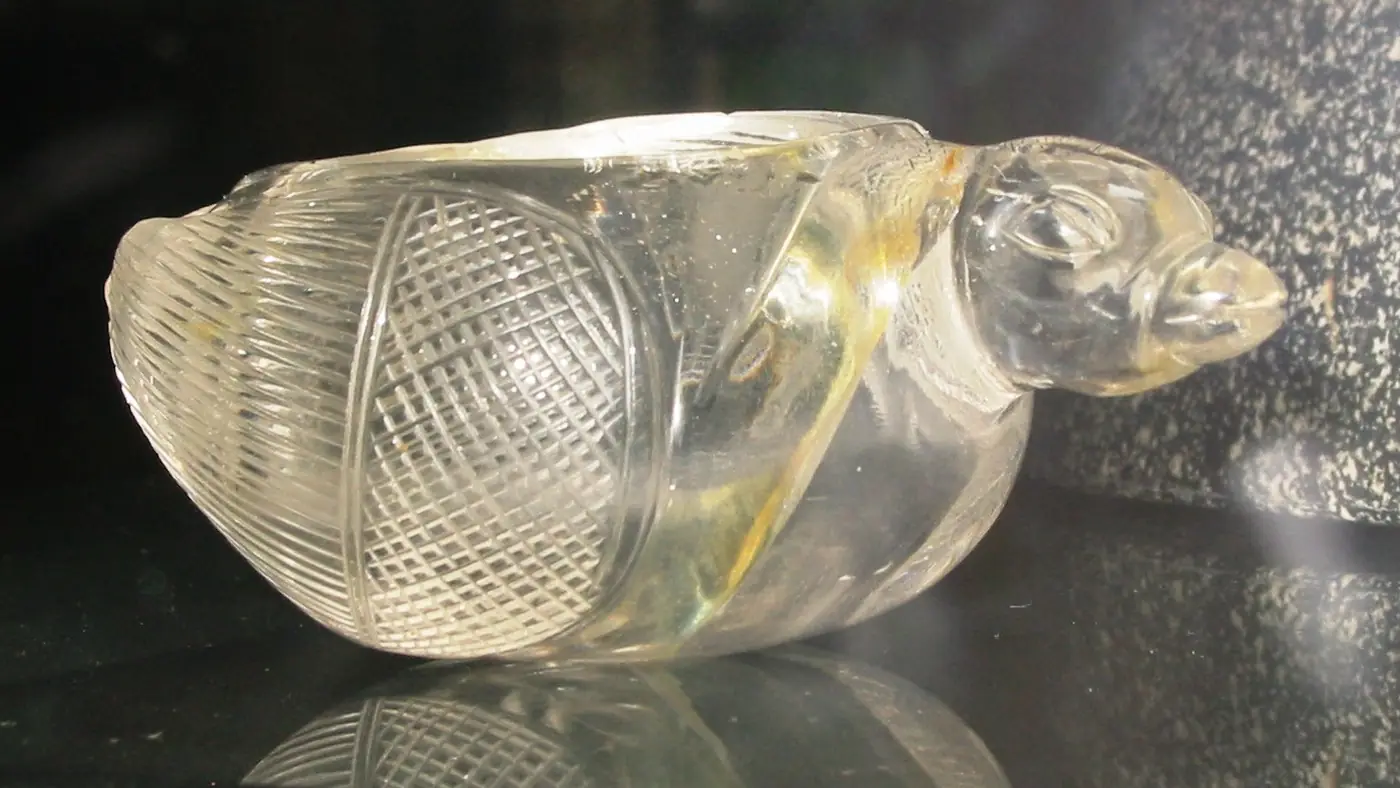
The smaller galleries hold what the people of Sirkap and the other cities wore and used: gold and silver jewellery, beads, toilet articles, pottery, metal utensils, tools and weapons. There are coins from the Indo-Greek kings to the late Kushans, and inscriptions in Aramaic, Kharoshthi and Brahmi.
These cases are easy to walk past after the sculpture, but they are what make Taxila feel like a real city rather than a set of monuments. Look at the jewellery in particular, some of it close to Greek and Roman work of the same period.
Highlights worth finding
If you have only an hour, look for these:
- The copy of the Mohra Moradu votive stupa, a small complete stupa crowned with its tiers of umbrellas. The original still stands in a monk's cell at Mohra Moradu, and this is the clearest way to understand what the broken stupas at the sites once looked like.
- The Buddha life panels in the main hall, especially the birth and the first sermon.
- The Bodhisattva figures, which show how a Gandharan prince dressed.
- The stucco heads from Jaulian and Mohra Moradu.
- The relic caskets and reliquaries found inside the stupas.
- The gold jewellery and the coin cases, which date the cities.
A guide makes a real difference in the main hall, where a good explanation turns a row of sculptures into a story. Museum staff sometimes show visitors round; agree any fee before you start.
Can you take photos inside Taxila Museum?
Visitor reports disagree. Some people have been told that photography is not allowed in the galleries, while others have taken phone pictures without being stopped, and the museum's website doesn't set out a policy. The rule seems to depend on the day and the staff on duty.
The sensible approach:
- Ask at the ticket window before you take out your phone.
- Never use flash, even if photos are allowed.
- Don't touch the sculptures or lean on the cases.
- For professional filming or a shoot, contact the museum well in advance rather than arriving with equipment.
Outside the building there is no such question, and photography is generally allowed at the excavated sites, though Jaulian has in the past charged a separate camera fee.
How long to spend, and how to fit it into a day
An hour covers the main hall and a walk through the side galleries. An hour and a half lets you read labels, find the highlights and sit with the stucco. Specialists and students of Gandhara art can easily spend a whole morning.
Most people see the museum as part of a day at the ruins. The simplest plan is to start at the museum when it opens, walk across to Bhir Mound, the oldest of the three cities, which is right beside it, and then drive to Sirkap, about 2 km away. Our one-day Taxila heritage route sets out the full order, with Dharmarajika, Mohra Moradu and Jaulian, and how long each takes.
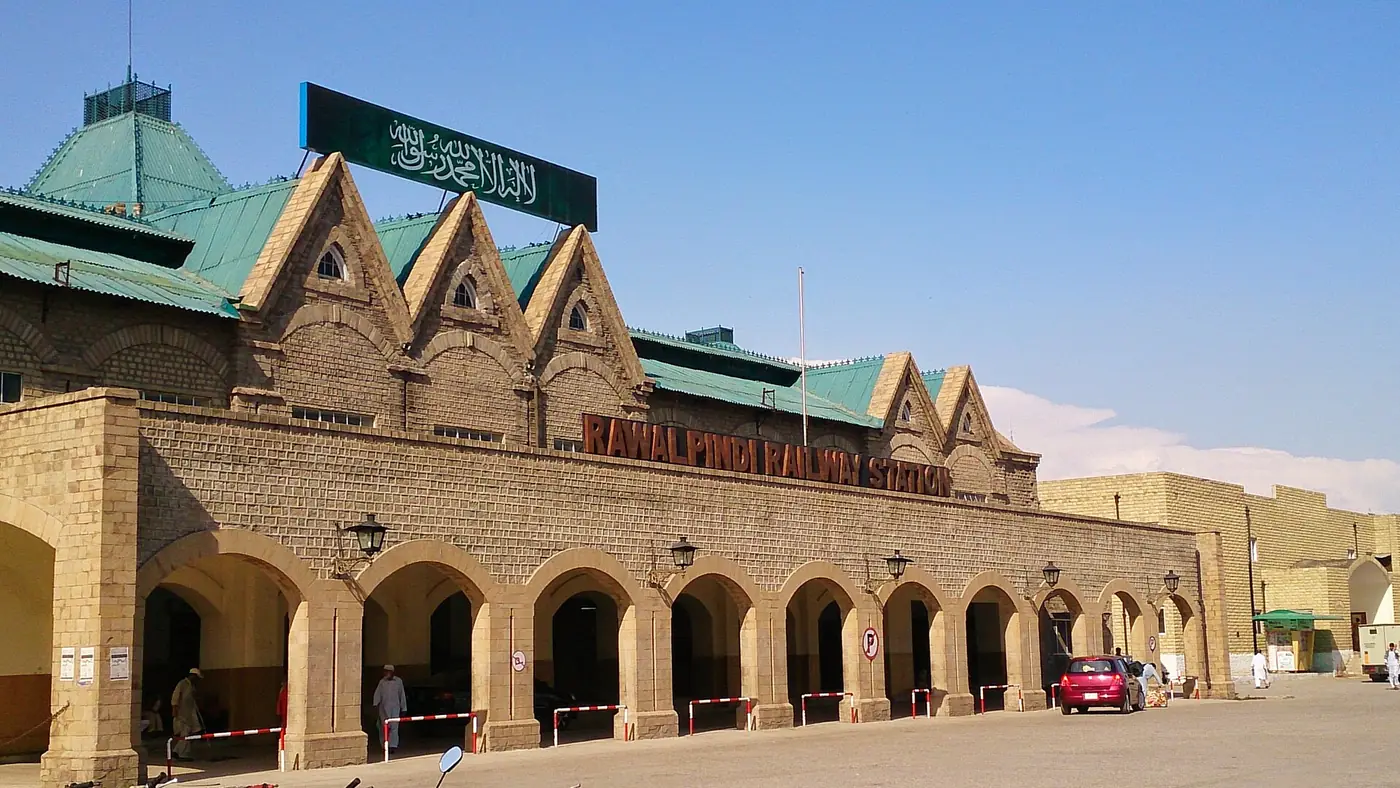
If you are coming from Rawalpindi, Taxila pairs well with a morning in the old bazaars the day before or after. Our guide to places to visit in Rawalpindi has half-day plans for the city.
Practical details
- Getting there. The museum is about 35 km from Islamabad and a similar distance from Rawalpindi, 45 minutes to an hour by car depending on traffic. Taxis from the ride-hailing apps will take you, but for the ruins as well you need a car for the day or a rickshaw from outside the museum.
- Parking is beside the entrance.
- Facilities. There is a small souvenir shop and a library. Don't count on a proper café at the museum; eat in Taxila town or bring snacks and water.
- Before you go. The museum offers a virtual tour and a mobile app, both linked from the Taxila Museum website. A few minutes with either gives you a head start.
- Weather. Taxila is on the plains, and from May to September it is very hot. Plan the outdoor sites for the early morning.
Is Taxila Museum worth it?
Yes, and it is the part of Taxila that is easiest to underrate. The ruins are atmospheric, but they are foundations, walls and stupa drums. The museum is where you see what stood on them, and it turns the rest of the day from a walk among stones into something you understand.
It suits anyone with an interest in history, art or religion, school and university groups, and families with older children who can be kept interested with the stories on the panels. Young children tend to enjoy the open ruins more than the cases, so with small children keep the museum short and let the sites take the time.
If you have seen the Gandhara galleries at the Lahore Museum or the Peshawar Museum, Taxila is still worth it for the local connection. If Peshawar is on your list, our guide to places to visit in Peshawar covers its museum. And if you are building Taxila into a longer trip around Islamabad, our trip planning page is the place to start.
Frequently asked questions
What are the Taxila Museum timings?
In summer the museum opens from 8:30 am to 5 pm and in winter from 9 am to 4 pm, with a break for Friday prayers. It is closed on the first Monday of every month and on Islamic holidays.
What is the Taxila Museum ticket price?
About PKR 20 for a Pakistani adult, PKR 10 for a child and PKR 500 for a foreign visitor (2026). Fees change from time to time, so pay what is posted at the window.
Is Taxila Museum open on Sunday?
Yes. The museum's regular closures are the first Monday of each month and Islamic holidays, not Sundays.
How long does it take to see Taxila Museum?
About an hour for the main hall and galleries, or an hour and a half if you want to read the labels. Allow a full day if you are also visiting the excavated sites.
Is photography allowed in Taxila Museum?
It varies with the day and the staff on duty, so ask at the ticket window before taking pictures. Flash is never appropriate around the sculptures.
Does the museum ticket include Sirkap and Jaulian?
Not for Pakistani visitors: the excavated sites charge their own small gate fees, and Jaulian, being in Khyber Pakhtunkhwa, has a separate ticket. Foreigners should keep their museum receipt, as the museum lists the foreigners' rate as covering the sites.