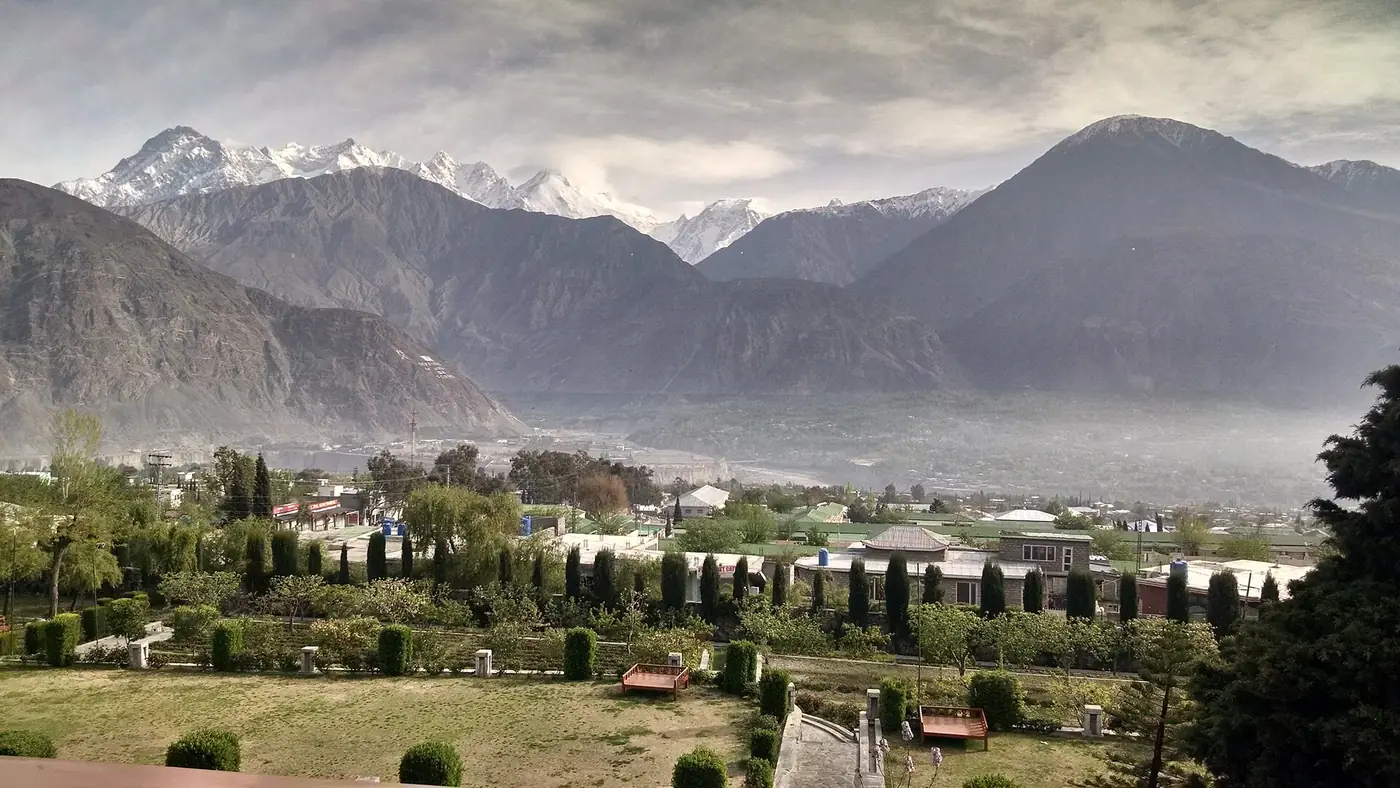
Autumn in Naltar Valley runs from around mid-September through October, when the pine forest around Naltar Bala turns gold against the dark green of the conifers that stay green year-round, the summer crowds have thinned, and the jeep track to the lakes is still open, weather allowing. It is a narrow window: the same cold that brings the colour also brings the first snow that closes the track for the year, usually sometime in October or November depending on the season.
This guide focuses on that window: what the colours actually look like, how long the track stays open, and how to time a visit so you see the best of it without getting caught out by an early closure.
| At a glance | |
|---|---|
| Colour season | Mid-September through October |
| Peak colour | Generally mid to late October |
| Jeep track to the lakes | Usually open through October, weather permitting |
| Typical closure | Late October to November, with an early snowfall |
| Nights | Cold, often at or below freezing by October |
| Crowds | Much lighter than July and August |
What autumn looks like in Naltar
Naltar's forest is what sets it apart from most of the country close to Gilgit, which is dry, bare rock and scree. In autumn, the deciduous trees among the pines, willow and birch along the stream, poplar and other broadleaf species around the villages, turn yellow and gold, while the pine and spruce that make up most of the forest stay green. The result is a mix of colour rather than a single blanket of autumn foliage, threaded through by the stream and set against the surrounding peaks.
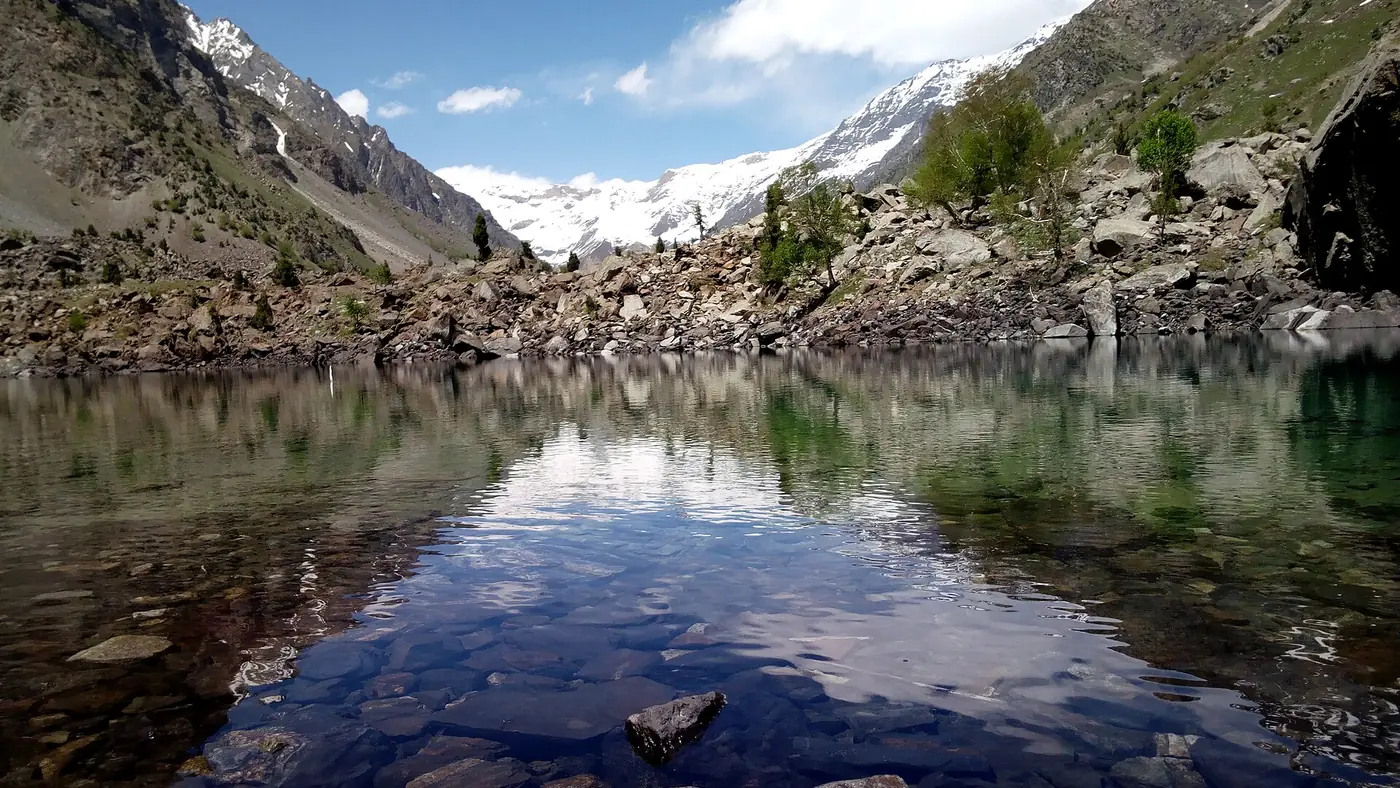
The lakes themselves, Satrangi and the others above Naltar Bala, take on a different character in autumn light than in the haze of a July afternoon: clearer water, sharper reflections, and often a dusting of early snow on the highest ground around them by October, which sets off the colour in the trees below.
When the colours peak
Broadly, expect the change to begin in mid-September, build through the second half of the month, and peak in mid to late October, though the exact timing shifts by a couple of weeks from year to year depending on the season's weather. Early to mid-October is a reasonable target for most visitors who want good colour with a reasonable margin against an early closure; the very end of October can be spectacular in a mild year and already snowed over in a colder one.
How long the jeep track stays open
The rough jeep track from Naltar Bala up to the lakes, the same one used all summer, generally stays open through October, but it is weather-dependent rather than fixed to a date. An early snowfall, which can arrive any time from mid-October onward, is enough to close it for the season, sometimes with little warning.
This means autumn in Naltar carries real uncertainty that summer does not. If you are travelling specifically for the lakes rather than just the valley and its forest, build in flexibility rather than booking a single fixed day, and check locally in Gilgit or Naltar Bala the evening before you go up.
What the nights are like
Autumn nights in Naltar are cold. By October, temperatures at Naltar Bala regularly fall to or below freezing overnight, and the ground near the lakes is colder again. Days can still feel pleasant in the sun, but the gap between a warm afternoon and a very cold night widens through the season. Pack proper warm layers regardless of how the daytime weather looks, and check that any guesthouse you book has adequate heating and bedding, since some smaller places wind down their service as the season ends.
Why autumn suits some visitors better than summer
July and August are Naltar's busiest months, and also its wettest, with the risk of cloudbursts and flash floods that have blocked the road in recent years. Autumn trades that for cooler, generally more settled weather, far fewer visitors on the track and at the lakes, and the colour itself, at the cost of a shorter, less predictable window and colder nights.
If your priority is a quiet trip and good light for photography, autumn is usually the better choice. If you want certainty that the lakes will be open and warm evenings guaranteed, June to August remains the safer bet.
Planning an autumn visit
- Aim for the first half of October as the most reliable balance of colour and access, unless you are hearing locally that the season is running late.
- Check road and weather conditions from Gilgit before you commit, ideally the day before you plan to go up, since the jeep track's condition can change quickly once the season turns.
- Confirm your accommodation is still open and heated, since some guesthouses in Naltar Bala reduce their service later in the season.
- Keep a spare day if you can, so an early snowfall or a closed track does not mean missing the valley entirely; the forest around Naltar Bala itself is worth the trip even without reaching the lakes.
For the road, the jeep hire and where to stay, our Naltar valley guide covers the practical side in full, and our best time to visit Naltar Valley guide sets the autumn window against the rest of the year, month by month. Our guide to autumn in Gilgit-Baltistan covers the wider region's colour season, including Hunza.
Frequently asked questions
When is the best time to see autumn colours in Naltar?
Mid-September through October, with peak colour generally in mid to late October. The exact timing shifts by a couple of weeks each year.
Is the jeep track to the Naltar lakes open in October?
Usually, but it is weather-dependent. An early snowfall can close it for the season with little warning, so check conditions locally before you go up.
How cold does Naltar get in autumn?
Nights at Naltar Bala are regularly at or below freezing by October, with the ground near the lakes colder still. Days can still feel mild in the sun.
Is October too late to visit Naltar Valley?
Early October is generally fine and often the best month for colour. Late October carries real risk of an early closure, so check locally before committing to a specific date.
Is Naltar quieter in autumn than in summer?
Yes, considerably. July and August are the busiest months; by September and October, visitor numbers drop off sharply.