Training for the K2 base camp trek means preparing to walk five to eight hours a day, most days, for two weeks, much of it on loose glacier moraine, with a week of nights above 4,000 metres. Fitness alone doesn't protect you from altitude, but it decides how much you enjoy the days that altitude doesn't touch, and it is what carries you through the long stages when the ground and the weather are working against you.
This guide sets out a practical training plan, the kind of practice hikes worth doing, and how fitness and acclimatisation fit together on the trek itself. Our K2 base camp trek guide covers the route and difficulty stage by stage.
| At a glance | |
|---|---|
| Start training | 3 to 6 months before the trek |
| Typical trek days | 5 to 8 hours walking, several days in a row |
| Terrain to train for | Steep ground, then rough glacier moraine |
| Best single preparation | Consecutive long hikes with a loaded pack |
| What training can't fix | Altitude; that needs slow ascent and rest days |
What the trek actually demands
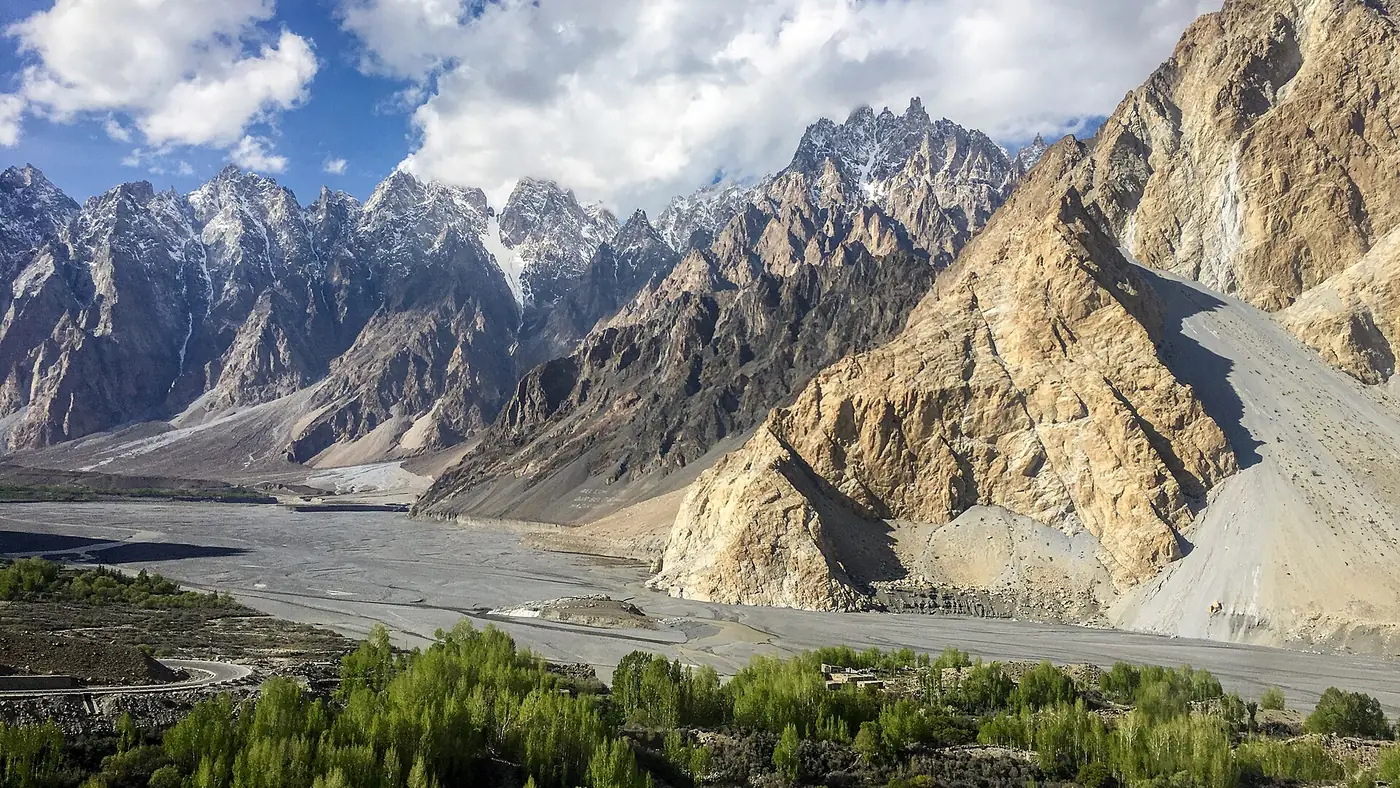
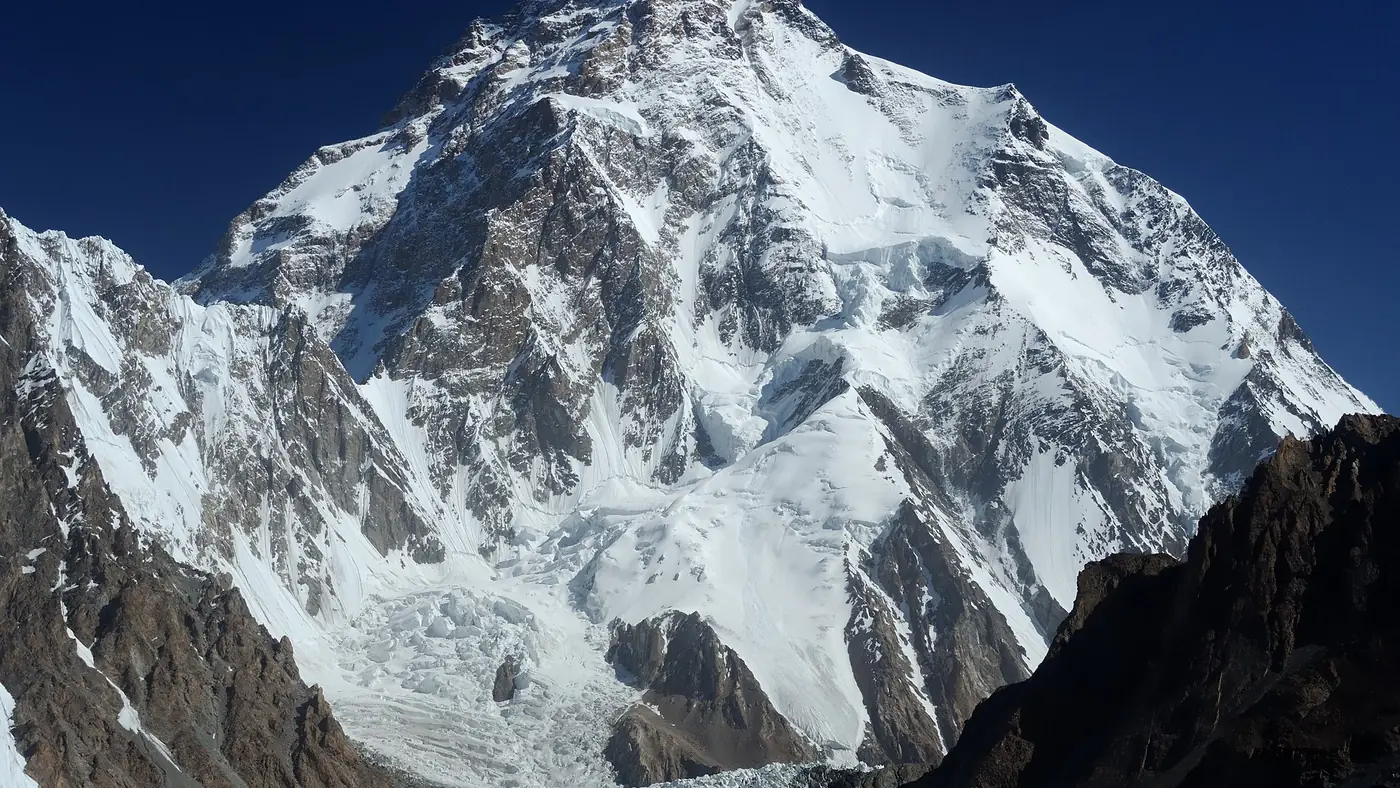
Before building a plan, it helps to know what you are training for. The K2 base camp trek is not technical: there is no climbing, roping up or scrambling on the standard route. What makes it hard is the combination of a long walking day, repeated day after day, over ground that is often uneven rock rather than a smooth trail, at altitudes that rise from about 3,000 metres at Askole to close to 5,000 metres at base camp.
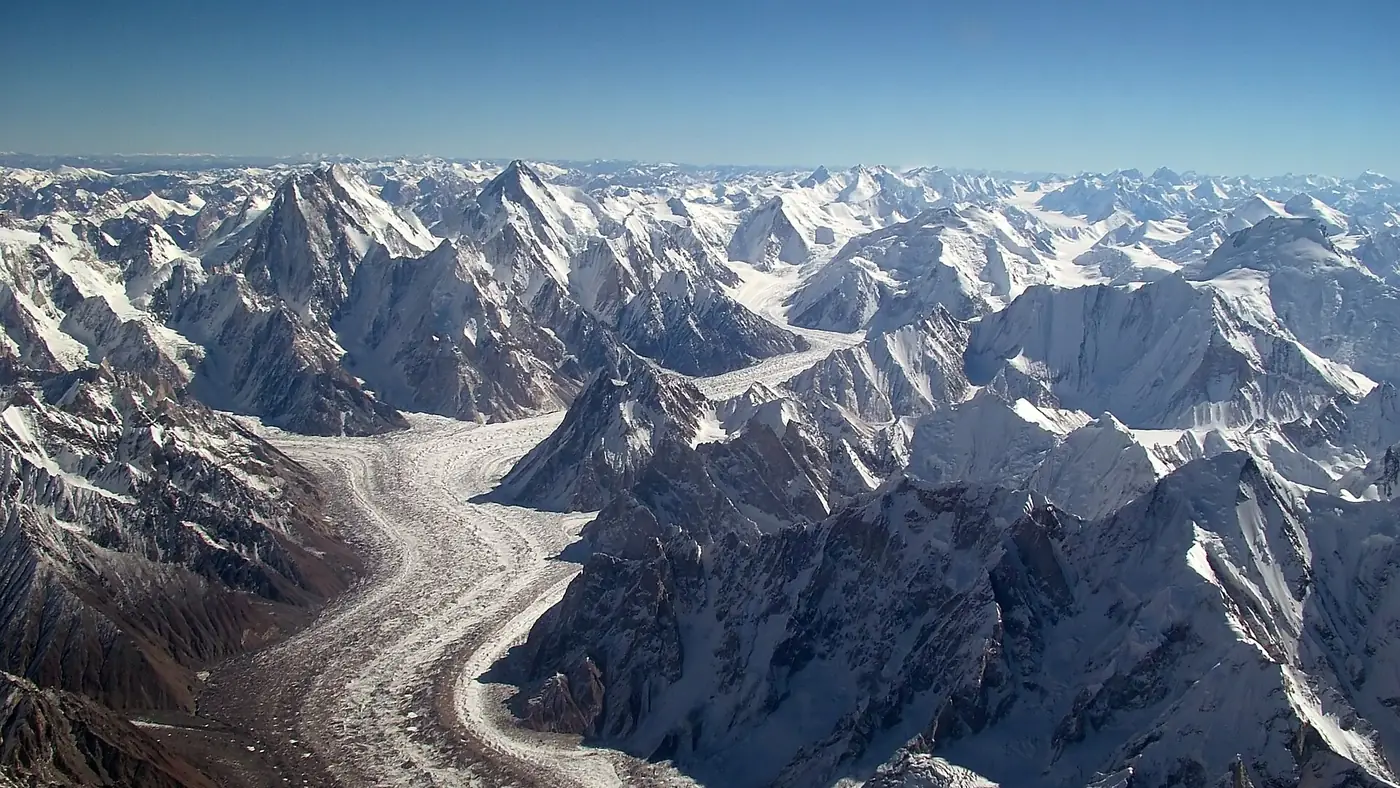
Two features of the terrain matter for training specifically. The lower valley to Paiju is hot, dry walking on a decent path. From Paiju onwards, the route moves onto the Baltoro glacier's moraine, a jumble of loose rock and gravel over ice, where progress is far slower than the distance suggests and every step works your ankles and knees differently to a trail.
Start three to six months out
A sensible plan begins three to six months before you fly to Skardu, longer if you are starting from a low base of fitness.
Months one and two: build a base. Regular cardio, three to four times a week, of 30 to 45 minutes: brisk walking, jogging, cycling or swimming. Add two strength sessions a week focused on legs, glutes and core, since these carry you on the climbs and protect your knees on the descents.
Months two to four: add hills and load. Move your cardio onto stairs, hills or an incline treadmill, and start carrying a light pack, building towards 6 to 8 kg. If you live somewhere flat, repeated stairs or a stadium are a reasonable substitute for hill walking.
The final six to eight weeks: simulate the trek. This is the stage that matters most.
The practice hikes that matter most
Generic fitness gets you to the start line. What prepares you specifically for the K2 trek is walking on your feet, in your boots, for hours at a time, on consecutive days.
- Long single hikes. Build up to hikes of six to eight hours with a loaded daypack, on the steepest and roughest terrain near you.
- Back-to-back days. In the last two months, try to do two long hikes on consecutive days at least once or twice. Nothing else tells you as clearly how your legs and feet recover overnight, which is exactly what the trek demands for two weeks straight.
- Uneven ground. Seek out rocky, loose or uneven trails rather than smooth paths. This builds the ankle strength and balance that moraine walking needs, and it is the single most trek-specific thing you can practise.
- Your actual boots. Every long training hike should be in the boots you plan to wear on the trek, broken in well before you leave.
Strength and conditioning that helps
- Legs and glutes. Squats, lunges and step-ups build the strength for both the steep climbs and the long, knee-jarring descents.
- Core. A stronger core keeps your posture upright under a daypack over long hours and helps balance on uneven moraine.
- Balance work. Single-leg exercises and balance drills translate directly onto rocky ground.
What training can't do: altitude
Cardiovascular fitness makes the walking easier, but it does not prevent altitude sickness, and a very fit trekker can still be badly affected while a less fit companion feels fine. What actually manages altitude risk on the K2 trek is the itinerary itself: the built-in rest day at Paiju, the gradual daily height gain up the glacier, drinking enough water, and a guide who insists that anyone with worsening symptoms goes down rather than up. Our altitude sickness in Gilgit-Baltistan guide explains what to watch for.
Training well does one important thing for altitude, though: it means you arrive without the additional strain of being unfit, so your body has more capacity to cope with the thinner air rather than fighting both the altitude and the exertion at once.
Two weeks before you fly
Ease off, don't cram. A hard training session in the final week leaves you tired rather than sharp for the trek. Use the last fortnight to:
- Finish breaking in boots and test your full pack, loaded
- Taper training to shorter, easier sessions
- Sort out any niggling injuries rather than pushing through them
- Confirm your kit against our K2 base camp trek packing list
Who needs the most preparation?
Anyone without recent experience of multi-day walking should start earlier and build more gradually, ideally with a shorter trek in Pakistan, such as Rakaposhi base camp, completed in the year before as a test of fitness and enjoyment at altitude. If that trek felt genuinely hard rather than tiring in a satisfying way, it is worth reconsidering the scale of K2 base camp before committing three weeks and a significant cost to it.
If you would like help matching a training timeline to your planned dates, send us your details through our trip planning page.
Frequently asked questions
How long does it take to train for the K2 base camp trek?
Most people need three to six months, longer if starting from a low base of fitness. The final six to eight weeks, with long practice hikes on consecutive days, matter more than the total time spent training.
Do I need to be a serious athlete for the K2 base camp trek?
No, but you do need to be comfortable walking six to eight hours a day on rough ground, several days in a row. Regular hikers with a proper training block manage it well.
Can fitness prevent altitude sickness on the K2 trek?
Not on its own. Fitness makes the walking easier, but altitude sickness depends on ascent rate, hydration and individual response, not cardiovascular fitness. The itinerary's rest days and a guide's judgement matter more.
What is the best single training exercise for this trek?
Long hikes on rocky, uneven ground, ideally on consecutive days with a loaded pack, in the boots you will wear on the trek. This mirrors the moraine walking on the Baltoro glacier more closely than any gym routine.
Should I do a shorter Pakistani trek before attempting K2 base camp?
It's a sensible test if you haven't trekked at altitude before. A trek such as Rakaposhi base camp shows you how your body and motivation handle several days of steep walking and camp life before you commit to three weeks on K2.