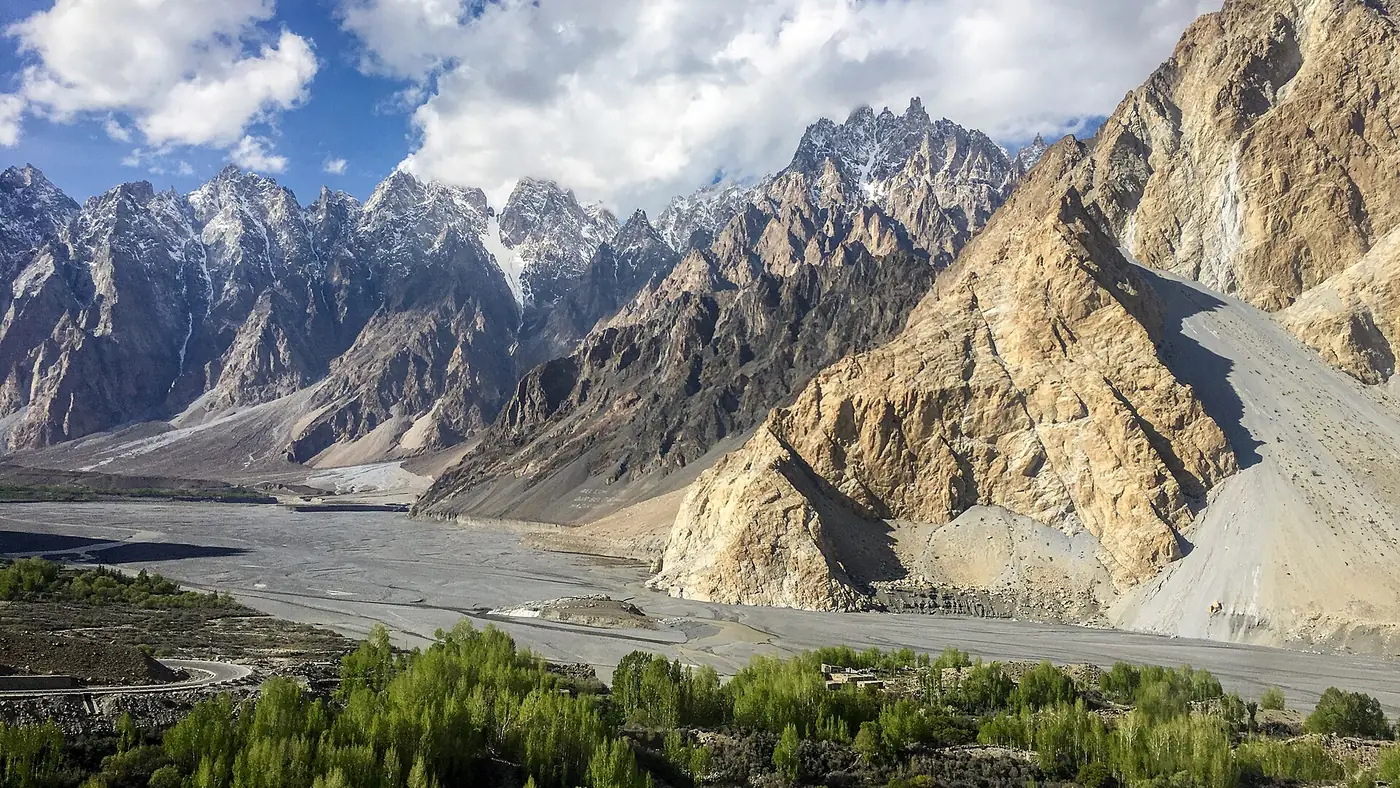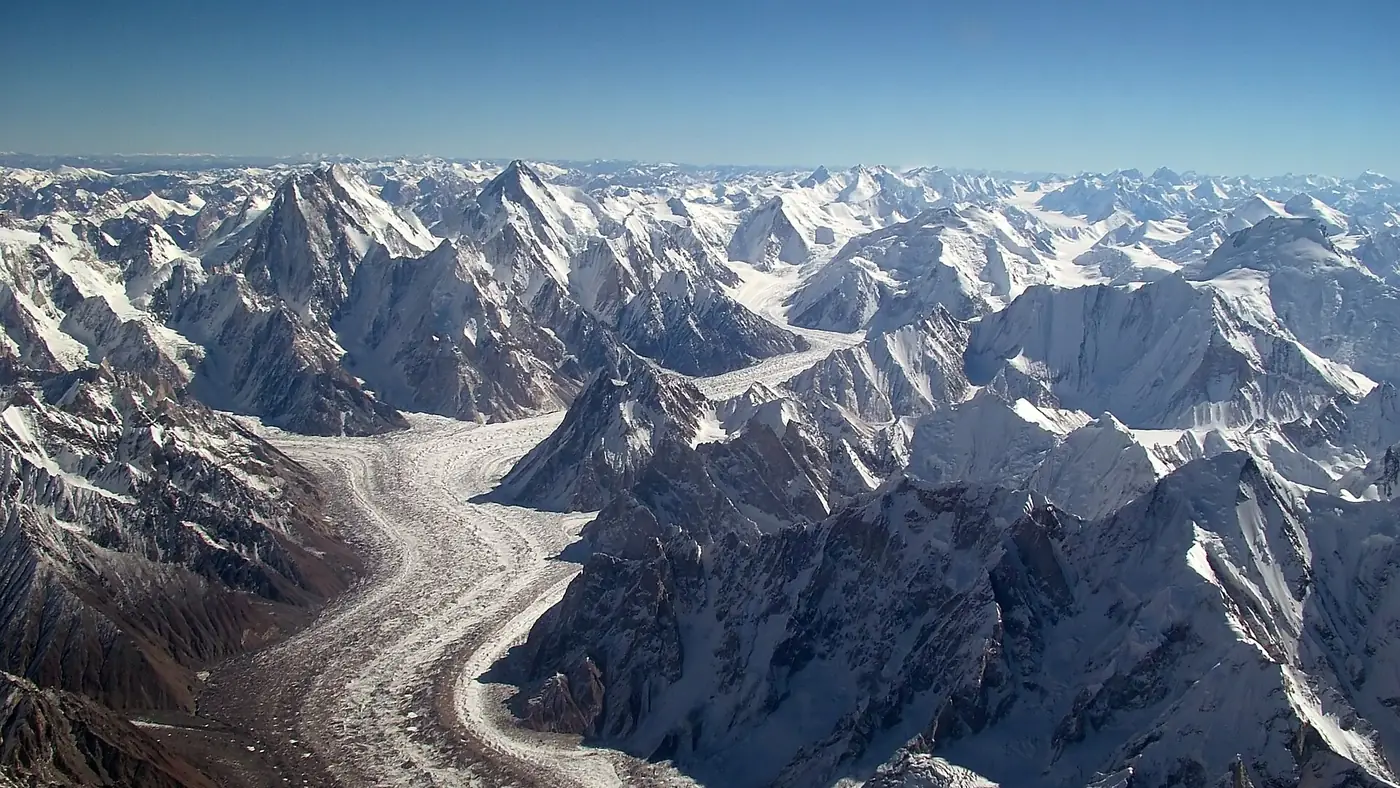
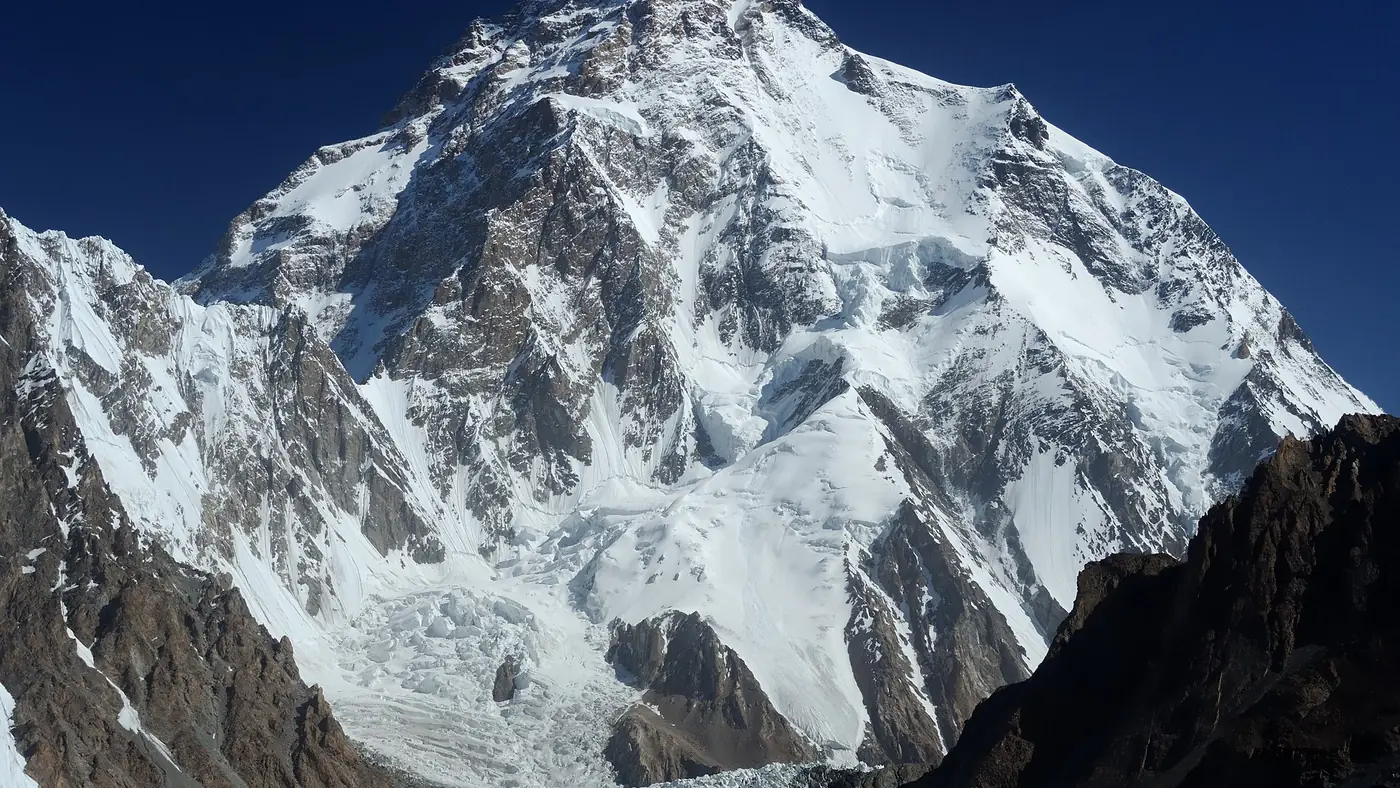
The K2 base camp trek packing list has to cover two weeks of walking in one bag: hot, dusty days in the Braldu valley, then a week of nights on the Baltoro glacier where temperatures at Concordia commonly fall to around -10°C and colder in a bad spell, even in July and August. Nothing on this list is exotic, but getting the layers, the sleeping bag and the basic medicine kit right matters more here than on a shorter trek, because there is no shop past Askole.
This list assumes you already have the route and season worked out; our K2 base camp trek guide covers the stages, and our best time for the K2 base camp trek guide covers when to go.
| At a glance | |
|---|---|
| Trip length | About 15 to 17 days, Skardu to Skardu |
| Coldest nights | Concordia and Goro II, on the ice; well below freezing |
| Warmest days | The Braldu valley below Paiju, often hot |
| Sleeping bag | Rated to at least -15°C |
| Porter loads | Usually a limit per porter set by your operator |
| Nearest shop | Askole; nothing beyond it |
Clothing: layer for both ends of the day
Pack to layer up and down rather than for one temperature. A typical day starts cold, warms fast once the sun is on the valley, and drops again the moment it sets.
- Base layers. Two or three long-sleeved merino or synthetic tops, and thermal leggings for the cold camps.
- A mid layer. A fleece or light insulated jacket for camp in the evening.
- A down jacket. Essential from Urdukas onwards, not optional. This is what keeps you warm at Concordia and Goro II.
- A waterproof, windproof shell. The Baltoro gets sudden wind and squalls even in a settled season.
- Trekking trousers, quick-drying, plus a warm pair for camp.
- Hat, buff and gloves. Bring a warm hat and a lighter one for hot days, plus a thin glove for walking and a warm pair for camp mornings.
- Trekking socks, several pairs, and a warm pair for sleeping.
Footwear
Broken-in leather or fabric trekking boots with ankle support are the standard choice; this is moraine and glacier walking, not a smooth trail. Bring:
- Boots you have already worn on at least a few long hikes, never new out of the box
- Gaiters, useful on scree and for keeping stones and snow out of your boots
- Camp shoes or sandals, so your feet can dry out and rest in the evening
Sleeping bag and sleep kit
Operators running the trek generally recommend a sleeping bag rated to at least -15°C for the glacier camps, since the ground at Goro II and Concordia is frozen underneath the tent even in midsummer. A closed-cell foam mat under an inflatable one adds real warmth on the ice, and a liner adds a few extra degrees and keeps the bag cleaner over two weeks.
Medicines and a basic first-aid kit
Nothing here replaces a conversation with your own doctor before a high-altitude trip, especially about altitude medication, but a sensible kit covers:
- Any altitude medication your doctor has prescribed or discussed with you, taken only as they advise
- Paracetamol or ibuprofen for headaches and general aches
- Rehydration salts, useful in the heat lower down and at altitude
- Something for an upset stomach, and anti-diarrhoea tablets; stomach illness is one of the most common reasons trekkers turn back
- Water purification tablets or drops as a backup to your filter or boiling
- Plasters, blister plasters, a bandage and antiseptic
- Sunscreen (high factor) and lip balm with SPF; the glare off the glacier burns fast
- Your own regular medication, in hand luggage as well as your main bag in case of a delay
Our altitude sickness in Gilgit-Baltistan guide covers the warning signs to watch for on the trek itself.
Other essentials
- Sunglasses with strong UV and glacier-rated lenses. The Baltoro is snow and ice at altitude; ordinary sunglasses are not enough.
- A headtorch with spare batteries, for early starts and the walk to the toilet tent at night.
- A water bottle or bladder, plus a way to treat water throughout.
- A daypack for anything you want on you during the day: camera, snacks, waterproofs, water.
- A power bank. There is no electricity beyond Askole, and a power bank is the only way to keep a phone or camera charged for photos, since there is little to no signal to use it for anything else.
- Cash, for drinks and snacks at the trekking camps, priced high because everything is carried in.
- Earplugs, useful in a busy shared camp or a windy night.
What to leave at home
Two weeks is a long time to carry extra weight. Leave behind anything you would only "maybe" use: a second pair of trekking trousers, a hardback book, a full toiletry bag. Wet wipes and a small quick-dry towel go further than soap and a towel from home. Porters carry the bulk of the gear, but every operator sets a weight limit per porter, so check it before you pack and keep your kitbag within it.
Frequently asked questions
What sleeping bag rating do I need for K2 base camp?
Most operators recommend a bag rated to at least -15°C, because the glacier camps at Goro II and Concordia are cold enough to make a lighter bag uncomfortable, even in July and August.
Do I need a down jacket for the K2 base camp trek?
Yes. It is one of the few genuinely essential items, needed from Urdukas onwards and worn most evenings from Goro II to Concordia.
What medicines should I bring on the K2 base camp trek?
A basic kit for pain relief, stomach upset and rehydration, water purification as backup, sun protection, and any altitude medication discussed with your doctor beforehand. There is no pharmacy beyond Askole.
Do operators provide tents and sleeping mats?
It varies. Some include them in the trek price, others expect trekkers to bring their own. Confirm with your operator before you pack, not after you arrive in Skardu.
How much can each porter carry?
Operators set a weight limit per porter for your kitbag, separate from your own daypack. Ask what it is before you pack so you don't arrive in Askole overweight.