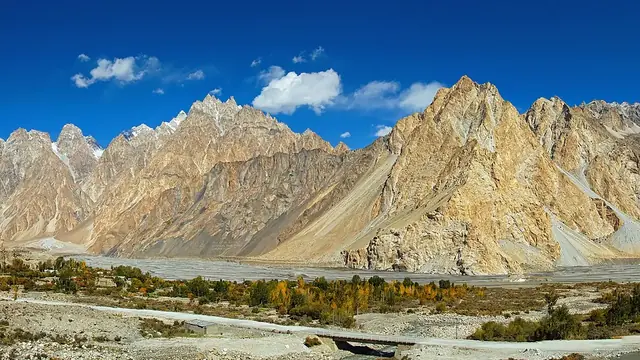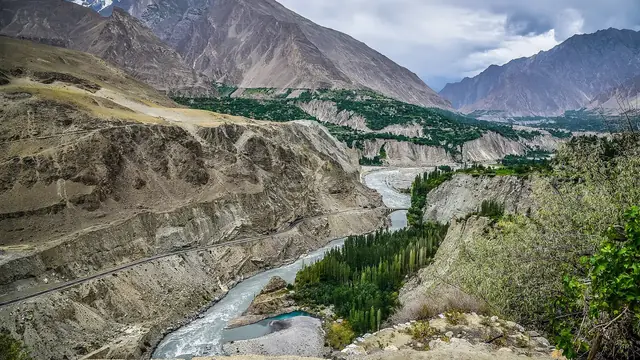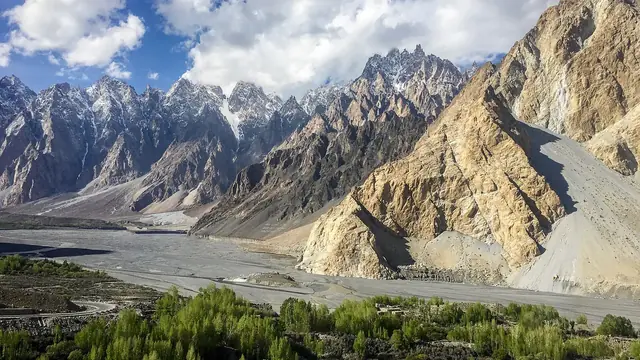
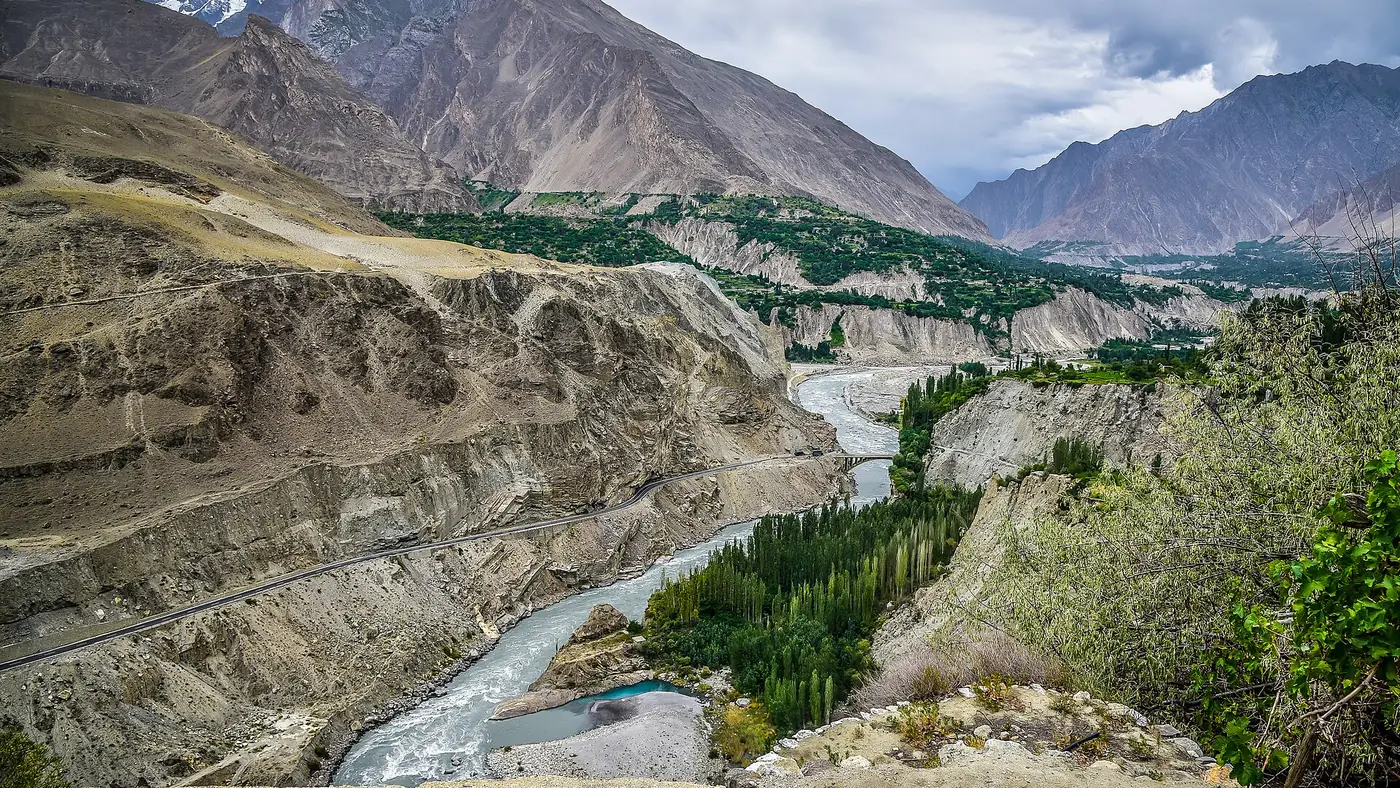
Cherry blossom in Pakistan runs from about mid-March to late April, moving from the lower, warmer places first up to the higher valleys of Gilgit-Baltistan last. Islamabad's Margalla Hills and UN Avenue bloom earliest, from late March into mid-April. Skardu's valley blossoms from around mid-March to mid-April. Hunza is a little later, with cherry blossom reaching central Hunza in the first half of April and climbing to Gojal, the upper valley towards Sost, by the second half of the month.
Because a single location is only at its best for a week or two, timing matters more than the season as a whole. This guide goes through where to see it, roughly when, and how to plan around a bloom that shifts a little every year.
| Location | Usual peak | Notes |
|---|---|---|
| Islamabad (Margalla Hills, UN Avenue) | Late March to mid-April | UN Avenue's rare white blossoms peak for only 4 to 7 days |
| Skardu valley (including Shigar) | Mid-March to mid-April | Apricot and cherry bloom together, moving up in altitude |
| Central Hunza (Karimabad, Altit) | Early to mid-April | Apricot flowers first, cherry close behind |
| Gojal, upper Hunza (Gulmit, Passu) | Mid to late April | Last part of Hunza to bloom |
Islamabad: the earliest and easiest to reach
Islamabad is usually the first place in the country to bloom and the easiest to get to for anyone based in the plains. The Margalla Hills National Park has thousands of cherry trees, with the season generally running from late March into mid-April across the park. UN Avenue, lined with a rarer white-flowering variety, has a much shorter window, with its peak typically lasting only four to seven days, so it rewards checking local reports in the days before you go rather than picking a date in advance.
Because Islamabad blooms first, it's a useful early read on how the season is shaping up further north: a warm March in the capital generally means an earlier bloom in Hunza and Skardu too, and a cold, late spring pushes both back.
Skardu: apricot and cherry together
In Skardu, apricot and cherry trees tend to flower close together rather than weeks apart, and the bloom moves through the valley by elevation and aspect over about a month, from mid-March into mid-April. The lowest, sun-facing slopes around Skardu city are usually first, followed by the main Skardu valley and Shigar valley through the second half of March, with higher and more sheltered spots such as Khaplu, Hushe and the Chunda valley reaching their peak into early April as the lower areas move on to green leaves.
If you're combining blossom with sightseeing, this progression means you can chase the bloom for a couple of weeks within Baltistan alone, starting in Skardu city and moving out towards Shigar and Khaplu as the days pass.
Hunza: apricot first, then cherry up the valley
Hunza's blossom season usually runs from the last days of March to the end of April. Apricot flowers first, generally from late March into the first half of April, in the lower villages and around Karimabad and Altit. Cherry blossom follows a little behind the apricot, and by the second half of April the bloom has typically reached Gulmit, Passu and the rest of Gojal, towards Sost.
Karimabad and Altit, with the old forts as a backdrop, are the most photographed spots, but the bloom is not confined to them; smaller villages along the valley flower on a similar schedule, generally with fewer visitors.
Planning a trip around the bloom
Because the flowering window in any one place is short and moves with the weather, a few habits make a real difference to whether you catch it.
- Build in a few days of slack either side of your target dates rather than flying in for a single specific day.
- Check recent local reports in the week before you travel, since a warm or cold spell can shift the peak by a week in either direction.
- Move with the season if you can. Starting in Islamabad or Skardu and heading towards Hunza over a week or ten days follows the bloom north and up in altitude, rather than fighting against it.
- Expect cold nights, even on a warm blossom afternoon. Spring nights in Hunza and Skardu are well below the daytime feel, and the Margalla Hills can still be chilly in the evening in late March.
- Remember the high passes are closed. Babusar, Deosai and the Fairy Meadows track are all shut during blossom season, so a spring trip is about the valleys, not the high country. Our Gilgit-Hunza destination guide covers what else is worth doing while you're there.
Getting there for the bloom
Islamabad needs no special planning; the Margalla Hills and UN Avenue are within the city. Reaching Hunza or Skardu for blossom season takes more thought, since this is early spring rather than peak summer, and services are thinner.
- To Hunza, the Karakoram Highway is the only road route this early in the year, since Babusar Pass is still closed; see our Islamabad to Hunza by road guide for the route. Flights from Islamabad to Gilgit also run, weather permitting.
- To Skardu, flights from Islamabad are the fastest option; see our Islamabad to Skardu flight guide. The road route via the Karakoram Highway and the Skardu road also works, but takes considerably longer.
- For a deeper look at Hunza's blossom, village by village, our Hunza blossom season guide covers the valley's timing in more detail than fits here.
Book hotels ahead if your dates are fixed, since rooms in Karimabad and Skardu can be limited around a well-forecast bloom, even though overall spring crowds are much lighter than summer.
Is it worth planning a trip specifically around it?
For most travellers, yes, if you can build in flexibility rather than fixing exact dates months ahead. The bloom itself lasts only a week or two in any one place, but the spring season around it, with mild days, orchards coming to life and far fewer visitors than summer, is a good time to be in the northern valleys regardless of whether you catch the trees at their absolute peak.
It suits travellers less well if your dates are completely fixed a long way in advance and can't move if the season runs early or late, since the exact peak cannot be predicted precisely more than a week or so out.
Frequently asked questions
When is cherry blossom season in Pakistan?
Roughly mid-March to late April, starting in Islamabad and the Skardu valley from mid to late March and finishing in upper Hunza, around Gulmit and Passu, by late April.
Where is the best place to see cherry blossom in Pakistan?
Karimabad and Altit in Hunza and the Margalla Hills and UN Avenue in Islamabad are the most visited and most photographed. Skardu and Shigar are quieter alternatives with a similar bloom.
Is Hunza or Islamabad better for cherry blossom?
They bloom at slightly different times and suit different trips. Islamabad is first, from late March, and easy to combine with a short break. Hunza blooms a little later, into April, and suits a longer trip further north.
How long does cherry blossom last in one place?
Usually only a week or two at its peak, and sometimes less; UN Avenue in Islamabad's white blossom typically lasts just four to seven days at its best.
Are the mountain passes open during blossom season?
No. Babusar Pass, Deosai and the Fairy Meadows jeep track are all normally still closed by snow during March and April, so plan a blossom trip around the valleys rather than the high country.