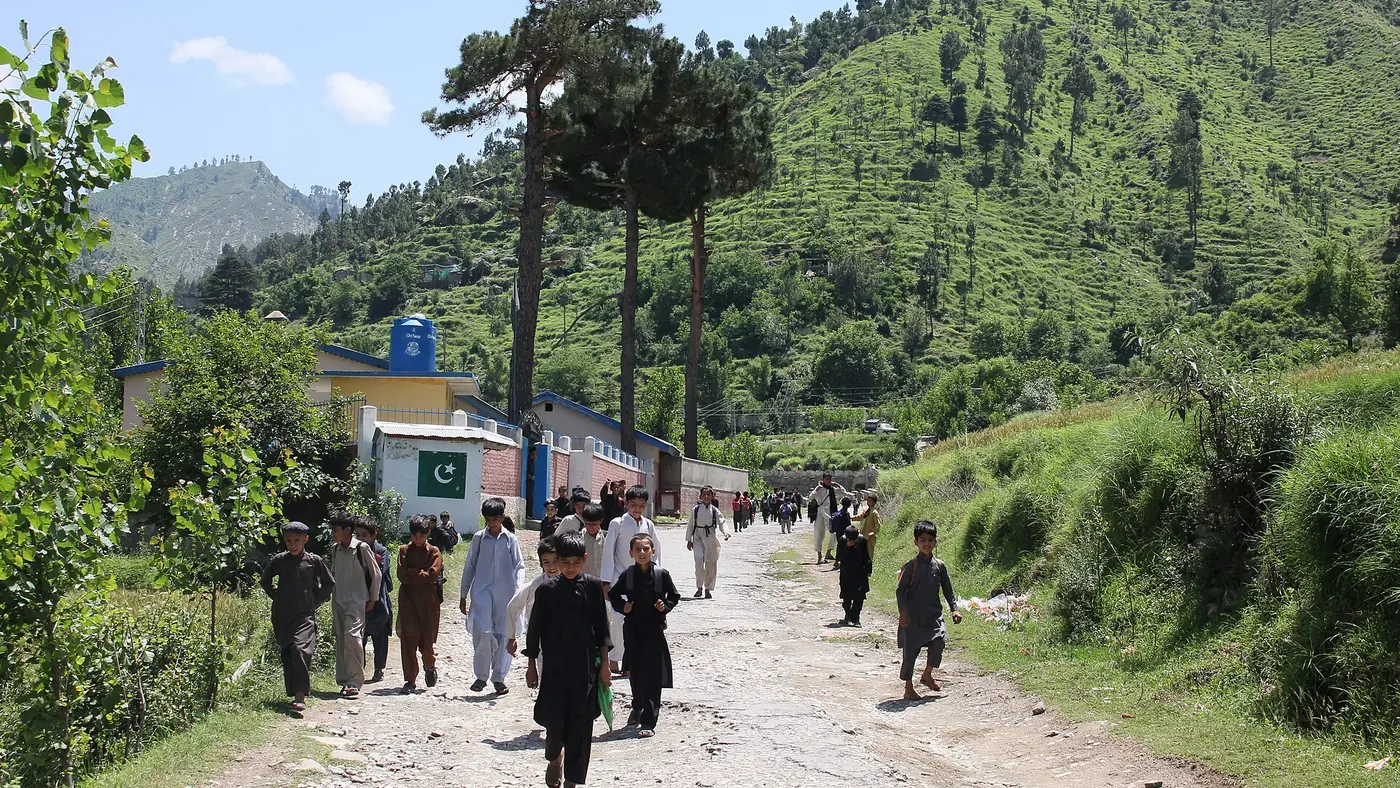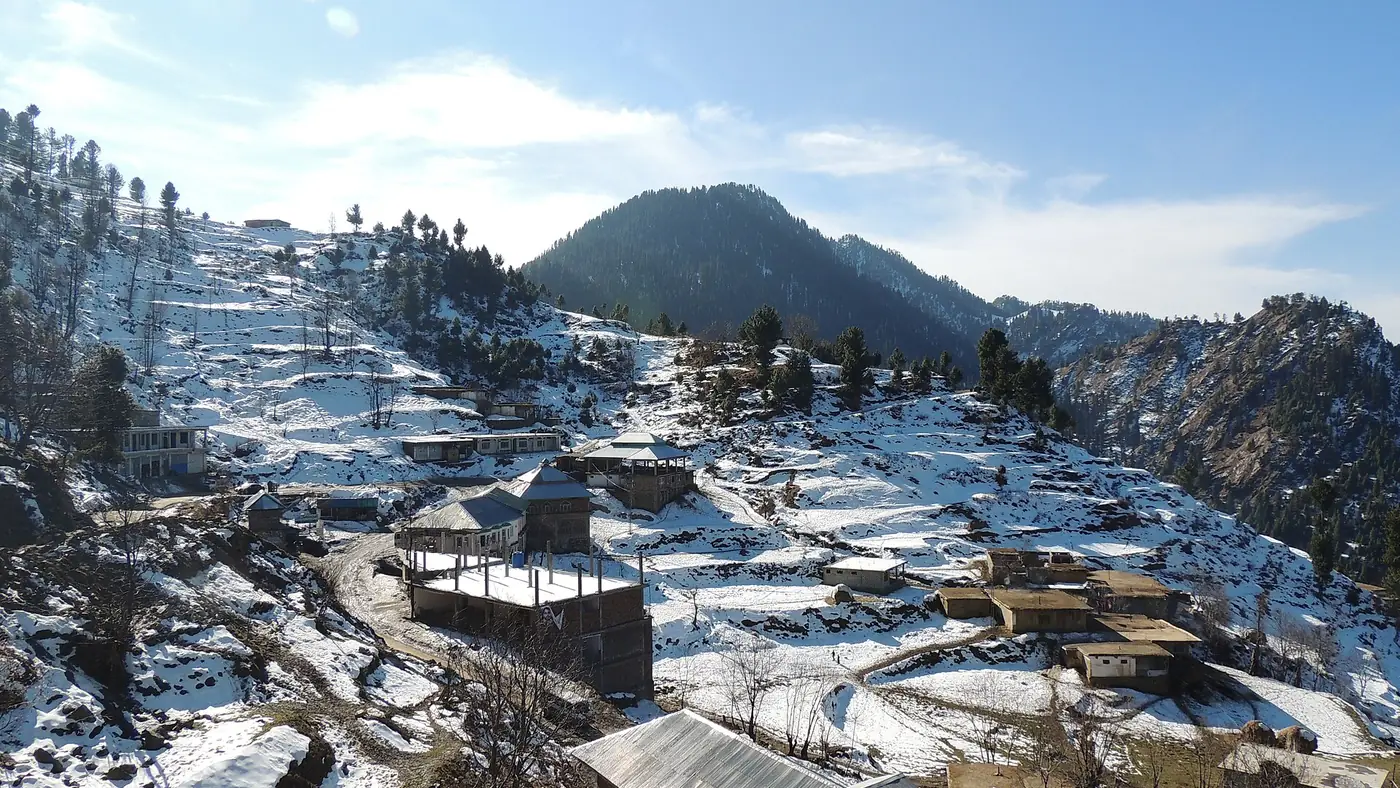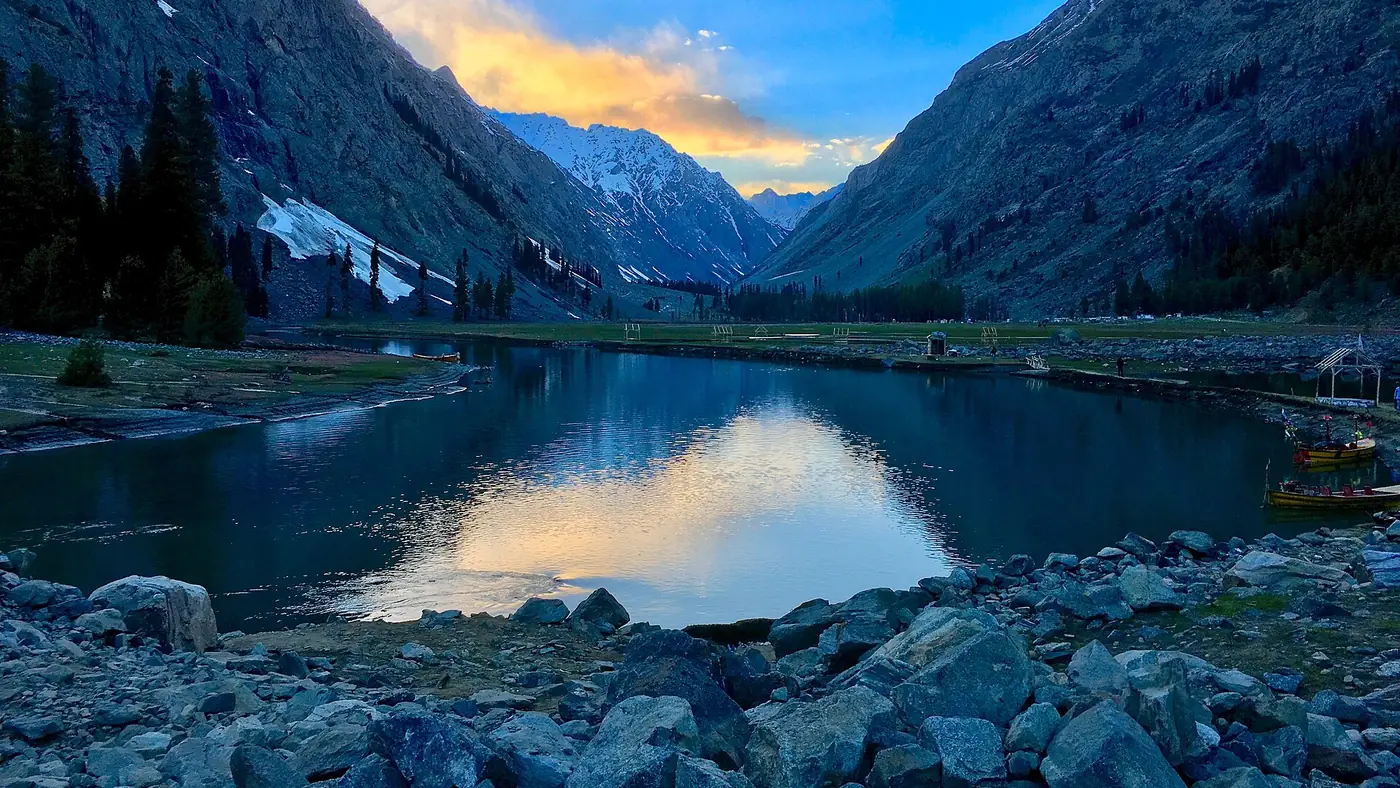
Swat has more named waterfalls than almost any other valley in Pakistan, scattered across side valleys on both banks of the Swat River. Jarogo, near Matta, is the best known and one of the tallest, but Shingrai, Kamarkhwa, Matiltan and several smaller falls are worth the detour if you have time beyond the main Kalam road.
This roundup covers where each waterfall is, how to reach it, and when to go. Nearly all of them are fullest between May and September, when snowmelt and monsoon rain keep the streams running.
| At a glance | |
|---|---|
| Best months | May to September, when the flow is strongest |
| Easiest to reach | Shingrai, close to Mingora and mostly by road |
| Tallest | Jarogo, at around 400 feet (120 metres) |
| Furthest and quietest | Warghomo Kaar, beyond Gabin Jabba |
| What to carry | Sturdy shoes for wet rock, a change of socks, and cash for any local guide |
Jarogo Waterfall, Matta
Jarogo is Swat's tallest and most photographed waterfall, dropping around 400 feet through forest on the western side of the valley, about 55 km from Mingora via Matta and Beha. It needs a full half-day trip: a drive to Beha, a jeep up the side valley, and a walk of half an hour to ninety minutes each way with several stream crossings. Our full Jarogo Waterfall guide covers the route, the checkpoint at Beha and where to camp nearby.
Shingrai Waterfall, Manglawar
Shingrai is the easiest of Swat's waterfalls to reach, about 18 km from Mingora near the village of Manglawar. It is a smaller fall, around 35 feet high, but the approach is largely by road with only a short walk at the end, which makes it a realistic half-day or even a couple of hours' outing rather than a dedicated trip. It suits families and anyone who wants a waterfall without committing a full day to it.
Kamarkhwa Waterfall, Mankiyal
Kamarkhwa lies in the Mankiyal valley, reached on foot from Mankiyal village beyond Bahrain. The walk in passes forest, meadow and smaller cascades before the main fall, and it is a longer, more physical outing than Shingrai or Jarogo. Combine it with a night in Mankiyal or Bahrain, the usual base for this side of the valley, rather than trying it as a rushed day trip from Mingora.
Matiltan Waterfall, upper Kalam valley
Matiltan sits well up the Ushu valley beyond Kalam, on the road toward Mahodand Lake, and its waterfall is a natural stop for anyone driving that route. Because it is close to the road, it needs little extra time or effort compared with the hikes into Jarogo or Kamarkhwa, and it fits naturally into a day that also takes in Mahodand Lake.
Nish Kapar and Warghomo Kaar: the quieter falls
Two further waterfalls are worth knowing about if you want to get away from the main tourist track entirely. Nish Kapar, near Kokarai, and Warghomo Kaar, beyond Gabin Jabba on the Matta–Sakhra road roughly 65 km from Mingora, both see far fewer visitors than Jarogo or Shingrai. Warghomo Kaar in particular is described locally as a hidden spot, reached through the same forested, high-altitude country as Gabin Jabba's meadows and mineral springs. Treat these as trips for people who already know the area or are travelling with a local guide, since paths are less established and signage is minimal.
Planning a waterfall day
- Pick one, or two at most, per day. The drives and hikes involved mean trying to string together several waterfalls in a single day usually means rushing all of them.
- Go between May and September. Outside this window, flow drops off, and higher-altitude approaches like Matiltan and the Gabin Jabba falls can be under snow well into spring.
- Wear proper shoes. Wet rock near any of these falls is slippery, and several routes involve stream crossings.
- Don't swim below a waterfall you don't know. Pools can be deeper and colder than they look, and currents near a falling column of water are unpredictable.
- Check the road and security situation for the side you're heading to. Matta and the western side valleys see less routine tourist traffic than the main Kalam road, and it is worth asking locally before setting out.
Frequently asked questions
Which is the tallest waterfall in Swat?
Jarogo, near Matta, at around 400 feet (120 metres), is generally described as the tallest in the valley and one of the tallest in Pakistan.
Which Swat waterfall is easiest to reach?
Shingrai, near Manglawar about 18 km from Mingora, needs only a short walk after a drive, making it the most accessible of Swat's named waterfalls.
Can you visit a Swat waterfall in winter?
Flow drops sharply outside the May to September window, and higher approaches such as Matiltan and the falls near Gabin Jabba can be affected by snow. Shingrai, at lower altitude, is the most realistic winter option.
Is it safe to swim at Swat's waterfalls?
Pools below a waterfall can be deeper and colder than they appear, with unpredictable currents. Treat any swimming spot with caution and avoid it after heavy rain, when flow increases quickly.
Is Swat safe to visit for a waterfall trip?
Pakistani visitors still travel to Swat regularly, but security worsened in 2026, including a suicide bombing at Kabal, near Mingora, on 2 August that killed 17. The UK government currently advises against all travel to Swat. Check local news and police advice before you go, particularly for quieter side valleys like Matta; see our guide to whether Swat is safe for tourists for the full picture.