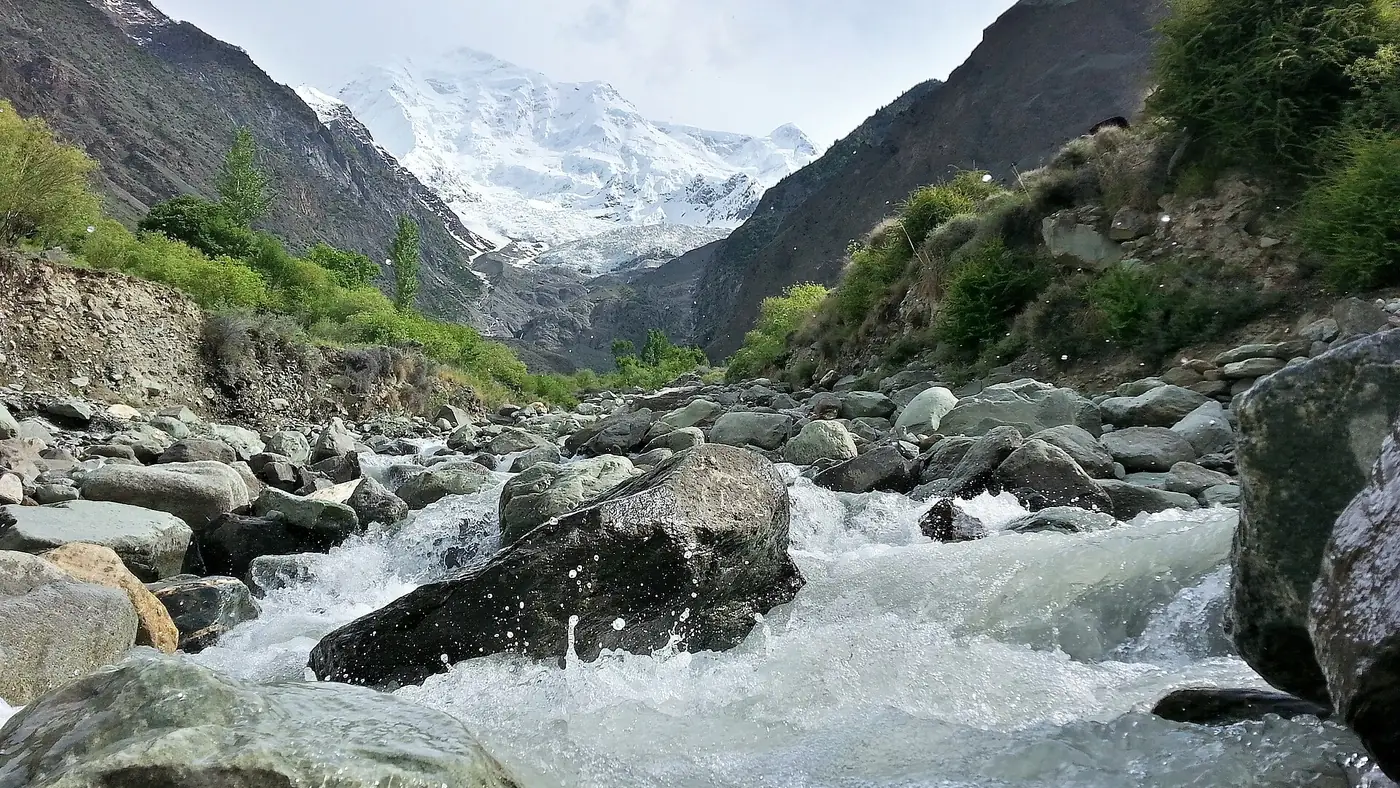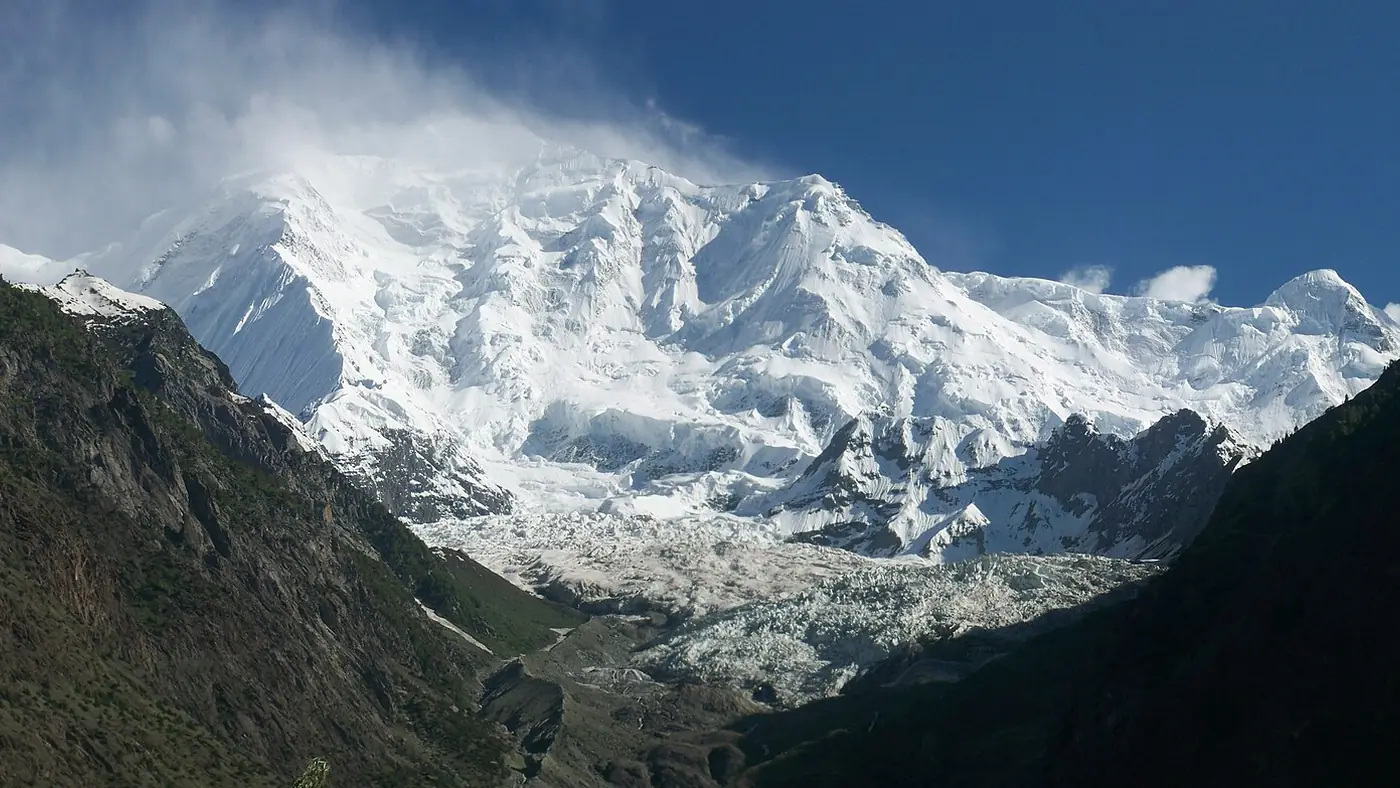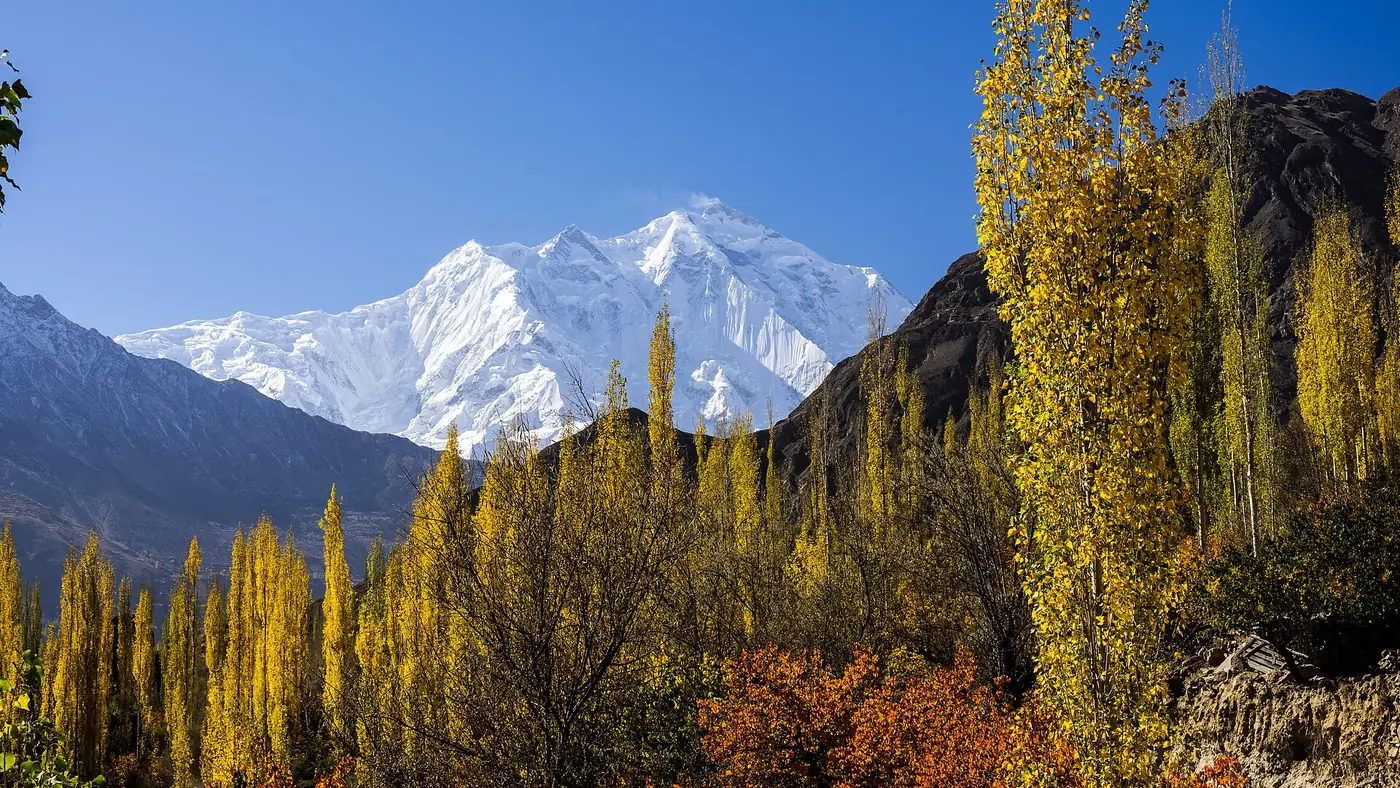
The things to know before visiting Gilgit-Baltistan come down to time, money and height. Distances are long and slow: Hunza and Skardu are each two days by road from Islamabad, and landslides or cloud can cost you a day at any point. Cards are rarely accepted outside the bigger hotels, mobile signal drops between towns, and several of the famous places sit above 4,000 metres. It is also a religiously diverse, conservative region, where modest dress and asking before you photograph people matter.
None of this should put anyone off. It just means a first trip goes better with fewer places, more spare time and cash in your pocket. Here is what first-timers most often wish they had known.
| At a glance | |
|---|---|
| Islamabad to Gilgit by road | About 600 km, 14 to 18 hours of driving; plan two days |
| Islamabad to Hunza or Skardu by road | About 650 to 700 km; two days, with a night in Chilas |
| Flights | Islamabad to Gilgit or Skardu in about an hour, weather permitting |
| Money | Carry most of your cash from Islamabad |
| Signal | Patchy between towns; none on Deosai or near Khunjerab |
| Altitude | Gilgit about 1,500 m, Karimabad about 2,500 m, Deosai and Khunjerab over 4,000 m |
| Tourist Police | 1422 from inside Gilgit-Baltistan |
Distances are long, and the roads are slow
The map misleads. Mountain roads, trucks, checkposts and tea stops keep the average speed low, so a distance that would take two hours on a motorway can take a whole morning here.
Rough driving times between the main places, before stops:
- Gilgit to Karimabad: about 100 km, two to two and a half hours
- Gilgit to Skardu: four to five hours along the Indus
- Karimabad to Skardu: about seven hours, via Gilgit
- Karimabad to the Khunjerab Pass: three and a half to four hours
- Skardu to Khaplu: about three hours
On a first trip of a week, pick one base, Hunza or Skardu, and see it properly. Trying to fit both into seven days means spending most of it in the car. Our guide to places to visit in Gilgit-Baltistan shows what is within reach of each.
Drive in daylight only. Rockfall, broken edges and unlit trucks make these roads a different proposition after dark, and most accidents involve tired drivers pushing on late.
Expect at least one delay
Something will probably slow you down, and it is better to plan for it than to be surprised.
- Landslides and floods. They close stretches of the Karakoram Highway several times a year, mostly in the monsoon and the spring melt. Most closures clear within hours or by the next day; big ones take longer. In July 2026 floods cut the Jaglot–Skardu road for several days until a temporary bridge was built.
- Flights. Gilgit and Skardu flights need clear weather and are cancelled often, Gilgit's small turboprops especially.
- Protests and sit-ins occasionally block the highway for hours or days.
- Muharram. Around the 9th and 10th, processions in Gilgit and Skardu bring road closures and tight security, and mobile services are often suspended in sensitive areas.
Keep one spare day at the end of any trip, and never book an international flight or an exam for the day after you are due back. Check the road each morning before you set off; our guide to Karakoram Highway road status lists the official sources.
Bring cash
The Gilgit-Baltistan tourism department's own advice is to carry cash, because cards are not widely accepted. In practice:
- Cards work at the bigger hotels and a few restaurants in Gilgit, Karimabad and Skardu, and almost nowhere else.
- ATMs exist in Gilgit, Skardu and the Karimabad and Aliabad area, but they run out of cash and lose their connection, and there are few or none in the smaller valleys.
- Cash only: jeeps, park fees at Khunjerab and Deosai, fort tickets, boat rides, guesthouses, and most food outside the hotels.
Draw most of what you need in Islamabad or Rawalpindi, keep it split between two people, and top up in Gilgit or Skardu when a machine is working. Our guide to the Gilgit-Baltistan trip cost helps you work out how much to carry.
Signal comes and goes
Mobile coverage is good in the towns and patchy in between. SCOM, the network built for the region, often works where others don't, particularly in upper Hunza, Ghizer and remote Baltistan, and Zong has the most consistent 4G along the highway and in Gilgit, Karimabad and Skardu. Jazz and Telenor work in the main bazaars but thin out quickly in the side valleys. No single network works everywhere.
Expect no signal on Deosai, above the Dih checkpoint on the way to Khunjerab, and on long stretches of the highway through Kohistan. Download offline maps before you leave, agree check-in times with family at home, and charge power banks whenever the electricity is on. Power cuts are routine, and in winter they can run for many hours a day.
Take the altitude seriously
Most of the region's towns sit at comfortable heights: Gilgit at about 1,500 metres, Skardu at about 2,200 and Karimabad at about 2,500. The day trips are what go higher. The Deosai plateau averages about 4,100 metres, and the Khunjerab Pass is at 4,693, both reached by vehicle in a few hours with no time to adjust.
For most healthy adults that means a headache, breathlessness and a light head that pass on the way down. Take it slowly at the top, drink water, keep the visit short, and go down straight away if anyone has a bad headache, nausea, dizziness or confusion. Ask a doctor before the trip about small children, older parents and anyone with a heart or lung condition. Our travel guide covers altitude and the rest of the practical ground in more detail.
The sun is fierce at height too. Sunscreen, sunglasses and a hat belong in the day bag in every month.
Respect local customs
Gilgit-Baltistan is home to Shia, Ismaili, Sunni and Noorbakhshi communities, and customs vary from valley to valley. Hunza tends to feel relaxed to visitors; Diamer, around Chilas, is more conservative. A few habits work everywhere:
- Dress modestly. Loose clothes covering arms and legs, for men as well as women. Shorts are best left at home.
- Take your shoes off before entering a mosque or a home.
- Ask before photographing people, and don't photograph women without clear permission.
- Don't photograph military installations or checkposts. Photography is also prohibited within 5 miles of the Line of Control and 10 miles of the Wakhan corridor.
- Leave no rubbish behind. Carry it back to town from lakes, meadows and viewpoints.
- Keep your voice and music down in villages, particularly at prayer times and in the evening.
People across the region are hospitable to visitors. A polite greeting, patience at checkposts and a little interest in local life are returned many times over.
Documents and checkposts
Pakistani visitors need only their CNIC, and should keep it handy for the police checkposts along the highway and at the entrances to the national parks. Foreign guests travelling with you have their own rules: they should check registration requirements for Gilgit-Baltistan, and note that the UK government, for one, advises its citizens against all travel on the Karakoram Highway between Mansehra and Chilas, which can affect travel insurance. Many of them fly to Gilgit or Skardu instead. Our guide to whether it is safe to travel to the northern areas covers the security picture.
Save two numbers before you go: the Tourist Police on 1422 from inside Gilgit-Baltistan, or 05811-930055 from outside, and Rescue 1122.
Is Gilgit-Baltistan right for your first trip north?
It suits anyone with at least a week, who is happy with long drives or ready to fly, and who wants the big mountains rather than a weekend in the hills. Families do it every summer, and Hunza especially is one of the easiest places in the north to travel with children.
Think again if you have only four or five days by road, because two of them each way will be spent driving. The same applies if someone in the group can't cope with altitude or long days in a car, or if your return date can't move at all. For a shorter first trip, the Kaghan valley or the Neelum valley are closer to Islamabad and gentler on the timetable.
Frequently asked questions
Do I need a permit to visit Gilgit-Baltistan?
Pakistani visitors don't need a permit for the main tourist areas; carry your CNIC for checkposts. A few areas near the Line of Control need separate permission, and foreign nationals have their own registration rules.
Do cards work in Gilgit-Baltistan?
Only at the bigger hotels and a few restaurants in the main towns. Jeeps, park fees, fort tickets and most shops are cash only, and ATMs are not always dependable, so bring most of your cash from Islamabad.
Which SIM works best in Gilgit-Baltistan?
SCOM often works where other networks don't, especially in remote valleys, and Zong has the best 4G along the Karakoram Highway and in the main towns. Carrying two SIMs from different networks is the safest option.
How many days do I need for a first trip?
At least a week by road for one base, Hunza or Skardu. Plan ten days or more to see both, and keep a spare day either way.
What should women wear in Gilgit-Baltistan?
Loose, modest clothing covering the arms and legs, with a scarf or dupatta for mosques and villages. Hunza is relaxed, but modest dress is expected everywhere.