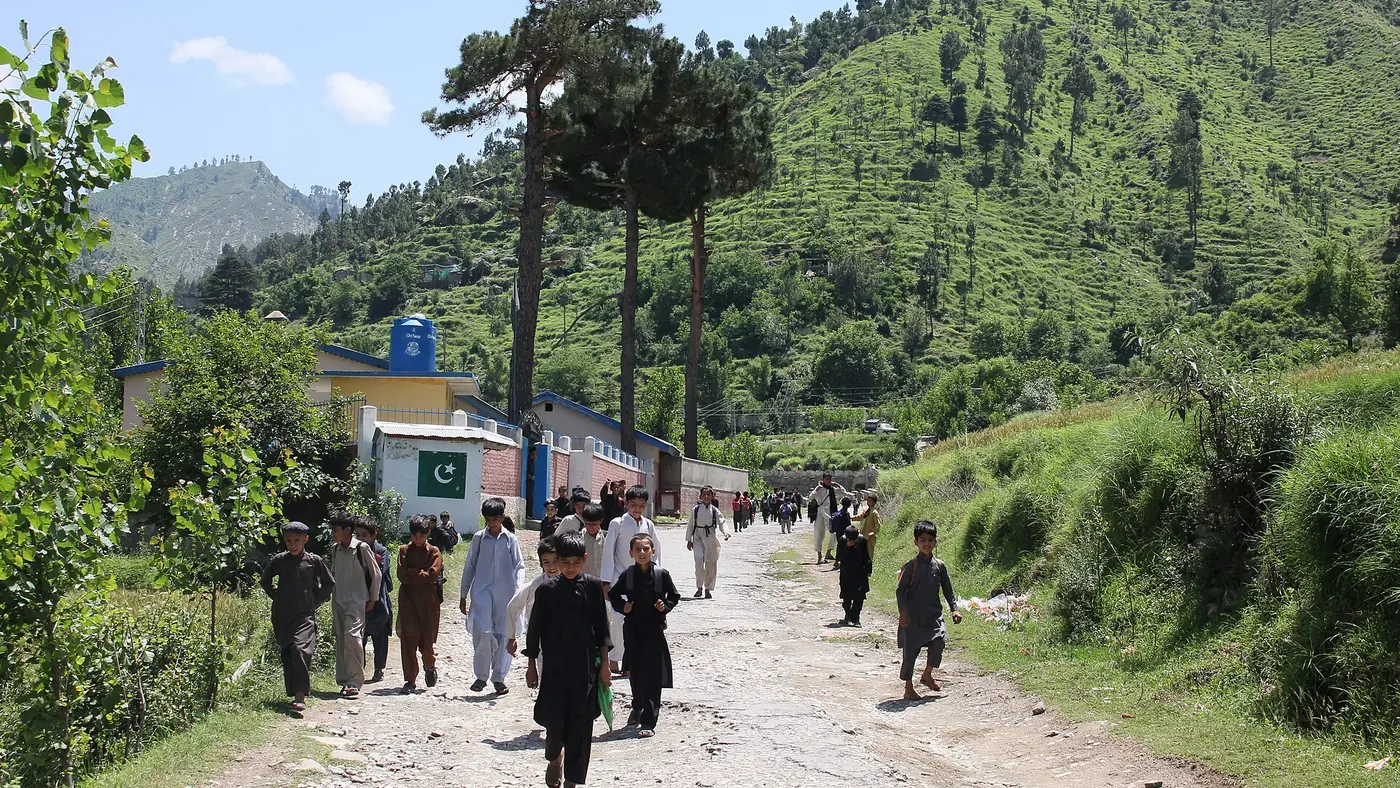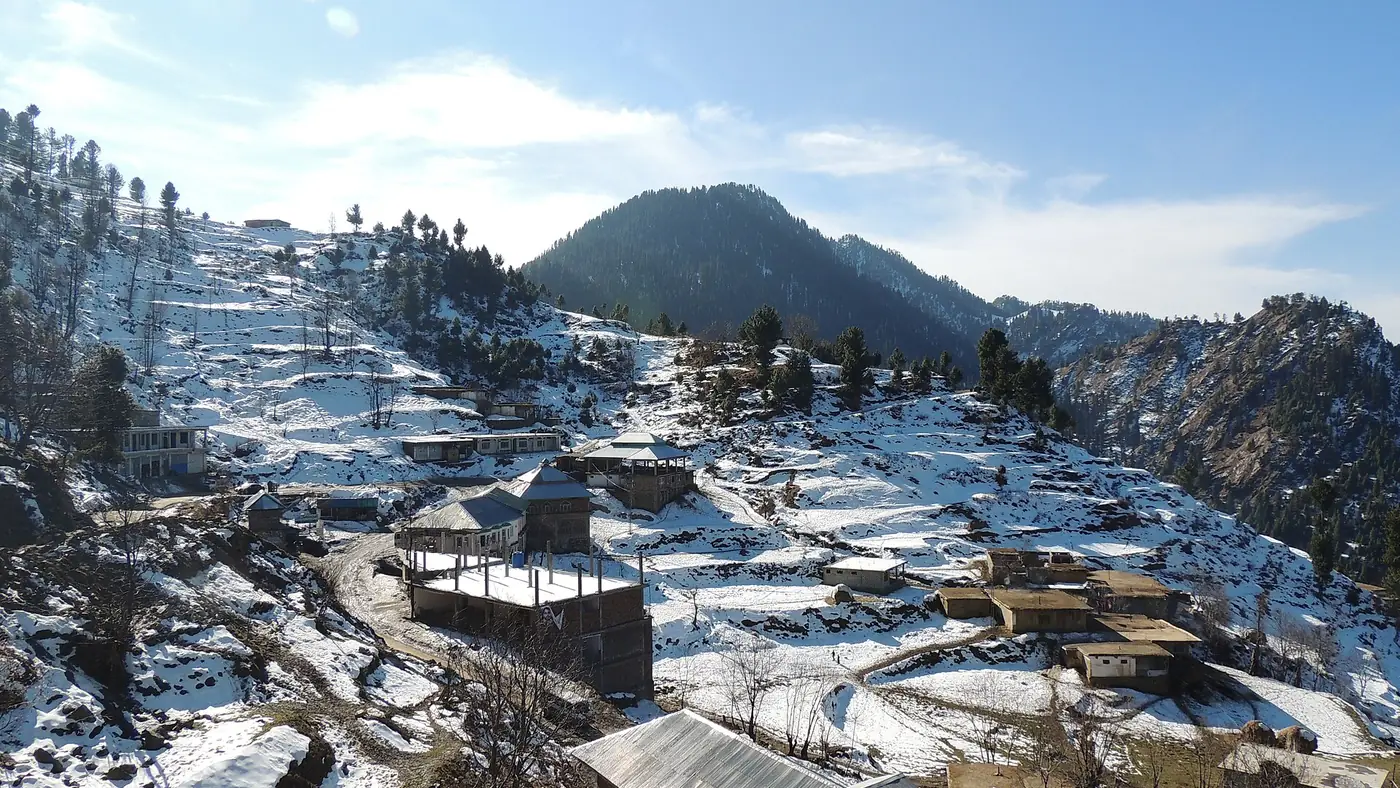
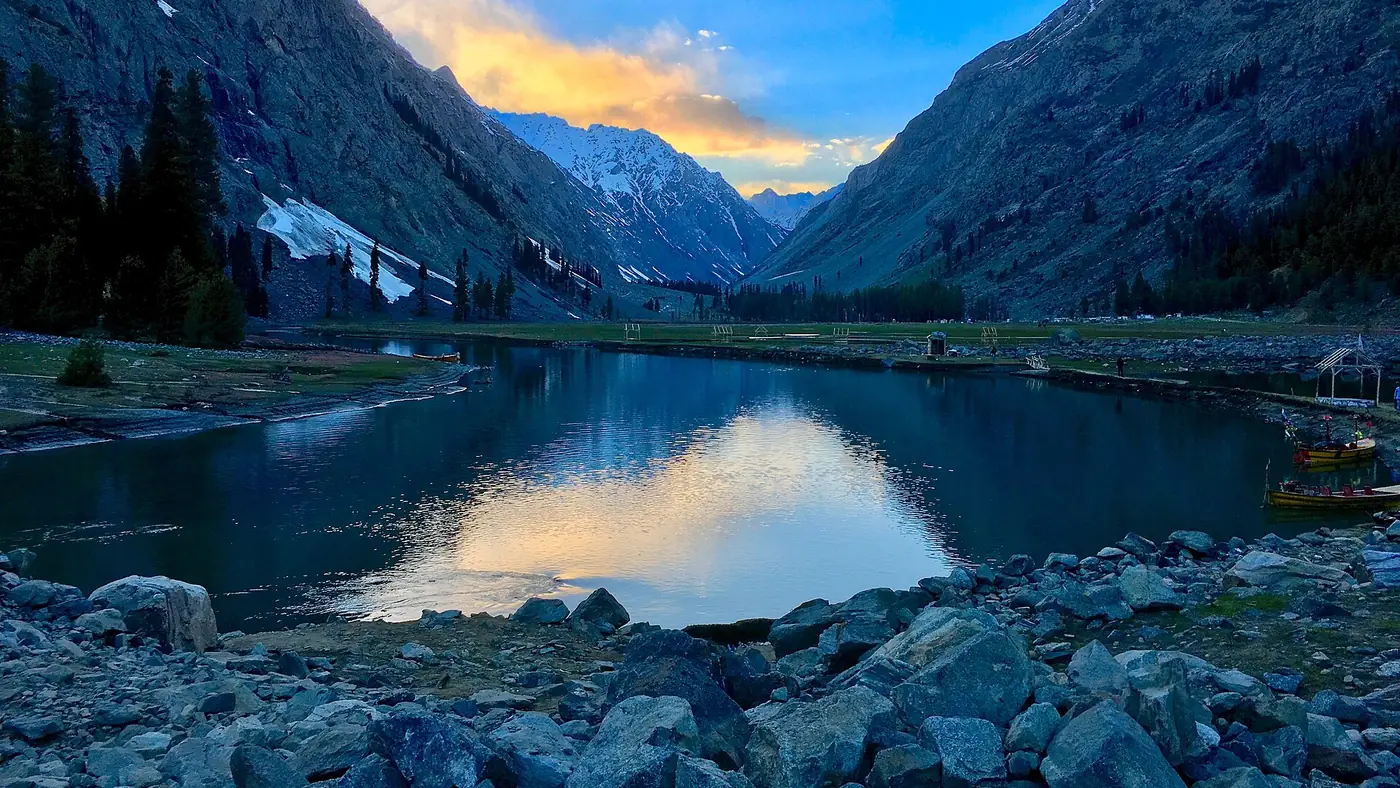
Swat's best photography spots combine river, pine forest and terraced hillsides in a way few other valleys in Pakistan manage within a single day's drive: the chairlift at Malam Jabba for wide mountain views, the pine forest walks around Miandam and Kalam for soft, filtered light, and the riverside stretch through Madyan and Bahrain for water and reflections.
This guide covers where to point a camera in Swat, what time of day suits each spot, and what to know before flying a drone.
| At a glance | |
|---|---|
| Best light | Early morning and the last hour before sunset |
| Best months for clear air | April–June and September–October |
| Monsoon months | July–August, hazier air but greener forest and dramatic cloud |
| Winter | December–February, snow on the higher spots, but roads can close |
| Drone use | Legally unsettled; avoid checkposts, military areas and crowds; ask locally first |
Malam Jabba: wide mountain views
Malam Jabba's chairlift climbs above the pine line to open slopes with a long view down the valley, and it is the single easiest place in Swat to get a genuine wide mountain shot without a hike. Late afternoon light works well here, when the sun is low enough to pick out the ridgelines rather than flattening them. In winter, snow on the slopes makes for a completely different image from the green summer hillside, though the resort is busiest and the best light windows get crowded fastest at that time of year. Our guide to Malam Jabba covers getting there and the chairlift ticket.
The forest light around Miandam and Kalam
Swat's pine and deodar forests give a different kind of photograph: filtered, dappled light rather than open panoramas. Miandam's meadows sit inside forest on most sides, and the effect is strongest around midday, when high sun through the canopy creates strong shafts of light rather than flat shade. Around Kalam, the walking tracks into the forest above the town and along the Ushu valley offer the same effect on a larger scale, with the added texture of the river below.
Early morning here often means mist sitting in the valley floor while the upper slopes are already lit, which is worth being up for if you are staying overnight in Kalam rather than day-tripping.
The river through Madyan and Bahrain
The Swat River itself is the recurring subject through the lower and middle valley: fast green-blue water against pine-covered banks, old wooden bridges, and terraced fields above Madyan and Bahrain. Shoot the river in the morning, when the light is softer and the water hasn't picked up the silty colour that heavier afternoon glacial melt sometimes brings in summer.
Never shoot from the riverbed itself or from gravel islands in the channel, however calm the water looks. The Swat River rises fast after rain upstream, and standing in the channel for a photograph has cost lives here; our guide to whether Swat is safe for tourists explains the river risk in more detail. Shoot from the bank, a bridge or a riverside terrace instead.
Waterfalls and side valleys
Swat's waterfalls, including Jarogo near Mingora, give good photographs in the post-monsoon months when the flow is still strong but the light has cleared, typically September into October. Spring, when snowmelt swells the falls, is also strong but the light is softer and greyer more often. Our roundup of Swat's waterfalls covers access and hike length for each.
When to go for the best light
- Spring (April–May): Fresh green growth, clear air between weather systems, and still some snow visible on the higher tops above Kalam.
- Summer (June–August): The forest and terraces are at their greenest, but afternoon haze and monsoon cloud can flatten distant views. Mornings are more reliable than afternoons.
- Autumn (September–October): Generally the clearest air of the year, with good contrast for wide shots and waterfalls still running well after the monsoon.
- Winter (December–February): Snow transforms Malam Jabba and the upper valley, but access above Bahrain can be difficult after heavy snowfall, so check the road before planning a shoot around it. Our Swat in winter guide covers what stays open.
Drone photography: what to know
Pakistan's rules for hobbyist and visiting drone operators have been described by the Civil Aviation Authority itself as still under development, so treat any specific claim about permits or altitude limits online, including this one, as unconfirmed rather than settled law. What is consistent advice everywhere is:
- Don't fly near checkposts, army or police installations, or the border areas that run along parts of upper Swat. Assume any uniformed presence means don't fly until you have asked.
- Don't fly over crowds, at rallies or near sensitive sites such as shrines during prayer times.
- Ask your hotel or a local contact before flying, especially outside the main towns. Security is more visible in Swat than in many other parts of the north, and an unexplained drone draws attention quickly.
- Keep it simple and be ready to stop if asked. A polite response to a question from a soldier or police officer avoids problems; arguing does not.
Frequently asked questions
What is the best time of day for photography in Swat?
Early morning and the hour before sunset give the softest, most directional light, particularly at Malam Jabba and along the river. Midday sun works well specifically in the pine forests, where it creates strong light shafts through the canopy.
Can I fly a drone in Swat?
Pakistan's drone rules for visitors are still being finalised, so there is no single confirmed answer. Avoid flying near checkposts, military or police sites, crowds and the border areas of upper Swat, and ask locally before you fly.
Which month has the clearest air for photography in Swat?
September and October generally give the clearest skies after the monsoon, with April and May a close second before the summer haze builds.
Is it safe to photograph from the riverbank in Swat?
Stay on the bank, a bridge or a fixed terrace rather than the riverbed or gravel islands in the channel. The Swat River can rise very quickly after rain far upstream, even when the sky above you is clear.
Is Swat safe to visit for a photography trip?
Pakistani visitors still travel to Swat regularly, but security worsened in 2026, including a suicide bombing at Kabal, near Mingora, on 2 August that killed 17. The UK government currently advises against all travel to Swat. Check local news and police advice before you go; see our guide to whether Swat is safe for tourists for the full picture.