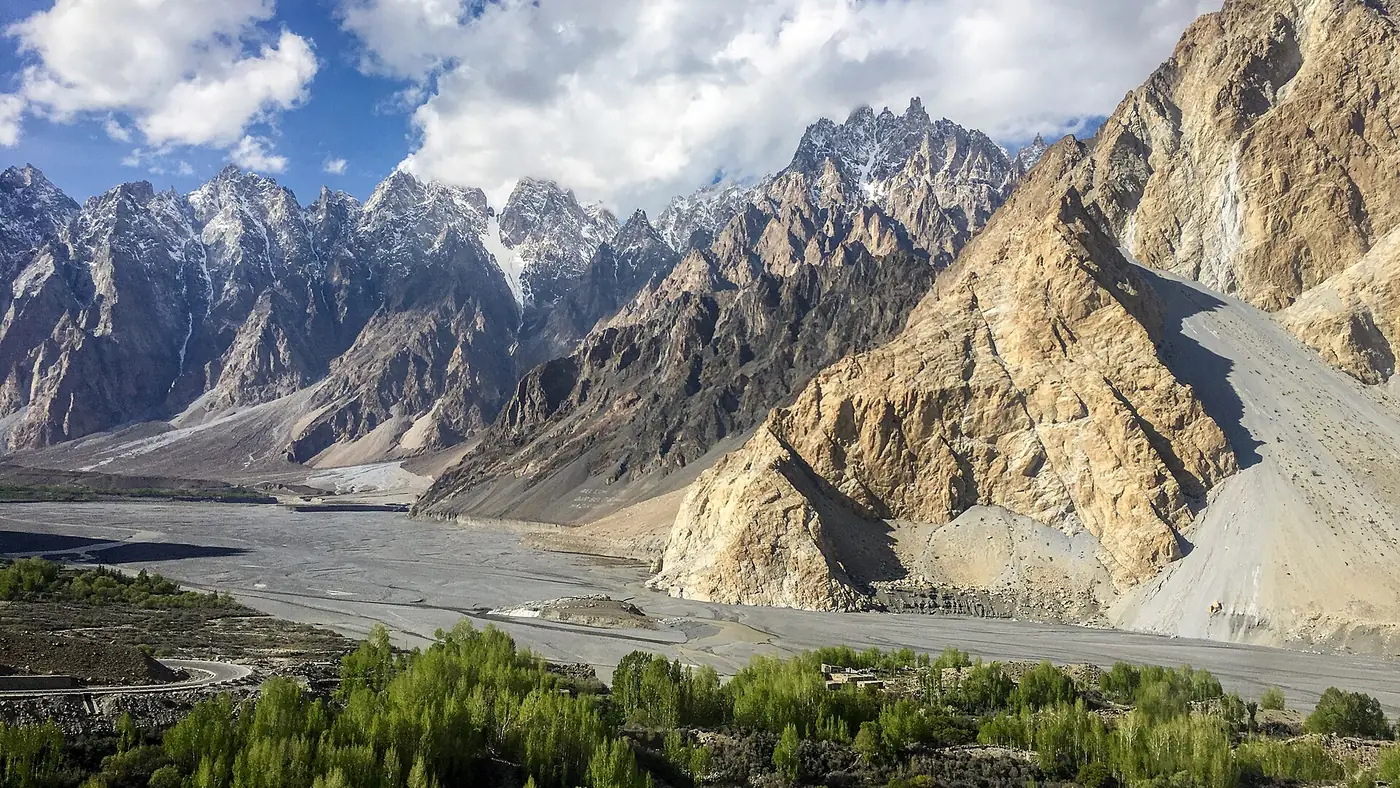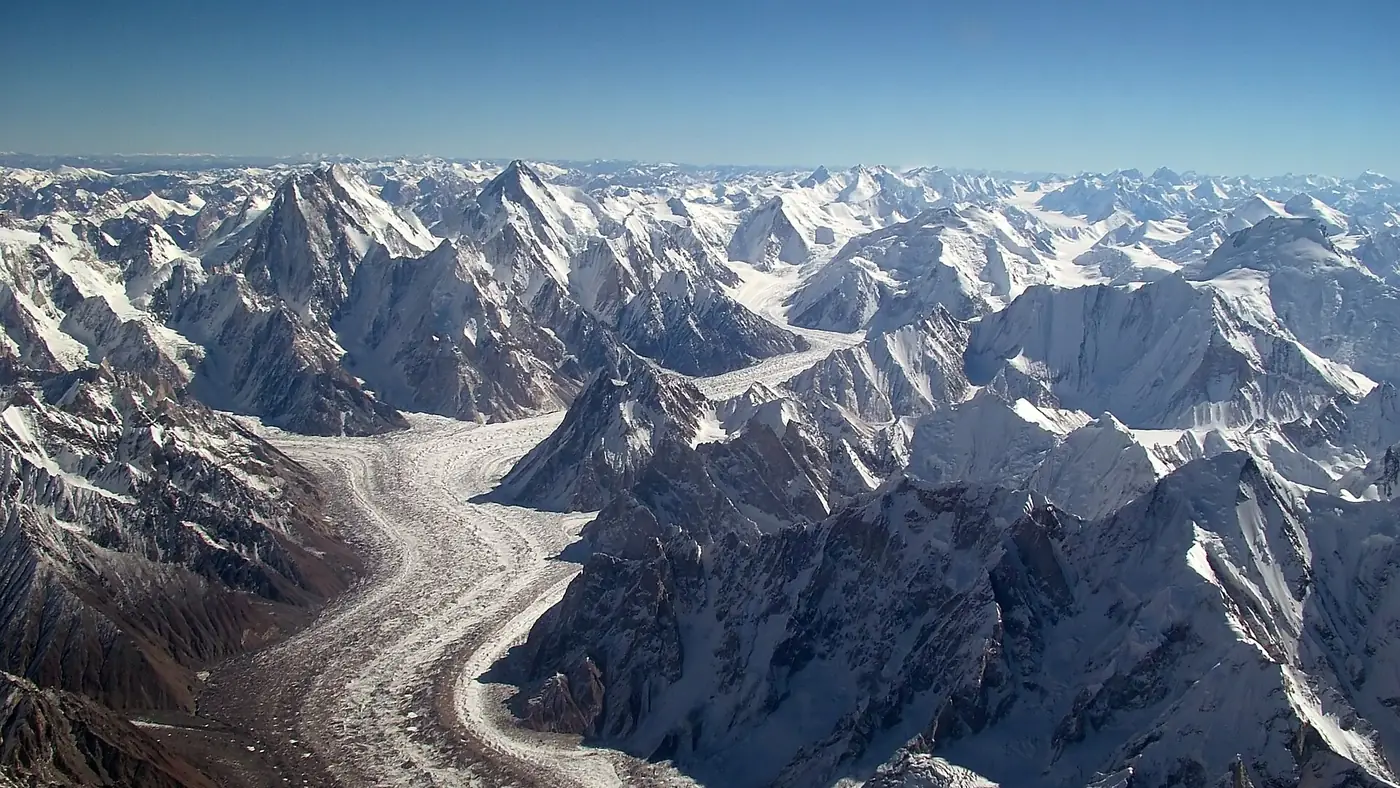
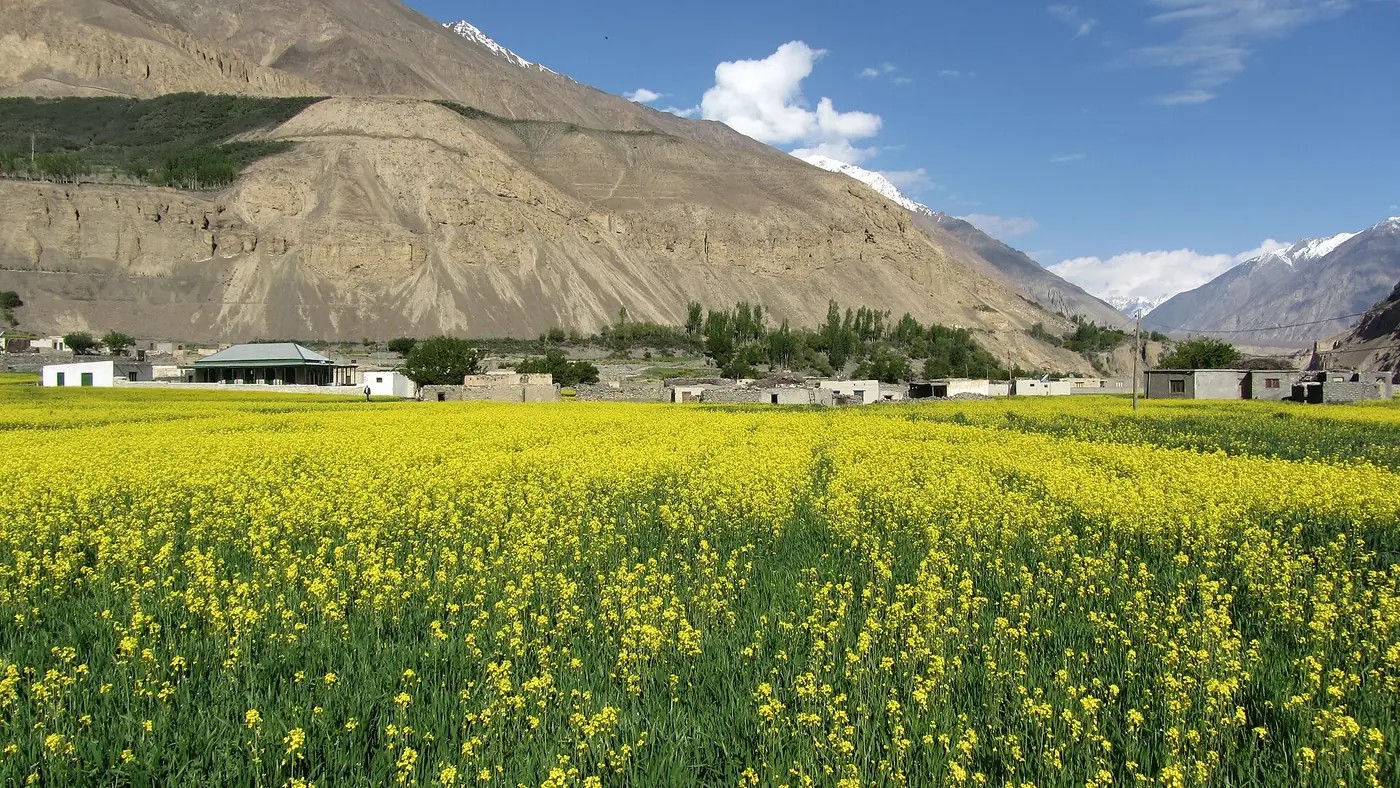
The Shimshal Pass trek climbs from Shimshal village, in upper Hunza, to the Shimshal Pass at around 4,700 metres and on to the Shimshal Pamir, a stretch of high, open pasture used by local herders as summer grazing. It is a week or more of remote, high-altitude walking, reached only after the long road journey to Shimshal itself, and it is one of the least crowded treks in Gilgit-Baltistan.
| At a glance | |
|---|---|
| Start | Shimshal village, upper Hunza |
| Shimshal Pass | About 4,700 m |
| Shimshal Pamir | Locally called Pamir-e-Tang, used for summer grazing |
| Days | 7 to 10, from Shimshal village and back |
| Difficulty | Strenuous, remote, long trekking days |
| Season | July to September |
What the Shimshal Pamir is
The Shimshal Pamir, known locally as Pamir-e-Tang, is a high plateau of pasture beyond the Shimshal Pass, used for around six months of the year by Shimshali herders grazing yaks, sheep and goats. It is a landscape closer to the open Pamir country of Central Asia than to the glaciers and rock walls further south in the Karakoram, wide grassy basins at altitude rather than ice, and the trek's main draw is this sense of remote, pastoral high country rather than dramatic peaks close at hand.
Our Shimshal valley guide covers the village itself, its Wakhi community and the jeep road in from Passu; this page covers the trek that continues beyond the valley up to the pass and pastures.
The route
The trek begins at Shimshal village, at around 3,100 metres, reached by a 56 km jeep road from the Karakoram Highway near Passu. From the village, the trail climbs steadily through side valleys and pastures used by Shimshali herders, gaining altitude over several days before the final push to the pass itself.
- Shimshal village to the lower pastures. The first stages follow herding paths through grazing grounds still used by local families in summer.
- The climb toward Shimshal Pass. Longer, higher days as the trail leaves permanent settlement behind and altitude becomes the main factor.
- Shimshal Pass, about 4,700 m. The high point of the trek, with wide views over the Pamir plateau beyond.
- The Shimshal Pamir. A stretch of open, high pasture where trekkers usually camp for a night or two before turning back.
- Return to Shimshal village. Most groups retrace the same route, though some itineraries extend further into the Pamir before turning around.
Camping is required for the whole trek beyond Shimshal village; there is no accommodation on the route, so tents, food and a full support crew are needed, normally arranged with a guide based in Shimshal or Hunza.
Who you meet along the way
Because the Shimshal Pamir is still actively grazed, this is one of the few high Karakoram treks where you are likely to meet local herders and their yak and sheep herds rather than only other trekking groups. Shimshali families spend part of the summer at pastures along the route, and the trail itself exists largely because of centuries of use for grazing rather than for tourism, which gives the trek a different character from the glacier routes further into Baltistan.
How hard is it?
This is a strenuous trek. The days are long, the altitude is sustained above 4,000 metres for a significant stretch, and the remoteness means no quick way out if the weather turns or someone in the group struggles. It does not involve technical climbing or roped glacier crossings in the way the Snow Lake trek or Batura glacier trek do, but the combination of distance, altitude and isolation puts it firmly in experienced-trekker territory rather than a beginner route.
When to go
July to September is the season, when the pass is clear of heavy snow and the pastures are in use. Outside these months the route is considerably harder and less predictable, and the Shimshal road itself can be affected by weather earlier or later in the year.
Is it worth it?
For a fit, experienced trekker who wants solitude and a genuinely different landscape from the glacier treks further south, yes. It suits people who have already done a shorter Karakoram trek and want something longer and quieter, rather than a first trip to the region. For a shorter alternative in the same area, our trekking in Hunza guide compares it with Patundas, the Batura glacier trek and Rush Lake.
Frequently asked questions
How many days does the Shimshal Pass trek take?
Around 7 to 10 days from Shimshal village and back, depending on how far into the Pamir the itinerary goes.
How high is Shimshal Pass?
About 4,700 metres, the high point of the trek before it descends into the Shimshal Pamir pastures beyond.
Do I need a guide for the Shimshal Pass trek?
Yes. The route is remote, unmarked in places, and needs full camping support, so it is normally arranged with a guide and crew based in Shimshal or elsewhere in Hunza.
Is the Shimshal Pass trek technical?
No roped climbing or glacier crossing is needed on the standard route, but it is a long, high-altitude trek that requires good fitness and prior trekking experience.
When is the best time for the Shimshal Pass trek?
July to September, when the pass is clear of heavy snow and the Shimshal Pamir pastures are in use by local herders.