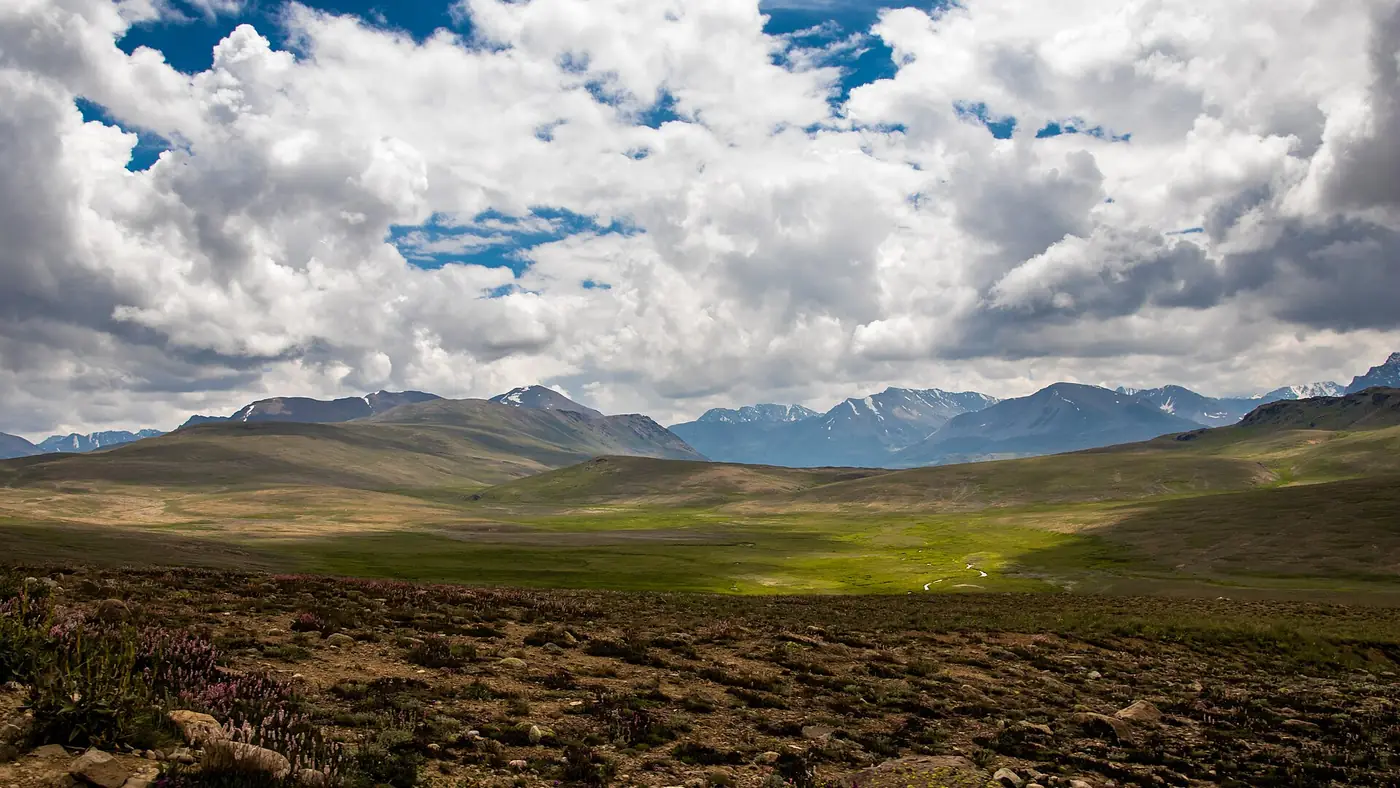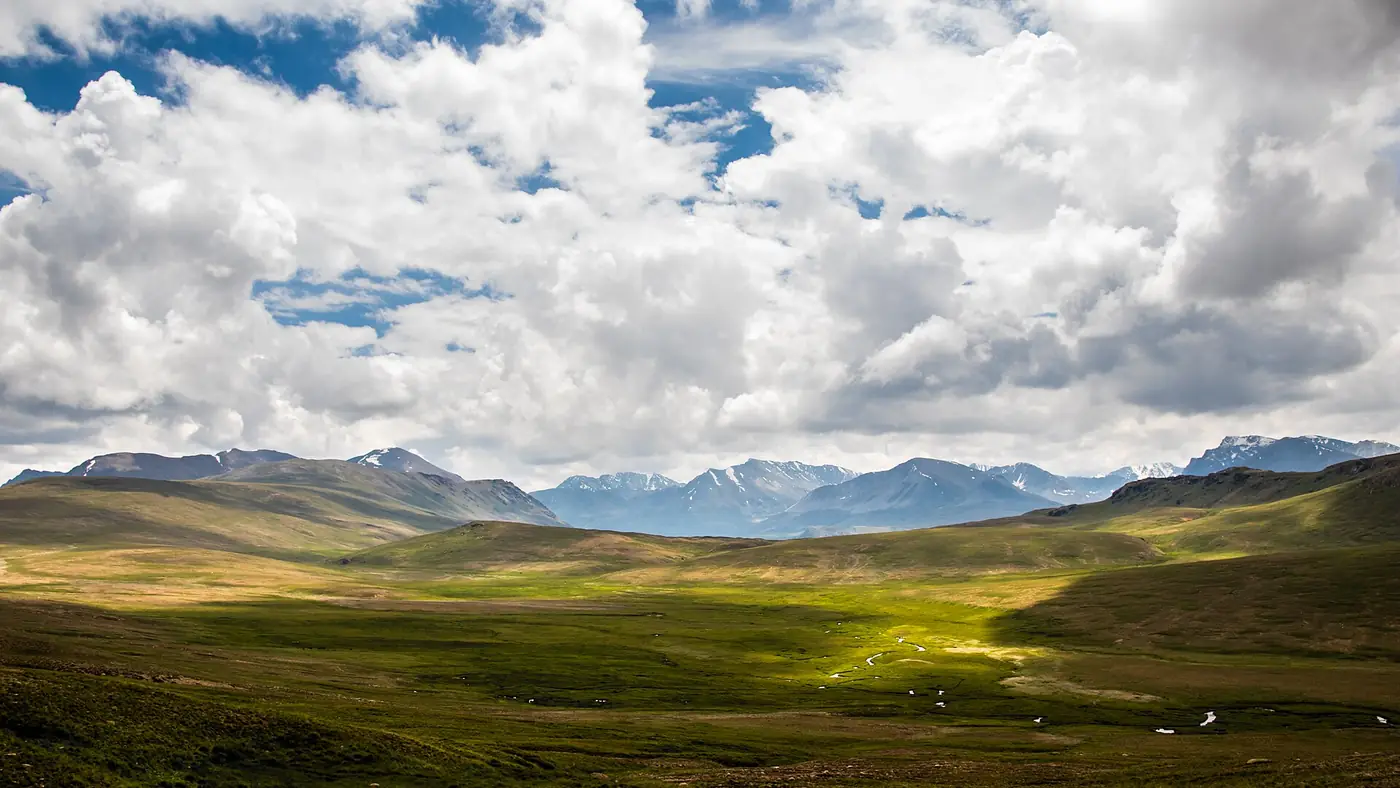
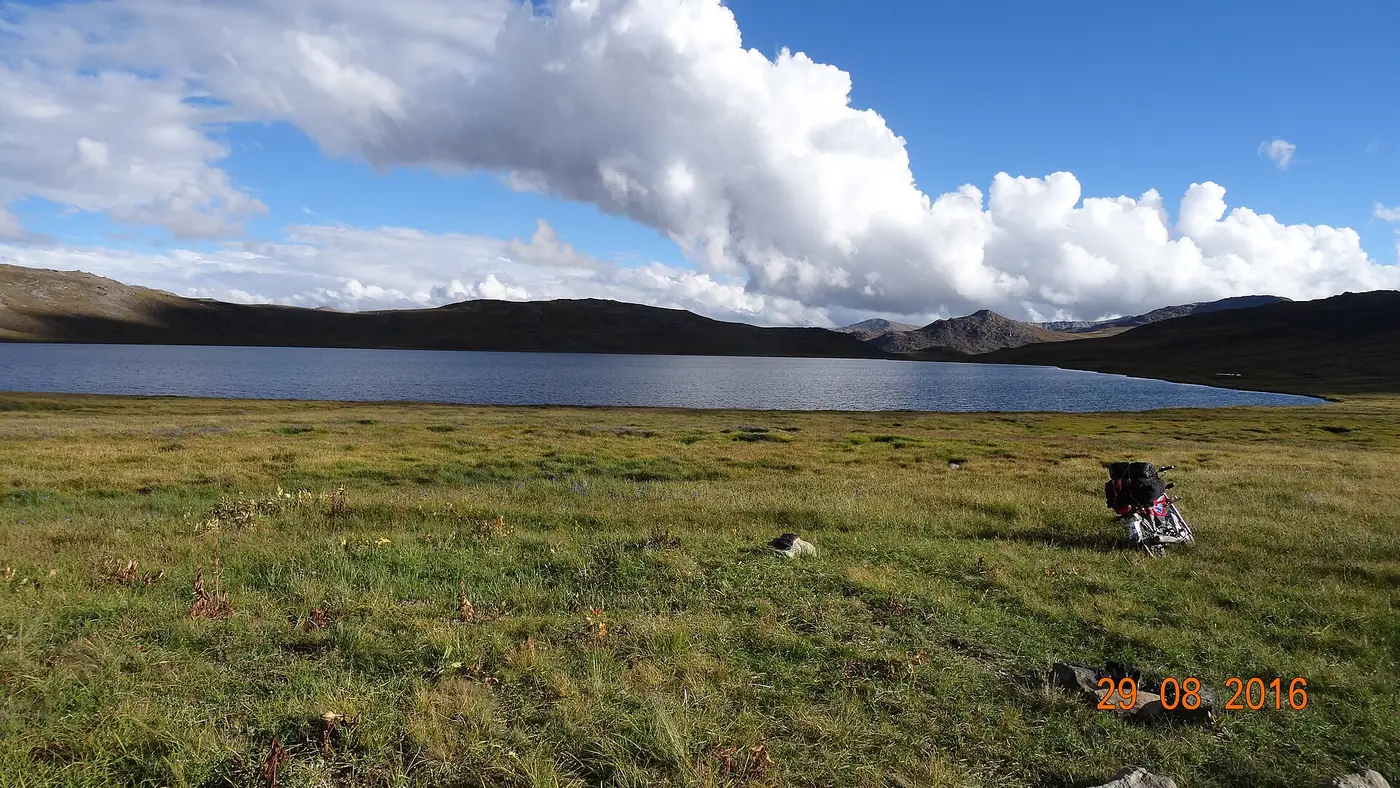
Sheosar Lake is the large lake at the western end of the Deosai plateau, at over 4,100 metres, about 16 km from the village of Chilim on the Astore side. From Skardu it is the far end of a long jeep day, three to four hours away across the whole plateau; from Chilim it is the first thing you reach. The lake is open to visitors only in the Deosai season, roughly June to October, and it is best seen early in the morning, when the water is still and Nanga Parbat stands clear to the west.
This guide covers where the lake is, which side to come from, when the light and the weather are kindest, how cold it gets, and where to sleep now that camping by the shore is no longer allowed.
| At a glance | |
|---|---|
| Altitude | Over 4,100 m; published figures run up to 4,250 m |
| Size | About 2.3 km long and 1.8 km wide |
| Location | Western end of Deosai National Park, near Chilim |
| From Chilim | About 16 km, usually under an hour by jeep |
| From Skardu | Roughly 65 to 70 km, 3 to 4 hours by jeep |
| Season | Roughly June to October, depending on snow |
| Best time of day | Early morning |
| Overnight | Camping banned since 2025; sleep in Skardu or on the Astore side |
| Mobile signal | Expect none |
Where is Sheosar Lake?
The lake lies near the western edge of Deosai National Park, close to where the plateau drops towards the Astore valley. The Gilgit-Baltistan tourism department calls it the "Blind Lake", which is how the name is usually translated from Shina. It is roughly round, a little over 2 km long, and fed by snowmelt from the low hills around it.
The track across the plateau from Skardu runs in a line from east to west: over the Ali Malik Mar pass, across the Bara Pani river, over the smaller Kala Pani stream, and then to Sheosar. Beyond the lake the track drops to the Chilim checkpoint and the village of Chilim, the first settlement on the Astore side.
Nanga Parbat is to the west-northwest, and on a clear day its snow massif sits above the far shore. That view is the main reason people make the extra effort to get here.
From Skardu or from Chilim: which way in?
Which side you come from makes a bigger difference to your visit than anything else.
From Skardu
Most visitors come from Skardu, and for them Sheosar is the end point of the day. Leaving Skardu at 7 in the morning puts you at the lake around 10 or 11 at the earliest, after the climb past Sadpara and an hour or so across the plateau from Bara Pani. You then have to turn round by early afternoon to be off the steep descent to Sadpara before dusk. Our Skardu to Deosai route guide covers that drive stage by stage.
That makes it a long, rushed day, and it means reaching the lake in the late-morning light, often after the clouds have started to gather over Nanga Parbat.
From Chilim and the Astore side
From Chilim the lake is about 16 km away, usually well under an hour by jeep. If you sleep at Chilim, Gudai or Astore town the night before, you can be at the shore within an hour or so of sunrise, and then carry on across the plateau to Skardu in the same day. For anyone coming up from the Karakoram Highway, this is the better way to see Sheosar. Our guide to the Astore to Deosai route via Chilim covers the road up the valley.
When to be there: light, wind and Nanga Parbat
The best time of day at Sheosar is the first few hours after sunrise, for three reasons:
- The light is on the mountain. With Nanga Parbat to the west, the morning sun lights the side of the massif facing you. By afternoon the sun has moved round behind it and the mountain is backlit and hazy.
- The water is often calmer. Wind across the open plateau tends to pick up as the day warms, and a still morning is when you get the reflection of the hills in the lake.
- The cloud comes later. In summer, cloud often builds over the high peaks as the day goes on, and Nanga Parbat can disappear by midday.
None of this is guaranteed. Some mornings are grey and some afternoons are clear, so if you are coming from Skardu, go anyway and take what the weather gives you.
Through the season the scene changes. Early in the season the lake edges may still be icy and the ground around it wet. In July the slopes around the shore are green, with wildflowers in a normal year. By September the grass has turned gold and brown and the air is often at its clearest. Our guide to the best time to visit Deosai goes through the months in more detail.
How cold is it at Sheosar?
Colder than almost anywhere else a family day trip in Pakistan takes you. The lake is roughly 2,000 metres higher than Skardu, and the wind comes off the water and across the open plateau with nothing to stop it. A sunny July morning at the shore can still call for a jacket, hat and gloves, and nights are around freezing or below even in summer.
Weather here changes fast. Cloud, rain, hail and, in some years, summer snow can arrive within an hour. Keep your warm layers in the vehicle, not packed away in the hotel, and turn back if a storm is building. Our Deosai weather guide covers temperatures and what to wear month by month.
Can you camp at Sheosar Lake?
Not at present. For years the lakeshore was one of the three main camping areas on the plateau, alongside Bara Pani and Kala Pani, with private tents and seasonal tented camps in summer. In September 2025, after a brown bear attacked a camper near Bara Pani, the Gilgit-Baltistan government banned night camping on the plateau. In December 2025 the forest, parks and wildlife department also banned seasonal hotels and all commercial activity inside the park from the 2026 season.
So there is nowhere to stay at the lake, and you should not plan a night there unless the department's office in Skardu, or the staff at the checkpoint, tell you it is permitted that season. Our guide to camping in Deosai explains the rules and the alternatives.
The practical answer is to sleep just off the plateau on the Chilim side. There are a few small hotels at Chilim, guesthouses at Gudai, and more choice in Astore town. A night there gives you the early-morning lake that a tent on the shore used to.
At the lake: walking, wildlife and leaving no trace
Most people spend an hour or two at Sheosar. There is no path to follow and no facility of any kind, just the shore and the grass around it.
- Walk slowly. At over 4,100 metres even a gentle stroll along the shore leaves most people short of breath. If anyone develops a bad headache, nausea or confusion, drive down.
- Watch for wildlife from a distance. Golden marmots live all around the lake, and the park's 2022 bear survey recorded brown bears in the Sheosar area. If you see a bear, get back in the vehicle.
- Don't feed anything. Marmots that are fed learn to hang around people, and food left behind draws bears.
- Don't swim. The water is snowmelt, and a cold shock at this altitude is dangerous.
- Take every scrap of rubbish with you. There are no bins on the plateau.
Carry your own food, water and a flask of something hot. Nothing is on sale at the lake.
Is Sheosar Lake worth the extra hours?
From the Astore side, yes, without question: it is the first sight on the plateau and costs you almost no extra time.
From Skardu it depends on the day. Going on from Bara Pani to Sheosar and back adds an hour and a half to two hours of rough driving, plus your time at the shore, to what is already a long day at altitude. On a clear day, with everyone well and an early start, it is worth it for the lake and the view of Nanga Parbat. On a cloudy day, with small children, or with anyone who is feeling the height, turning back at Bara Pani is the better choice, and you lose little of the plateau itself.
If you want to see the lake without the rush, our seven-day Skardu and Deosai trip gives the plateau two days and times the run out towards Sheosar for the best light.
Frequently asked questions
Where is Sheosar Lake?
At the western end of Deosai National Park in Gilgit-Baltistan, about 16 km from Chilim on the Astore side and roughly 65 to 70 km from Skardu across the plateau.
How high is Sheosar Lake?
Over 4,100 metres. Published figures vary, and the Gilgit-Baltistan tourism department gives 4,250 metres in one place.
How long does it take to reach Sheosar Lake from Skardu?
About three to four hours by jeep before stops, via Sadpara, Ali Malik Mar and Bara Pani. From Chilim it is usually under an hour.
Can you see Nanga Parbat from Sheosar Lake?
Yes, on a clear day, to the west beyond the lake. Mornings give the best chance, before cloud builds over the peaks.
Can you camp at Sheosar Lake?
Not currently. Night camping on the plateau was banned in September 2025, and seasonal camps were banned from the 2026 season. Sleep at Chilim, Gudai, Astore or Skardu instead.
Is Sheosar Lake open in October?
Usually for part of the month, until the first heavy snowfall closes the Deosai tracks. Check in Skardu or Astore the evening before.