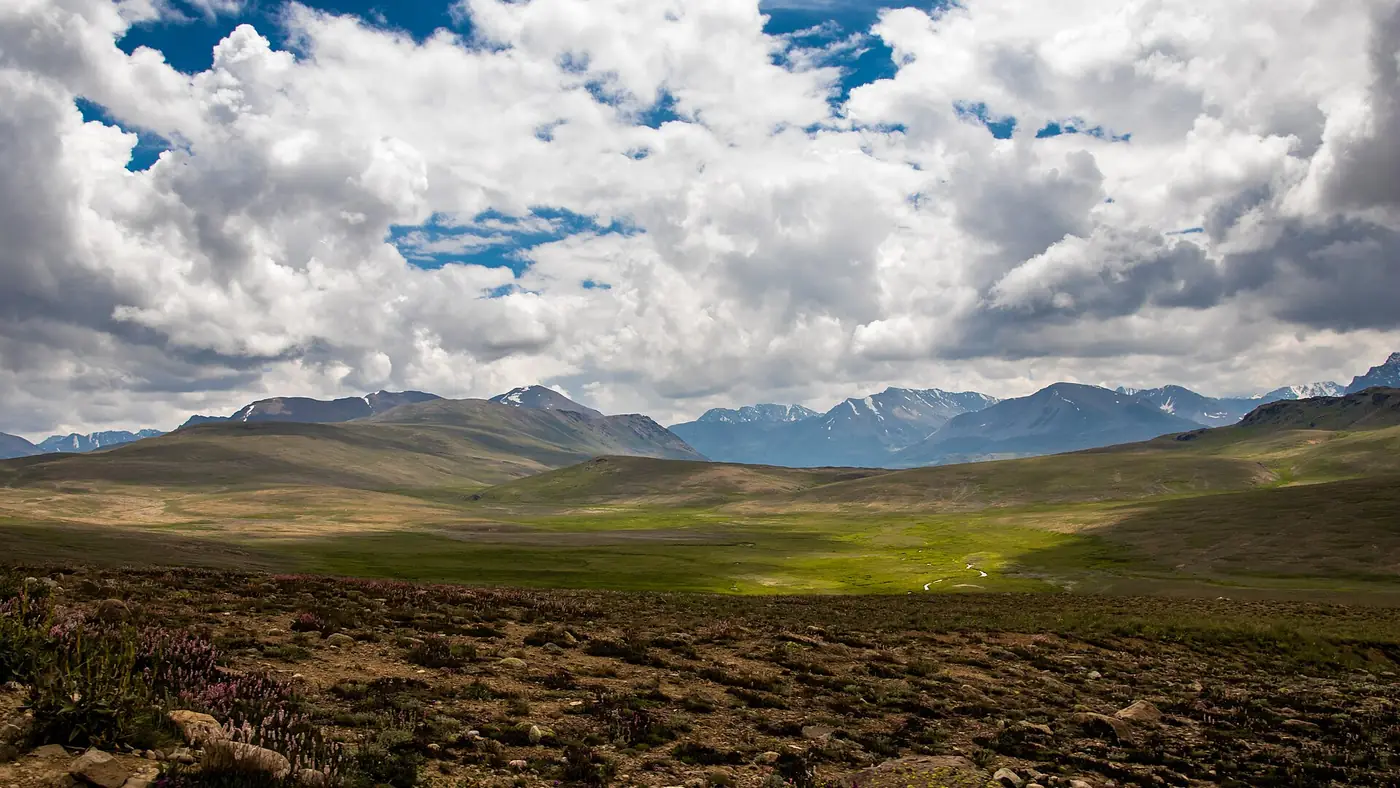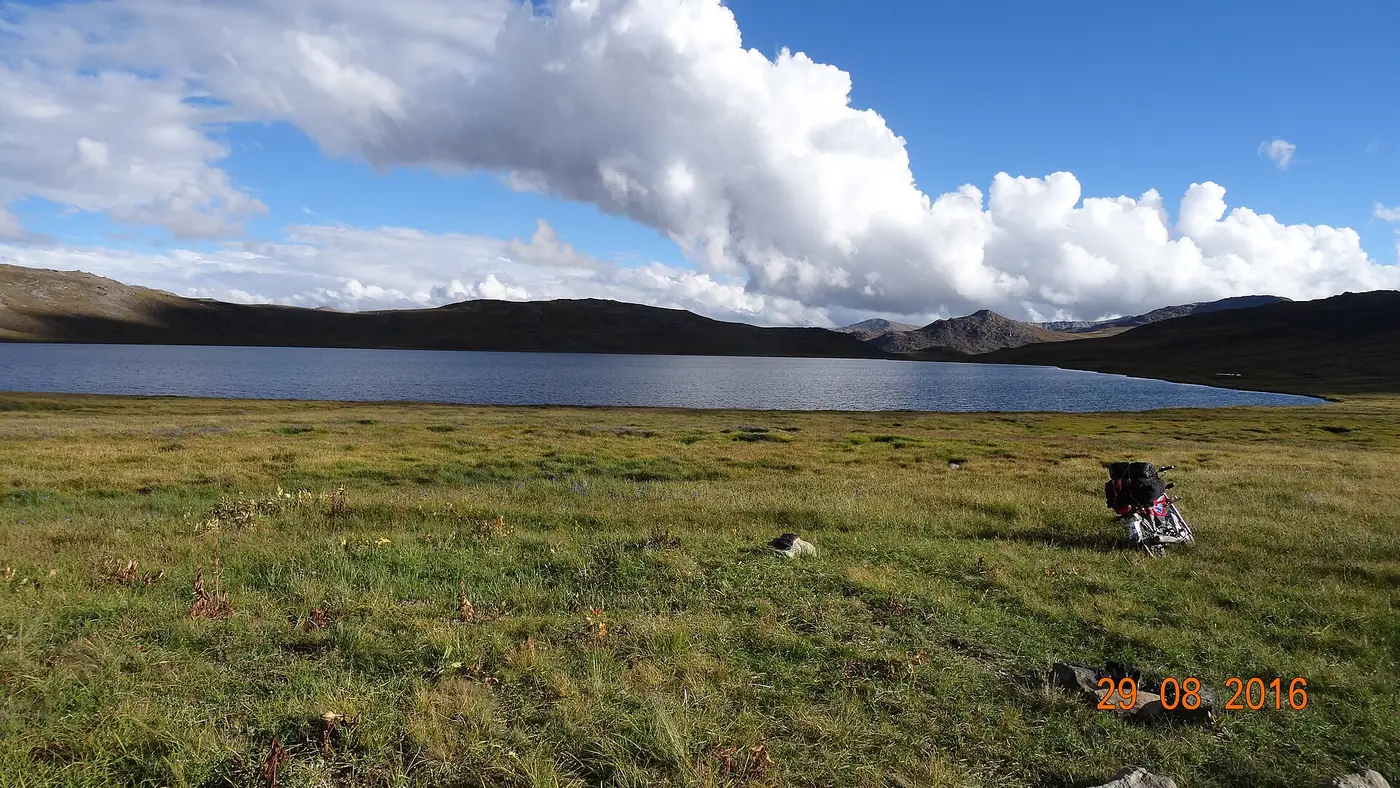
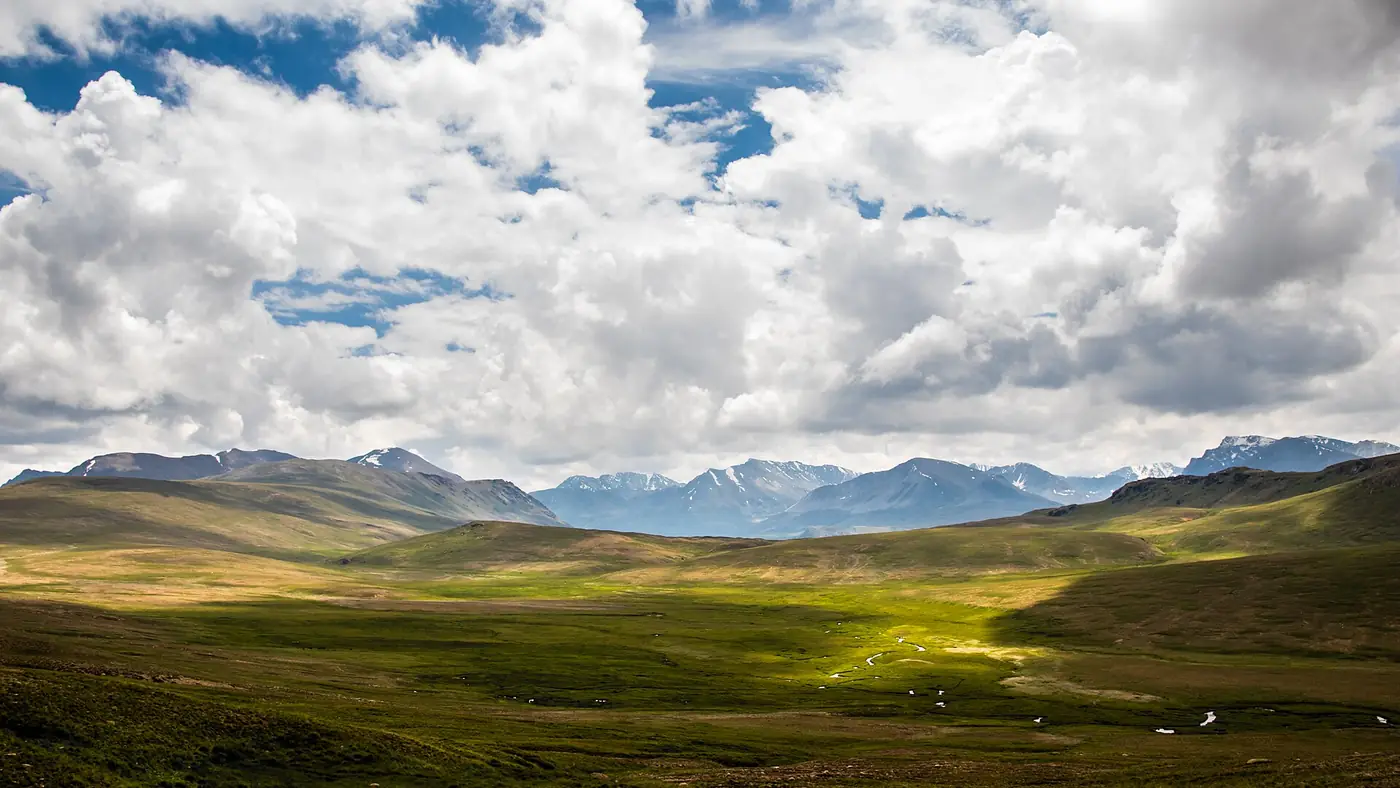
Camping in Deosai is not allowed at present. After a Himalayan brown bear attacked a camper near Bara Pani in early September 2025, the Gilgit-Baltistan government banned night camping on the plateau, and from the 2026 season it also banned seasonal hotels and all commercial activity inside the national park. Until then, most people camped at one of three places: the Bara Pani bridge, the Kala Pani stream or the shore of Sheosar Lake.
This guide explains what the rules say and how to check them, why they changed, what the old campsites were like, where to sleep instead, and what a night on the plateau would really demand if it is permitted again.
| At a glance | |
|---|---|
| Night camping | Banned since September 2025 |
| Seasonal hotels and tent camps | Banned inside the park from the 2026 season |
| The old campsites | Bara Pani, Kala Pani and Sheosar Lake |
| Altitude | Over 4,000 m at all three |
| Summer nights | Around freezing or below, even in July |
| Bears | Active all season; recorded near all three sites |
| Where to sleep instead | Skardu, or Chilim, Gudai and Astore on the western side |
| Who to ask | The forest and wildlife department in Skardu, or checkpoint staff |
Is camping allowed in Deosai now?
No, and you should assume it isn't unless you are told otherwise by the people who run the park.
The ban came in two steps. In early September 2025, a day after the singer Quratulain Balouch was injured by a bear while camping near Bara Pani, the Gilgit-Baltistan government announced that no one would be allowed to camp on the plateau at night. Some reports at the time described it as a two-month ban on private camping, with government-approved hotels and rest houses exempt. The government spokesperson was quoted as saying no individual would be allowed to camp in Deosai at night in future.
Then, in December 2025, the forest, parks and wildlife department notified a ban on seasonal hotels, lodging and every other kind of commercial setup inside Deosai National Park from the 2026 season, and warned of legal action against anyone who broke it. That removed the seasonal tent camps that used to rent tents and serve meals at the main sites.
Enforcement has not always been tight. A local news investigation in November 2025 reported that tents appeared on the plateau the day after the ban was announced. Other people's tents are not permission. Rules like these can be relaxed, extended or enforced more strictly from one season to the next, so before you plan anything, ask the forest and wildlife department's office in Skardu or the staff at the checkpoint what is allowed that year.
Why the rules changed
The attack was the trigger, but the pressure had been building for years. Deosai was made a national park in 1993 to protect the Himalayan brown bear, and the bears have recovered from fewer than twenty then to an estimated 66 in the park and its buffer valleys in the wildlife department's 2022 survey.
The same survey counted 19 camps on and around the plateau: twelve set up by herders with their livestock, and six places selling food, goods or accommodation to tourists. Its recommendations included banning private hotels and restaurants in the park, managing rubbish, and guiding tourists not to get close to bears or offer them food. One photograph in the report shows a golden marmot eating discarded tissue paper.
Bears learn quickly where food is. A camp with cooking smells and scraps is exactly what draws one in, which is why the camping question is as much about the bears' safety as the visitors'.
The old campsites: Bara Pani, Kala Pani and Sheosar
All three are still places you pass on a day across the plateau. What changed is that you can no longer stay the night.
Bara Pani
By the bridge over the largest river on the plateau, in the middle of the park and two to three hours from Skardu. It was the busiest site, with seasonal tent camps beside the river, and it is where the 2025 attack happened. Today it is the natural place to stop for lunch on a day trip.
Kala Pani
A smaller stream further west, the last crossing before Sheosar coming from Skardu and the first coming from Chilim. It was the quieter choice, with fewer tents and less traffic.
Sheosar Lake
At the western end of the plateau, the highest and most exposed of the three, with Nanga Parbat visible on a clear morning. Wind off the water made it the coldest place to sleep. Our Sheosar Lake guide covers how to see it at its best without a tent.
The 2022 survey recorded brown bears in the Bara Pani, Kala Pani and Sheosar areas. None of these was ever a place to leave food out.
Where to sleep instead
- Skardu. The obvious base, with the widest choice of rooms and a day trip to the plateau and back. Our guide on where to stay in Skardu compares the areas.
- Chilim. The last village on the Astore side, just below the western edge of the park, with a few small hotels. A night here puts you at Sheosar within an hour of setting off in the morning, which was the real reward of camping by the lake.
- Gudai and Astore town. Lower and more comfortable, with guesthouses at Gudai and more choice in Astore. Our Astore to Deosai route guide covers the western approach.
A one-day crossing between Skardu and Astore, sleeping at either end, gives you the whole plateau in daylight without a night on it.
If camping is allowed again: what a night really takes
Anyone who remembers Deosai camping photos will know how good it could be. It was also harder than it looked, and if the rules ever allow it again, go properly prepared.
The cold
Nights on the plateau are around freezing or below even in July, and snow can fall in summer. The wind across the open grass takes the heat out of a tent fast. You would need:
- A sturdy tent that stands up to strong wind, with good pegs
- A sleeping bag rated to well below freezing, not a summer bag
- An insulated sleeping mat; the cold comes up from the ground
- Warm layers, a hat and gloves to sleep in
- A stove and fuel, because there is no firewood on a treeless plateau
- A headtorch and spare batteries
The altitude
Sleeping high is much harder on the body than visiting for the day. Skardu is at about 2,200 metres and the campsites at over 4,000, so a night on the plateau means sleeping nearly 2,000 metres higher than the night before. That is the classic set-up for altitude sickness: a pounding headache, nausea and a sleepless night. Spend at least two nights in Skardu first, and if anyone feels steadily worse, go down, even in the dark. Our travel guide covers altitude in the north.
The bears
- Cook, eat and keep all food and rubbish in or beside the vehicle, well away from where you sleep.
- Never keep food, toiletries or snacks in the tent.
- Camp only where the park staff tell you, and never alone.
- Carry every scrap of rubbish back to Skardu or Astore.
Should you plan a Deosai camping trip?
Not for 2026, and not for next season either, unless there is a clear official notice that camping has reopened. Plan Deosai as a day trip or a one-day crossing, and you lose far less than you might think: the flowers, the marmots, the lakes and the chance of a bear are all daytime pleasures.
What you do lose is the plateau at night, and there is no substitute for that. If a night under the stars matters most to you, it is worth building the trip around somewhere with a legal campsite rather than hoping the rules bend.
For a week in Baltistan planned around the current rules, our seven-day Skardu and Deosai trip gives the plateau two days, with a spare day for weather.
Frequently asked questions
Is camping allowed in Deosai?
No. Night camping was banned after the bear attack near Bara Pani in September 2025, and seasonal hotels and camps inside the park were banned from the 2026 season. Ask the forest and wildlife department in Skardu before planning any night on the plateau.
Where did people camp in Deosai?
Mainly at three places: beside the Bara Pani bridge, at the Kala Pani stream, and on the shore of Sheosar Lake. All three are still stops on a day trip.
Are there hotels inside Deosai National Park?
No. Seasonal hotels and all commercial activity inside the park were banned from the 2026 season. The nearest rooms are in Skardu and at Chilim on the Astore side.
How cold is Deosai at night?
Around freezing or below, even in July and August, with strong wind and the chance of summer snow. It is far colder than Skardu.
Is it dangerous to camp in Deosai because of bears?
Bears are active all summer and were recorded near all the old campsites, and in 2025 one attacked a camper near Bara Pani. Food and rubbish around tents are what draw them in.
Can I camp at Sheosar Lake?
Not at present. Sleep at Chilim, a short drive below the lake, and be at the shore early in the morning.