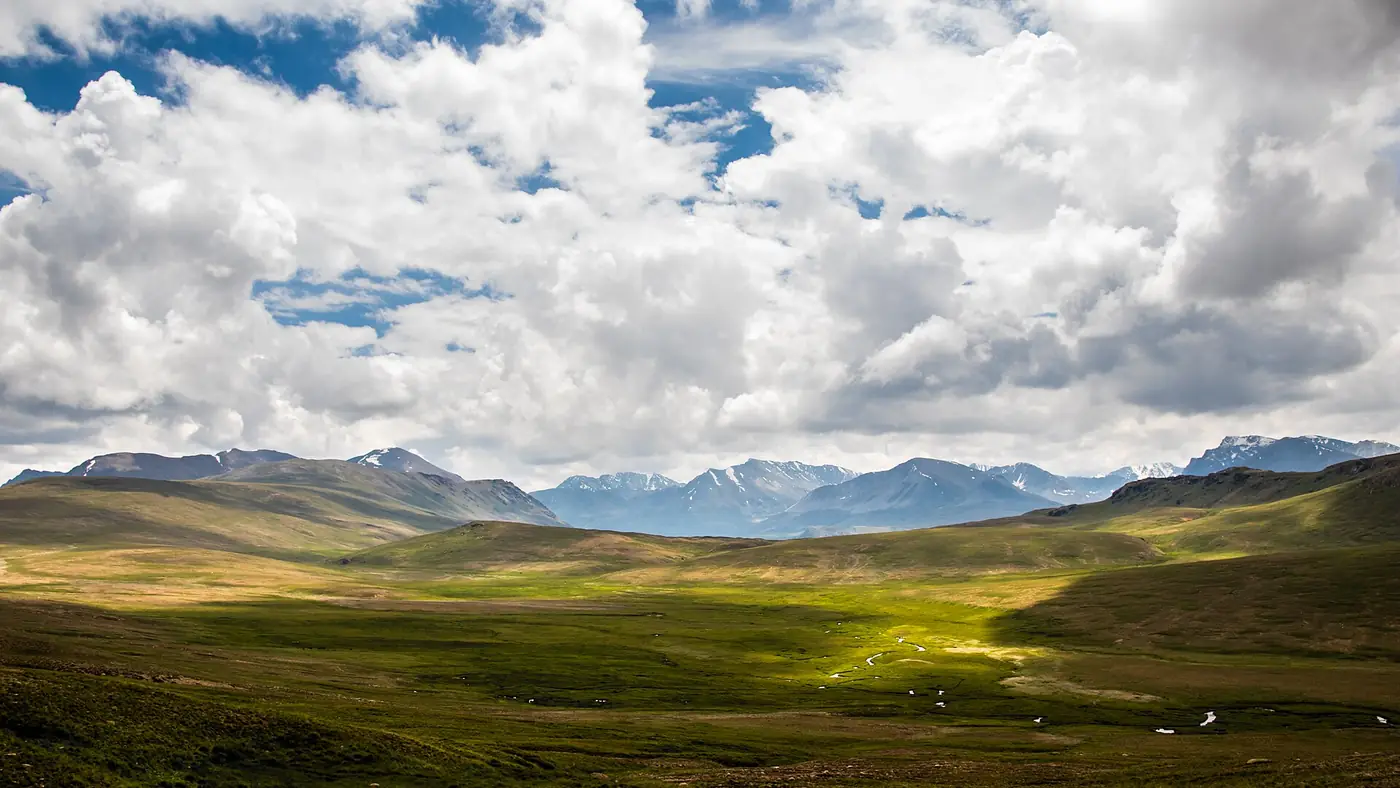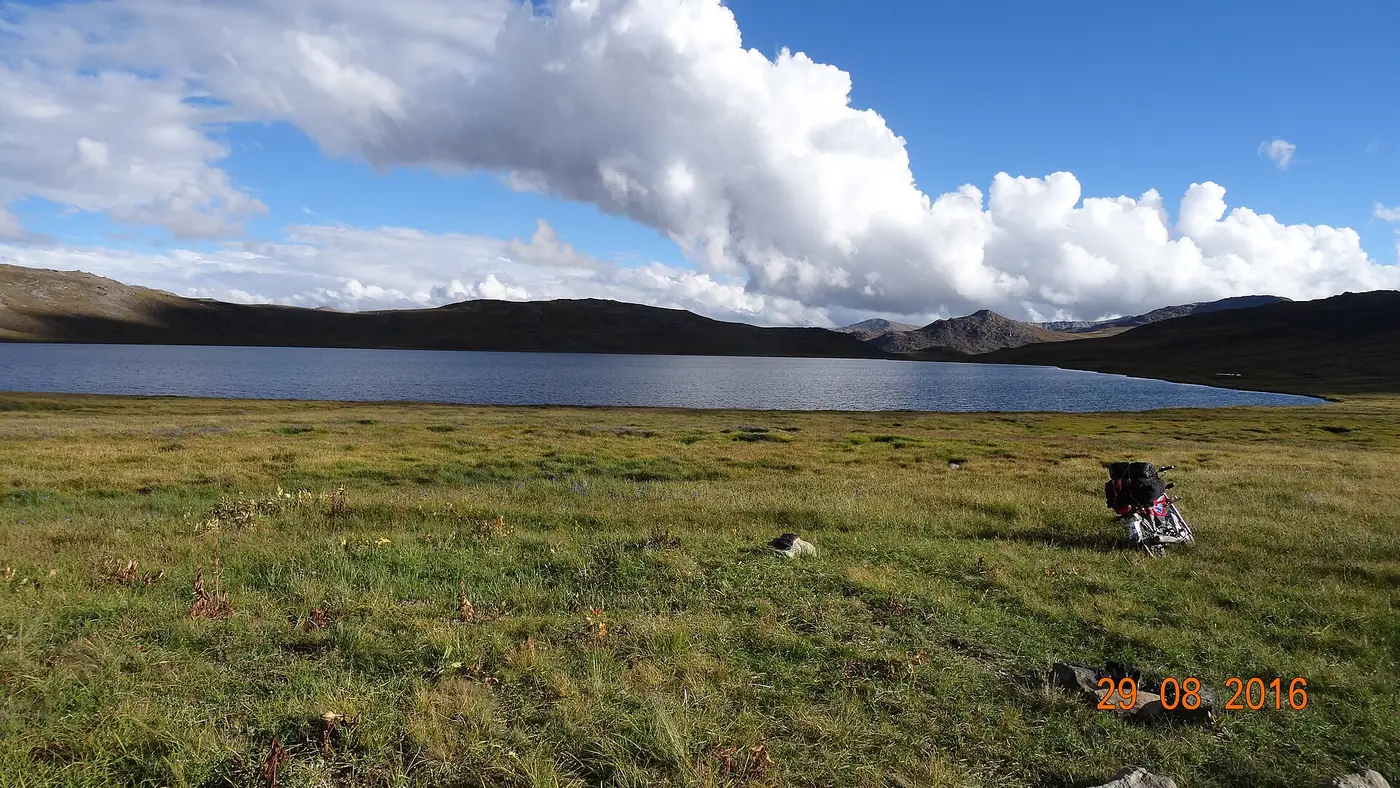
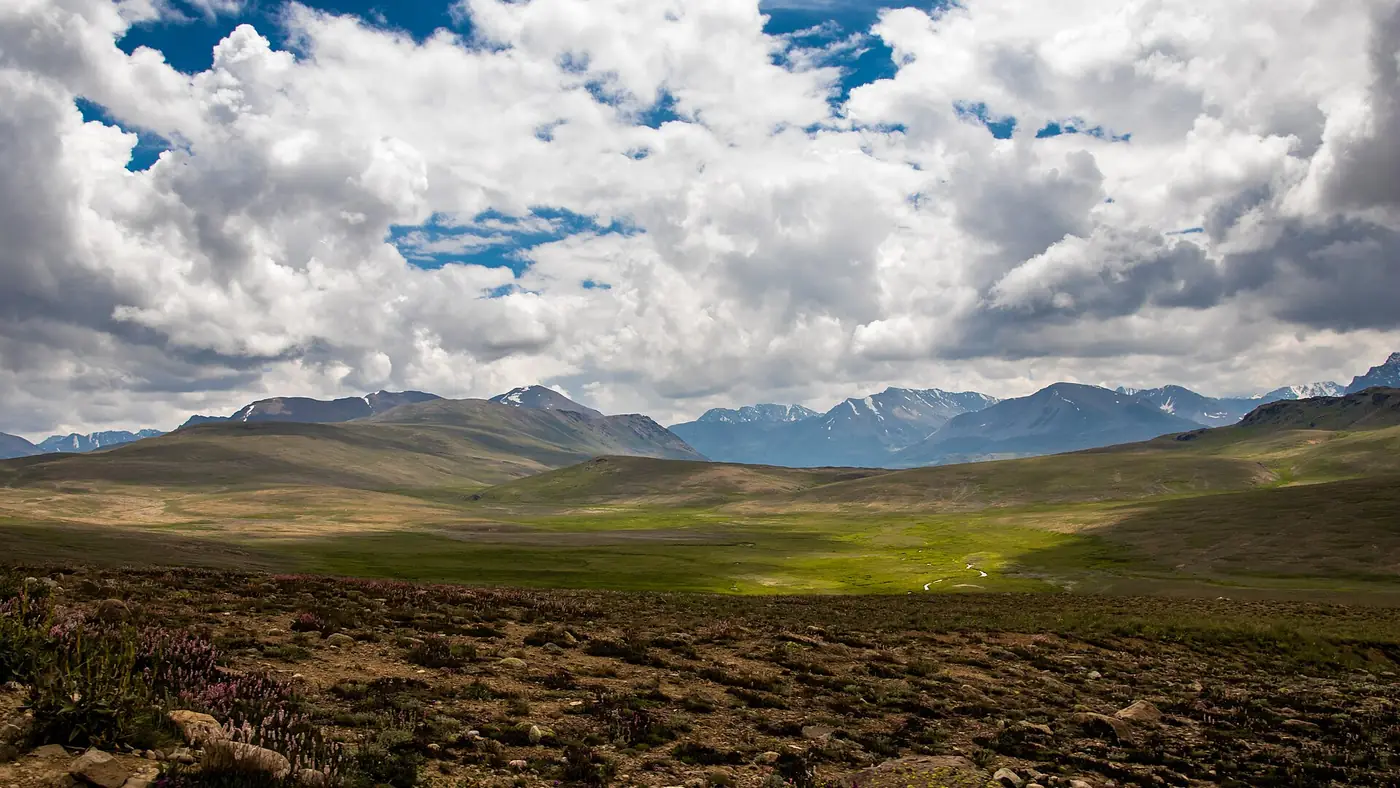
Deosai's altitude, thin air and complete absence of towns make it one of the darkest places in Pakistan to look at the sky, with the Milky Way visible to the naked eye on a clear, moonless night. What has changed is that you can no longer camp on the plateau to see it: night camping was banned across Deosai in September 2025, so the classic picture of a tent under the stars at Bara Pani or Sheosar Lake is not currently something you can do legally.
This guide covers what still makes Deosai good for stargazing, what the camping ban means in practice, and how to get a dark sky without a night on the plateau.
| At a glance | |
|---|---|
| Altitude | About 4,114 m, well above most light and haze |
| Best months | June to September, when the plateau is open |
| Darkest skies | New moon, or a few days either side |
| Overnight camping | Banned since September 2025 |
| Where to actually sleep out | Skardu, Sadpara, Chilim, Astore, all outside the park |
| Cold | Below freezing after dark even in July |
Why Deosai's sky is unusually good
A few things combine to make the plateau exceptional for stargazing, none of them about equipment.
Altitude. At around 4,114 metres, there is markedly less atmosphere between you and the sky than at sea level, so stars appear sharper and fainter ones become visible.
No towns. Deosai has no permanent settlements on it. The nearest sources of light are Skardu and small villages well below the rim, far enough away to add little glow on a clear night.
Clean, dry air. Summer nights are usually clear once the day's weather settles, and dry mountain air scatters less light than humid air at lower altitude.
The result, on a good night, is a sky dense with stars and a clearly visible band of the Milky Way, hard to find anywhere near a Pakistani city.
The camping ban: what it means for stargazing
Until 2025, most people who wanted a proper night sky over Deosai camped at Bara Pani, Kala Pani or Sheosar Lake. That changed after a brown bear attacked a camper near Bara Pani in September 2025, after which the Gilgit-Baltistan government banned night camping on the plateau. In December 2025 the Forest, Parks and Wildlife Department also banned seasonal hotels and all other commercial activity inside the park from the 2026 season, closing the tent camps that used to operate at the main sites.
In practice this means:
- You cannot legally pitch a tent and sleep on Deosai at present.
- There is no hotel or lodge inside the park to stay in instead.
- Enforcement has not always been consistent, and rules like this can change from one season to the next, so ask the Forest and Wildlife Department's office in Skardu or the checkpoint staff what is currently allowed before you plan anything around a night on the plateau.
Our guide to camping in Deosai covers the rules in full, why they changed, and what a night up there used to involve.
What you can still do
Start before dawn
The plateau opens to day visitors at first light, and a jeep leaving Skardu very early can be on Deosai while it is still dark or in early twilight. This is the closest legal equivalent to a night under the stars: a window of proper darkness before sunrise, then the plateau opening up around you in the first light. It needs a driver willing to start in the small hours, headlamps for everyone, and confirmation in Skardu the day before that the checkpoint allows entry that early.
Stargaze just outside the park
Skardu itself, and points on the way up such as Sadpara Lake, sit well below the plateau but still far from significant light pollution. A clear night at Sadpara, around 2,600 metres, gives a genuinely dark sky without needing to be inside the park, and camping and simple accommodation are both legal there. On the Astore side, Chilim offers something similar below the western end of the plateau.
Photograph the sky from Skardu
If you are carrying a tripod and a wide lens anyway, Skardu's outskirts and the areas around Katpana and the Shigar road are dark enough on a clear, moonless night for reasonable Milky Way shots, without the altitude, cold or logistics of Deosai.
Timing a clear, dark sky
Whichever option you choose, the same basics apply:
- Go around the new moon, or in the few days either side of it. A bright moon washes out all but the brightest stars.
- Pick a clear night. Summer weather on the plateau can turn quickly, and cloud is more common in the monsoon months of July and August than in June or September.
- Give your eyes 15 to 20 minutes to adjust to the dark before judging how much you can see, and avoid looking at a bright phone screen once you have adapted.
What to carry for the cold and the dark
Even a pre-dawn visit at altitude is genuinely cold. Pack:
- A warm jacket, hat and gloves, whatever the month
- A head torch with a red-light setting, so you don't ruin your night vision or anyone else's
- A tripod, if you are shooting photographs, since long exposures need a stable base
- Spare camera batteries; cold drains them fast
- Warm drinks in a flask
Is it worth planning a trip around stargazing?
If a full night of astrophotography on the open plateau is the goal, Deosai cannot currently deliver it, and it is worth knowing that before you build a trip around it. A very early start gives a real taste of the dark sky, and Sadpara or the Astore side give you a legitimate night under the stars instead.
If the camping rules change, this could come back, so check again before any trip where stargazing is the main draw. For now, plan Deosai as a daytime destination and take your night sky somewhere you can legally spend the night. Our seven-day Skardu and Deosai trip is built around day visits to the plateau, with nights in proper accommodation in Skardu.
Frequently asked questions
Can I camp on Deosai to see the stars?
No. Night camping on Deosai was banned in September 2025, and there are no hotels inside the park either, since commercial activity there was banned from the 2026 season.
Is Deosai still good for stargazing?
Yes, in the sense that its dark sky and altitude are as good as ever. What has changed is where you can legally spend the night to make use of it.
What is the best time of year to see the Milky Way at Deosai?
June to September, when the plateau is open, and ideally around a new moon on a clear night. July and August carry a higher chance of cloud from the monsoon.
Where can I legally camp near Deosai for a night sky?
Sadpara Lake on the Skardu side, and Chilim and the surrounding area on the Astore side, both sit outside the park boundary and offer genuinely dark skies with legal camping or simple accommodation.
Do I need special equipment to see the Milky Way at Deosai?
No, it is visible to the naked eye on a clear, moonless night. A tripod and a wide-angle lens are what you need to photograph it well.