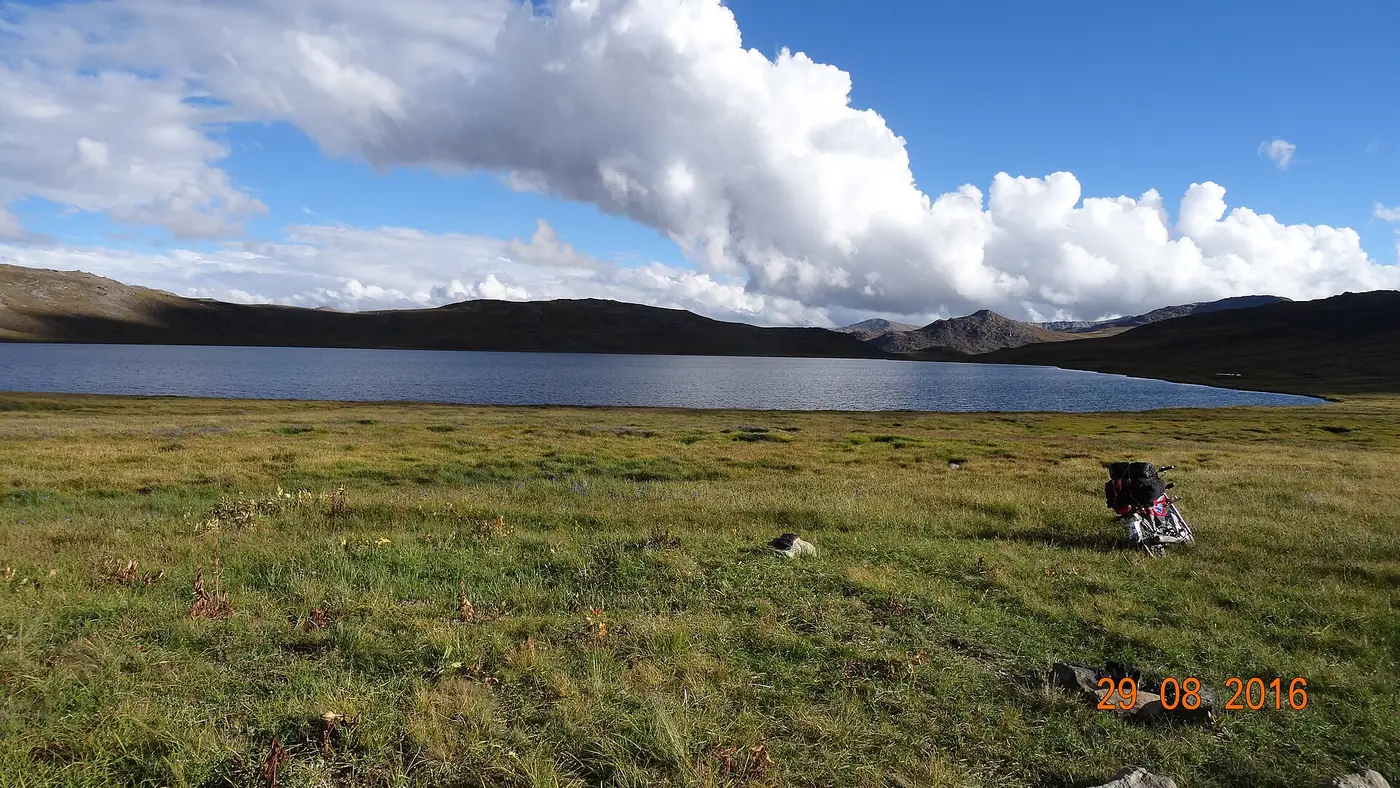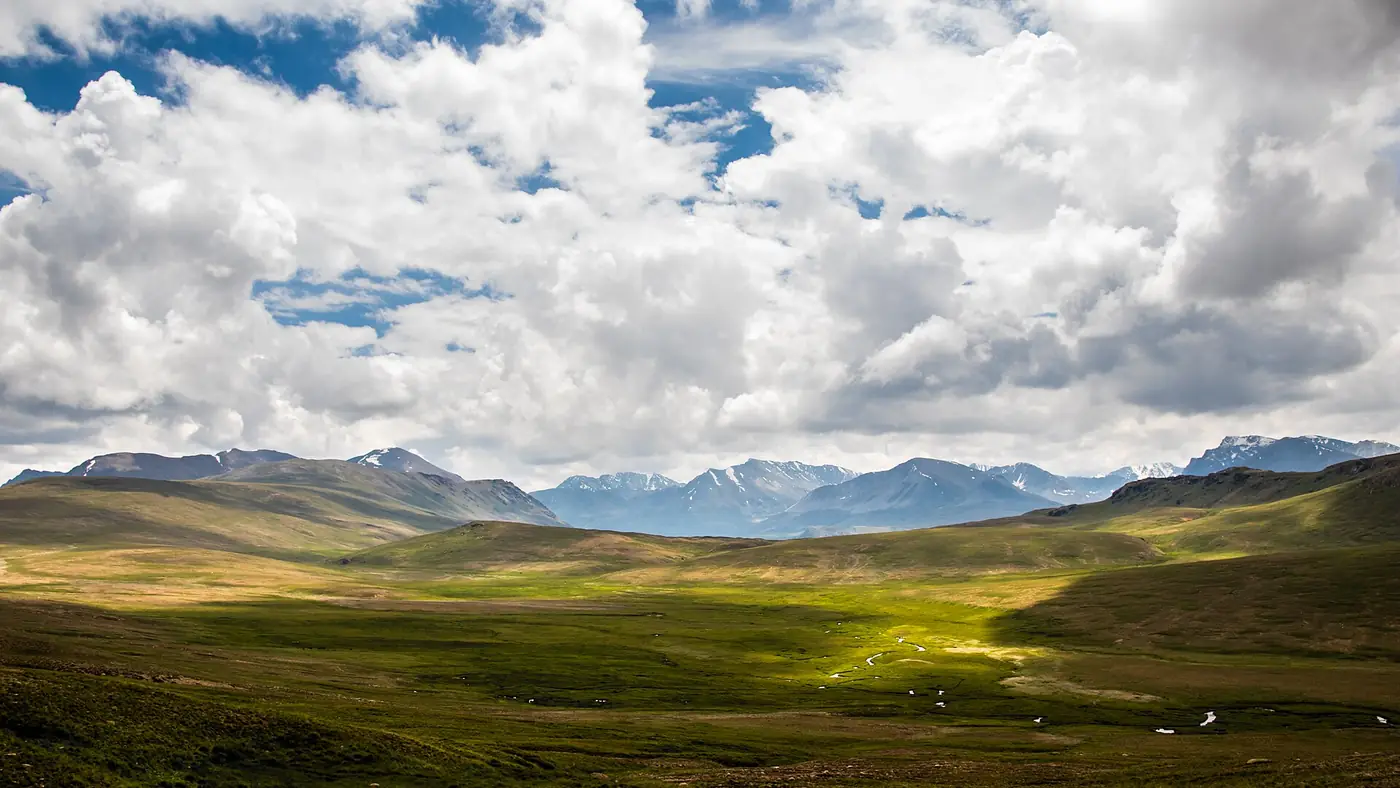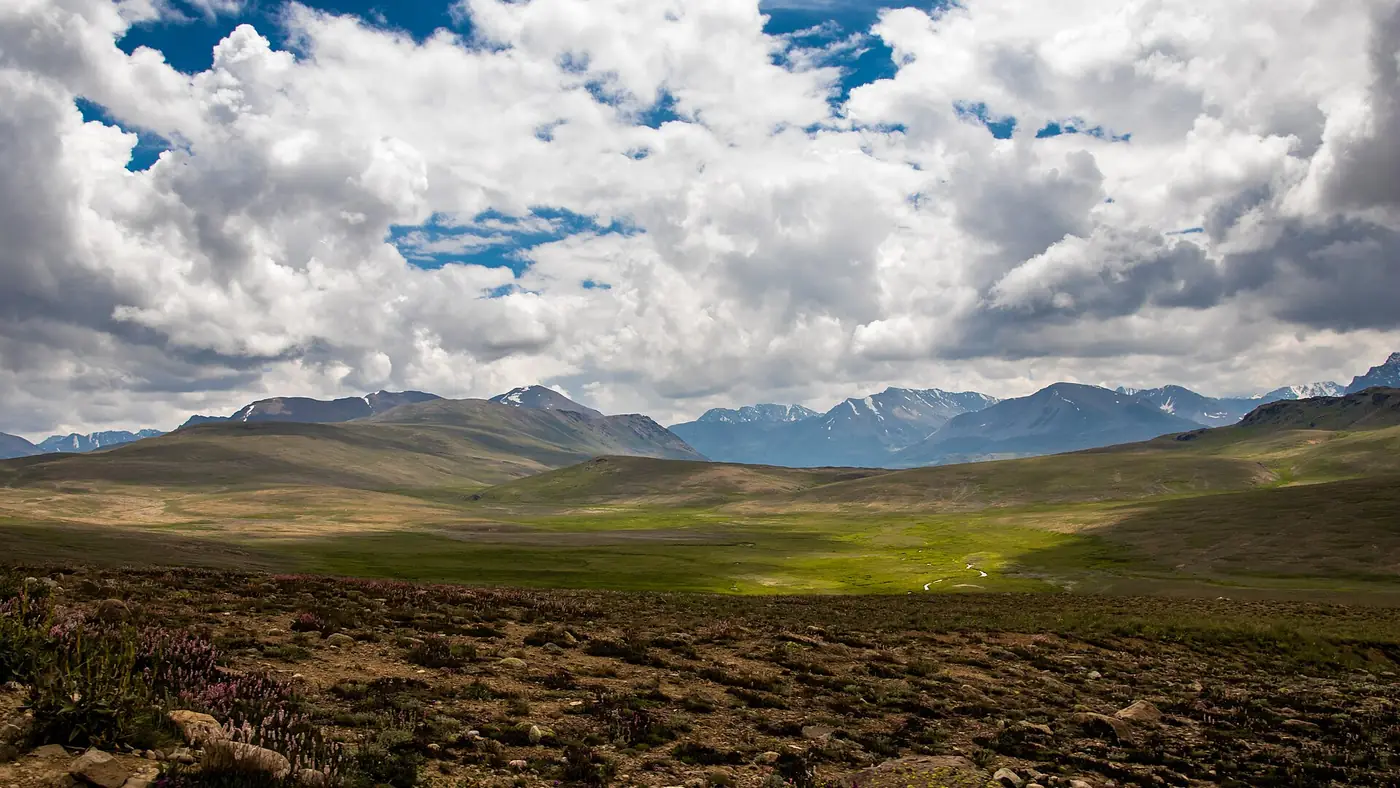
The best time to visit Deosai is from late June to mid-September, when the track is open and the plateau is green. Within that window, July is the month for wildflowers, August for wildlife and long days, and early September for quieter days and steadier weather. June can still have snow on the ground, and October is a gamble on the first heavy snowfall.
The season on the plateau is short, and each part of it is different. This guide goes through it month by month, then looks at the time of day and at which month suits which kind of trip.
| At a glance | |
|---|---|
| Open for visitors | Roughly June to October, depending on snow |
| Best overall | Mid-July to mid-September |
| Wildflowers | Late June to early August, at their fullest in July |
| Brown bears | Active all season; early morning and late afternoon are best |
| Busiest | July and August, especially school holidays and long weekends |
| Quietest open months | Early June, September and October |
| Main weather risk | Heavy monsoon rain in July and August; snow from October |
How long is the Deosai season?
Deosai sits at an average of 4,114 metres and is under snow for more than half the year. In a typical year the track from Skardu opens to visitors some time in June and closes with the first heavy snowfall, usually in October. That gives roughly four months, and the dependable part of it is shorter: from late June to mid-September.
The exact opening and closing dates change every year. If your dates are near either end of the season, read our guide to whether Deosai is open or closed and how to check before you leave Skardu.
| Month | What the plateau is like | Best for |
|---|---|---|
| June | Opens some time in the month; snow patches, wet track, lakes thawing | Green grass, fewer people, if the road is open |
| July | Flowers at their fullest; the busiest month | Wildflowers, families in the holidays |
| August | Flowers fading, grass turning; bears feeding hard | Wildlife, long days |
| September | Quieter, colder nights, more settled weather | Calm days, photography, the full crossing |
| October | Open until the first heavy snow | Only with flexible plans |
| November to May | Closed by snow | Skardu valley instead |
June: the plateau wakes up
June is when Deosai comes out from under the snow. The opening date depends on how much snow fell in winter and how fast it melts, and in a heavy year the track may not be open until the middle of the month. Early in the season there are still drifts beside the road, the ground is waterlogged, and the lakes may still be partly frozen.
What you get in return is the plateau at its greenest and quietest, before the summer traffic. Bears are already out of hibernation. The first flowers appear towards the end of the month.
The risk is that you arrive in Skardu to find the road still closed. If June is your only option, keep a spare day and have a plan for the valley if Deosai is not ready.
July: the wildflower month
July is when most people picture Deosai: the grassland covered in flowers, with streams running through it and snow still on the surrounding peaks. Pink knotweed, yellow saxifrage and dozens of other alpine flowers come out together, and in a normal year the display is at its fullest through July. In a late year it runs into early August.
It is also the busiest month, with the school holidays bringing families up from the plains. Leaving Skardu early puts you on the plateau ahead of most of the day's traffic.
The other thing to know about July is the monsoon. In late July 2025 heavy rain brought landslides down onto the road between Sadpara and Deosai, and hundreds of tourists were stranded overnight until the army cleared it. In late July 2026 the Sadpara stream overflowed and washed away a section of the road, closing the route across Deosai. If heavy rain is forecast for Skardu, put Deosai on a different day.
August: bears and long days
By August the flowers are fading and the grass starts to lose its bright green. Why go? For the wildlife, and for long, usually mild days on the plateau.
Himalayan brown bears are active through the whole season, and like all brown bears they spend late summer eating as much as they can before they go into their dens around October. They feed mostly early in the morning and again later in the afternoon, so a dawn start from Skardu gives the best chance of seeing one, usually at a distance across the grass. There is no guarantee in any month.
Golden marmots are everywhere in August, and you may see birds of prey such as golden eagles and lammergeiers overhead. Our Deosai National Park guide covers the park's wildlife and how to watch it safely.
The first half of August is still busy, with holiday traffic and the 14 August holiday. The monsoon risk carries on through the month, so the same rule applies: watch the forecast and don't drive up in heavy rain.
September: the calm end of the season
September is the month for people who want the plateau to themselves. The schools are back, the crowds thin out quickly, and after the monsoon the weather usually settles into clearer, more stable days.
The trade-off is temperature. Nights on the plateau are cold by September, and the wind has an edge to it even in the middle of the day. The flowers are over, and the grass is turning from green to gold and brown, which some photographers prefer, and the low light in the morning and evening suits it.
Early to mid-September is also a good time for the full crossing from Skardu to Astore, when the track has usually dried out after the rains and the days are still long enough. By late September, start earlier and carry more warm clothing.
October and after
Deosai stays open into October until the first heavy snowfall closes it, most often around the middle of the month. Some years it is open into the last week, and some years it closes in the first. A snowfall can shut the track with little warning, and people have been caught out: in November 2024 a group of 14 local travellers in two vehicles was stranded on the Deosai road for more than 29 hours in heavy snow.
Visit in October only if your plans can bend. Go early in the day, turn back if the weather changes, and don't try the crossing to Astore late in the season. From November to May the plateau is closed to visitors, and Skardu's valleys, lakes and orchards are the trip instead.
Morning or afternoon? Timing your day on the plateau
Whatever the month, the time of day matters almost as much.
- Leave Skardu early, around 7 in the morning. You reach the rim of the plateau before the traffic, in the hours when bears are most likely to be feeding.
- Spend the middle of the day on the plateau, walking out along the streams or across to Sheosar Lake if you are going that far.
- Start back by mid-afternoon. The track is slow, and the descent to Sadpara is not somewhere to be driving in the dark or in a storm.
How long the drive takes, stage by stage, is in our Skardu to Deosai route guide.
One more thing affects timing now. Night camping on the plateau was banned after a bear attack in September 2025, and seasonal hotels inside the park were banned from the 2026 season. For most visitors Deosai is therefore a day trip or a one-day crossing, whatever the month.
Which month suits your trip?
For flowers and the classic picture, go in July, early in the day, and accept the crowds.
For families with children in the school holidays, July and early August are the realistic choice. Go on a weekday rather than a weekend if you can, and keep a spare day in Skardu in case rain closes the road.
For wildlife, any month in the season works, but August and early September combine active bears with fewer people. What matters most is being on the plateau early.
For calm, photography and the crossing to Astore, early to mid-September is the best time to visit Deosai.
If you can only travel in spring or late autumn, don't build the trip around Deosai. Shangrila, Upper Kachura, Katpana and Shigar are open far longer.
If you are deciding when to visit Gilgit-Baltistan as a whole, our guide to the seasons in the north sets Deosai alongside the blossom, the autumn colour and the high passes. Our seven-day Skardu and Deosai trip runs in the summer window and keeps a spare day for weather.
Frequently asked questions
Which month is best for Deosai?
July for the wildflowers, and early to mid-September for quiet days and more settled weather. Mid-July to mid-September is the most reliable part of the season.
When do the flowers bloom in Deosai?
The first flowers appear towards the end of June, the display is at its fullest in July, and it fades through August. After a heavy winter, everything runs later.
Can I visit Deosai in May or June?
May is almost always too early, because the plateau is still under snow. June is possible once the road opens, which can be early or late in the month, so keep a spare day.
Is Deosai worth visiting in September?
Yes, if you value quiet over flowers. The flowers are over, but the crowds are gone, the weather is usually steadier after the monsoon, and the light is clear. Nights are cold, so pack for it.
Can I see bears in Deosai in August?
You may, and August is a good month for it, but no month guarantees a sighting. Go early in the morning or later in the afternoon, and watch from the vehicle.
Is Deosai open in October?
Usually for part of the month, until the first heavy snowfall closes the track. That is most often around mid-October, so check the road in Skardu the evening before.