Shakarparian is a range of low, forested hills in south-east Islamabad, at around 609 metres, covering more than 350 acres and giving some of the widest views in the city. Entry is free and it is open year-round. Most visitors know it as the site of the Pakistan Monument, but the hills themselves are worth a stop on their own: viewpoints, jogging tracks through the trees, an arboretum of trees planted by visiting heads of state, and picnic lawns that stay quieter than the crowds around the monument.
This guide covers the walks and viewpoints of Shakarparian itself, separately from the monument and museums that sit on the same hills.
| At a glance | |
|---|---|
| Where | South-east Islamabad, near the Zero Point interchange |
| Height | About 609 m, roughly 350 acres of hilltop parkland |
| Entry | Free |
| Best for | City views, a quiet walk, a picnic |
| Nearby | Pakistan Monument, Lok Virsa Heritage Museum, Pakistan Museum of Natural History |
| Best time | Late afternoon into sunset, or a cool morning |
What Shakarparian is
Shakarparian is a park built across two hills on the way from central Islamabad towards Rawalpindi, near the Zero Point interchange, and it is one of the largest public parks in the capital. Unlike Daman-e-Koh, which is a single viewpoint reached by road, Shakarparian is a spread of terraced gardens, jogging tracks and open lawns, with the Pakistan Monument, its museum, and Lok Virsa's Heritage Museum built into the same hilltop.
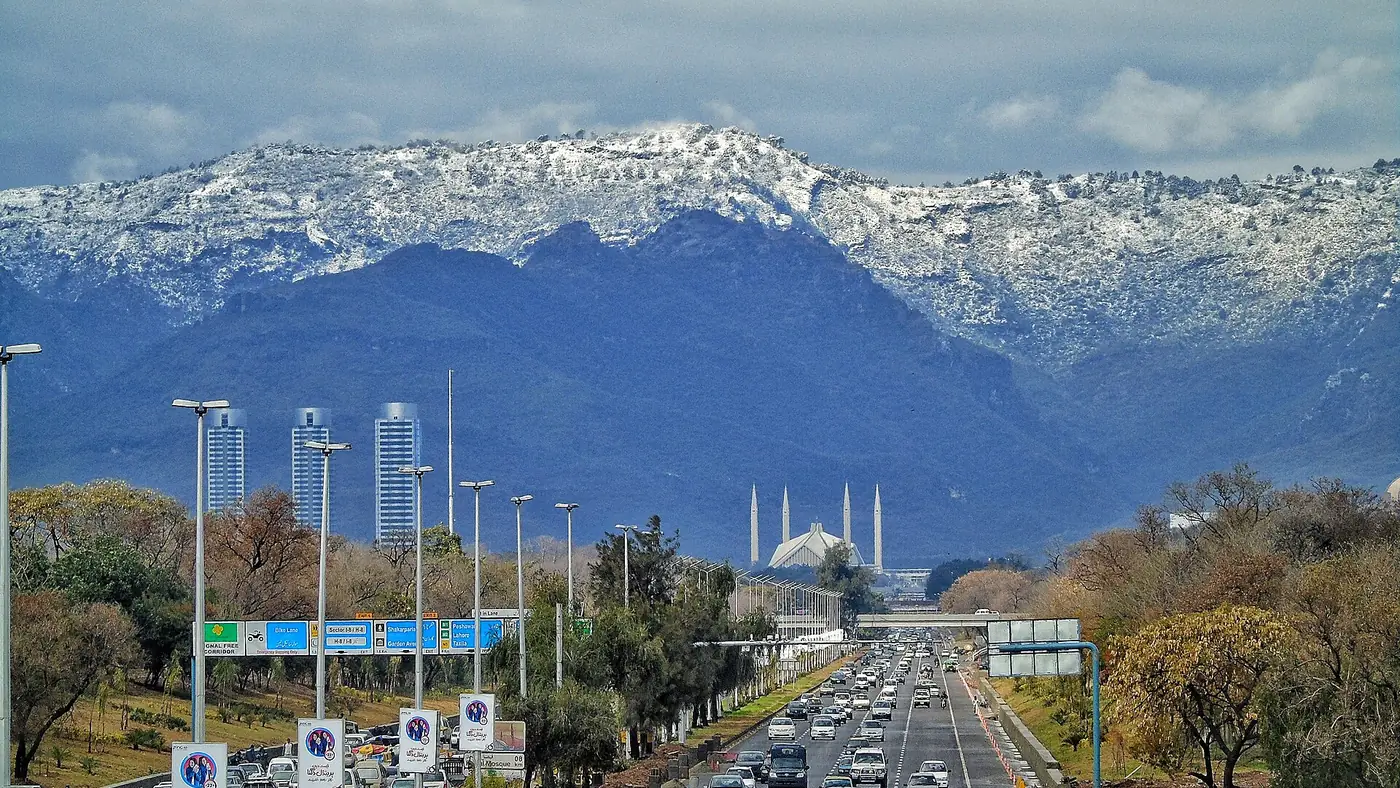
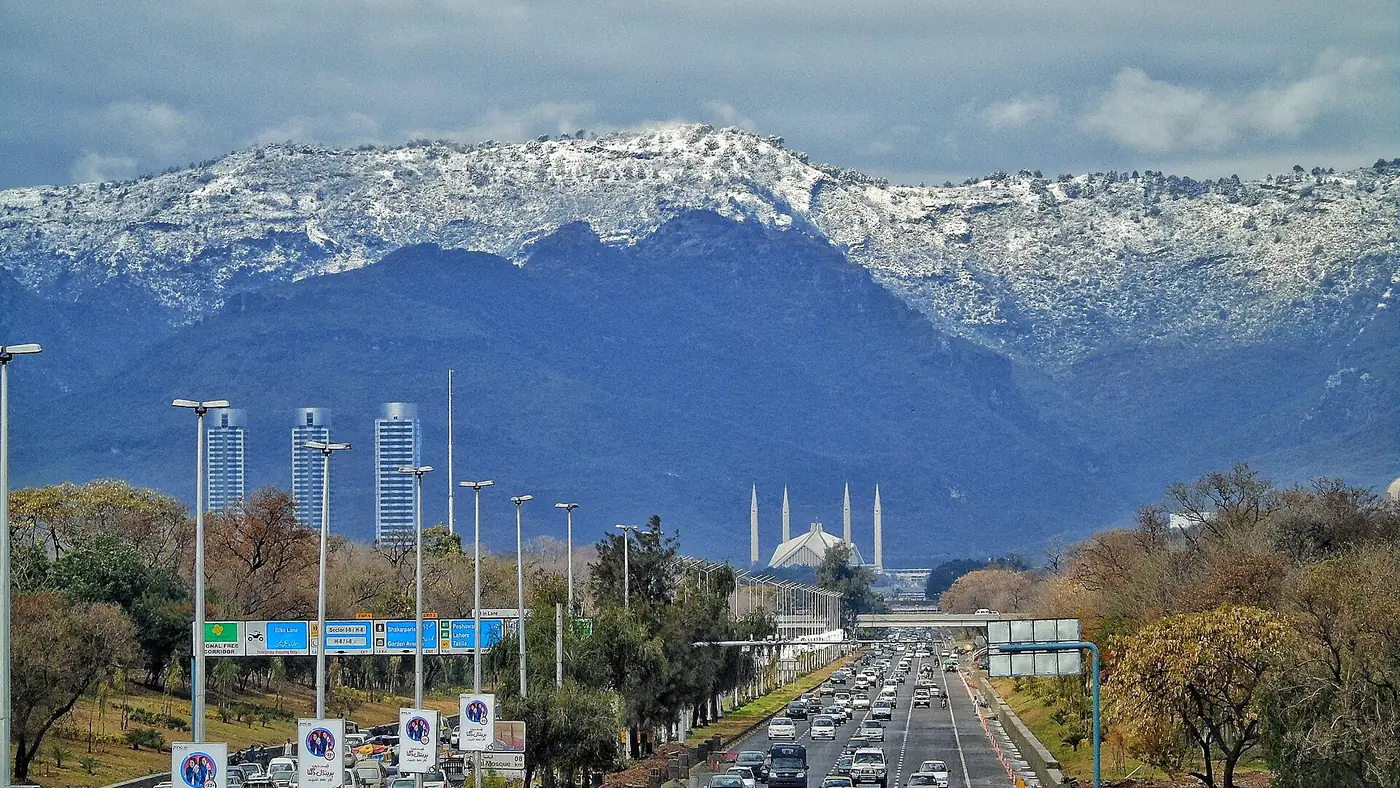
The park has two main viewpoints, one at each end of the hill, both looking out over Islamabad and Rawalpindi with the Margalla Hills as a backdrop on a clear day.
The viewpoints
From the terraced high ground you can pick out Faisal Mosque, the sprawl of Rawalpindi beyond the park, and, in good visibility, the line of the Margalla Hills behind the city. One viewpoint sits close to the Pakistan Monument itself, and gets the crowds that come for the monument; the other, a short walk further along the ridge, is quieter and better for a few minutes of just looking at the view without anyone else's photograph in the frame.
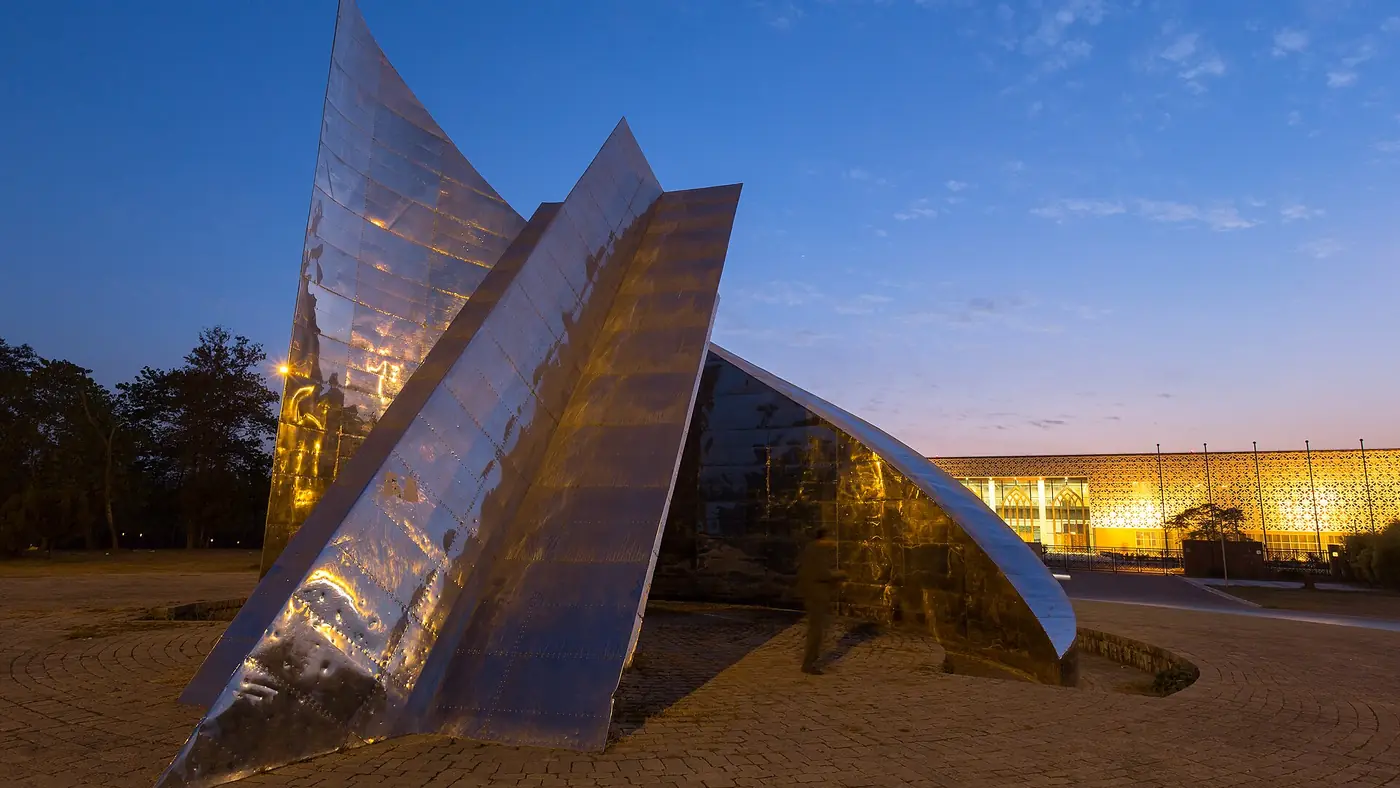
Late afternoon into sunset is the best time for the light, and the same warm hour that makes the Pakistan Monument worth staying for after dark, since it is lit at night, also works well from the open viewpoints nearby.
The arboretum: trees planted by heads of state
One corner of Shakarparian holds a small, planted garden where visiting heads of state, kings, presidents and prime ministers, have planted trees over the decades as part of official visits to Pakistan. It is a quiet, easy stop rather than a major attraction, worth a few minutes if you are already walking the hill, with small markers by some of the trees noting who planted them and when.
Walking and jogging tracks
Shakarparian's paths run through pine and eucalyptus plantings across both hills, well used by Islamabad residents for an early jog or an evening walk rather than by tourists specifically. They are gentler and flatter than the numbered Margalla trails on the other side of the city, and suit anyone who wants some green space and a bit of a climb without committing to a proper hike. Our guide to every Margalla Hills trail covers the steeper, more demanding routes on the other side of Islamabad if that is what you are after instead.
Picnic lawns
Away from the monument and the museum entrances, Shakarparian has open grass and shaded spots under the trees that work well for a family picnic, quieter than the crowds that gather right around the monument steps. Bring your own food, since there are no reliable food stalls scattered through the park itself; the museum area, closer to Lok Virsa, is where the nearest catering tends to be.
Rose and Jasmine Garden
Downhill to the east of Shakarparian is the separate Rose and Jasmine Garden, a large planted garden with around 250 rose varieties and roughly 150 kinds of jasmine, at its best when the roses are in bloom in spring, when the CDA also runs its annual flower show there. It is free to enter and keeps daytime hours, and makes a natural add-on if you are already spending time on the Shakarparian hills, a short walk or drive from the viewpoints above.
Combining it with the Pakistan Monument and museums
Because the monument and two of Islamabad's best museums sit on the same hilltop, most people visit Shakarparian as part of that stop rather than on its own. A sensible order is the museum or monument first, while the light is still good for photographs inside, then a walk to the quieter viewpoint and the arboretum before leaving. Our Pakistan Monument guide covers the monument's own timings and ticket prices, and our Lok Virsa guide covers the Heritage Museum next door.
Getting there
Shakarparian is close to the Zero Point interchange in south-east Islamabad, a short drive from most of the city and reachable by ride-hailing apps without difficulty. If arriving by public transport, get off at the Zero Point stop and follow the path up the hill, a walk of about 20 minutes to reach the main viewpoints. There is parking near the monument and museum entrances, busier on weekends and public holidays.
Who Shakarparian suits
Shakarparian suits anyone who wants a view over both cities without the drive up to Pir Sohawa, or a quiet walk and picnic that doesn't need booking or an entry fee. It works well combined with the monument and museums, and on its own as a short stop for the view and some green space between other plans in the city.
It suits people less well if they are looking for a proper hike: the paths here are gentle park walking rather than the steeper, longer trails on the Margalla side of the city. For those, see our comparison of every Margalla Hills trail. For the rest of the capital's sights, our guide to places to visit in Islamabad covers where else to go, and if Islamabad is part of a longer trip north, tell us your dates.
Frequently asked questions
Is there an entry fee for Shakarparian?
No, the park itself is free. The Pakistan Monument Museum and Lok Virsa Heritage Museum on the same hilltop charge separate entry fees.
What can you see from the Shakarparian viewpoints?
Faisal Mosque, the spread of Rawalpindi, and on a clear day the line of the Margalla Hills behind Islamabad. One viewpoint sits near the Pakistan Monument; a second, quieter one is a short walk further along the ridge.
Is Shakarparian the same as the Pakistan Monument?
No. Shakarparian is the hilltop park; the Pakistan Monument and its museum are one set of attractions built within it, alongside the separate Lok Virsa Heritage Museum.
Is Shakarparian good for a picnic?
Yes. The open lawns and shaded ground away from the monument entrance are quieter than the crowds around it, though there are few food stalls inside the park itself, so bring your own.
How do I get to Shakarparian without a car?
Public buses stop near the Zero Point interchange, from where a path leads up the hill to the main viewpoints in about 20 minutes on foot. Ride-hailing apps can also drop you closer to the monument entrance.
What is the Rose and Jasmine Garden?
A separate garden downhill from Shakarparian's main hills, with around 250 rose varieties and 150 kinds of jasmine, free to enter and at its best when the roses bloom in spring.