The places to visit in Ghizer lie along one long road west of Gilgit and two side valleys off it. On the main road are Khalti Lake near Gupis, the Phander valley and its lake, the Handrap valley just beyond, and the Shandur Pass at the far end. Off it, the Ishkoman valley runs north from Gahkuch and the Yasin valley north from Gupis. Allow three to four days from Gilgit for the main road, and a day more for each side valley.
Officially, Gupis, Phander and Yasin have made up a separate Gupis-Yasin district since 2019, but almost everyone still calls the whole valley Ghizer, and so do we. This guide takes each place in turn, with how far it is, what it is like and how long to give it.
| Place | From Gilgit | Best for | Time to allow |
|---|---|---|---|
| Ishkoman valley | About 95 km to Chatorkhand, 3 to 4 hours | Quiet villages, walking | A night |
| Khalti Lake | About 120 km, 3 to 4 hours | A roadside lake, trout | An hour, or a night |
| Yasin valley | About 135 km, about 4 hours | Orchard villages, Lalak Jan's memorial | A night |
| Phander valley | About 170 km, 5 to 6 hours | A deep blue lake, walks, quiet | Two nights |
| Handrap | Beyond Phander, then about 4 hours on foot | A high lake, fishing | A long day or a camp |
| Shandur Pass | About 216 km, 7 to 9 hours | The pass, lake and polo ground | Half a day from Phander |
Khalti Lake and Gupis
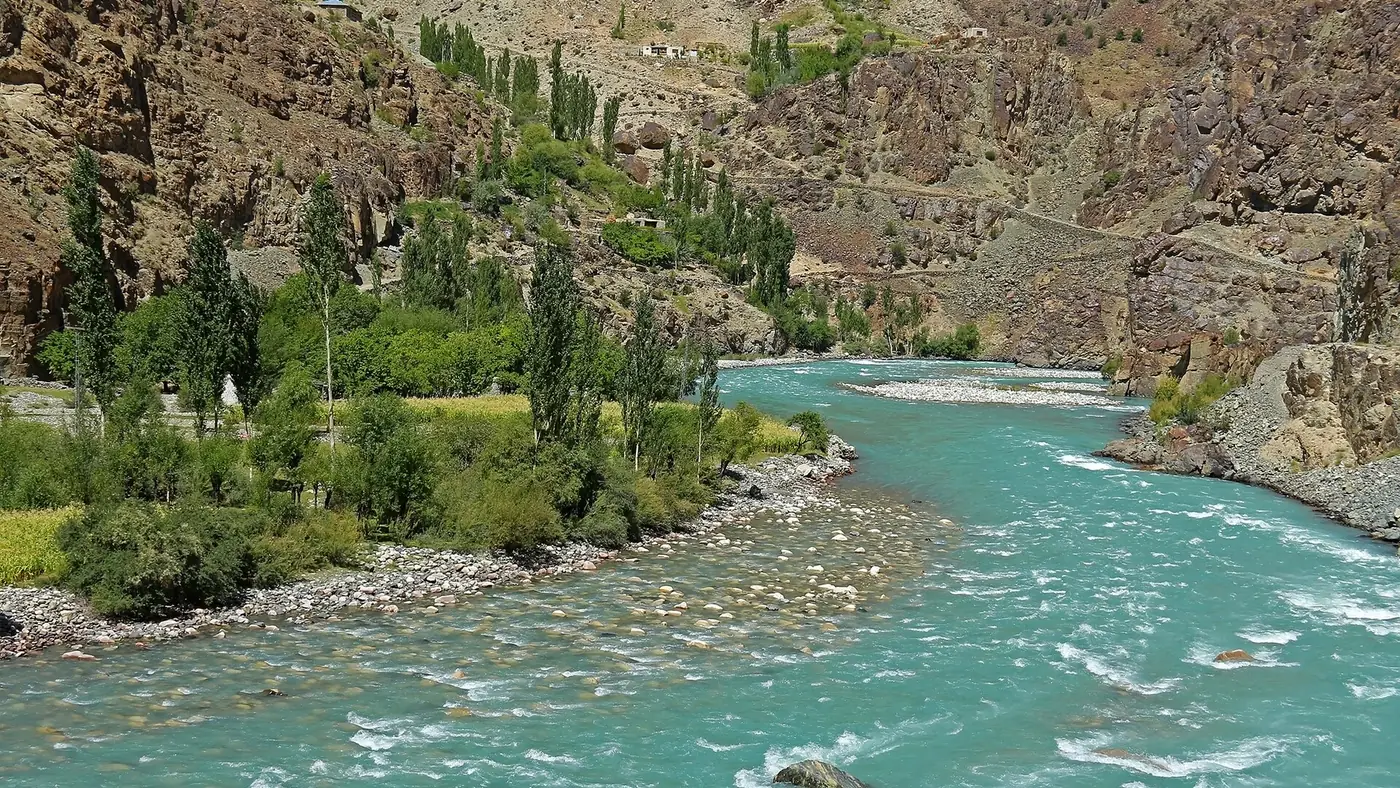
Khalti Lake, at 2,217 metres, is the first of Ghizer's lakes and the easiest to see. It lies right beside the road about 10 km beyond Gupis, a long blue-green lake in a bend of the Ghizer river, with fields and poplars along parts of the shore. Most people stop for an hour on the way up the valley; a night there lets you see it still at dawn. In a cold winter it freezes hard enough for ice hockey.
Gupis itself is a small town with a bazaar and a fort built in 1894, and the junction for the Yasin valley. It makes a useful overnight stop if you are splitting the drive or heading up to Yasin.
Our Khalti Lake guide covers the lake through the seasons, the trout and where to stay.
Phander valley
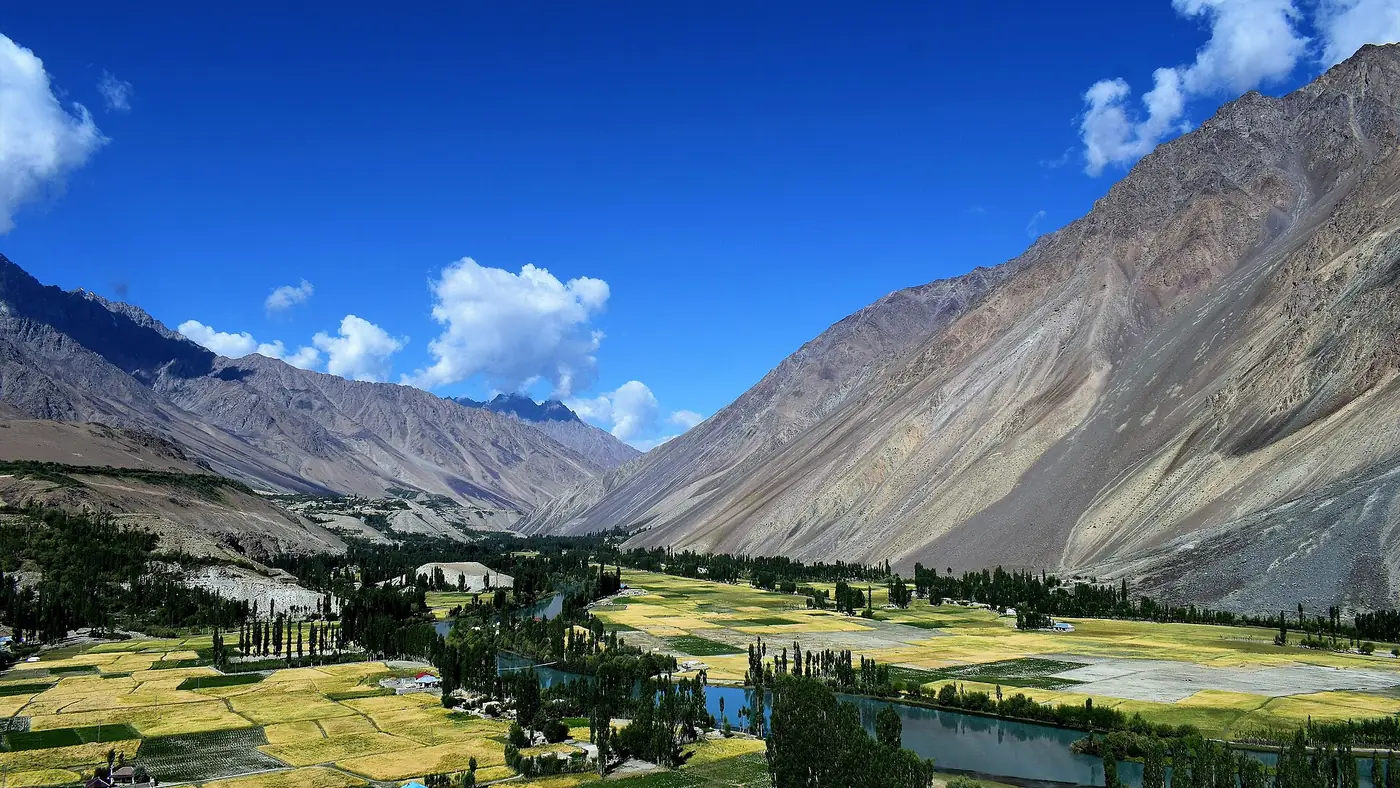
For most visitors, Phander is the heart of a Ghizer trip. About 170 km from Gilgit, the valley opens out into a broad, green floor where the river splits into braided channels, and Phander Lake, small, deep and dark blue, sits beside the road at about 2,900 metres.
There is little to do in the busy sense: walks along the fields and river channels, an evening by the lake, fried trout for dinner. That is exactly its appeal. It is the natural base for the upper valley, with a handful of hotels and guesthouses, and an old PTDC motel above the lake that is worth checking on before you book, since government tourism properties in the region were leased out in 2024.
Give it two nights at least, because it takes most of a day to get there. Our Phander valley guide covers the lake, the trout and the places to stay.
Handrap valley and lake
Beyond Phander, before Teru, a bridge crosses the river to Handrap village, at the foot of the Handrap valley. The lake at its head, Handrap Lake, is at about 3,285 metres, and most accounts put it about four hours' walk from the village along the valley. It has a long reputation among anglers for its trout.
This is a trip for fit walkers in summer, roughly June to September, when the path is clear and the lake is not frozen. Take local advice on the path and the weather, go with someone who knows the way, and either start at dawn or camp. It is not a casual detour from the road.
Yasin valley
The Yasin valley runs north from Gupis, about 20 km up a side road to Yasin town, around four hours from Gilgit in all. It is a long, fertile valley of villages and orchards, with Burushaski and Khowar the main languages, and it feels quite separate from the main Ghizer road.
Things to see:
- Hundur, a short drive from Yasin town, the home village of Havaldar Lalak Jan, who was awarded the Nishan-e-Haider for his part in the Kargil fighting of 1999. His grave and memorial are in the village.
- The villages up the valley, such as Taus, Sandi and Thoi, with their orchards and fields.
- Darkot, at the head of the valley, the last village below the Darkot Pass, which at about 4,570 metres is the trekking route towards Broghil and the Wakhan.
A night in Yasin town or nearby is enough for most visitors. Trekkers heading for the high passes need several days and a local guide.
Ishkoman valley
The Ishkoman valley turns north off the main road at Gahkuch, about 70 km from Gilgit, and runs up towards the Afghan border and the Wakhan. Chatorkhand, the largest settlement and the tehsil headquarters, is about 25 km up the valley, at around 2,100 metres, with a small bazaar, green fields along the river and simple places to stay.
Beyond Chatorkhand the road continues north through smaller villages towards Imit. The valley is mostly visited for quiet village walks and for trekking, which is gentler here than in much of Gilgit-Baltistan. At its far end, inside Qurumbar National Park, Karambar Lake lies at 4,272 metres, one of the highest large lakes in the country, and a multi-day expedition rather than a side trip. The upper valley approaches the Afghan border, and the UK advises against all travel within 10 miles of it, so trekkers heading that way should check with the local authorities first.
Floods hit Ishkoman in August 2026, when a flash flood at Mayon blocked the river, flooded the village of Hasis and cut the Ghizer–Ishkoman road. Check the state of the road in Gahkuch before heading up.
Shandur Pass
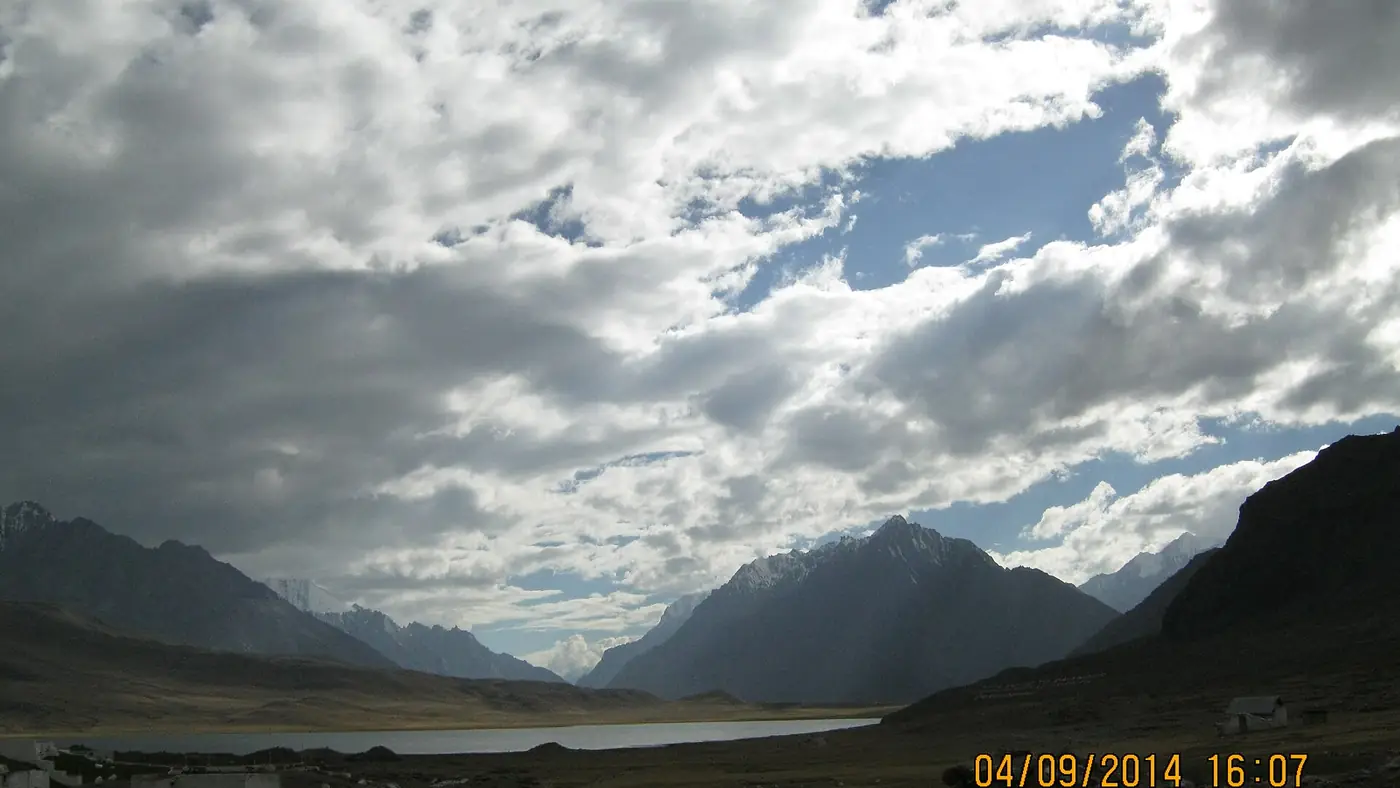
The road ends, for Ghizer, at the Shandur Pass, about 216 km from Gilgit and roughly 50 km beyond Phander. At about 3,700 metres, it is a wide, grassy plateau with Shandur Lake and the polo ground where the famous festival is held, usually open to vehicles from about June to September or October.
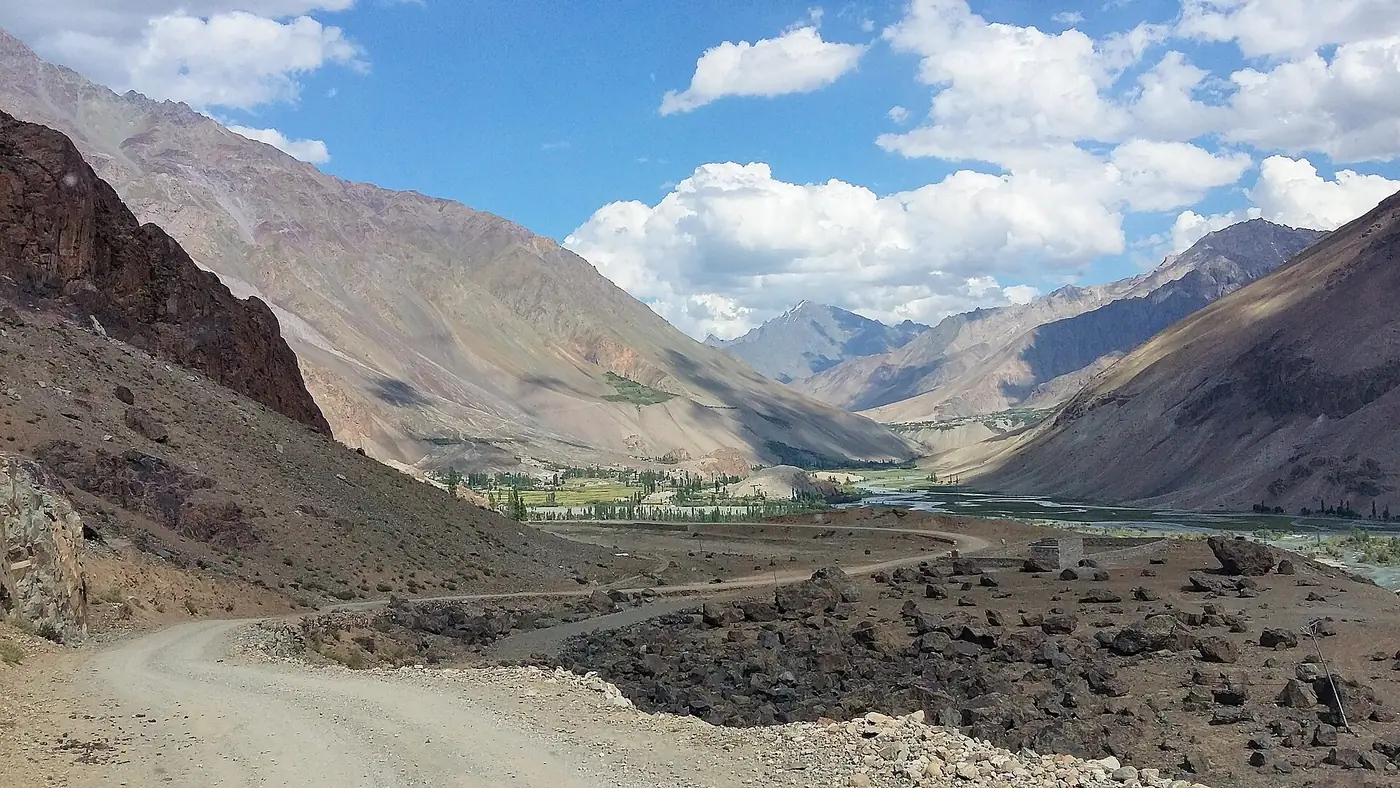
From Phander it makes a long half-day or full day out, two to three hours each way on a rougher road through Teru and Barsat. Beyond it the road drops into Chitral. Our guide to the drive from Gilgit to Shandur covers the road, the season and the crossing.
How many days do you need?
A sensible shape for a first visit:
- Three days from Gilgit covers the main road: Khalti on the way up, two nights in Phander, and back to Gilgit on the third day.
- Four or five days adds either Shandur as a day out from Phander, or a night in Yasin or Ishkoman on the way.
- A week lets you see both side valleys and still have a spare day for the road, or cross Shandur to Chitral in summer.
The road from Gilgit is narrow and slow, and floods closed parts of it in both 2025 and 2026, so keep a spare day on any Ghizer trip. If you would like us to shape the route and work out the driving, send us your dates through our trip planning page.
Who Ghizer suits
Ghizer suits travellers who have done the busier parts of Hunza, or who want quiet, open country and are happy with simple rooms and long drives. Photographers, anglers and couples tend to get the most from it, especially in September and the second half of October.
It suits people less who want comfortable hotels, restaurants and a lot to do. There are no big resorts, signal is patchy, power cuts are common, and most days involve hours in the car. For a first trip to the north with children or older parents, Hunza is easier. Ghizer is better as a second trip, or as a detour of three or four days from Gilgit. Our round-up of the best lakes in Pakistan shows how Khalti and Phander compare with the better-known lakes elsewhere.
Frequently asked questions
What is Ghizer famous for?
Its lakes, especially Khalti and Phander, its trout, and the Shandur Pass with its polo ground at the western end of the valley. It is also known for being quieter than Hunza or Skardu.
How far is Ghizer from Gilgit?
Gahkuch, the district headquarters, is about 70 km and two hours from Gilgit. Gupis is about 113 km, Phander about 170 km, and the Shandur Pass about 216 km.
Which is better, Phander or Khalti Lake?
They are on the same road, so most people see both. Khalti is closer and makes a good stop or day out; Phander is further, with a broader valley and more places to stay, and suits a stay of two nights.
How many days are enough for Ghizer?
Three days from Gilgit covers Khalti and Phander. Allow four or five to add Shandur, Yasin or Ishkoman, and a week to see all of them without rushing.
Can you visit Ghizer in winter?
The valley is lived in all year, and Khalti Lake freezes for winter sports in some years, but most guesthouses close and the Shandur Pass is shut by snow. Late spring to autumn is the time for a normal visit.
Is Ghizer safe for tourists?
The main valley is not on the UK's list of areas to avoid, though the far upper ends of Ishkoman and Yasin approach the Afghan border, where it advises against all travel. The everyday risks are natural: floods, landslides and a narrow road, so check the road before setting off.