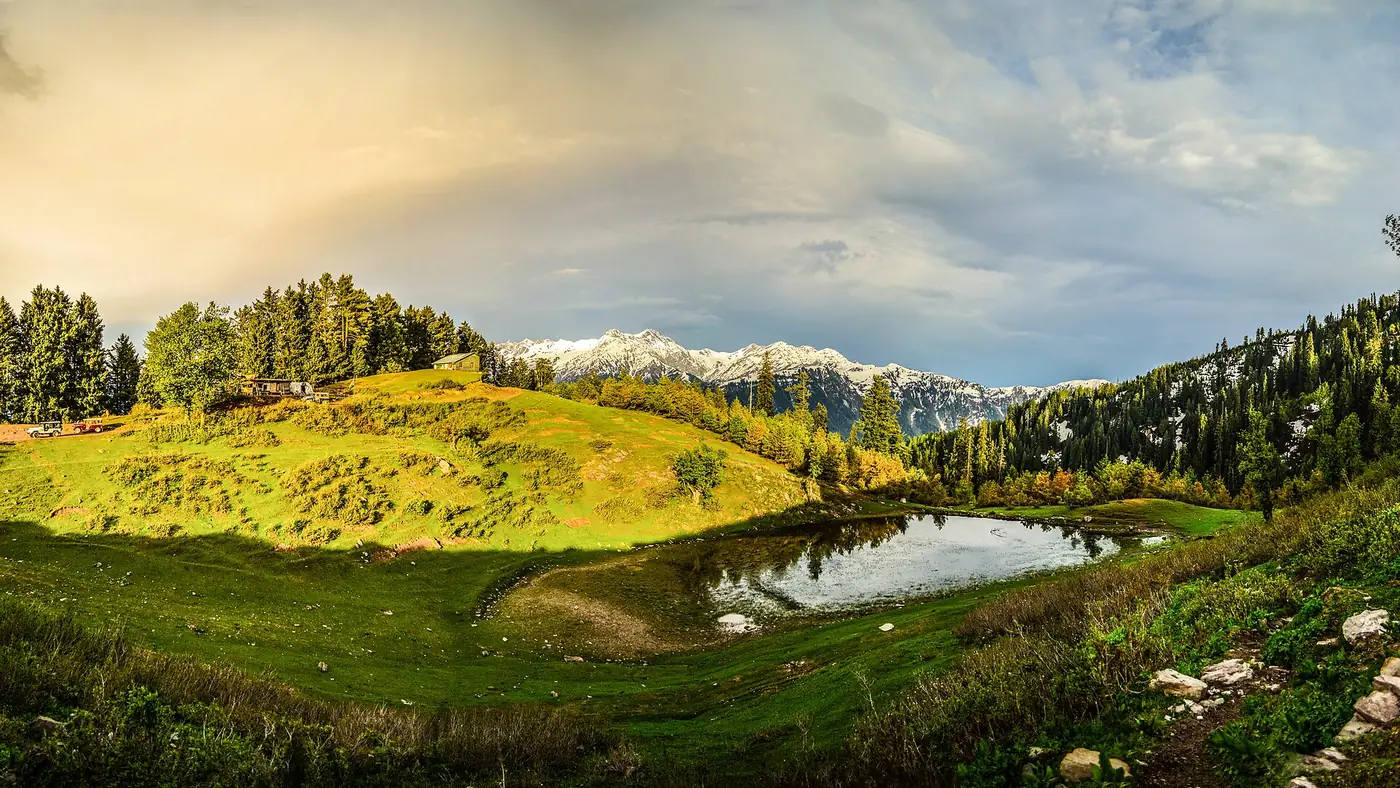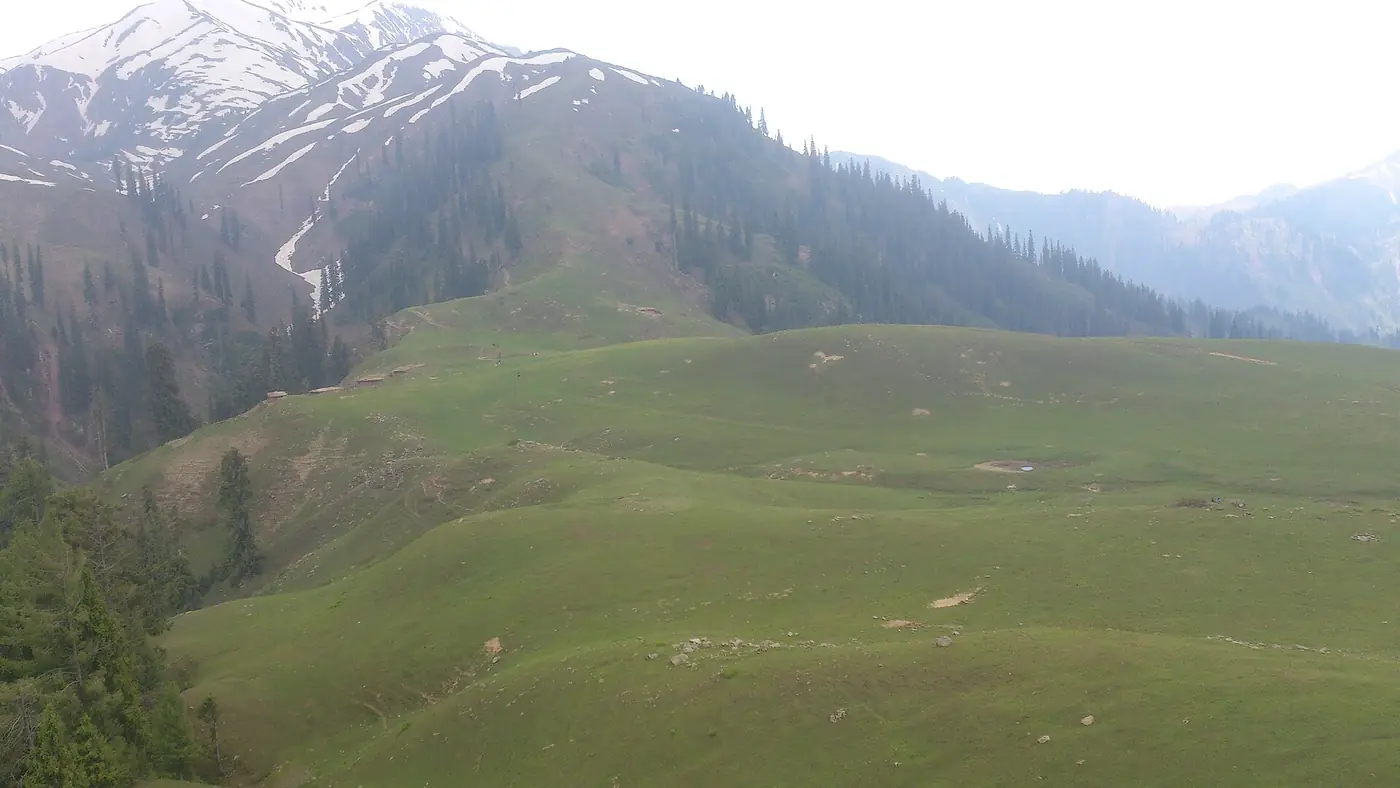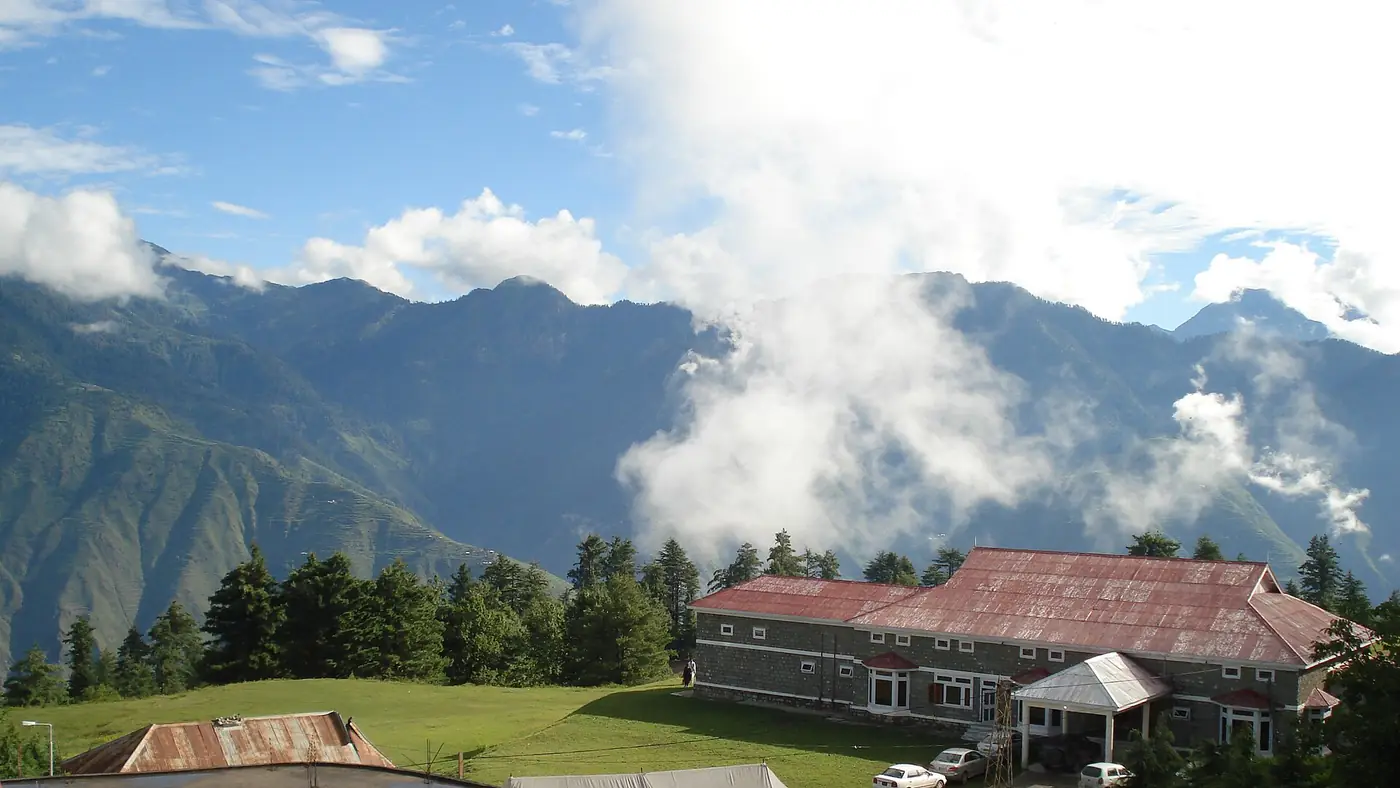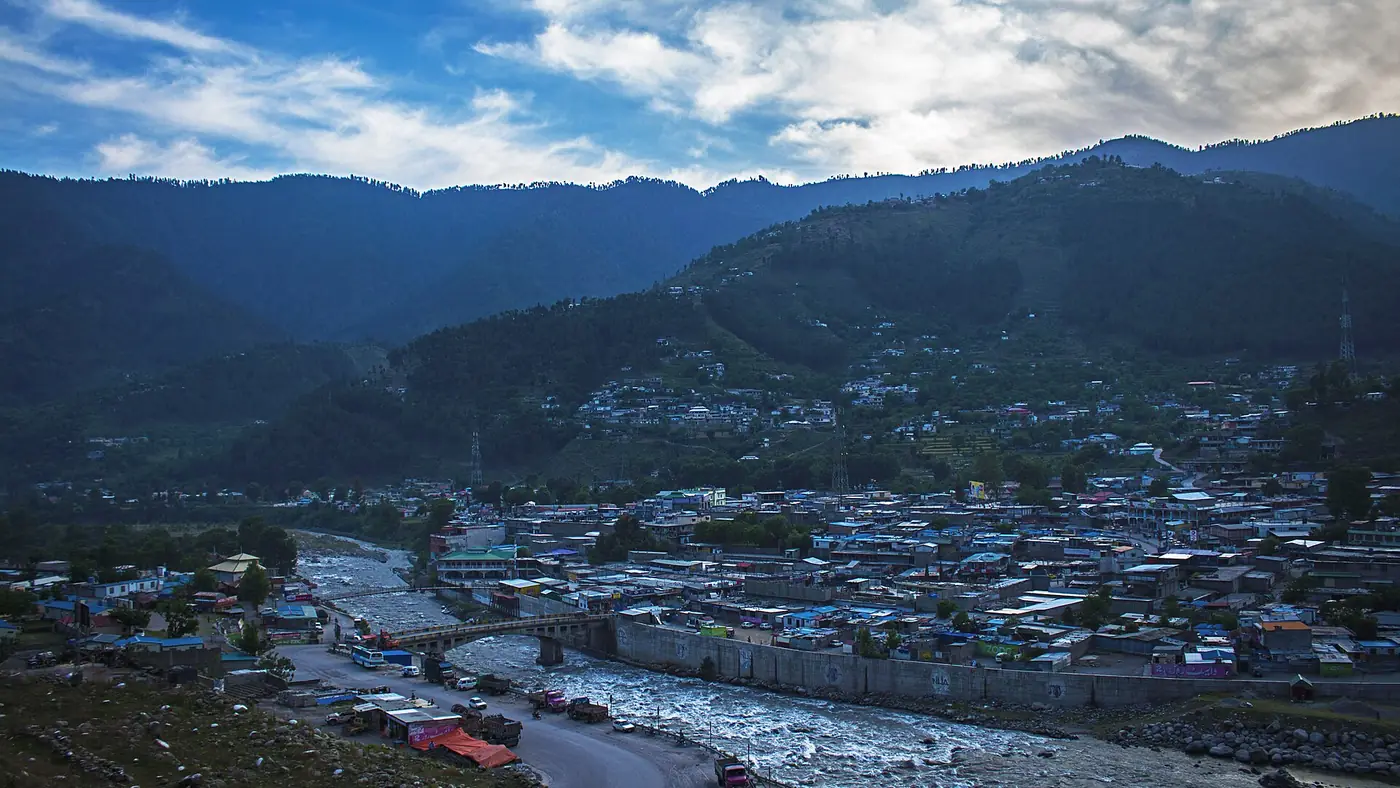
Balakot is the market town at the foot of the Kaghan Valley, on the Kunhar River about 39 km above Mansehra and roughly 160 km from Islamabad. The places to visit in Balakot are few and close together: the river running through town, the shrine of Syed Ahmad Shaheed and Shah Ismail Shaheed across the Ayub Bridge, and a town rebuilt after the 2005 earthquake, with Kiwai and Shogran within an hour's drive. Most people give it an hour on the way to Naran. It earns a night if you are driving up from Lahore or Karachi.
This guide covers what there is to see in and around the town, its history, and when breaking the journey here makes the trip easier.
| At a glance | |
|---|---|
| Where | Mansehra district, KP, on the right bank of the Kunhar |
| Altitude | A little under 1,000 m |
| From Islamabad | About 160 km, around four hours in normal traffic |
| From Mansehra | About 39 km |
| To Naran | About 82 km, usually 2.5 to 4 hours |
| Open | All year; the town sits well below the winter snow line |
| Good for | A night's stop, fuel, cash and supplies before the valley narrows |
Why stop in Balakot at all?
Balakot is where the Kaghan Valley road changes character. The motorway and the wide road from Mansehra are behind you, and from here the N-15 narrows and climbs beside the river for 82 km to Naran. On a quiet day that takes two and a half hours. After heavy rain, or behind summer weekend traffic, it can take four or more.
That makes Balakot the natural place to break the journey:
- From Lahore or Karachi, a night here turns one very long day into two manageable ones, and you drive the valley road in the morning, rested and in daylight.
- From Islamabad on a late start, stopping here is better than arriving in Naran after dark and looking for a room in a full town.
- For the lower valley, Balakot works as a base for Kiwai, Shogran and Siri Paye, which are all within about an hour.
- In winter, when Naran is closed, Balakot is the last full town below the snow, and the jumping-off point for Shogran.
It is also the last big bazaar. Fill the tank, take out cash and buy anything you have forgotten; the upper valley has patchy signal and few cash machines.
Our guides to driving from Islamabad to Naran and from Lahore to Naran cover the whole route, with timings for each stage.
The Kunhar riverside
The Kunhar runs straight through Balakot, wide, grey-green and fast. The Ayub Bridge, built in 1965, crosses it in the middle of town, and hotels and restaurants line both banks, many with terraces or windows over the water. Sitting over a cup of tea above the river is the main thing most visitors do here, and it is a pleasant hour after the drive.
What you cannot do any more is go down to the water. In July 2025, after the drownings in the Swat River, the Balakot administration removed encroachments along the Kunhar and sealed the riverside points near hotels where tourists used to sit with their feet in the water. In the monsoon of 2026 the Mansehra district administration went further and imposed Section 144, banning visitors from approaching the banks of the Kunhar and other rivers and streams in the district. Police were deployed along the river, and tourists who drove a pickup into the water near Naran were arrested.
Commercial rafting runs on stretches of the Kunhar in summer. If you go, use an established operator, check the helmets and life jackets before you get in, and don't book during a period when the district has banned river activity.
The shrine of Syed Ahmad Shaheed and Shah Ismail Shaheed
Balakot's place in history comes from a single day. On 6 May 1831, Syed Ahmad Barelvi, a religious reformer from what is now Uttar Pradesh, and his companion Shah Ismail Dehlvi were killed here with many of their followers, fighting a Sikh army under Sher Singh. Their campaign against Sikh rule in the north-west had lost the backing of local tribal leaders, and Balakot was where it ended.
The graves are across the Ayub Bridge from the main town, inside the Barelvi bazaar. The Department of Archaeology and Museums lists the site as the shrine of Hazrat Syed Ahmad Shaheed and Shah Ismail Shaheed: a walled compound entered by a wooden door on the south side, with whitewashed graves inside. Historical accounts differ over what happened to Syed Ahmad's body after the battle, but the shrine is where he is remembered, and the town's central mosque carries his name.
It is a place of prayer rather than a monument. Dress modestly, take your shoes off where others do, and ask before photographing anyone. It is an easy walk from the bridge.
The shrine of Bala Pir
In the old part of town is a smaller shrine to Bala Pir, beside a spring whose water is believed locally to cure illness. Dawn reported in 2019 that it is also claimed by Sikhs, who associate it with Bhai Bala, a companion of Guru Nanak. Ask in the bazaar for directions; it is not signposted for visitors.
Balakot and the 2005 earthquake
At 8:52 on the morning of 8 October 2005, a magnitude 7.6 earthquake struck Azad Kashmir and Hazara. Balakot sat almost on top of the fault and was all but flattened. Across the region, tens of thousands of people died.
After the quake the town was declared a red zone, because the fault runs beneath it, and in 2007 the government allocated land at Bakrial, some 15 to 20 km away, for a New Balakot City. The project stalled over land disputes and funding, and in November 2024 the Supreme Court was still asking for reports on why it was unfinished. Most people rebuilt where they were, which is why the Balakot you drive through today is almost entirely post-2005 concrete.
Each year on 8 October the town marks the anniversary at 8:52, with a gathering at the mass grave of 63 students at the Government High School. If you are passing through on that date, it is worth knowing what the silence is for.
Short trips from Balakot
The lower Kaghan Valley is at its best within an hour of town:
- Kiwai, about 24 km up the valley, a roadside waterfall with tea stalls beside it, and the turn for the jeep road to Shogran.
- Shogran, about 34 km from Balakot, a meadow resort at 2,362 metres on a forested shelf above Kiwai. Leave the car at Kiwai and take a local jeep; the notified return fare in 2026 was PKR 4,500 per jeep. Our Shogran guide covers the jeep ride, Siri Paye and where to stay.
- Siri Paye, the high meadows above Shogran, with small lakes and Makra Peak above them. The 2026 notified fare from Kiwai was PKR 8,000 return per jeep.
- Ghanool, a quieter side valley about 19 km from Balakot and a short way off the main road, with forest and pasture but no hotels. It makes a detour rather than a base.
Fares are revised each season, so confirm the current rate at the jeep stand before you set off.
Where to stay and eat
Hotels range from simple rooms near the bus stand to riverside hotels and a few resorts. River-view rooms go first in June, July and at Eid, so book ahead for those dates. Food is mostly karahi, daal, roti and tea in roadside restaurants: fine after a long drive, not a reason to come.
Is Balakot worth a stop?
As a destination in its own right, not really: it is a busy, rebuilt market town. As a stop, it is one of the most useful places in the valley. An hour here, with tea over the river and a walk across the bridge to the shrine, breaks the drive and gives a sense of the valley's history that Naran does not.
Stay the night if you are coming from Lahore or further, if you would otherwise reach Naran after dark, or if Shogran and Siri Paye are part of your plan. Drive straight through if you left Islamabad early and want to reach Naran by mid-afternoon. For how Balakot fits into the rest of the valley, see our Kaghan Valley guide, and if you would like help deciding where to spend each night, send us your plans.
Frequently asked questions
What is Balakot famous for?
Two events: the Battle of Balakot in 1831, where Syed Ahmad Shaheed and Shah Ismail Shaheed were killed, and the 2005 earthquake, which destroyed most of the town. For travellers it is best known as the gateway to the Kaghan Valley.
How far is Balakot from Islamabad?
About 160 km by the Hazara Motorway and Mansehra. Allow around four hours in normal traffic, and more on summer weekends and at Eid.
How far is Naran from Balakot?
About 82 km up the N-15. It usually takes two and a half to four hours, depending on traffic and whether rain has brought down landslides.
Is Balakot open in winter?
Yes. Balakot is below the snow line and open all year. Kiwai and usually Shogran are reachable in winter too, but Naran and the upper valley close from about late November to April.
Can you swim in the Kunhar at Balakot?
No. The river is fast and very cold, and the district administration has sealed riverside access points near hotels and, during the 2026 monsoon, banned visitors from approaching the riverbanks under Section 144.
Is it worth staying a night in Balakot?
Yes, if you are driving from Lahore or Karachi, starting late from Islamabad, or planning to visit Shogran. Otherwise most people stop for a meal and carry on to Naran.