There are seven national parks in Gilgit-Baltistan: Central Karakoram, Deosai, Khunjerab, Nanga Parbat, Himalaya, Qurumbar and Shandur-Handrap. Most visitors see two of them without planning to. Khunjerab is the paved road to the Chinese border above Hunza, and Deosai is the high plateau reached by jeep from Skardu. Both charge an entry fee at a checkpoint, paid in cash. The others are mostly reached on foot, by jeep track, or as part of a longer trip.
This guide goes park by park: where each one is, how you get in, what lives there, and which is worth your time.
| At a glance | Established | Area | How you get in | Known for |
|---|---|---|---|---|
| Central Karakoram | 1993 | About 10,000 km² | Treks from Askole, Hushe and Nagar | K2 and the great glaciers |
| Deosai | 1993 | About 3,600 km² | Jeep from Skardu or Astore | Brown bears, wildflowers |
| Khunjerab | 1975 | About 2,300 km² | Paved Karakoram Highway | Marco Polo sheep, the border |
| Nanga Parbat | 2021 | About 1,800 km² | Jeep and walk to Fairy Meadows; road to Rupal and Rama | Nanga Parbat |
| Himalaya | 2021 | About 2,300 km² | Roads in upper Astore | Forests, musk deer |
| Qurumbar | 2011 | About 740 km² | Jeep and trek up the Ishkoman valley | Karambar Lake |
| Shandur-Handrap | 1993 | About 520 km² | Gilgit–Chitral road | Shandur polo ground, Handrap Lake |
How many national parks are there in Gilgit-Baltistan?
The Gilgit-Baltistan Forest, Wildlife and Environment Department lists seven national parks. Four date from 1975 and 1993, Qurumbar was added in 2011, and two more, Nanga Parbat and Himalaya, were notified in 2021.
A national park here is not a fenced reserve with gates and visitor centres. People live inside or beside several of them, herders graze livestock in summer, and roads pass through. What the status means for a visitor is an entry fee on the main routes, rules against hunting and disturbing wildlife, and in some places limits on camping and building.
Khunjerab National Park
Khunjerab is the one almost everyone visits, because the Karakoram Highway runs through it to the Pakistan–China border at 4,693 metres. It was established in 1975, largely to protect the Marco Polo sheep, and it is also home to Himalayan ibex, blue sheep and snow leopards.
You enter at the Dih checkpoint beyond Sost, where you show your CNIC or passport and pay the park fee. The road is paved all the way, and the park is open to visitors from about May into November, when snow allows. Golden marmots sit up beside the road in June and July, and ibex are often seen early and late in the day. A snow leopard from the road is a very rare sighting.
Our guide to the Khunjerab Pass covers the day trip from Hunza in detail, including the altitude.
Deosai National Park
Deosai is a vast, treeless plateau between Skardu and Astore, with an average altitude of 4,114 metres. It was made a national park in 1993 to save the Himalayan brown bear, and the Gilgit-Baltistan wildlife department's 2022 survey counted 66 bears in the park and its surrounding valleys. Golden marmots and birds of prey are seen by almost every visitor, and in July the plateau is covered in wildflowers.
It is open only in summer, roughly June to October, and reached by jeep: from Skardu via Sadpara, or from the Astore side through Chilim. Everyone pays the park fee at the checkpoint, at different rates for Gilgit-Baltistan residents, other Pakistanis and foreign visitors. Our Deosai National Park guide covers the routes, Sheosar Lake and the camping rules, and our seven-day Skardu and Deosai trip spends two days on the plateau.
Central Karakoram National Park
Central Karakoram is the largest national park in Pakistan, covering around 10,000 square kilometres of the highest part of the Karakoram. It takes in K2 and the other giants around the Baltoro glacier, and some of the longest glaciers outside the polar regions, including the Baltoro, Biafo and Hispar.
There is no road into it. You enter on foot, with porters and a licensed guide, from roadheads such as Askole in the Braldu valley, for the Baltoro and K2, and Hushe in Ghanche, for the Masherbrum and Charakusa valleys. Trekkers pay a park fee separate from any trekking permit, and the rules are stricter for foreign nationals, so check them with the Gilgit-Baltistan tourism department or a licensed operator before you commit. Our K2 base camp trek guide describes the best-known walk.
For visitors who don't trek, the nearest you get is the jeep road up the Shigar valley towards Askole, or the drive up the Hushe valley, where Masherbrum's south face comes into view.
Nanga Parbat and Himalaya National Parks
These two parks in Diamer and Astore were notified in 2021.
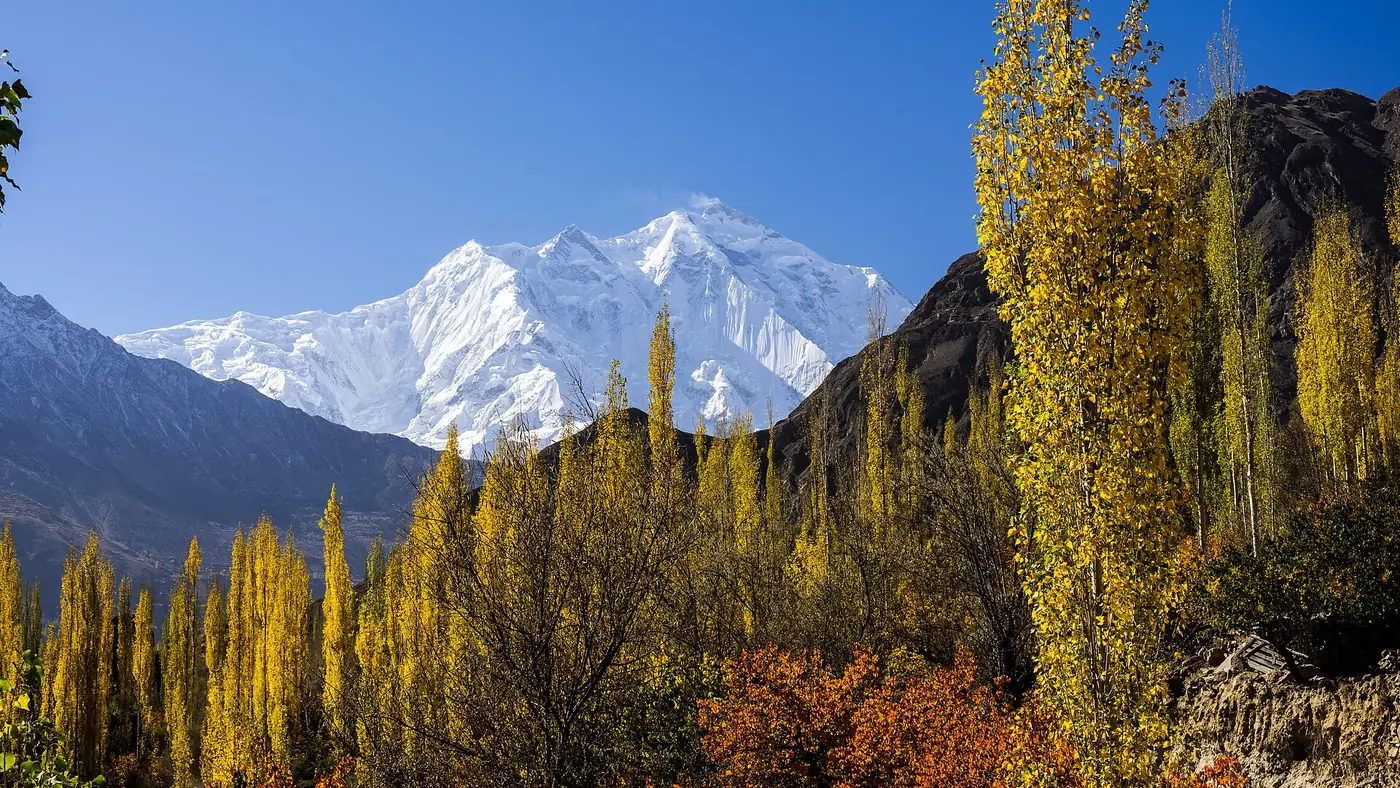
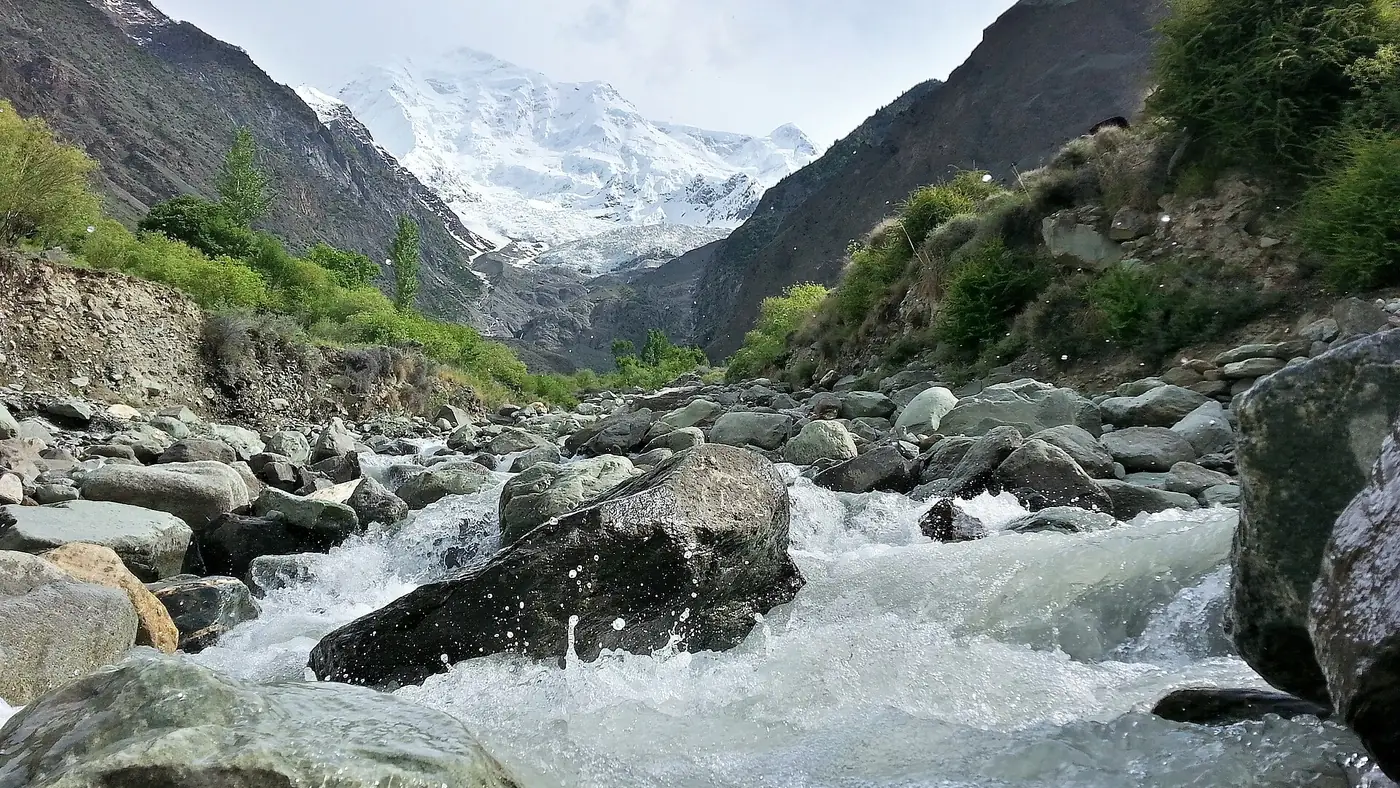
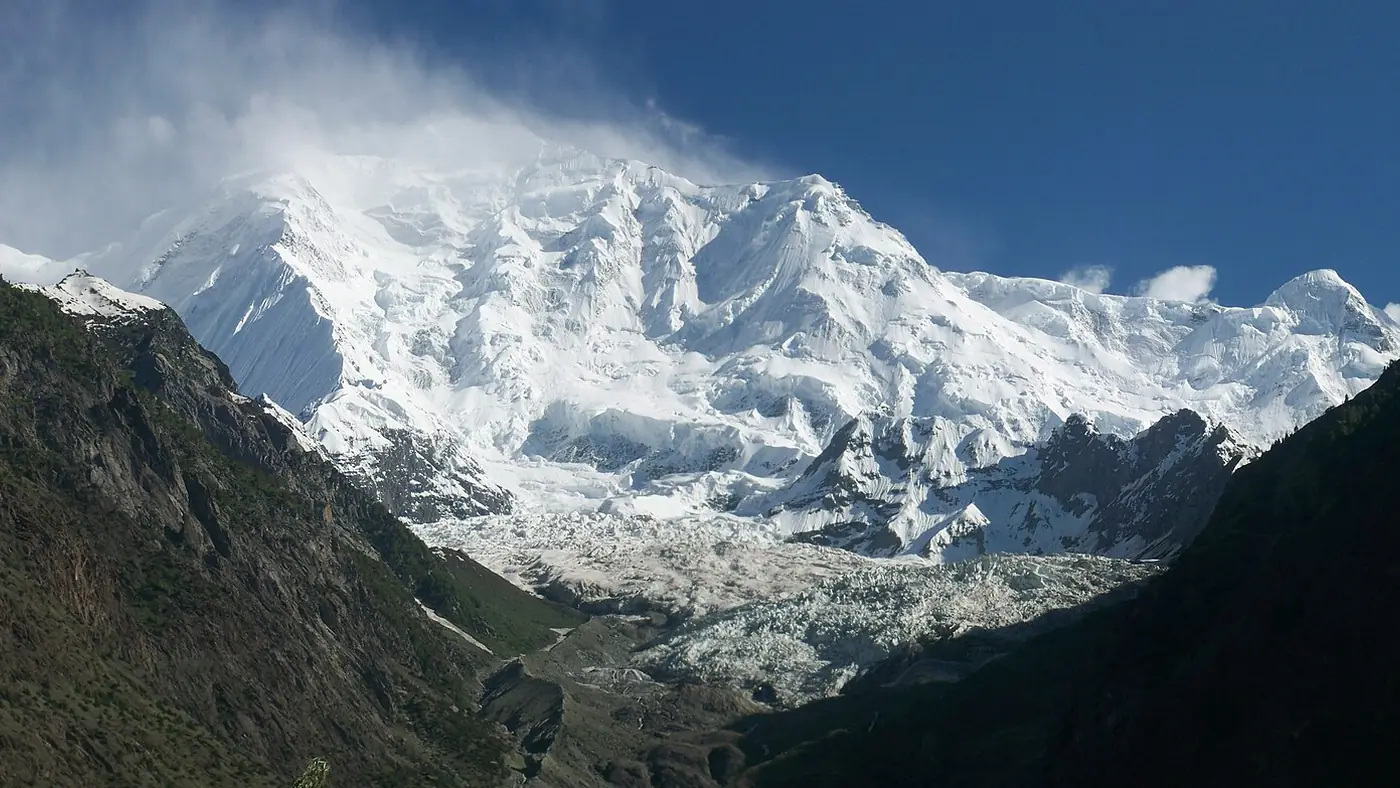
Nanga Parbat National Park covers the mountain and the valleys around it, including Fairy Meadows, the Rupal valley and Rama Lake. Fairy Meadows was made a national park in 1995 and folded into the larger park in 2021. For most visitors this is the jeep ride from Raikot Bridge and the walk up to the meadow; our Fairy Meadows page covers the trip. On the Astore side, the Rupal face can be seen from Tarashing, reached by road from Astore.
Himalaya National Park covers the upper Astore valley, around Domail and Minimarg, and stretches north towards Deosai. It protects forest and alpine habitat for musk deer, brown bears, markhor, ibex and snow leopards. Parts of it are close to the Line of Control, where army checkposts control access and foreign nationals need special permission.
Qurumbar and Shandur-Handrap National Parks
Both are in Ghizer, in the west of the region, and see far fewer visitors.
Qurumbar National Park, established in 2011, lies at the head of the Ishkoman valley on the border with Chitral, next to Broghil National Park. Its centrepiece is Karambar Lake, at 4,272 metres one of the highest large lakes in Pakistan. Reaching it means a jeep road up the Ishkoman valley and then several days on foot, so it is for trekkers with time and a local guide. Snow leopards, ibex and Marco Polo sheep live in the park.
Shandur-Handrap National Park, established in 1993, takes in the Shandur Pass and its famous polo ground, as well as Handrap Lake, reached by a walk of a few hours from Handrap village off the Gilgit–Chitral road. Most visitors see it during the Shandur Polo Festival or on the drive between Gilgit and Chitral.
Fees, rules and seeing wildlife
Fees. Khunjerab and Deosai charge entry fees at their checkpoints, and treks in Central Karakoram carry park fees. The amounts differ for Gilgit-Baltistan residents, other Pakistanis and foreign nationals, and they have changed several times in recent years, so carry cash and pay what is posted.
Rules. Hunting is not allowed, and neither is feeding or chasing animals. Take every piece of rubbish back out with you. Camping is restricted in some places, notably Deosai, so check the current rules before you pitch a tent.
Wildlife. Your best chances are early in the morning and late in the afternoon, from a distance, with binoculars. Bears, snow leopards and Marco Polo sheep are wary and usually far off; marmots, ibex and birds of prey are much easier. Stay in or near the vehicle when a bear is in view.
Altitude. Khunjerab and Deosai are both above 4,000 metres and reached in a few hours from much lower ground. Move slowly, drink water and go down if anyone feels steadily worse. Our travel guide has more on altitude in the north.
Which park should you visit?
For a first trip with family, Khunjerab and Deosai are the two to do. Khunjerab is the easier, on a paved road, while Deosai needs a jeep but gives you more space, more wildlife and a whole day in the open.
For walkers, Fairy Meadows in the Nanga Parbat park is the best short trek in the region, and the Central Karakoram treks, from Hushe or Askole, are the serious ones.
For quiet, Ghizer's two parks, Qurumbar and Shandur-Handrap, see a fraction of the visitors, but they need time, a local guide and a tolerance for rough roads.
Frequently asked questions
How many national parks are in Gilgit-Baltistan?
Seven: Central Karakoram, Deosai, Khunjerab, Nanga Parbat, Himalaya, Qurumbar and Shandur-Handrap. Nanga Parbat and Himalaya were added in 2021.
Which is the largest national park in Gilgit-Baltistan?
Central Karakoram National Park, at around 10,000 square kilometres, is the largest in Gilgit-Baltistan and in Pakistan. It includes K2 and the Baltoro glacier.
What is the entry fee for Khunjerab and Deosai national parks?
Both charge a fee at the checkpoint, with different rates for Gilgit-Baltistan residents, other Pakistanis and foreign nationals. The fees have changed several times recently, so carry cash and pay the current posted rate.
Can you see snow leopards in Gilgit-Baltistan?
They live in several of the parks, including Khunjerab, but they are rarely seen from a road. Marmots, ibex and, on Deosai, brown bears are far more likely sightings.
Is Fairy Meadows a national park?
Yes. It was declared a national park in 1995 and has been part of the larger Nanga Parbat National Park since 2021.