
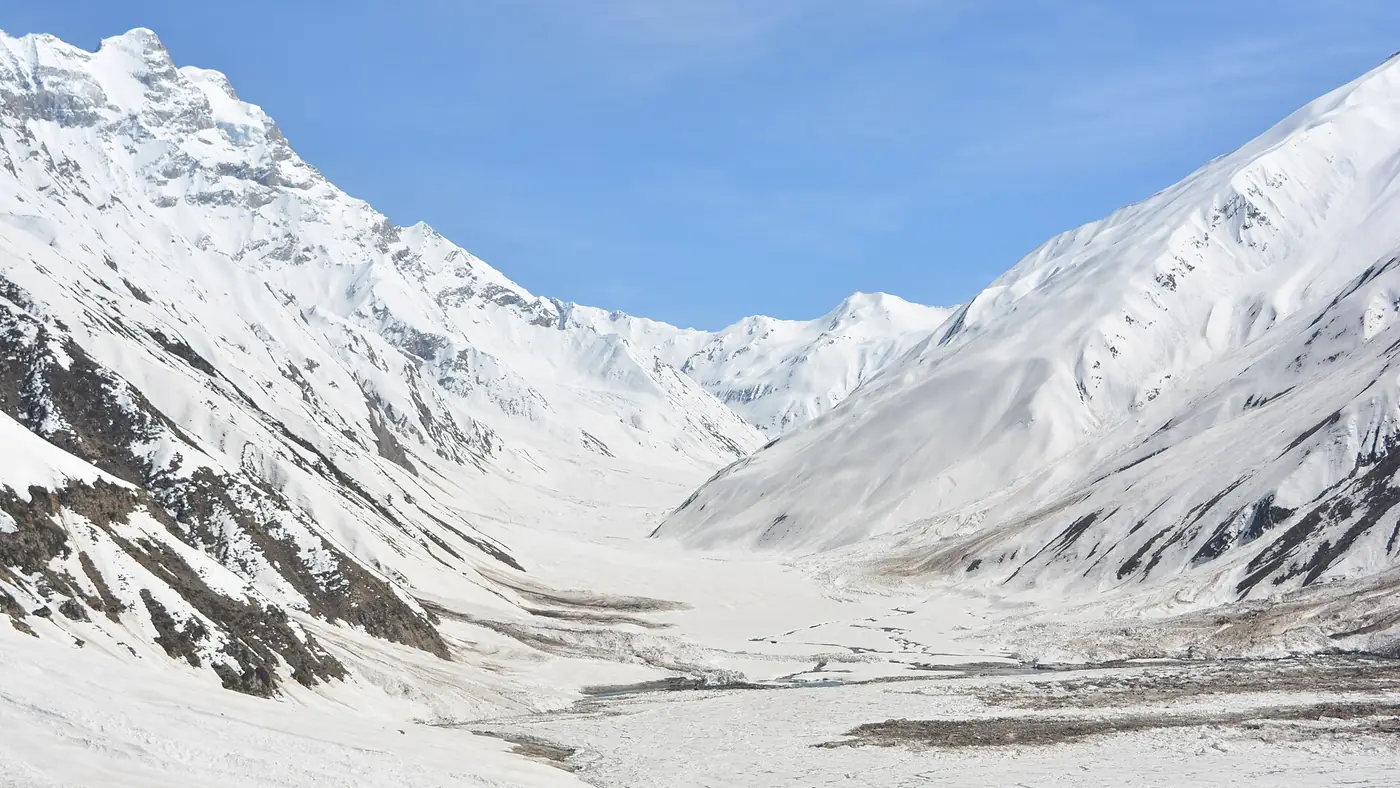

Walking from Naran to Saif-ul-Malook follows the same jeep track almost everyone else drives, climbing about 800 metres over roughly 8 to 9 km. A fit adult takes three to five hours up, more with children or a slow group, and most people plan half a day for the whole outing including time at the lake. It is a straightforward walk rather than a technical one, but the altitude gain in a single morning is real.
This guide covers the trek stage by stage, what the climb actually feels like, and where a walker can shortcut the jeep track's switchbacks.
| At a glance | |
|---|---|
| Start | Naran bazaar, 2,409 m |
| Finish | Saif-ul-Malook lake, 3,224 m |
| Distance | About 8 to 9 km, following the jeep track |
| Altitude gain | About 800 m |
| Time up | 3 to 5 hours for a fit adult |
| Best months | June to September |
| Terrain | Rough, unpaved jeep track; dusty when dry, muddy after rain |
Why walk instead of taking a jeep
Almost everyone reaches Saif-ul-Malook by jeep in 45 minutes to an hour, and our Saif-ul-Malook visitor guide covers that route, the official fare and what to do at the lake. Walking is slower and more tiring, but it gives you a quieter morning on the track, a better sense of how much height the lake gains over the town, and a free way up on a tight budget. Most walkers still take a jeep down, or swap with someone who has a spare seat.
The route
The track leaves Naran on the same road the jeeps use, climbing steadily up the side valley in a series of bends rather than a single steep pull. There is no separate walking trail for most of the way; you are on the jeep track itself; so keep to the edge and step well clear when a vehicle passes, since the surface is narrow in places.
Roughly the first third of the climb is the steepest, through switchback bends above the town. The middle section eases as the track opens into a wider side valley, with views back down towards Naran and the Kunhar. The final approach flattens out as the lake basin opens up, with Malika Parbat and the surrounding peaks coming into view before you reach the shore.
Early in the season, from May into June, expect patches of old snow and glacier debris across the track in the upper section. These can be slippery and occasionally unstable at the edges; keep to the cleared path and don't detour onto snow banks for a shortcut or a photograph.
Shortcuts on the switchbacks
Where the jeep track doubles back in tight hairpins, walkers can sometimes cut directly up the slope between two bends rather than following the vehicle route around, saving some distance and time. Only take a cut where the ground is firm, dry and clearly used by other walkers, since loose scree or wet grass on a steep cut is a common cause of a slip. If in doubt, stay on the track; the time saved is small next to the risk of a twisted ankle a long way from help.
How hard is the walk?
It is rated moderate: nothing technical, no exposure and no need for ropes or special equipment, but a real, sustained climb at altitude. Most of the difficulty is the combination of gaining 800 metres and the thinner air above 3,000 metres, which makes even a gentle stretch of track feel harder than the same distance at sea level.
Walk at a steady pace you could keep up for hours rather than one you can only hold for a few minutes, take breaks on the steeper switchbacks, and drink water regularly rather than waiting until you feel thirsty. A mild headache or breathlessness is common and usually passes with rest; a severe headache, vomiting or confusion is a sign to turn back and descend.
When to walk it
June to September is the season for this walk. The snow has generally cleared from the track by June, the days are long enough for an early start and a full day, and by September the crowds on the track have thinned, making for a quieter walk even if the jeeps are still running above you. Outside this window the track can be snow-covered, icy or simply closed; our guide to the best time to visit Naran covers when each part of the valley opens.
Start early: by 7 or 8 am if possible, both for cooler temperatures on the climb and to reach the lake before the afternoon crowds and the wind that tends to pick up later in the day.
What to carry
- Sturdy walking shoes or boots with good grip, broken in before the trek
- At least 1.5 to 2 litres of water per person, since there is nowhere to refill safely on the way up
- Sun protection: a hat, sunglasses and sunscreen, since there is little shade on most of the route
- A light waterproof jacket, since weather at this altitude can turn quickly
- Snacks for the climb and cash for tea, food or a jeep down from the lake
- A basic first aid kit, particularly blister plasters
Is walking to Saif-ul-Malook worth it?
For fit, well-prepared adults with a full day to spend, yes. It turns a short jeep excursion into a proper morning's exercise, with quieter surroundings on the way up than the busy jeep stand offers, and a real sense of arrival at the lake rather than stepping straight out of a vehicle.
It suits fewer people than the jeep. Small children, older travellers, anyone with limited time in Naran, or a group that is not used to walking at altitude will get more out of the jeep, saving their energy for the lake itself rather than the climb to it. For a shorter, easier way to see the same lake, our Saif-ul-Malook guide covers the jeep option, and for help building either version into a wider trip, send us your plans.
Frequently asked questions
How long does it take to walk from Naran to Saif-ul-Malook?
Three to five hours up for a fit adult, longer for children or a slower group. Most people plan half a day for the walk up and time at the lake, then take a jeep back down.
Is the walk to Saif-ul-Malook difficult?
Moderate. There is no technical climbing, but you gain about 800 metres over 8 to 9 km, and the altitude makes the effort feel harder than the distance alone suggests.
Can I take a jeep down after walking up?
Yes, this is what most walkers do. Jeeps run throughout the day in season, and drivers with a free seat will often take a walker down for a share of the fare.
Is there water or food available on the trail?
No reliable source on the way up. Carry all the water and snacks you need; there are stalls at the lake itself once you arrive.
What is the best time of year to walk to Saif-ul-Malook?
June to September, once the snow has cleared from the track and before the autumn cold sets in. Start early in the day for cooler temperatures and a calmer lake.