A Naran, Babusar and Hunza itinerary links two of the north's best-known valleys into one loop: up through Kaghan to Naran, over Babusar Pass at 4,173 metres into Gilgit-Baltistan, on to Hunza, and back to Islamabad down the Karakoram Highway. Done properly it takes a week to ten days, not the long weekend some itineraries online suggest, and it only works reliably between July and September, when Babusar is fully clear of snow and ice on both approaches.
This guide sets out a realistic day-by-day plan, explains why the safe window is narrower than the pass's official opening dates, and covers the long driving days that make or break the trip.
| At a glance | |
|---|---|
| Route | Islamabad – Naran – Babusar Pass – Chilas – Gilgit – Hunza – Islamabad (via KKH) |
| Babusar Pass altitude | 4,173 metres |
| Naran to Babusar Top | About 65 km, 1.5 to 2 hours |
| Babusar Top to Chilas | About 50 km |
| Gilgit to Karimabad (Hunza) | About 100 km, 2 to 3 hours |
| Safe window for this full loop | July to September |
| Minimum time to do it properly | 7 days |
Why this route, and why the season matters more here
A day trip up to Babusar and back to Naran is possible for most of the pass's open season, roughly late May to October in a normal year, because you are never far from Naran if the weather turns. Driving the pass one way, into Gilgit-Baltistan, with a group and loaded vehicles, is a different commitment: if the weather closes in on the Chilas side, or an early snowfall shuts Babusar behind you in October, you cannot simply turn around.
July and August are the most reliable months, with the road clear on both sides and the highest chance of good visibility at the top. September usually still works well, though early snow is possible in a hard year. May and June carry a real risk of snow or meltwater still on the road immediately after opening, and by late October the whole crossing becomes a gamble again. Our guide to when Babusar Top is open or closed covers how the opening and closing dates actually move from year to year.
The circuit, day by day
- Day 1: Islamabad to Naran. A full day on the road via Abbottabad, Mansehra and Balakot. Arrive in the afternoon and rest; the long days start tomorrow.
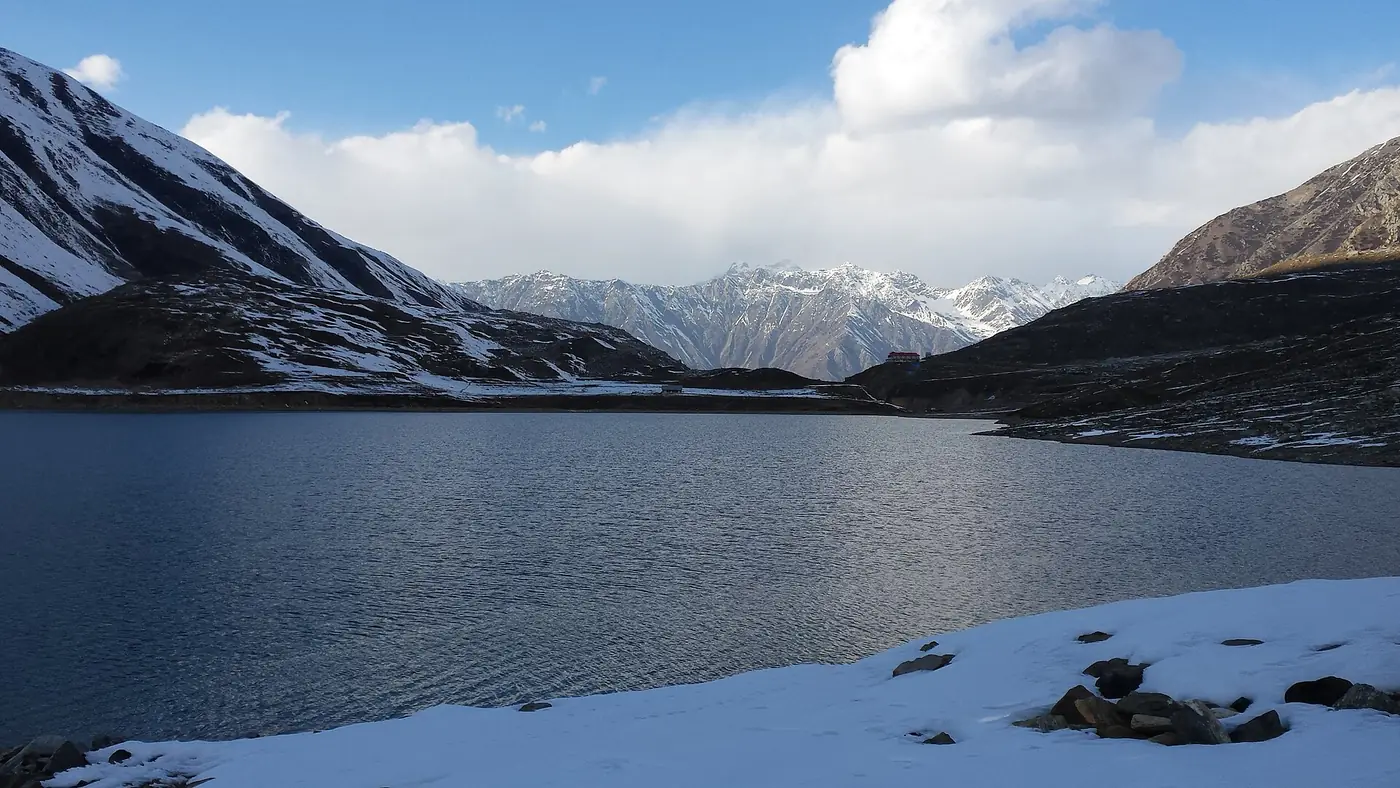
- Day 2: Naran to Gilgit, over Babusar Pass. The hardest day of the trip. Leave at first light, climb to Babusar Top for photographs and a short stop, then descend the Thak valley to Chilas on the Indus and join the Karakoram Highway north to Gilgit. This is a long day at altitude and on narrow roads; our route guide to Naran to Gilgit via Babusar breaks down the timings in detail.
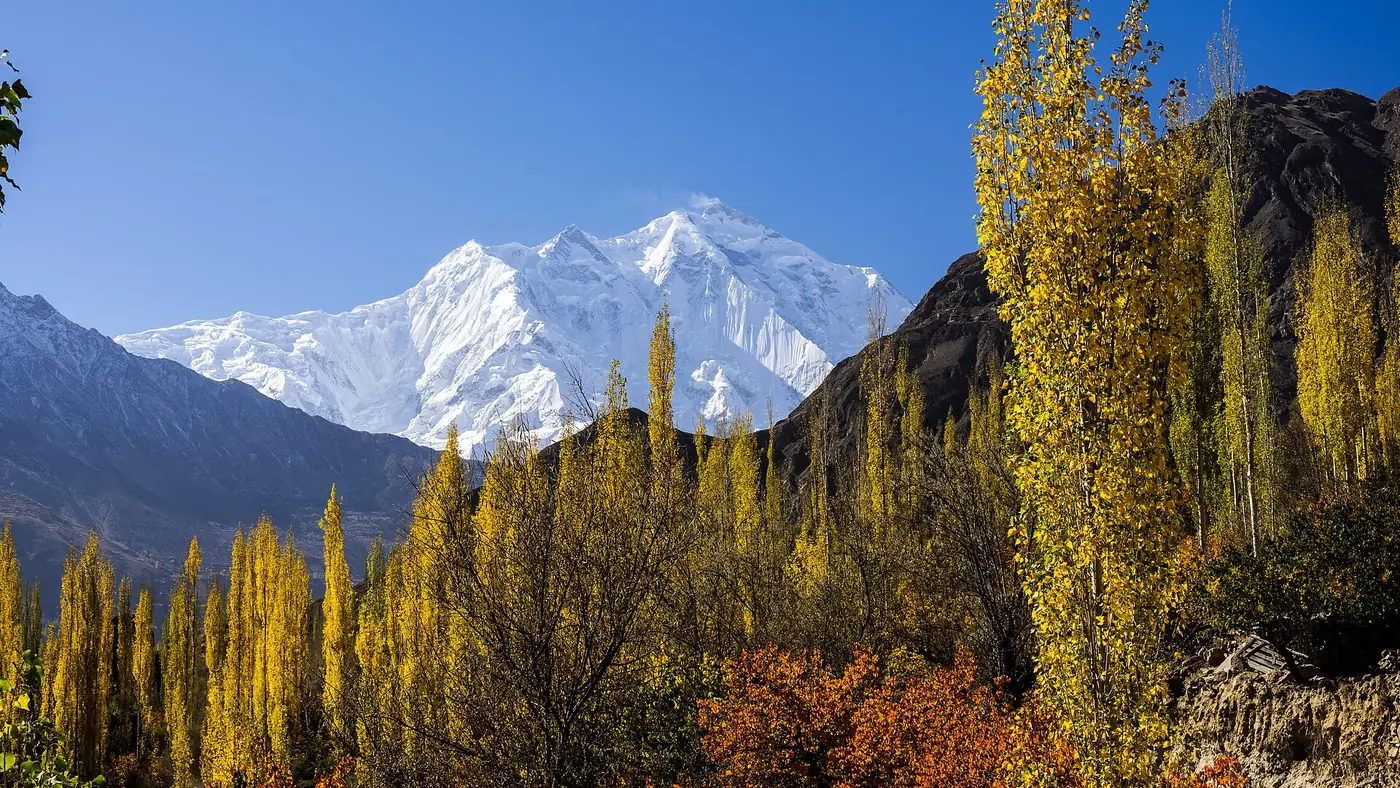
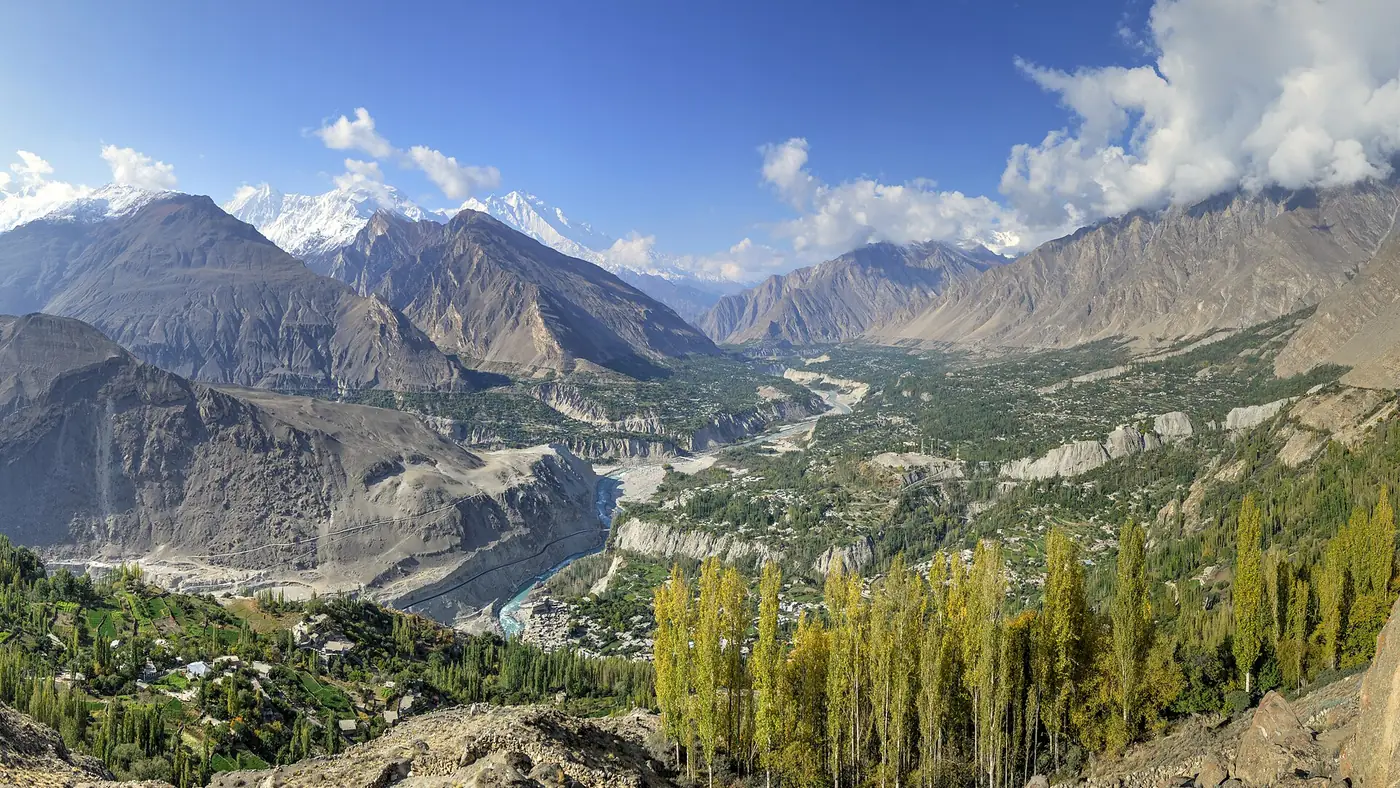
- Day 3: Gilgit to Karimabad. A short, easier drive, about 100 km, with Rakaposhi filling the windscreen for much of it. Settle into Hunza by early afternoon and see Baltit Fort before the light goes.
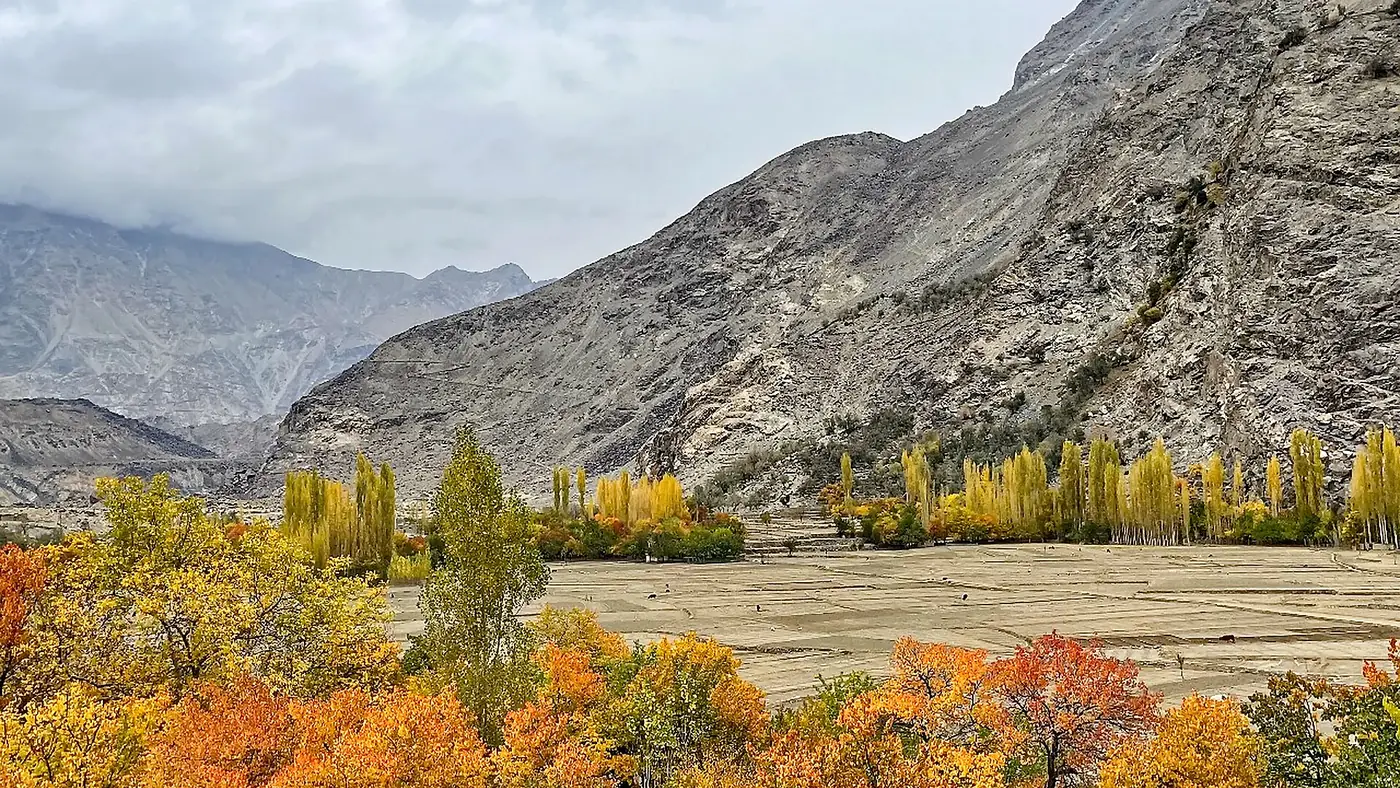
- Day 4: Hunza. Altit Fort, Attabad Lake and, if the group has the energy and the day is clear, the Passu Cones and Hussaini bridge further north.
- Day 5: Hunza, or a side trip to Khunjerab. Either a slower day around Karimabad and Duiker, or a long day trip up to Khunjerab Pass on the Chinese border for those who want it.
- Day 6: Karimabad to Chilas or Besham. Begin the return down the Karakoram Highway. Most groups break the drive back to Islamabad with a night at Chilas or Besham rather than attempting it in one day.
- Day 7: Onward to Islamabad. The final stretch home, arriving in the afternoon or evening depending on where you stopped the night before.
Groups with more time often add a rest day in Hunza or a night in Naran on the way home rather than pushing straight through; ten days is a noticeably easier version of the same route. Our Gilgit, Hunza and Khunjerab tour covers a similar circuit over nine days if you would rather not plan and drive it yourself.
The return: why not go back over Babusar?
Some travellers plan to cross Babusar in both directions, but the loop through Chilas and down the full Karakoram Highway is the better choice for most groups. It avoids crossing the same pass twice, it is a fundamentally better-maintained road for most of its length, and it lets you see the Indus gorge and the Nanga Parbat viewpoints you missed going the other way. Our Karakoram Highway road trip guide covers this stretch section by section, with where to refuel and where to break the drive.
What makes this circuit demanding
- Two very long driving days. The day over Babusar and the return down the KKH are both eight hours or more behind the wheel, sometimes considerably more if the road is slow.
- A real altitude jump. Babusar Top is 4,173 metres, reached in a car with no time to acclimatise. Most people feel it as a headache or breathlessness that passes once you descend; treat it seriously if anyone in the group has a heart or lung condition.
- No fallback if the weather turns. Once you are over Babusar, the quickest way back to Islamabad is forward, through Gilgit and down the KKH, not back the way you came.
- A vehicle and driver used to mountain roads. This is not a trip for a car or driver only used to motorways. A 4x4 or a well-maintained sedan with an experienced mountain driver is what most groups use.
Is this circuit worth it?
For a group with a week or more, a reasonable tolerance for long driving days, and a trip planned squarely in July, August or early September, yes. It links two very different landscapes, the alpine lakes of Kaghan and the high, dry valleys of Hunza, in one loop rather than two separate trips.
If your time is limited to three or four days, or anyone in the group struggles with long car journeys or altitude, it is better to choose Naran or Hunza on their own rather than attempt both in one trip. Our Gilgit and Hunza destination guide is the place to start if you decide Hunza alone is the better fit.
Frequently asked questions
How many days do you need for a Naran, Babusar and Hunza trip?
A minimum of seven days for the circuit as described here, with two long driving days included. Ten days makes the same route considerably more comfortable.
Is Babusar Pass safe to cross with a normal car?
The road is paved and manageable for a normal car within the reliable season, but the altitude, narrow sections and lack of barriers mean an experienced driver matters more than the vehicle itself.
Can this trip be done outside July to September?
The pass is officially open longer, usually from late May into October or November, but the early and late weeks carry a higher risk of snow, ice or a sudden closure while you are on the far side. July to September is the window with the fewest surprises.
Do I need a permit to cross into Gilgit-Baltistan at Babusar?
No special permit is needed for Pakistani travellers; a CNIC is enough, and foreign nationals should carry their passport and visa. There is no formal border post at Babusar itself, unlike Khunjerab.
Should I do this trip with a tour operator or on my own?
Either works if the driver is experienced on mountain roads and the group builds in a spare day. A guided trip removes the planning and gives you a driver who already knows the Babusar crossing, which matters most on the long day into Gilgit-Baltistan.