Miranjani vs Mushkpuri comes down to this: Mushkpuri is the shorter, more accessible climb with an open, grassy summit reachable in half a day, while Miranjani is longer and higher, the highest point in the Galiyat, and on the clearest days offers a distant view of Nanga Parbat that Mushkpuri cannot match. If you have to choose one, Mushkpuri suits most families and first-time visitors, and Miranjani suits keen walkers with a full day to spend.
This guide compares the two directly, so you can pick the one that fits your day, or plan a weekend that fits in both.
| Miranjani | Mushkpuri | |
|---|---|---|
| Summit height | 2,992 m | About 2,800 m |
| Starting point | Nathia Gali | Dunga Gali (or Nathia Gali via Lalazar) |
| Distance one way | About 4.7 to 5 km | About 3 to 4 km |
| Time up | 2 to 3 hours | 1.5 to 2.5 hours |
| Time down | 1.5 to 2 hours | About 1 hour |
| Whole outing | 5 to 6 hours | 4 to 5 hours |
| Terrain | Forest for most of the way, rocky and steep near the top | Steep and steady on the Dunga Gali side; gentler via Nathia Gali |
| Summit | Rocky, exposed, wide views in every direction | Open, grassy meadow |
| Crowds | Quieter | Busier, especially at weekends |
Length and difficulty
Mushkpuri is the easier of the two by most measures: shorter at roughly 3 to 4 km one way, with most walkers up in one and a half to two and a half hours and down in about one. It is still a proper uphill walk, steep in places on the Dunga Gali route, but it asks less stamina and less time than Miranjani.
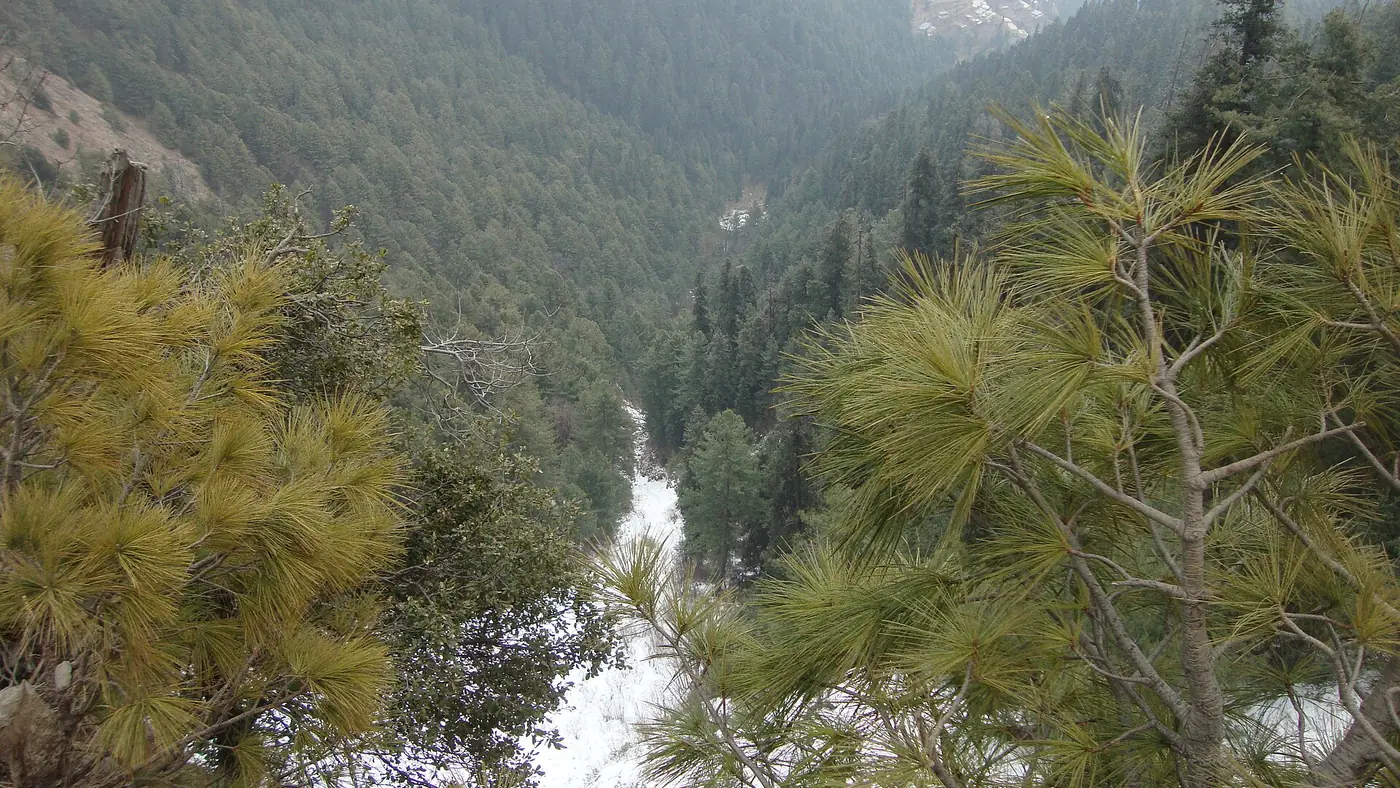
Miranjani is longer at around 4.7 to 5 km one way, with a climb of roughly 600 metres spread over two to three hours up and one and a half to two hours down. Most of the route is under forest, with a steeper, rockier final stretch that needs more care, particularly on the way down. Treat it as a full day out rather than a half-day activity.
The views
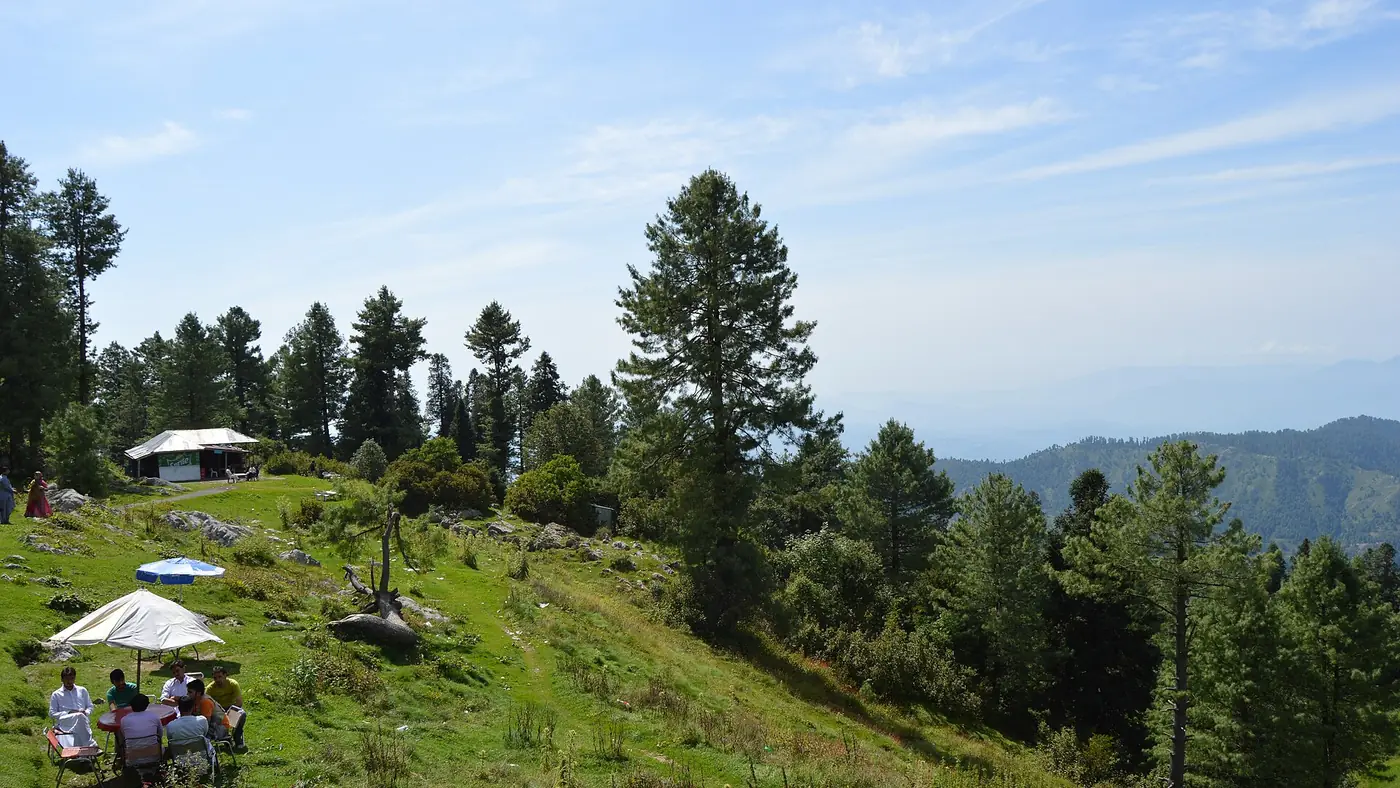
Mushkpuri's reward is an open, grassy summit, unusual after a walk mostly through trees, with views south to Murree, east into Azad Kashmir, and, on the clearest days, as far as Islamabad.
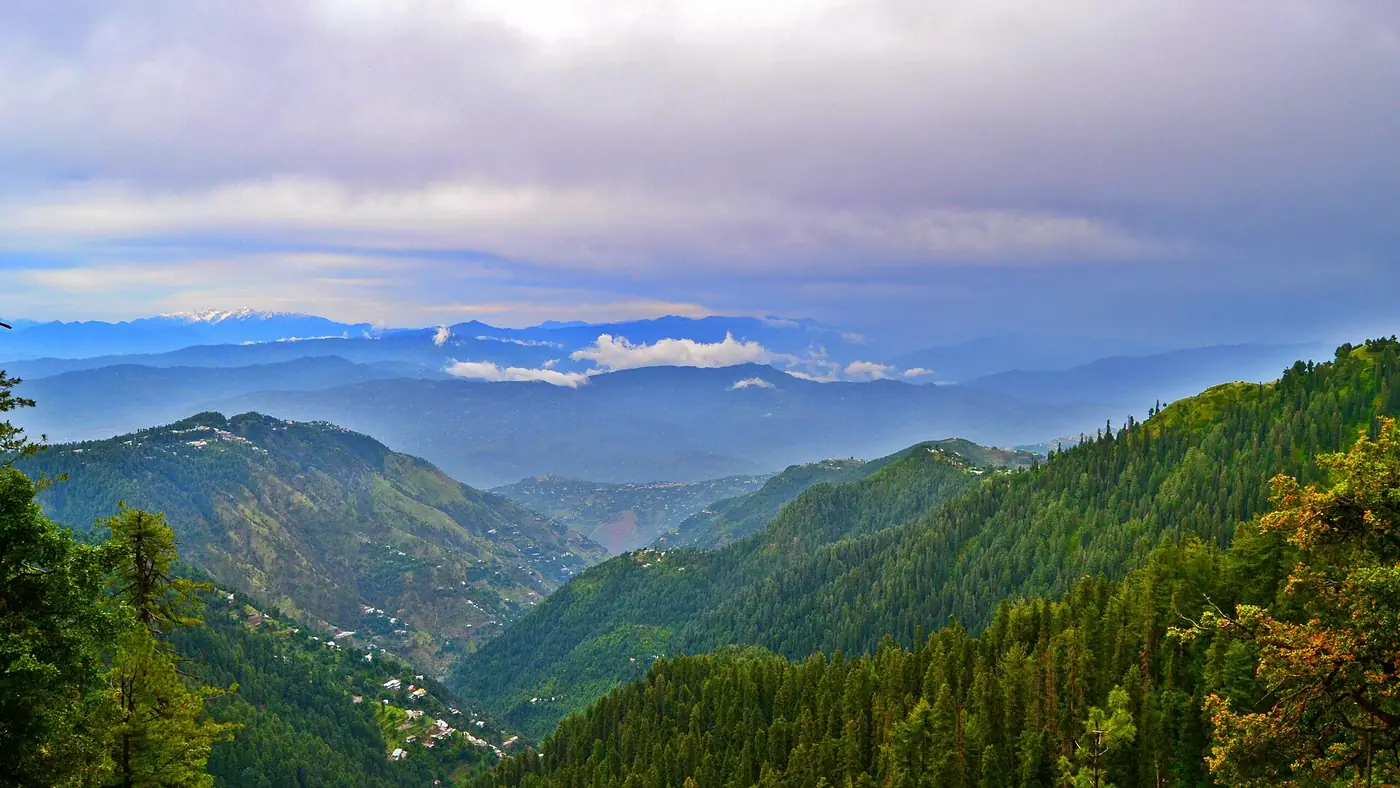
Miranjani's summit is rockier and more exposed, with views in every direction once you clear the tree line. Its particular draw is Nanga Parbat, at 8,126 metres and about 170 km to the north, which shows only on exceptionally clear days, most often in autumn or the morning after rain. Don't build a trip around seeing it; treat it as a bonus on a good day, as our Miranjani Top hike guide explains in more detail.
Crowds and timing
Mushkpuri, being shorter and starting from the well-used Dunga Gali trailhead, tends to be busier, especially at weekends and on the Nathia Gali side near Lalazar. Miranjani, needing a longer commitment, generally sees fewer walkers, and its length is itself a natural filter for crowds.
Both trails are best started early, by 8 or 9 am, before summer cloud builds on the ridge and, in July and August, before the afternoon rain that often follows it.
Who should choose which
Choose Mushkpuri if:
- You have half a day rather than a full one.
- You are walking with children who are used to hills, or with older family members who want a shorter climb.
- You want the best view for the least effort in the Galiyat.
Choose Miranjani if:
- You want the highest point in the Galiyat and a longer, quieter day.
- You are a fit, experienced walker looking for more of a challenge.
- You are visiting in autumn and hoping for a chance of seeing Nanga Parbat.
Neither suits very young children, anyone with limited mobility, or a day when cloud has already settled on the ridge; on a wet or misty morning, walk the almost-flat Pipeline Track instead, which gives forest without either climb.
Can you do both?
Yes, over two days. A common plan is Mushkpuri on the first morning, while your legs are fresh and before the afternoon cloud builds, followed by an easy afternoon on the Pipeline Track, then Miranjani on the second day when you have more time to spare. Our two-day Galiyat itinerary sets out exactly this route, and our wider guide to hiking trails in the Galiyat covers every marked walk in the area if you want more options.
Basing yourself in Dunga Gali puts you closest to the Mushkpuri trailhead and the Pipeline Track; basing yourself in Nathia Gali puts you at the start of the Miranjani trail and closer to restaurants in the evening. Our Dunga Gali guide and hotels in Nathia Gali guide cover each base. Send us your dates if you would like help planning a walking weekend around both hikes.
Frequently asked questions
Which is easier, Miranjani or Mushkpuri?
Mushkpuri. It is shorter, takes less time, and needs less stamina, though the Dunga Gali route is still steep in places.
Which has better views, Miranjani or Mushkpuri?
Both give wide views on a clear day. Miranjani's higher, more exposed summit occasionally shows Nanga Parbat in the distance; Mushkpuri's open, grassy top gives easier, more reliable views over Murree and Azad Kashmir.
Can beginners do Miranjani or Mushkpuri?
Reasonably fit beginners can usually manage Mushkpuri with plenty of stops. Miranjani asks more stamina because of its length, and is a better fit for people used to a full day's walking.
Which is quieter, Miranjani or Mushkpuri?
Miranjani, mainly because its extra length and time commitment put off casual walkers who stick to the shorter Mushkpuri and Pipeline Track routes.
Can you do both hikes on the same trip?
Yes, on separate days. Most people walk Mushkpuri one day and Miranjani the next, basing themselves in Dunga Gali or Nathia Gali for both.