
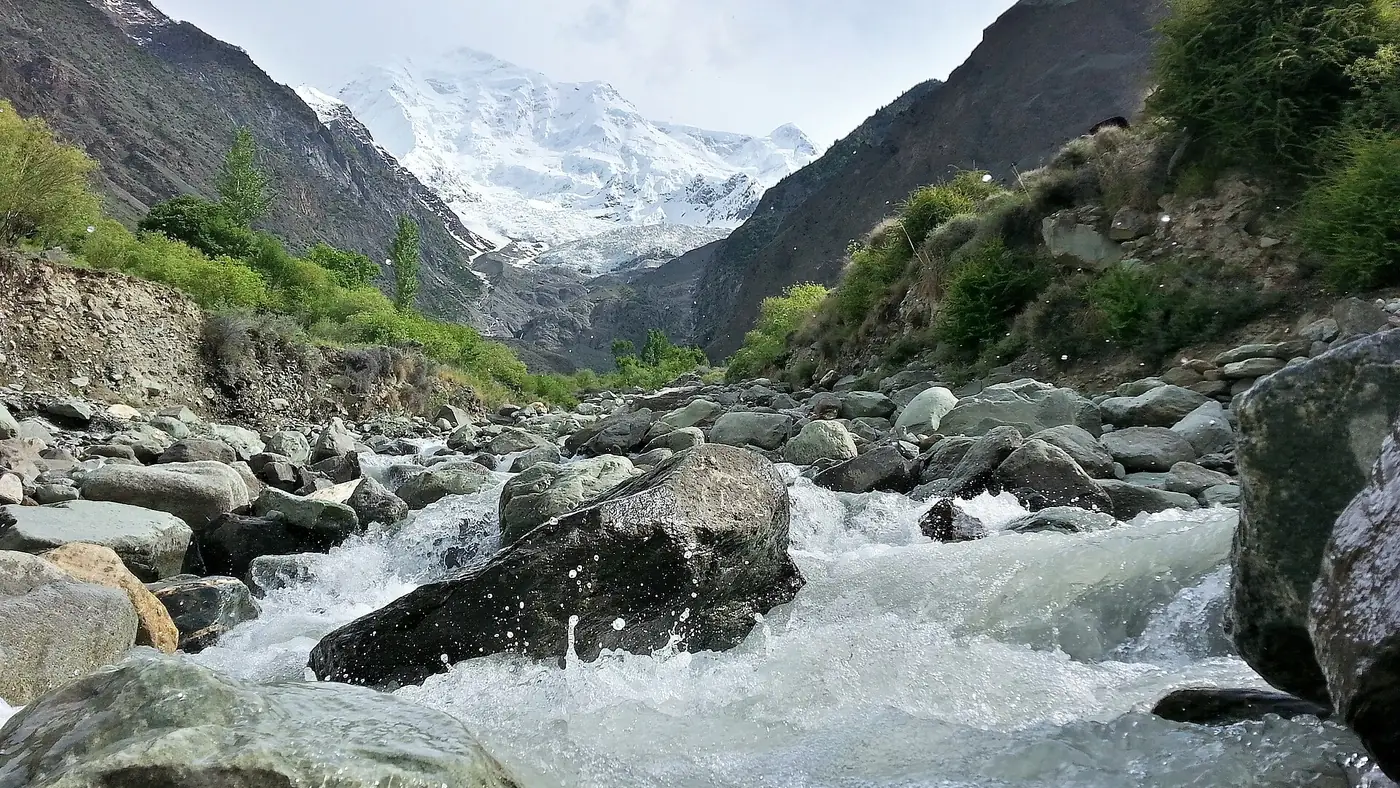
The lakes in Gilgit-Baltistan that repay the effort are Attabad and Borith in Hunza, Upper Kachura, Shangrila and Satpara around Skardu, the Naltar lakes above Gilgit, Khalti and Phander in the Ghizer valley, and Sheosar on the Deosai plateau. Attabad, Borith, the Skardu lakes, Khalti and Phander are a drive in an ordinary car. Naltar, Sheosar and Rama need a local jeep, and Rush, Karambar, Kharfaq and Handrap are walks of hours or days. June to September suits almost all of them, but the valley lakes look their best in spring and autumn.
This guide goes valley by valley, with how you reach each lake and the months to go. For Saif-ul-Malook, Ratti Gali and the other lakes of Khyber Pakhtunkhwa and Azad Kashmir, see our guide to the best lakes in Pakistan.
| Lake | Altitude | Getting there | Best months |
|---|---|---|---|
| Attabad, Hunza | Valley floor | Car, beside the Karakoram Highway | April to May, September to October |
| Borith, upper Hunza | About 2,500 m | Car, short side road from Hussaini | May to October |
| Rush, Nagar | 4,694 m | Trek of several days from Hopar | July to September |
| Naltar lakes, Gilgit | A little above 3,000 m | Jeep from Naltar Bala | June to October |
| Khalti, Ghizer | About 2,200 m | Car | May to October; frozen in winter |
| Phander, Ghizer | Upper Ghizer valley | Car, 5 to 6 hours from Gilgit | May to October |
| Handrap, Ghizer | About 3,285 m | About 4 hours on foot | July to September |
| Karambar, Ishkoman | 4,272 m | Trek of about 3 days | July to August |
| Upper Kachura and Shangrila, Skardu | About 2,500 m | Car | April to October |
| Satpara, Skardu | About 2,600 m | Car | April to October |
| Blind Lake, Shigar | Valley floor | Car | April to October |
| Kharfaq, Ghanche | Above Kharfaq village | About 3 hours on foot | July to August |
| Sheosar, Deosai | Over 4,100 m | Jeep, summer only | Late June to September |
| Rama, Astore | Above 3,300 m | Jeep, then about 2 hours on foot | July to September |
Hunza and Nagar
Attabad is the lake most people come for, and the easiest. The Karakoram Highway runs along it through a chain of tunnels, 30 to 40 minutes north of Karimabad. It formed when a landslide blocked the Hunza river on 4 January 2010, so its level and shoreline still shift. The water is clearest and bluest in spring and autumn; in high summer, silty streams leave brown patches near the inflows. Our Attabad Lake guide covers the viewpoints and the landing.
Borith is a small, slightly salty lake about 2 km north of Hussaini, reached by a short side road. It is quiet, it draws migrating ducks in spring and autumn, and it pairs naturally with the Hussaini suspension bridge and Passu on the same morning.
Rush Lake, at 4,694 metres above the Hopar and Miar glaciers in Nagar, is the highest lake in the country. It is a trek of several days from Hopar, with time built in to acclimatise, and only for organised, experienced parties.
Gilgit and the Ghizer valley
The Naltar lakes sit in pine forest a little above 3,000 metres, 12 to 13 km of rough jeep track beyond Naltar Bala, which is about two hours from Gilgit. The first is usually called Satrangi, with Blue Lake and Pari Lake close beyond it, though the names are used loosely. Leave your own car in the village. Our Satrangi Lake guide untangles which lake is which.
West of Gilgit, the road towards Shandur runs up the broad Ghizer valley, where the lakes lie beside the road:
- Khalti, near Gupis, is a long lake in a bend of the river with trout in it. In most winters it freezes hard enough for people to walk across.
- Phander, five to six hours from Gilgit, is a deep, clear lake in a green valley with simple places to stay, and the natural overnight stop in Ghizer.
- Handrap lies in a side valley west of Phander, about four hours' walk from Handrap village, and is known for trout.
- Shandur is the lake beside the polo ground near the top of the pass, 212 km from Gilgit, on a road open only in summer.
Karambar, at 4,272 metres at the head of the Ishkoman valley, is the second-largest lake in northern Pakistan after Attabad and part of a national park declared in 2011. From the Gilgit-Baltistan side it is a trek of about three days from Bort, where the jeep road ends. Treat it as an expedition.
Skardu, Shigar and Ghanche
Skardu has the densest cluster of lakes you can drive to, which is one reason it suits families who fly in.
- Upper Kachura, about 30 km west of Skardu, is the larger, deeper village lake, reached by a short, steep path down from the road, with boatmen and fried trout in the warm months.
- Shangrila, properly Lower Kachura, is the small lake inside the resort a few minutes away. Day visitors go in through the gate, normally with a ticket.
- Satpara is 8 to 10 km south of Skardu on the paved road towards Deosai, enlarged by a dam that supplies the town, and an easy stop on a Deosai day.
- Blind Lake, also called Zharba, is about half an hour from Skardu towards Shigar, a narrow lake of around 1.4 km between the Indus and the Shigar river, and far quieter than Kachura.
- Kharfaq is above Kharfaq village in Ghanche, about 22 km before Khaplu. It is roughly three hours' walk up, clear and slightly brackish, and best in July and August.
Deosai and Astore
Sheosar lies on the western side of the Deosai plateau at over 4,100 metres, a little more than 2 km long, with Nanga Parbat beyond it on a clear day. Its Shina name means "blind lake", so don't confuse it with the one near Shigar. From Skardu it is three to four hours by jeep over the Ali Malik Mar pass; from Astore it is closer to the village of Chilim.
The rules on the plateau have tightened. After a brown bear attacked a camper near Bara Pani in September 2025, night camping was banned, and from the 2026 season seasonal hotels and commercial activity inside the park were banned too. Plan Sheosar as a long day trip or as part of a crossing between Skardu and Astore. Our Deosai National Park guide has the details.
Rama Lake is above the Rama meadow near Astore town, under the Nanga Parbat massif. A jeep takes you up to the meadow and the lake is about two hours' walk beyond. The valley is under snow for most of the year, so go between July and September.
Which month for which lake?
- April and May: the valley lakes around Skardu and Hunza are clear and deeply coloured, with snow on the peaks. The high lakes are still snowbound.
- June: the Naltar track has usually been open since late May, and Deosai normally opens during the month, snow permitting.
- July and August: everything is open, including the treks. This is also the monsoon, when landslides close roads for hours or days, so keep a spare day.
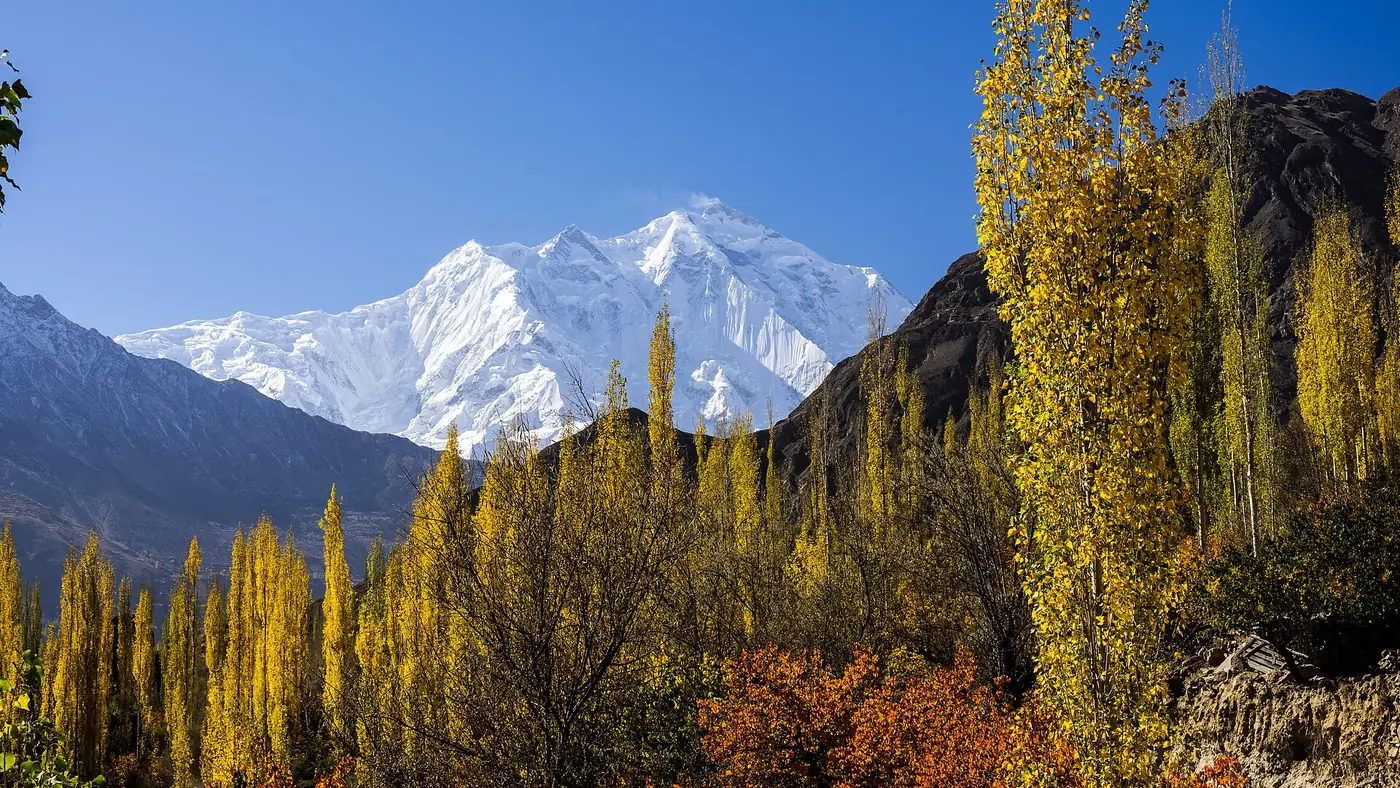
- September and October: clear skies, golden poplars around Attabad and the Ghizer lakes, and fewer people. Deosai usually closes with the first heavy snow, most often in October.
- Winter: Khalti freezes, Attabad does in some years, and the Kachura lakes and Satpara ice over. The jeep and trekking lakes are all shut.
Car, jeep or on foot?
For the car lakes, any sound sedan will do in summer; where the last stretch is steep, park where local drivers park and walk.
For the jeep lakes, don't take your own vehicle up the track, even a 4x4, unless you know it. Local drivers run these routes every day, and a jeep is priced per vehicle, so the cost per person falls sharply if you fill it. Our guide to jeep rent in Gilgit-Baltistan explains how the fares work.
For the walking lakes, go with a local guide, start early, and carry water, food and a warm layer. Rush and Karambar need proper trekking arrangements, and the tourism department says treks must be registered.
Which lakes are worth the journey?
On a first trip with family: Attabad, Borith and Upper Kachura. All are close to a paved road and good places to stay, and at an altitude most people handle easily.
Flying into Skardu for a week: Kachura, Satpara and Blind Lake on the easy days, and Sheosar on the Deosai day if everyone is fit for 4,000 metres. Our travel guide covers altitude and what to carry.
Quiet, with time to spare: Ghizer. Khalti and Phander are a long drive from Gilgit with simpler rooms, but few other visitors.
A lake as the goal of a walk: Kharfaq or Rama for a day, Handrap for a longer one, Rush or Karambar for a proper expedition.
Skip Sheosar with babies or anyone with a heart or lung condition, and skip the jeep lakes if someone in the group dreads rough, exposed tracks. Hunza's roadside lakes give you most of the colour without the jolting.
Frequently asked questions
Which is the highest lake in Gilgit-Baltistan?
Rush Lake in Nagar, at 4,694 metres, reached only by a trek of several days from Hopar. Karambar and Sheosar are also above 4,000 metres.
Which lakes in Gilgit-Baltistan can you reach by car?
Attabad, Borith, Khalti, Phander, Upper Kachura, Shangrila, Satpara and Blind Lake, some with a short walk at the end. Shandur is reachable by road in summer.
Do you need a jeep for Sheosar Lake?
Yes. The road is paved only as far as Satpara Lake, and after that it is a rough track onto the plateau. Most people hire a local jeep with a driver in Skardu or Astore.
Can you camp at the lakes?
Not on Deosai, where night camping has been banned since September 2025. Elsewhere the tourism department allows camping only in designated areas with a permit, so ask locally before pitching a tent.
.jpg)